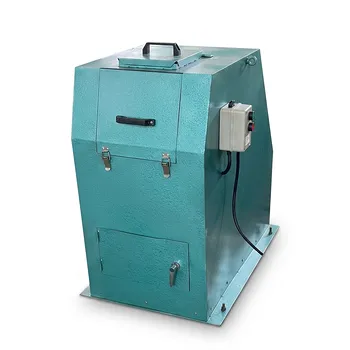
Why is an industrial jaw crusher necessary for processing Microcrystalline Cellulose slugs into granules? Optimize MCC Quality
Updated 5 months ago
Industrial jaw crushers are the foundational tool for transforming MCC slugs into workable granules. They utilize high-pressure mechanical fragmentation to break down compressed Microcrystalline Cellulose (MCC) "slugs" into a granular form. This step is critical because the specific crushing mechanism determines the granules' physical structure, which directly influences how they behave during secondary compression and final product formation.
The jaw crusher provides the precise mechanical force required to convert rigid MCC slugs into granules with a specific initial morphology. This process is essential for controlling fragmentation behavior and ensuring consistent material performance during subsequent manufacturing or research stages.
The Role of Mechanical Fragmentation
Breaking Structural Integrity
Jaw crushers apply compressive force to overcome the internal bonds of a dry, compressed MCC slug. This results in controlled mechanical fragmentation rather than uncontrolled pulverization.
Size Reduction for Secondary Processing
Similar to its use in processing stone or steel slag, the jaw crusher acts as a primary reduction stage. It prepares large, unmanageable blocks of material for finer milling or direct compression into final dosage forms.
Increasing Specific Surface Area
Mechanical crushing significantly increases the specific surface area of the material. By disrupting the tight structure of the compressed fibers, the process makes the granules more reactive or accessible for subsequent chemical or physical interactions.
Defining Granule Morphology and Performance
Influence on Secondary Compression
The way a jaw crusher shears and crushes a slug dictates the initial morphology of the resulting granules. These morphological traits are the primary variables in how granules fragment further when subjected to pressure in the final tableting stage.
Predictable Material Behavior
Using an industrial jaw crusher allows engineers to create a repeatable baseline for granule structure. This consistency is vital for scientific investigation into how initial pressures during the "slugging" phase impact the final product's structural integrity.
Standardization of Dimensions
The jaw crusher ensures the standardization of aggregate dimensions. By providing a consistent particle size range, it creates the necessary physical foundation for screening and grading, which directly affects the packing density of the final material.
Operational Efficiencies in the Processing Chain
Reducing Downstream Load
Using a jaw crusher as the first stage protects precision equipment from excessive wear. It ensures that subsequent fine-grinders or precision milling devices receive material that is already within a manageable size range.
High Reduction Ratios
The jaw crusher is favored for its ability to handle large feed sizes while providing a high reduction ratio. This makes it the most efficient choice for converting bulk MCC slugs into standardized aggregates quickly.
Understanding the Trade-offs
Fines Generation
While effective at fragmentation, jaw crushers can produce a high percentage of fine particles alongside the desired granules. This often requires secondary screening to ensure the particle size distribution meets strict specifications for the intended application.
Mechanical Stress and Heat
Although the jaw crusher’s action is primarily mechanical, the intense pressure can generate localized heat. While MCC is relatively stable, extreme pressure settings must be monitored to ensure the physical properties of the cellulose remain unchanged.
Calibration Requirements
The "gap" or discharge setting of the jaw crusher must be precisely calibrated. An incorrect setting can lead to granules that are either too coarse for secondary compression or too fine, leading to flowability issues in the production line.
Selecting the Proper Approach for Your Process
To maximize the utility of a jaw crusher in MCC processing, you must align your operational settings with your specific production or research goals.
- If your primary focus is research and development: Use the jaw crusher to isolate how specific initial slugging pressures correlate to the morphology and fragmentation behavior of the resulting granules.
- If your primary focus is industrial manufacturing efficiency: Utilize the jaw crusher as a primary stage to reduce wear on fine-milling equipment and ensure a standardized feed size for high-speed tableting.
- If your primary focus is material density control: Adjust the crusher's reduction ratio to optimize the packing density of the granules, ensuring better consistency in the final compressed product.
Mastering the mechanical fragmentation of MCC slugs is the first step toward achieving superior tablet consistency and structural integrity.
Summary Table:
| Key Aspect | Role in MCC Processing | Primary Benefit |
|---|---|---|
| Mechanical Fragmentation | Breaks internal bonds of compressed slugs | Controlled reduction rather than pulverization |
| Morphology Control | Dictates initial granule structure | Predictable behavior during final tableting |
| Surface Area Expansion | Increases specific surface area | Improved reactivity and physical interaction |
| Process Efficiency | Acts as a primary reduction stage | High reduction ratios; protects downstream tools |
| Standardization | Calibrated discharge settings | Consistent aggregate dimensions and packing density |
Elevate Your Material Science Research with Precision Equipment
At [Your Brand Name], we provide complete laboratory sample preparation solutions for material science, specializing in high-performance powder processing and compaction equipment. Whether you are transforming MCC slugs into granules or developing advanced materials, our equipment ensures consistent, repeatable results.
Our extensive product lines are designed to meet the rigorous demands of R&D and industrial manufacturing:
- Crushing & Grinding: Industrial jaw and roll crushers, liquid nitrogen cryogenic grinders, and diverse mills (planetary ball, jet, sand/bead, disc, and rotor).
- Sizing & Mixing: Vibratory and air-jet sieve shakers with various test sieves, plus advanced powder and defoaming mixers.
- Pressing & Compaction: A full spectrum of hydraulic presses, including Cold/Warm Isostatic Presses (CIP/WIP), standard lab presses, XRF pellet presses, and vacuum hot presses.
Ready to optimize your granulation workflow and ensure superior tablet integrity?
Contact our specialists today to discuss how our solutions can enhance your lab's efficiency and product quality.
References
- Sarsvatkumar Patel, Arvind K. Bansal. Understanding Size Enlargement and Hardening of Granules on Tabletability of Unlubricated Granules Prepared by Dry Granulation. DOI: 10.1002/jps.22315
Mentioned Products
- Heavy Duty Industrial Jaw Crusher for Primary Ore Crushing and High Capacity Mineral Material Size Reduction
- 150x250mm Laboratory Jaw Crusher for Medium Hard Material Crushing and Sample Preparation
- Heavy-Duty Jaw Crusher for Medium-Hard Ore and Industrial Mineral Crushing
- 150×125mm Laboratory Jaw Crusher for Medium and Fine Crushing of Brittle Materials
- 250x400 Jaw Crusher for Primary Crushing of Ores and Bulk Materials
People Also Ask
- What role does an industrial jaw crusher play in gangue slurry processing? Essential Primary Size Reduction Insights
- What is the function of an industrial jaw crusher in the primary processing of ironstone? Key to Efficient Reduction
- What is the role of industrial crushers and standard test sieves in biomass pyrolysis? Optimize Heat Transfer & Yield
- What is the function of a jaw crusher in reservoir sediment geopolymer synthesis? Primary Size Reduction Explained
- What is the role of jaw or roll crushers in the initial processing of copper ore samples? Essential Prep for Analysis

Tech Team · PowderPreparation
Last updated on May 14, 2026
Related Products
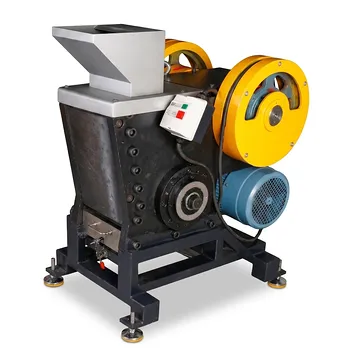
Heavy Duty Industrial Jaw Crusher for Primary Ore Crushing and High Capacity Mineral Material Size Reduction
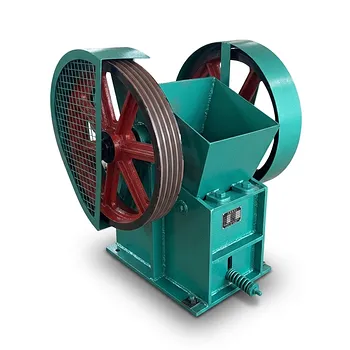
150x250mm Laboratory Jaw Crusher for Medium Hard Material Crushing and Sample Preparation
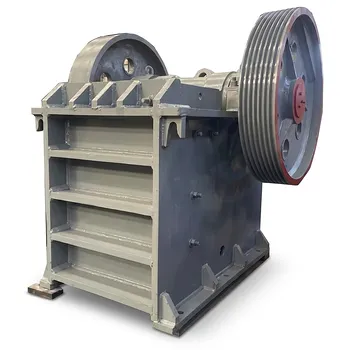
Heavy-Duty Jaw Crusher for Medium-Hard Ore and Industrial Mineral Crushing
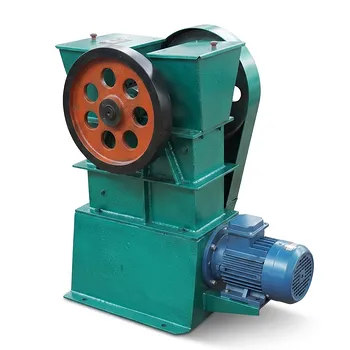
150×125mm Laboratory Jaw Crusher for Medium and Fine Crushing of Brittle Materials
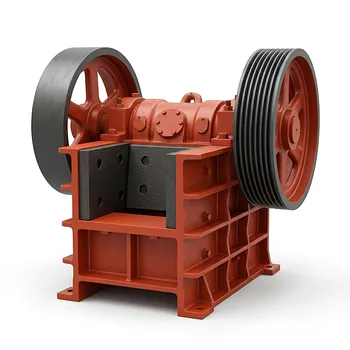
250x400 Jaw Crusher for Primary Crushing of Ores and Bulk Materials
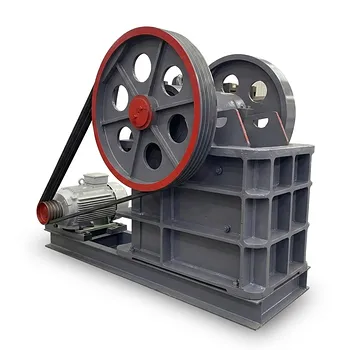
250x400mm Jaw Crusher Medium Crushing Equipment for Mining Mineral Sample Preparation
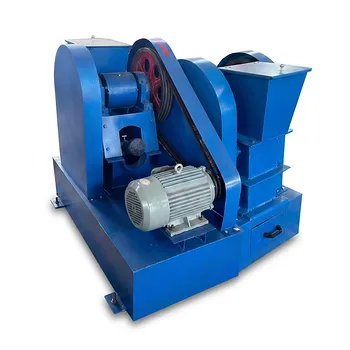
Horizontal Jaw Crusher Medium Hard Material Crushing Laboratory Sample Preparation Equipment
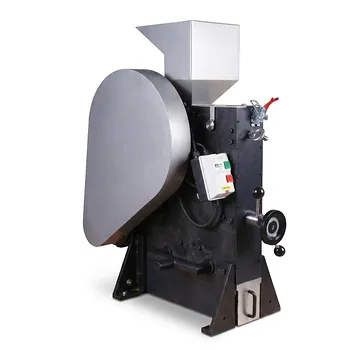
Heavy Duty Industrial Laboratory Jaw Crusher for Primary Sample Preparation and Hard Material Size Reduction
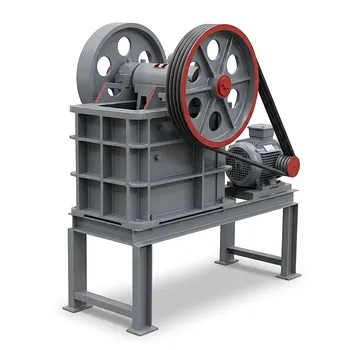
Laboratory Jaw Crusher 200x300mm Opening for Primary Crushing of Ores and Aggregates
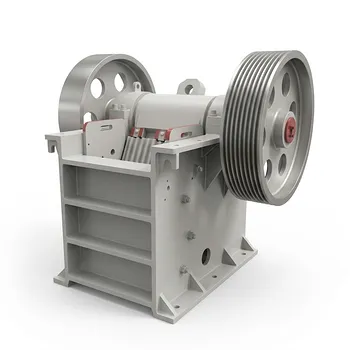
Jaw Crusher with 400x600mm Feed Opening for Primary Rock Crushing in Mining and Construction
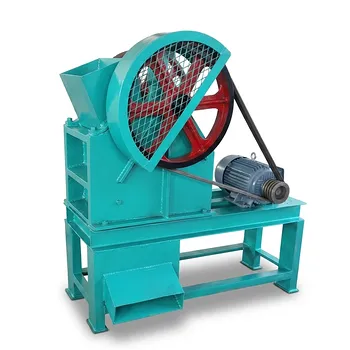
150x250mm Custom Laboratory Jaw Crusher for Coal Ore Mineral Crushing

Sealed Jaw Crusher for Laboratory Material Crushing and Sample Preparation
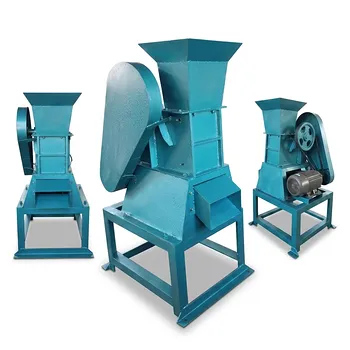
Custom Raised Height Laboratory Jaw Crusher for Precision Sample Preparation in Material Science
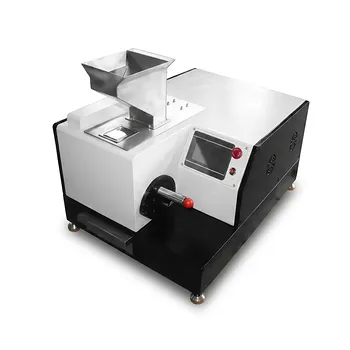
Experimental Jaw Crusher for Laboratory Ore Crushing and Sample Preparation
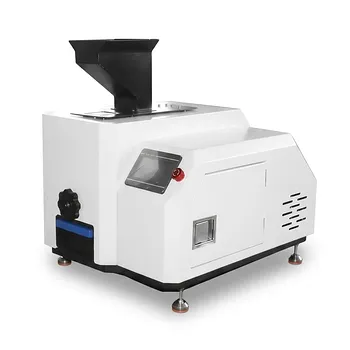
Laboratory Jaw Crusher 2025 Model for Ore and Brittle Material Crushing
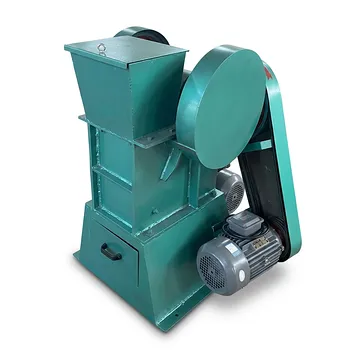
Small Laboratory Jaw Crusher 150x200mm Feed Opening for Sample Preparation and Medium Fine Crushing
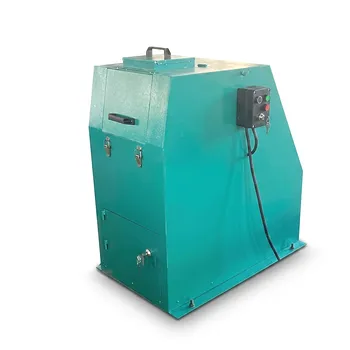
Environmentally Friendly Sealed Jaw Crusher for Laboratory Sample Preparation
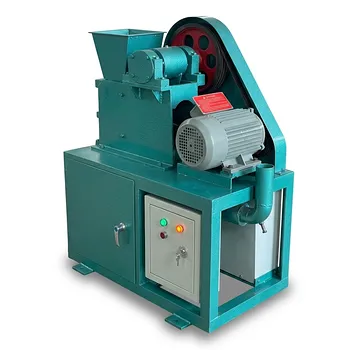
EP-B Type Sealed Jaw Crusher for Laboratory Sample Preparation
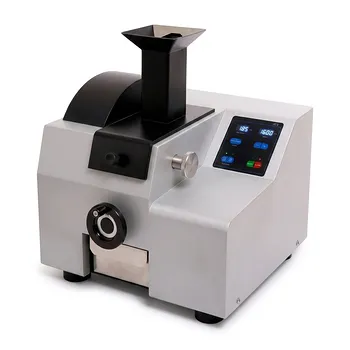
Laboratory Benchtop Jaw Crusher for Hard Brittle Materials Primary Size Reduction and Sample Preparation