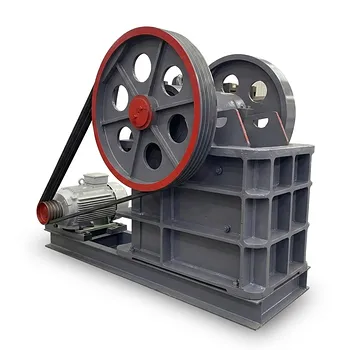
What is the primary function of a laboratory jaw crusher? Master Initial Hard Rock Ore Preparation & Feed Sizing
Updated 4 months ago
The primary function of a laboratory jaw crusher is the rapid, controlled reduction of large ore fragments into a standardized feed size. For hard rock ores like pegmatite or copper sulfide, it performs the initial "coarse" crushing stage, typically reducing raw material to a particle size below 3.36 mm. This precise size reduction is essential to prepare the material for secondary grinding and standardized laboratory testing.
The laboratory jaw crusher acts as the critical bridge between raw field samples and analytical testing. By utilizing compressive force to achieve a specific discharge size, it ensures the ore is physically prepared for accurate grinding work index evaluations and subsequent homogenization.
Establishing a Standardized Foundation
Preparation for Grinding Work Index Tests
The most critical role of the jaw crusher in a lab setting is preparing ore for Bond Work Index testing. Standardized protocols require a specific feed size distribution, often necessitating a discharge where 100% of the material passes through a 3.36 mm screen.
Ensuring Representative Sampling
By reducing large, heterogeneous lumps into smaller, uniform particles, the jaw crusher facilitates homogenization. This allows technicians to split the sample into smaller, representative portions that accurately reflect the mineralogy of the entire ore body.
Maintaining Feed Size Integrity
The laboratory jaw crusher is designed to provide a "qualified feed" for subsequent milling stages. If the initial crushing is inconsistent, the secondary fine grinding equipment will operate inefficiently, leading to skewed data in downstream mineral processing workflows.
The Mechanics of Hard Rock Reduction
Compressive Force in a V-Shaped Chamber
The device utilizes a movable jaw plate that exerts cyclic compressive force against a fixed plate within a V-shaped chamber. This mechanical pressure is ideal for hard, brittle ores like copper sulfide, which fracture easily under high-pressure "squeezing" motions.
Minimizing the Production of Fines
A primary technical advantage of the jaw crusher is its ability to control the discharge particle size without over-grinding. By minimizing the overproduction of ultra-fine particles ("fines"), the machine preserves the required size distribution necessary for standard grinding protocols.
Mechanical Durability for Hard Ores
Hard rock ores like pegmatite are highly abrasive and physically demanding. Laboratory-grade jaw crushers utilize hardened metal liners and robust drive systems to handle these materials without significant mechanical failure or excessive internal wear.
Understanding the Trade-offs
Limitations on Final Fineness
While excellent for primary reduction, a jaw crusher cannot achieve the ultra-fine powders required for chemical assays. It is strictly a preliminary tool and must be followed by a pulverizer or ball mill if a fine mesh size is needed.
Potential for Sample Contamination
The high-pressure contact between the ore and the metal jaw plates can introduce trace metallic contaminants (such as iron or chrome). If the goal is high-purity trace element analysis, operators must select jaw plates made of specialized materials like tungsten carbide or zirconia.
Capacity vs. Precision
Laboratory jaw crushers prioritize precision and cleanability over high-volume throughput. Unlike industrial crushers, these units are designed to be completely dismantled and cleaned between samples to prevent cross-contamination, which limits the speed of processing large batches.
How to Apply This to Your Project
Making the Right Choice for Your Goal
To maximize the efficiency of your ore preparation, consider your primary objective for the sample:
- If your primary focus is Grinding Work Index testing: Ensure the crusher's discharge gap is calibrated specifically to produce a 100% passing rate at 3.36 mm to meet standard protocol.
- If your primary focus is Geochemical Assay: Select high-purity jaw liners, such as manganese steel or ceramic, to prevent the introduction of iron or other interfering elements during the coarse crushing stage.
- If your primary focus is Pilot-Scale Throughput: Utilize a jaw crusher with a wider V-chamber to handle larger raw feed sizes (up to 10-15 cm) before moving to a secondary medium-crushing stage.
The laboratory jaw crusher remains the indispensable first step in turning raw geological samples into actionable metallurgical data.
Summary Table:
| Feature | Primary Laboratory Function |
|---|---|
| Core Mechanism | High-pressure compressive force in a V-shaped chamber |
| Primary Goal | Reducing large ore fragments to a standardized feed size (<3.36 mm) |
| Key Applications | Grinding Work Index evaluations and representative sampling |
| Material Handling | Brittle, hard, and abrasive ores (e.g., pegmatite, copper sulfide) |
| Process Benefit | Minimizes ultra-fine production while maintaining feed integrity |
Optimize Your Mineral Analysis with Professional Sample Prep
Achieving accurate geological data starts with precise sample reduction. We provide complete laboratory sample preparation solutions tailored for material science and mining research. Our specialized equipment range includes:
- Crushing & Grinding: High-durability jaw and roll crushers, liquid nitrogen cryogenic grinders, and high-energy mills (planetary ball, jet, and rotor mills).
- Sizing & Mixing: Precision vibratory/air-jet sieve shakers and advanced powder/defoaming mixers.
- Compaction Excellence: A full spectrum of hydraulic presses, including Cold/Warm Isostatic Presses (CIP/WIP), vacuum hot presses, and XRF pellet presses.
Whether you are preparing hard rock ores for Bond Work Index testing or seeking high-purity powders for chemical assays, our tools ensure consistency and durability.
Ready to enhance your lab's efficiency? Contact our technical team today to find the ideal processing solution for your materials!
References
- Wladmir José Gomes Florêncio, Vládia Cristina Gonçalves de Souza. The Effect of Particle Size Distribution on the BWI and Energy Consumption of Harder Ores. DOI: 10.4236/jmmce.2025.135015
Mentioned Products
- 150×125mm Laboratory Jaw Crusher for Medium and Fine Crushing of Brittle Materials
- 150x250mm Laboratory Jaw Crusher for Medium Hard Material Crushing and Sample Preparation
- Heavy Duty Industrial Laboratory Jaw Crusher for Primary Sample Preparation and Hard Material Size Reduction
- 150x250mm Custom Laboratory Jaw Crusher for Coal Ore Mineral Crushing
- Laboratory Jaw Crusher 200x300mm Opening for Primary Crushing of Ores and Aggregates
People Also Ask
- What is the role of a laboratory jaw crusher in the initial preparation of silicate-type low-grade copper ore?
- What is the primary role of a laboratory jaw crusher in the initial stages of tin and tantalum ore reprocessing? Explained
- Why is a laboratory jaw crusher necessary for processing biomass materials? Essential Prep for Material Science
- What is the primary function of a laboratory jaw crusher in the pretreatment process of galena ore? Initial Prep Guide
- What is the primary function of a laboratory jaw crusher when processing low-grade copper ore? Expert Guide

Tech Team · PowderPreparation
Last updated on Jun 03, 2026
Related Products
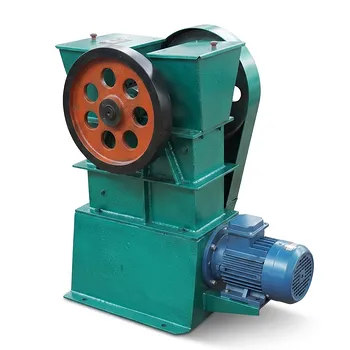
150×125mm Laboratory Jaw Crusher for Medium and Fine Crushing of Brittle Materials
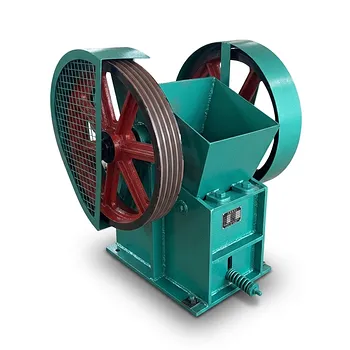
150x250mm Laboratory Jaw Crusher for Medium Hard Material Crushing and Sample Preparation
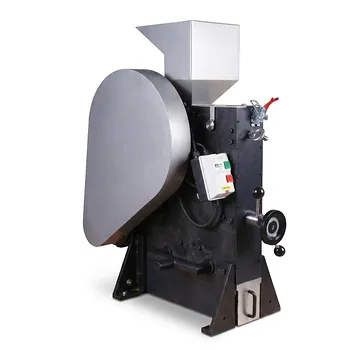
Heavy Duty Industrial Laboratory Jaw Crusher for Primary Sample Preparation and Hard Material Size Reduction
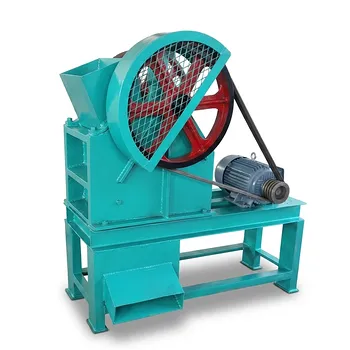
150x250mm Custom Laboratory Jaw Crusher for Coal Ore Mineral Crushing
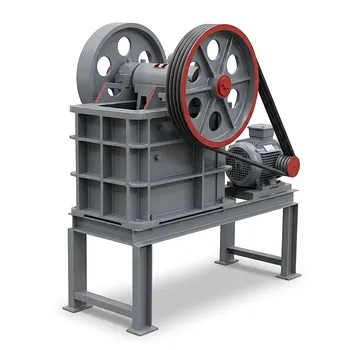
Laboratory Jaw Crusher 200x300mm Opening for Primary Crushing of Ores and Aggregates
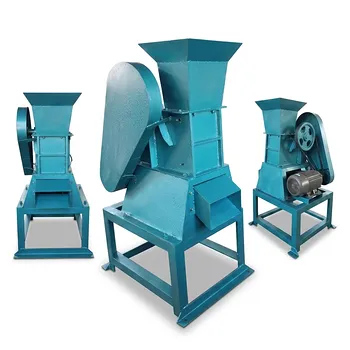
Custom Raised Height Laboratory Jaw Crusher for Precision Sample Preparation in Material Science
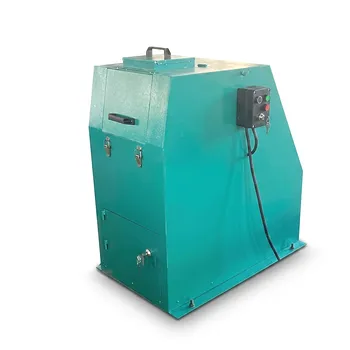
Environmentally Friendly Sealed Jaw Crusher for Laboratory Sample Preparation
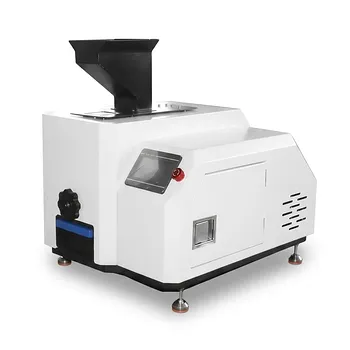
Laboratory Jaw Crusher 2025 Model for Ore and Brittle Material Crushing
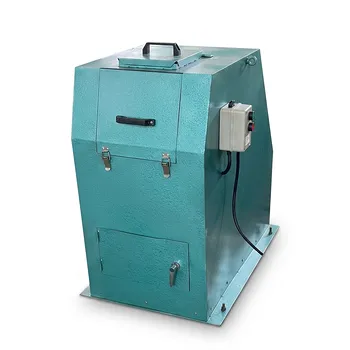
Environmentally Friendly Sealed Laboratory Jaw Crusher for Sample Preparation
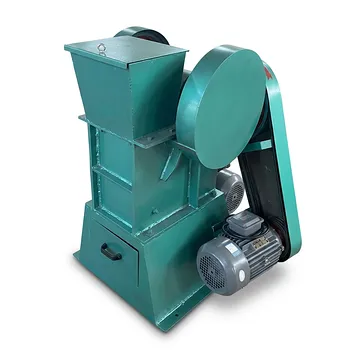
Small Laboratory Jaw Crusher 150x200mm Feed Opening for Sample Preparation and Medium Fine Crushing
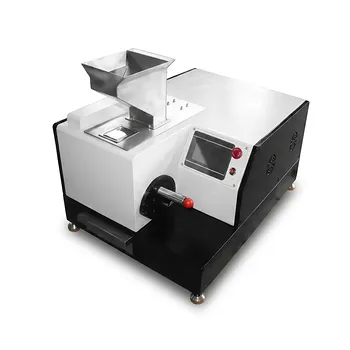
Experimental Jaw Crusher for Laboratory Ore Crushing and Sample Preparation
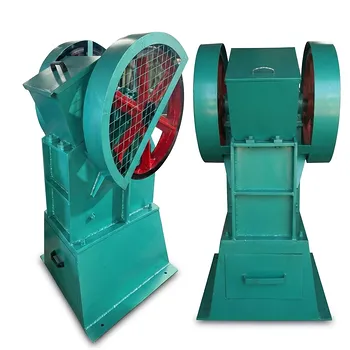
Sealed Jaw Crusher for Laboratory Material Crushing and Sample Preparation
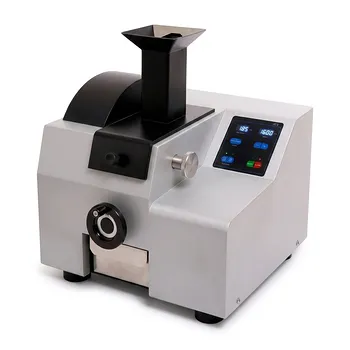
Laboratory Benchtop Jaw Crusher for Hard Brittle Materials Primary Size Reduction and Sample Preparation
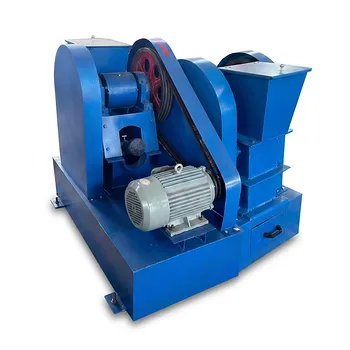
Horizontal Jaw Crusher Medium Hard Material Crushing Laboratory Sample Preparation Equipment
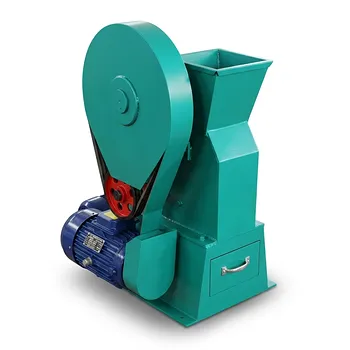
Small Laboratory Jaw Crusher 125x100mm Feed Opening for Sample Preparation
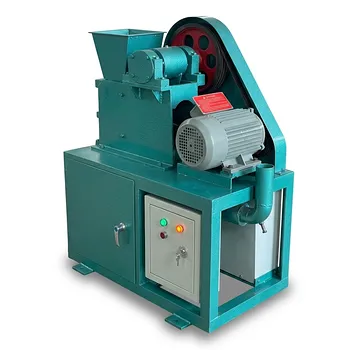
EP-B Type Sealed Jaw Crusher for Laboratory Sample Preparation
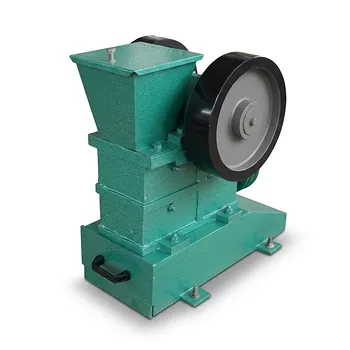
Laboratory Small Jaw Crusher 100x60mm
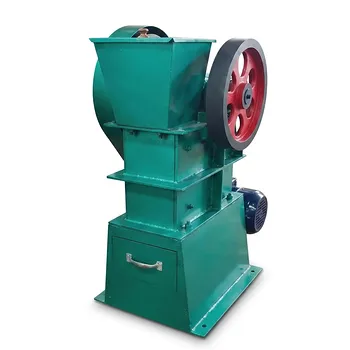
EP Series Small Jaw Crusher for Laboratory Sample Preparation
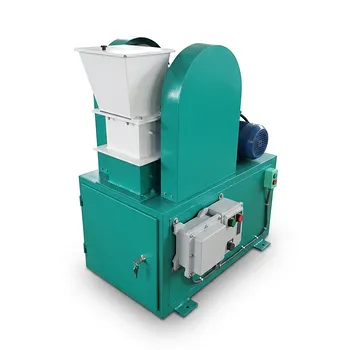
Custom Explosion-Proof Sealed Jaw Crusher for Laboratory and Industrial Sample Preparation