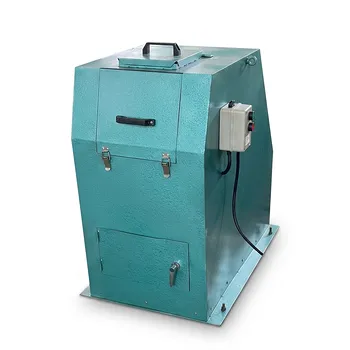
What is the primary function of a jaw crusher in pegmatite waste processing? Efficient Size Reduction for Lab Workflows
Updated 5 months ago
The primary function of a jaw crusher in pegmatite waste processing is mechanical size reduction through high-intensity compression.
It breaks down large, irregular raw ore into a controlled particle size suitable for subsequent processing stages. By transforming bulk waste into a qualified feed, it ensures that materials are prepared for precise screening and fine grinding in equipment like pebble mills.
Jaw crushers act as the critical gateway in material science workflows, utilizing compressive force to convert oversized pegmatite waste into a standardized feedstock. This process stabilizes the feed for secondary grinding while minimizing the overproduction of unwanted fines.
Mechanisms of Size Reduction in Pegmatite Processing
The Role of Compressive Force
A jaw crusher operates by utilizing a swing plate and a fixed plate to exert massive pressure on the raw material. This compression-based method is ideal for high-hardness materials like pegmatite, effectively fracturing the rock along its natural grain.
Achieving Particle Size Uniformity
The equipment allows for precise control over the discharge gap, which determines the maximum size of the output material. In material science applications, this ensures that the pegmatite waste is reduced to a specific range, often providing a uniform feed for laboratory-scale testing.
Downstream Implications for Material Science
Preparing Feed for Fine Grinding and Liberation
By reducing bulk waste to a manageable size—typically below 3.36 mm or even 2 mm—the jaw crusher prepares the material for secondary grinding. This step is essential for mineral liberation, allowing researchers to access specific components within the pegmatite matrix.
Minimizing Fines for Process Stability
One of the primary benefits of using a jaw crusher over other methods is the ability to minimize the overproduction of fines. Maintaining a strict particle size distribution is critical for the stability and repeatability of standard grinding protocols and work index tests.
Understanding the Trade-offs
Limitations in Fine Reduction
While jaw crushers are excellent for primary reduction, they cannot achieve ultra-fine particle sizes on their own. They are strictly a "coarse" or "intermediate" stage tool, requiring secondary mills to reach micron-level dimensions.
Material Abrasiveness and Wear
Pegmatite is notoriously abrasive, which can lead to significant wear on the jaw plates over time. Frequent inspection and the use of hardened alloy plates are necessary to prevent contamination of the sample and maintain consistent discharge sizes.
Selecting the Right Parameters for Your Project
Choosing the correct configuration for your jaw crusher depends on the specific goals of your material analysis or recycling workflow.
- If your primary focus is grinding work index testing: Set the discharge gap to strictly follow standard protocols (typically below 3.36 mm) to ensure the feed size distribution is valid for comparative analysis.
- If your primary focus is recycled aggregate production: Focus on maximizing throughput and achieving a standardized grain size (often less than 50 mm) suitable for construction-grade materials.
- If your primary focus is mineral concentration: Prioritize adjusting the handwheels to match the specific liberation size of the target minerals within the pegmatite waste.
Properly executed primary crushing is the foundation of any successful material science workflow, transforming raw waste into a predictable and high-quality industrial feedstock.
Summary Table:
| Key Feature | Primary Function | Impact on Material Science |
|---|---|---|
| Compressive Force | Fractures high-hardness pegmatite | Efficiently reduces large, irregular raw waste |
| Discharge Control | Adjusts output particle size | Standardizes feedstock for secondary grinding |
| Primary Reduction | Mechanical size reduction | Prepares material for mineral liberation |
| Fines Management | Minimizes overproduction of fines | Ensures stability and repeatability of tests |
Elevate Your Material Preparation with Professional Lab Solutions
Successful material science research begins with precise sample preparation. [Our Company Name] provides complete laboratory solutions tailored for powder processing and material compaction. Whether you are processing abrasive pegmatite waste or developing advanced ceramics, our equipment ensures high-quality results from primary crushing to final analysis.
Our specialized equipment includes:
- Crushing & Grinding: High-intensity jaw/roll crushers, liquid nitrogen cryogenic grinders, and advanced mills (planetary ball, jet, sand, disc, and rotor).
- Sizing & Mixing: Vibratory/air-jet sieve shakers and high-efficiency powder/defoaming mixers.
- Compaction & Pressing: A full spectrum of hydraulic presses, including Cold/Warm Isostatic Presses (CIP/WIP), standard lab presses, and vacuum hot presses.
Don't let inconsistent feed size compromise your research data. Contact our technical experts today to find the ideal equipment for your laboratory workflow!
References
- Gerson Ferreira da Silva, Defsson Douglas de Araújo Ferreira. Tecnological tests of the pegmatites waste at Alto Dois Irmãos/PB in the Borborema Pegmatitic Province/BPP. DOI: 10.1590/0370-44672023770055
Mentioned Products
- Heavy Duty Industrial Jaw Crusher for Primary Ore Crushing and High Capacity Mineral Material Size Reduction
- 150x250mm Laboratory Jaw Crusher for Medium Hard Material Crushing and Sample Preparation
- Heavy-Duty Jaw Crusher for Medium-Hard Ore and Industrial Mineral Crushing
- 150×125mm Laboratory Jaw Crusher for Medium and Fine Crushing of Brittle Materials
- 250x400 Jaw Crusher for Primary Crushing of Ores and Bulk Materials
People Also Ask
- What role does an industrial jaw crusher play in gangue slurry processing? Essential Primary Size Reduction Insights
- What is the function of an industrial jaw crusher in the primary processing of ironstone? Key to Efficient Reduction
- What is the role of industrial crushers and standard test sieves in biomass pyrolysis? Optimize Heat Transfer & Yield
- What is the function of a jaw crusher in reservoir sediment geopolymer synthesis? Primary Size Reduction Explained
- What is the role of jaw or roll crushers in the initial processing of copper ore samples? Essential Prep for Analysis

Tech Team · PowderPreparation
Last updated on May 14, 2026
Related Products
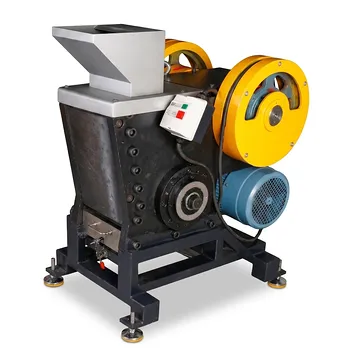
Heavy Duty Industrial Jaw Crusher for Primary Ore Crushing and High Capacity Mineral Material Size Reduction
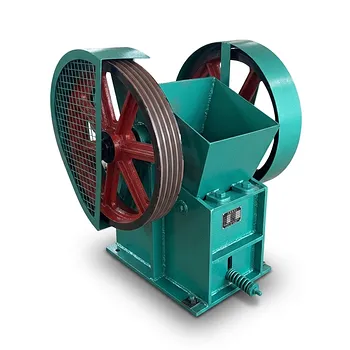
150x250mm Laboratory Jaw Crusher for Medium Hard Material Crushing and Sample Preparation
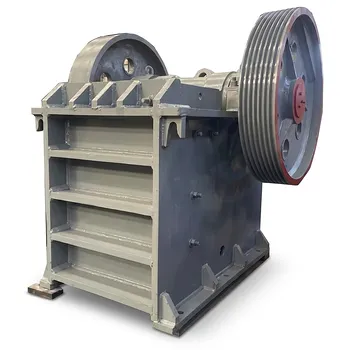
Heavy-Duty Jaw Crusher for Medium-Hard Ore and Industrial Mineral Crushing
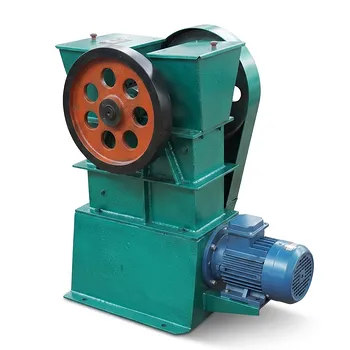
150×125mm Laboratory Jaw Crusher for Medium and Fine Crushing of Brittle Materials
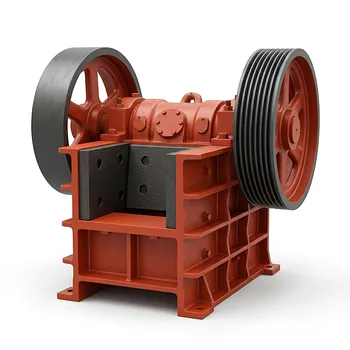
250x400 Jaw Crusher for Primary Crushing of Ores and Bulk Materials
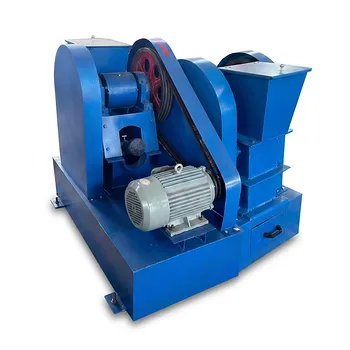
Horizontal Jaw Crusher Medium Hard Material Crushing Laboratory Sample Preparation Equipment
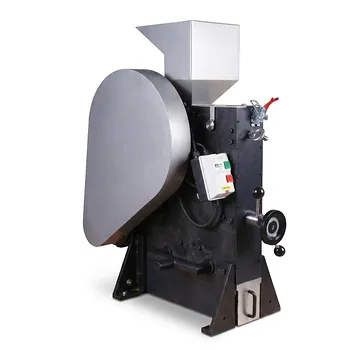
Heavy Duty Industrial Laboratory Jaw Crusher for Primary Sample Preparation and Hard Material Size Reduction
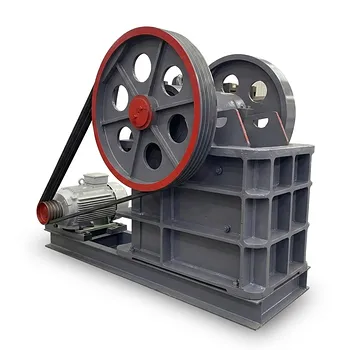
250x400mm Jaw Crusher Medium Crushing Equipment for Mining Mineral Sample Preparation
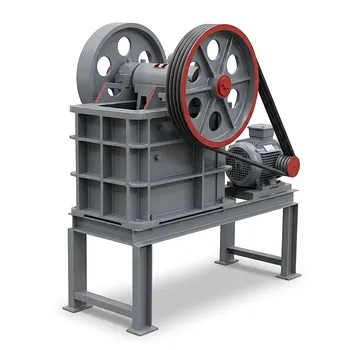
Laboratory Jaw Crusher 200x300mm Opening for Primary Crushing of Ores and Aggregates
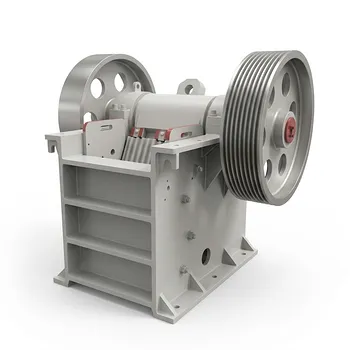
Jaw Crusher with 400x600mm Feed Opening for Primary Rock Crushing in Mining and Construction
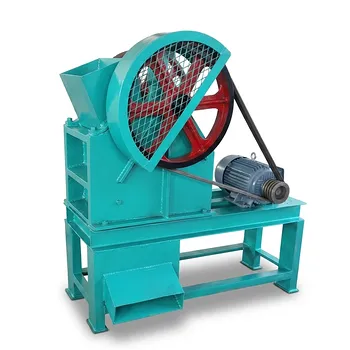
150x250mm Custom Laboratory Jaw Crusher for Coal Ore Mineral Crushing
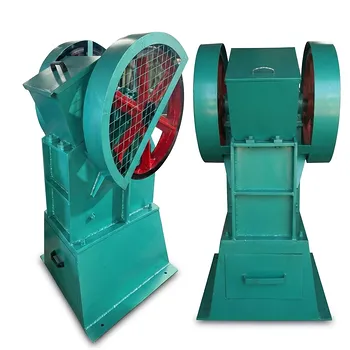
Sealed Jaw Crusher for Laboratory Material Crushing and Sample Preparation
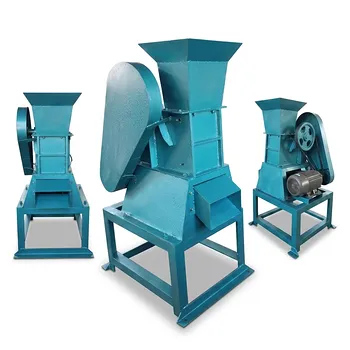
Custom Raised Height Laboratory Jaw Crusher for Precision Sample Preparation in Material Science
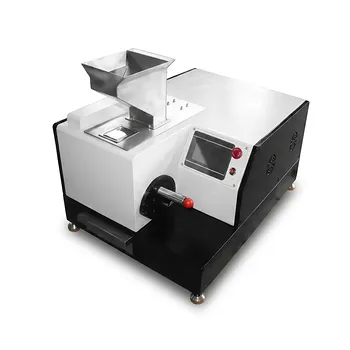
Experimental Jaw Crusher for Laboratory Ore Crushing and Sample Preparation
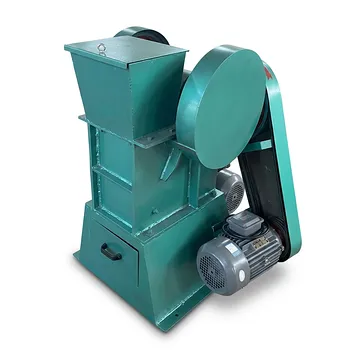
Small Laboratory Jaw Crusher 150x200mm Feed Opening for Sample Preparation and Medium Fine Crushing
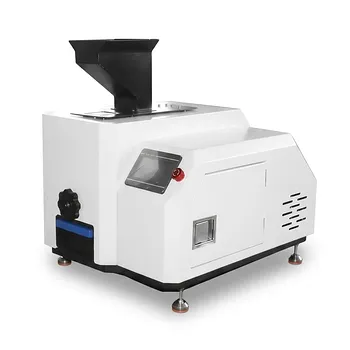
Laboratory Jaw Crusher 2025 Model for Ore and Brittle Material Crushing
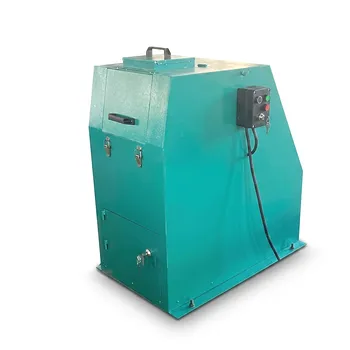
Environmentally Friendly Sealed Jaw Crusher for Laboratory Sample Preparation
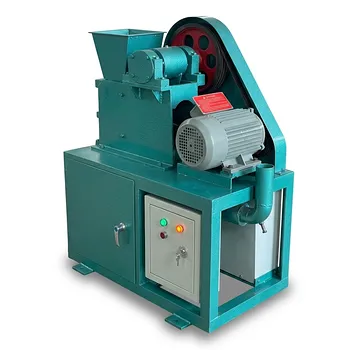
EP-B Type Sealed Jaw Crusher for Laboratory Sample Preparation
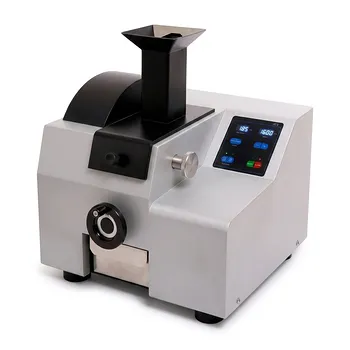
Laboratory Benchtop Jaw Crusher for Hard Brittle Materials Primary Size Reduction and Sample Preparation