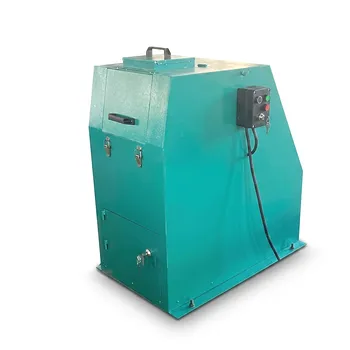
What is the primary function of a jaw crusher in RAC raw materials? Efficient Resource Recovery & Sample Preparation
Updated 5 months ago
The jaw crusher serves as the primary mechanical engine for resource recovery in the construction industry. Its fundamental function is to convert large-scale construction and demolition waste (CDW)—such as concrete slabs, beams, and columns—into usable recycled coarse aggregates through powerful mechanical compression. By reducing these fragments to standardized particle sizes, the jaw crusher transforms bulky waste into a viable, sustainable substitute for natural stone.
The jaw crusher acts as a critical front-end processing tool that utilizes mechanical extrusion to dissociate hardened concrete structures into manageable granules. This transformation is the essential first step in the "resource utilization" cycle, turning waste into a standardized raw material for new concrete production.
The Mechanics of Material Transformation
Mechanical Compression and Structural Dissociation
The jaw crusher operates by applying intense mechanical extrusion or alternating pressure between a fixed and a moving plate. This action effectively breaks the internal bonds of hardened concrete, roofing tiles, and ceramic fragments.
Precise Control of Particle Size
Operators can adjust the equipment's fixed discharge opening or crushing gap to meet specific project requirements. This allows for the production of coarse aggregates within preset ranges, such as 20mm to 40mm, which are necessary for standardized construction applications.
Primary Preparation for Secondary Processing
For complex recycling workflows, the jaw crusher serves as a pre-processing stage. It reduces massive waste volumes into particles of approximately 7 cm, ensuring a consistent feed dimension for subsequent fine grinding or specialized fiber recovery processes.
Strategic Role in the Recycling Workflow
Onsite Processing and Logistics Efficiency
One of the most significant advantages of the jaw crusher is its ability to perform onsite crushing. By processing waste at the demolition source, firms can significantly reduce material transportation costs and the carbon footprint associated with hauling bulky debris to landfills.
Creating Standardized Experimental Samples
In research and development environments, such as the creation of Self-Compacting Concrete (SCC), the jaw crusher is indispensable. It provides the controlled, repeatable aggregate grading required for physical property testing and high-performance concrete mix designs.
Facilitating Resource Circularity
Beyond simple waste reduction, the jaw crusher enables the production of Recycled Concrete Aggregate (RCA). This process bridges the gap between demolition and new construction, allowing high-strength or low-strength waste concrete to be reintegrated into the supply chain as a valuable asset.
Understanding Technical Trade-offs
Particle Shape and Surface Texture
While jaw crushers are highly efficient at primary size reduction, the mechanical extrusion process can sometimes produce elongated or flaky particles. These shapes may affect the workability of the resulting recycled concrete compared to the more cubical shapes produced by impact crushers.
Micro-Cracking and Structural Integrity
The intense pressure required to break old concrete can introduce micro-fractures within the recycled aggregate itself. These internal weaknesses must be accounted for during the mix design phase to ensure the final Recycled Aggregate Concrete (RAC) meets required strength specifications.
Equipment Wear and Maintenance
Processing demolition waste often involves encountering embedded contaminants like rebar or high-strength aggregates. This leads to significant wear on the crusher's jaw plates, requiring a robust maintenance schedule to ensure consistent output quality and machine longevity.
Implementation Strategies for Resource Recovery
How to Apply This to Your Project
Successful integration of jaw crushing into your workflow depends on aligning the equipment settings with your final material requirements.
- If your primary focus is Logistics Cost Reduction: Prioritize mobile, onsite jaw crushing units to minimize the volume of material that needs to be transported.
- If your primary focus is High-Performance RAC: Use the jaw crusher as a primary stage followed by a secondary impact crusher to improve the cubical shape and quality of the aggregates.
- If your primary focus is Laboratory Research: Closely monitor and document the crushing gap settings to ensure consistency across different experimental batches of recycled aggregate.
By mastering the primary crushing stage, you lay the technical foundation for a sustainable, circular approach to modern concrete construction.
Summary Table:
| Key Function | Core Action | Primary Benefit |
|---|---|---|
| Structural Dissociation | Mechanical Extrusion | Breaks internal bonds of concrete & ceramic waste |
| Size Control | Adjustable Discharge | Produces standardized aggregates (e.g., 20mm-40mm) |
| Pre-Processing | Volume Reduction | Prepares bulky waste for fine grinding or recovery |
| Research Accuracy | Controlled Grading | Provides repeatable samples for SCC & mix designs |
| Logistics Efficiency | Onsite Crushing | Reduces transportation costs & carbon footprint |
Elevate Your Material Research with Professional Sample Prep Solutions
At our core, we provide complete laboratory sample preparation solutions tailored for material science and resource recovery research. Specializing in high-performance powder processing and compaction equipment, we help you transform raw waste into high-quality research assets.
Our extensive product range includes:
- Crushing & Grinding: Precision jaw/roll crushers, liquid nitrogen cryogenic grinders, and planetary ball/jet/rotor mills.
- Sieving & Mixing: Vibratory/air-jet sieve shakers and advanced powder/defoaming mixers.
- Advanced Compaction: A full spectrum of hydraulic presses, including Cold/Warm Isostatic Presses (CIP/WIP), vacuum hot presses, and XRF pellet presses.
Whether you are optimizing Recycled Aggregate Concrete (RAC) or developing advanced powders, our equipment ensures the structural integrity and consistency your projects demand.
Contact our technical team today to optimize your laboratory workflow!
References
- Antonio Brencich, Farhad Ali Akbari Hamed. Structural Concrete from 100% Recycled Aggregates. DOI: 10.3390/app142411709
Mentioned Products
- Heavy Duty Industrial Jaw Crusher for Primary Ore Crushing and High Capacity Mineral Material Size Reduction
- 150x250mm Laboratory Jaw Crusher for Medium Hard Material Crushing and Sample Preparation
- 150×125mm Laboratory Jaw Crusher for Medium and Fine Crushing of Brittle Materials
- Heavy-Duty Jaw Crusher for Medium-Hard Ore and Industrial Mineral Crushing
- 250x400 Jaw Crusher for Primary Crushing of Ores and Bulk Materials
People Also Ask
- What role does an industrial jaw crusher play in gangue slurry processing? Essential Primary Size Reduction Insights
- What is the function of an industrial jaw crusher in the primary processing of ironstone? Key to Efficient Reduction
- What is the role of industrial crushers and standard test sieves in biomass pyrolysis? Optimize Heat Transfer & Yield
- What is the function of a jaw crusher in reservoir sediment geopolymer synthesis? Primary Size Reduction Explained
- What is the role of jaw or roll crushers in the initial processing of copper ore samples? Essential Prep for Analysis

Tech Team · PowderPreparation
Last updated on May 14, 2026
Related Products
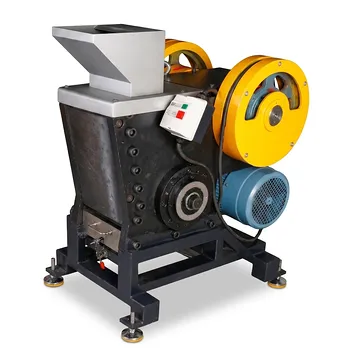
Heavy Duty Industrial Jaw Crusher for Primary Ore Crushing and High Capacity Mineral Material Size Reduction
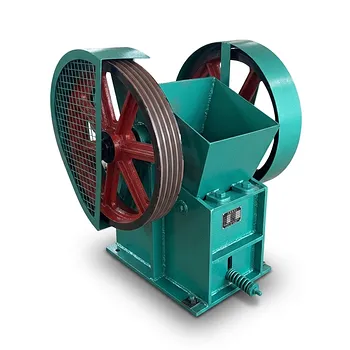
150x250mm Laboratory Jaw Crusher for Medium Hard Material Crushing and Sample Preparation
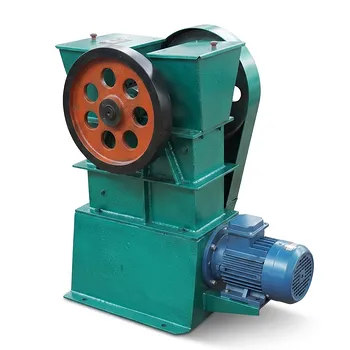
150×125mm Laboratory Jaw Crusher for Medium and Fine Crushing of Brittle Materials
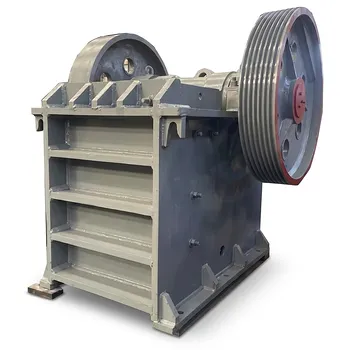
Heavy-Duty Jaw Crusher for Medium-Hard Ore and Industrial Mineral Crushing
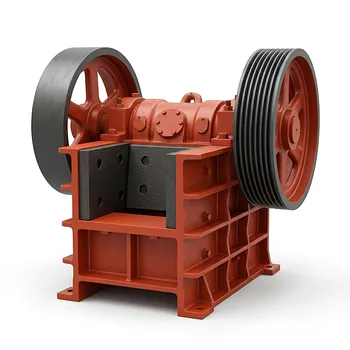
250x400 Jaw Crusher for Primary Crushing of Ores and Bulk Materials
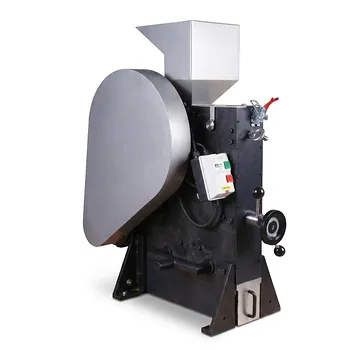
Heavy Duty Industrial Laboratory Jaw Crusher for Primary Sample Preparation and Hard Material Size Reduction
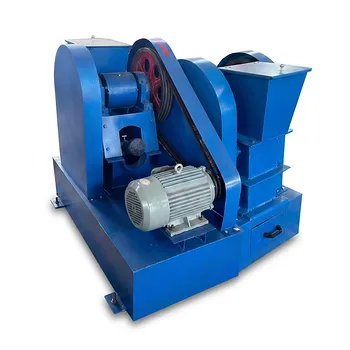
Horizontal Jaw Crusher Medium Hard Material Crushing Laboratory Sample Preparation Equipment
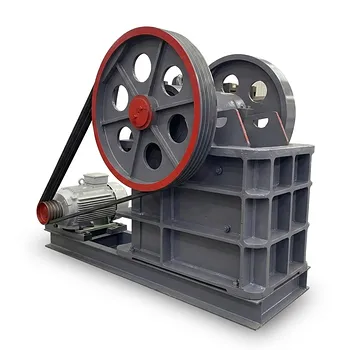
250x400mm Jaw Crusher Medium Crushing Equipment for Mining Mineral Sample Preparation
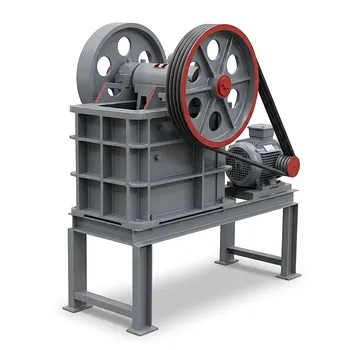
Laboratory Jaw Crusher 200x300mm Opening for Primary Crushing of Ores and Aggregates
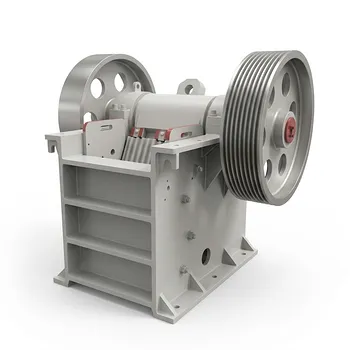
Jaw Crusher with 400x600mm Feed Opening for Primary Rock Crushing in Mining and Construction
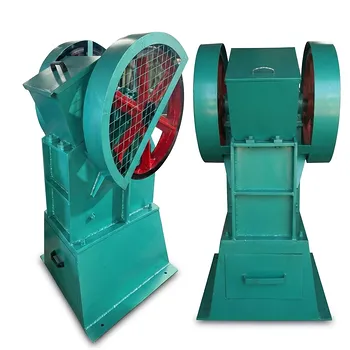
Sealed Jaw Crusher for Laboratory Material Crushing and Sample Preparation
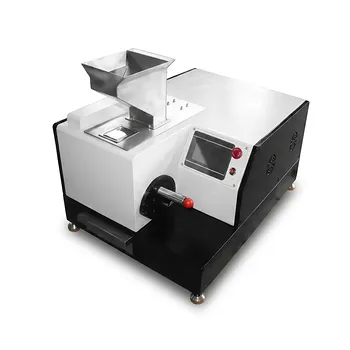
Experimental Jaw Crusher for Laboratory Ore Crushing and Sample Preparation
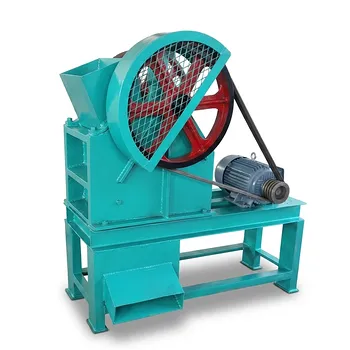
150x250mm Custom Laboratory Jaw Crusher for Coal Ore Mineral Crushing
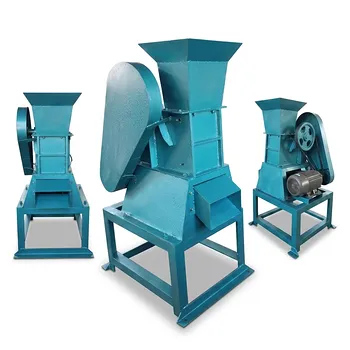
Custom Raised Height Laboratory Jaw Crusher for Precision Sample Preparation in Material Science
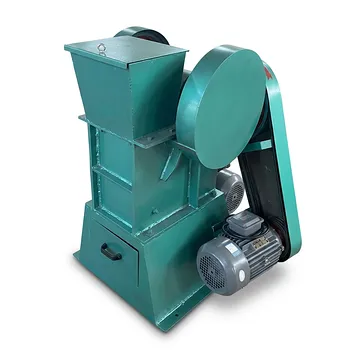
Small Laboratory Jaw Crusher 150x200mm Feed Opening for Sample Preparation and Medium Fine Crushing
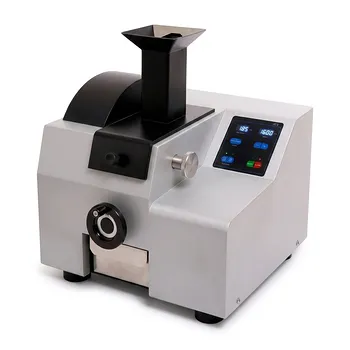
Laboratory Benchtop Jaw Crusher for Hard Brittle Materials Primary Size Reduction and Sample Preparation
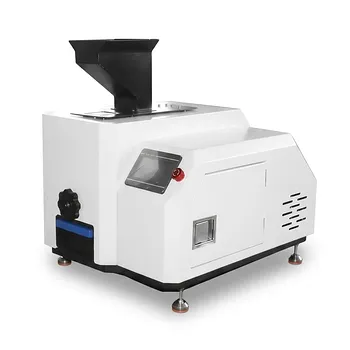
Laboratory Jaw Crusher 2025 Model for Ore and Brittle Material Crushing
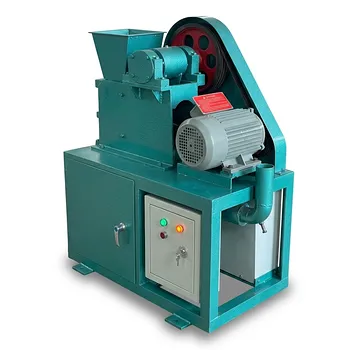
EP-B Type Sealed Jaw Crusher for Laboratory Sample Preparation
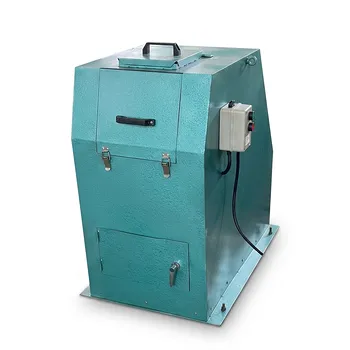
Environmentally Friendly Sealed Laboratory Jaw Crusher for Sample Preparation