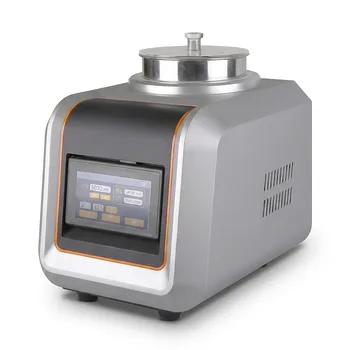
Why are vibratory sieve shakers essential for waste glass modified bricks? Optimize Material Quality
Updated 4 months ago
Vibratory sieve shakers are the primary tool for ensuring the structural integrity of waste glass modified clay bricks by eliminating oversized particles and standardizing the material gradation. These machines use high-frequency mechanical vibration to sort ground glass and clay into precise size fractions, such as removing particles larger than 600μm. This level of control is essential to prevent localized stress points and ensure a uniform distribution of glass throughout the clay matrix during the sintering process.
Core Takeaway: Vibratory sieve shakers provide the precise particle size distribution required to optimize microstructural density and chemical reactivity, directly resulting in higher compressive strength and reduced structural defects in modified clay bricks.
The Impact of Particle Size on Microstructural Density
Eliminating Localized Stress Concentrations
Oversized glass particles within a clay brick act as "inclusion defects" that can cause cracking during the high-temperature sintering process. Vibratory sieve shakers remove these large fragments, ensuring that the glass powder is fine enough to integrate seamlessly into the clay. This uniform distribution prevents the formation of internal voids and stress zones that would otherwise compromise the brick's durability.
Optimizing Material Packing Density
The strength of a brick is largely determined by its packing density, or how closely the particles fit together. By using a shaker to grade glass into specific ranges—such as less than 75 μm or 75–150 μm—manufacturers can create a "skeleton" of materials that fill microscopic gaps. This precise classification leads to a denser final product with significantly improved mechanical performance.
Enhancing Chemical Reactivity and Sintering Quality
Maximizing Surface Area for Reactivity
Fine glass powder, particularly fractions less than 75 μm, has a higher surface area that increases its chemical reactivity during firing. The sieve shaker ensures that the glass acts effectively as a fluxing agent, promoting better bonding between clay particles. This enhanced reactivity is vital for achieving the high compressive strength required for industrial-grade construction materials.
Controlling Shrinkage and Deformation
Uneven particle sizes lead to inconsistent thermal expansion and contraction, which causes bricks to warp or shrink unevenly. Precise particle size control guarantees that the powder entering the kiln has a consistent size range, leading to predictable shrinkage. This consistency is critical for maintaining the dimensional accuracy and aesthetic quality of the finished bricks.
Ensuring Production Consistency and Data Accuracy
Generating Precise Gradation Curves
Vibratory sieve shakers allow researchers and manufacturers to generate accurate particle size distribution curves. These curves provide the quantitative data necessary to adjust processing parameters and ensure that every batch of raw material meets the required specification. Without this data, the production of modified bricks becomes a matter of guesswork rather than science.
Maintaining Repeatability Across Batches
Waste glass varies significantly in its initial crushed state; a sieve shaker standardizes this variable input. By using high-precision stainless steel meshes, manufacturers ensure that the strengthening effects of the glass additives are repeatable across thousands of production cycles. This reliability is what allows waste glass modified bricks to meet strict building code standards.
Understanding the Trade-offs and Limitations
Sieve Blinding and Material Loss
One common challenge with vibratory sieving is "blinding," where fine particles become lodged in the mesh, reducing efficiency. While high-frequency vibration helps clear these openings, extremely fine or moist clay can still cause clogs that require frequent maintenance. Over-processing materials can also lead to an excess of "fines," which may negatively impact the porosity and breathability of certain brick types.
Equipment Calibration and Mesh Wear
The accuracy of the gradation depends entirely on the integrity of the test sieves. Over time, the mechanical vibration and the abrasive nature of crushed glass can wear down the mesh openings, leading to "oversized" particles passing through. Regular calibration and replacement of sieves are necessary costs to maintain the "Trusted Technical Advisor" level of quality control.
How to Apply Particle Control to Your Project
To achieve the best results when incorporating waste glass into clay brick production, your approach to sieving should be dictated by your specific performance goals.
- If your primary focus is maximum compressive strength: Utilize a vibratory shaker to isolate glass powders smaller than 75 μm to maximize chemical reactivity and packing density.
- If your primary focus is reducing production waste: Use a multi-stack sieve configuration to categorize crushed glass into various usable grades (e.g., 150-300 μm and <75 μm) for different product lines.
- If your primary focus is dimensional stability: Prioritize the removal of all particles above 600 μm to ensure uniform thermal expansion and prevent warping during the sintering phase.
Strict adherence to vibratory sieve analysis transforms waste glass from a variable contaminant into a high-performance additive for superior masonry products.
Summary Table:
| Particle Size Range | Primary Function | Impact on Brick Quality |
|---|---|---|
| < 75 μm | Maximizes chemical reactivity | Increases compressive strength & bonding |
| 75–150 μm | Optimizes packing density | Improves microstructural density & reduces voids |
| > 600 μm | Eliminates inclusion defects | Prevents localized stress & cracking during sintering |
| Consistent Gradation | Standardizes batch production | Ensures dimensional accuracy & repeatable results |
Elevate Your Material Science Research with Precision Equipment
Achieving superior mechanical performance in waste glass modified clay bricks requires absolute control over particle distribution. At [Your Brand Name], we provide complete laboratory sample preparation solutions tailored for advanced material science and powder processing.
Our extensive equipment line ensures your raw materials meet the most rigorous standards:
- Size Reduction: High-performance crushers (jaw/roll) and a variety of mills (planetary ball, jet, sand/bead, disc, rotor) for perfect grinding.
- Particle Classification: Precision vibratory and air-jet sieve shakers with high-quality test sieves to eliminate defects.
- Material Compaction: A full spectrum of hydraulic presses, including Cold/Warm Isostatic Presses (CIP/WIP), vacuum hot presses, and standard lab presses for high-density pelletizing.
- Advanced Mixing: Specialized powder and defoaming mixers for uniform material distribution.
Whether you are refining industrial construction materials or conducting specialized lab research, our experts are ready to help you select the right equipment for your workflow. Contact us today to optimize your lab's efficiency!
References
- Kai Ying Chew, Maliza Ismail Jamail. Valorisation of Waste Glass in Eco-friendly Clay Brick: Influence on Physico-mechanical Properties and Water Absorption. DOI: 10.24191/mjcet.v8i2.8542
Mentioned Products
- Vibratory Sieve Shaker Electromagnetic 3D Motion Powder Particle Size Analyzer for Dry and Wet Sieving
- Laboratory Dry and Wet Three Dimensional Vibratory Sieve Shaker for Particle Analysis
- Stainless Steel Laboratory Vibratory Test Sieve Shaker
- Heavy Duty Dry Three Dimensional Vibratory Sieve Shaker for Particle Separation
- Dry Three Dimensional Vibratory Sieve Shaker
People Also Ask
- How does a vibratory sieve shaker contribute to optimizing the performance of activated carbon? Enhance Adsorption Precision
- Why is a laboratory vibratory sieve shaker necessary for processing magnesium-based borate precursor powders? Boost Activity
- Why use a vibratory sieve shaker to verify coarse aggregate grading in rubberized concrete? Ensure Structural Integrity
- What function do vibratory sieve shakers and standard test sieves serve in the preparation of adsorbents? Key Guide
- What role does a vibratory sieve shaker play in the particle size analysis of ground corn products? Enhance QC Precision

Tech Team · PowderPreparation
Last updated on Jun 03, 2026
Related Products
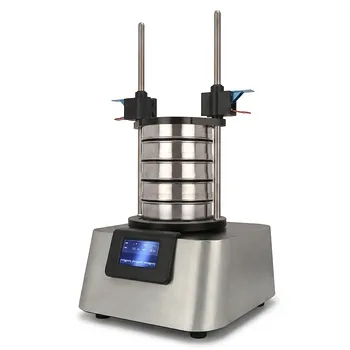
Vibratory Sieve Shaker Electromagnetic 3D Motion Powder Particle Size Analyzer for Dry and Wet Sieving
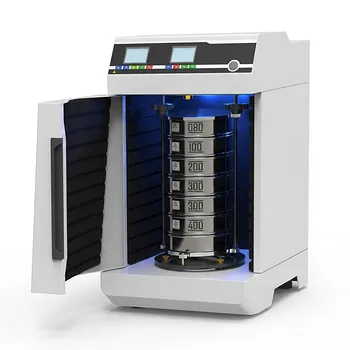
Laboratory Dry and Wet Three Dimensional Vibratory Sieve Shaker for Particle Analysis
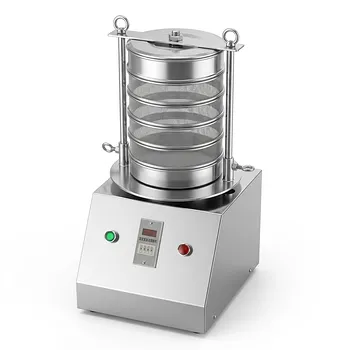
Stainless Steel Laboratory Vibratory Test Sieve Shaker
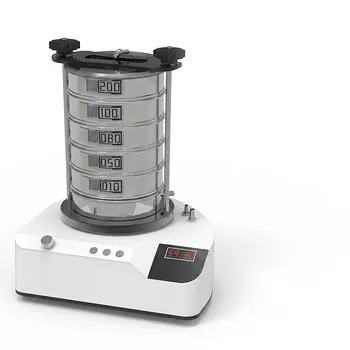
Heavy Duty Dry Three Dimensional Vibratory Sieve Shaker for Particle Separation
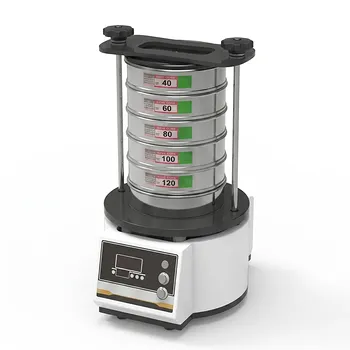
Dry Three Dimensional Vibratory Sieve Shaker
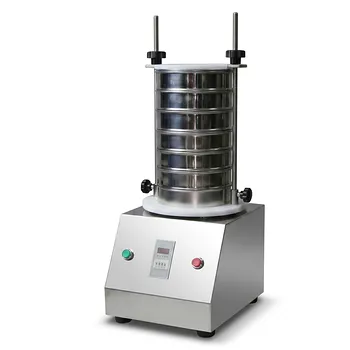
Small Laboratory Vibratory Sieve Shaker for Powder Gradation and Particle Size Analysis
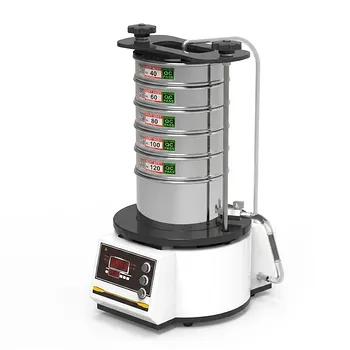
High Frequency Wet Three-Dimensional Vibrating Sieve Shaker for Dry and Wet Particle Size Analysis
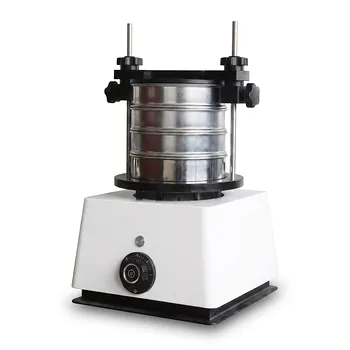
Small Laboratory Vibrating Sieve Shaker for Precise Particle Size Analysis
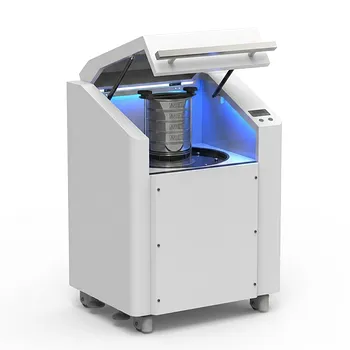
High Frequency Cabinet Type Three-Dimensional Rotary Vibrating Sieve Shaker for Dry Sieving and Particle Classification
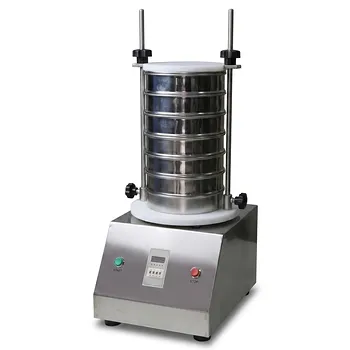
Laboratory Vibratory Test Sieve Shaker for Precision Particle Size Analysis and Powder Grading
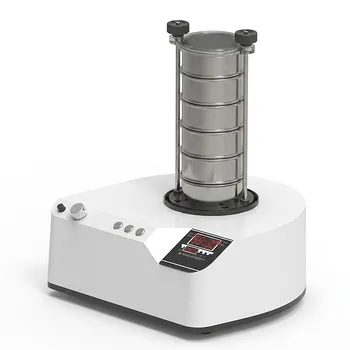
三维电磁微量振动筛分仪
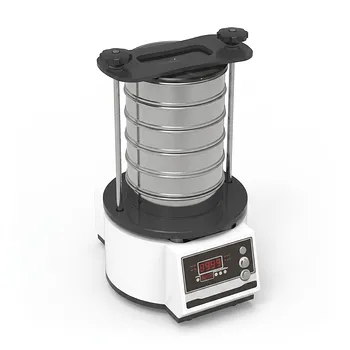
Tapping Oscillating Sieve Shaker for Dry and Wet Particle Size Analysis
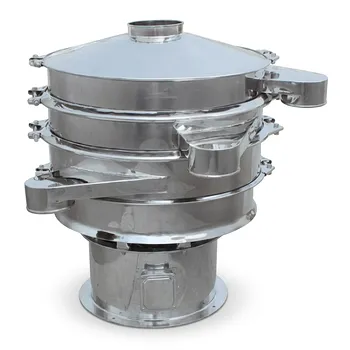
Stainless Steel Rotary Vibrating Sieve High Precision Circular Vibratory Separator Industrial Powder Grading Machine Multi Layer Sifting Equipment
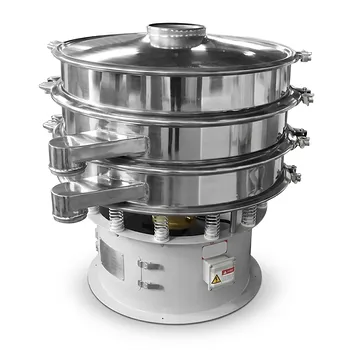
Three Dimensional Rotary Vibrating Sieve
Small Vibrating Ultrafine Grinder for Traditional Chinese Medicine
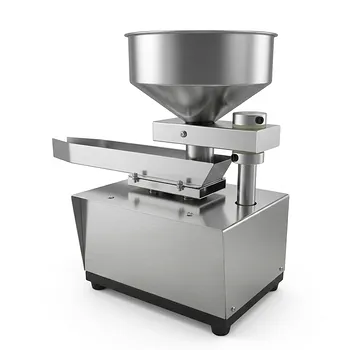
Automatic Vibrating Powder Feeder for Laboratory Material Processing Precision Vibratory Hopper Feeder for Granular and Powder Material Handling Industrial Grade Vibrating Tray Feeder for Consistent Material Sample Preparation
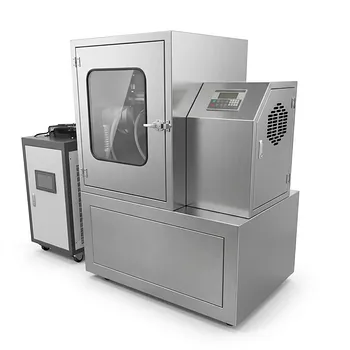
Vibratory Superfine Grinder for Ultra Fine Laboratory Powder Milling
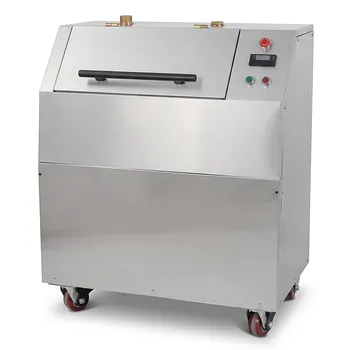
Vibratory Disc Mill for Rapid Fine Grinding and High Throughput Sample Preparation of Hard and Brittle Materials