Why are vibratory sieve shakers needed for perlite fineness modulus? Ensure accurate grading & material performance.
Updated 5 months ago
Vibratory sieve shakers and testing sieves are essential because they provide the mechanical precision required to separate expanded perlite into distinct size fractions. This process allows for the calculation of the fineness modulus, a metric that dictates the packing density and structural integrity of lightweight aggregate mixtures. Without these tools, manual separation is inconsistent, leading to inaccurate data and compromised material performance.
The combination of vibratory shakers and standard sieves ensures a thorough, repeatable separation of perlite particles. This data is critical for determining the fineness modulus, which allows engineers to optimize particle packing density and predict the final strength of the mortar matrix.
Achieving Precision through Mechanical Separation
The Role of Controlled Vibration
A vibratory sieve shaker utilizes mechanical energy to ensure that perlite particles flow and stratify effectively through a stack of sieves. Because expanded perlite is exceptionally lightweight, manual agitation is often insufficient to overcome surface friction between particles.
Mechanical vibration forces the material to move continuously, ensuring every particle has multiple opportunities to pass through the sieve apertures. This results in a highly accurate classification of fine and coarse aggregates.
Standardizing the Grading Process
Standard testing sieves provide a fixed, regulated environment for particle size distribution analysis. By using a stack of sieves with varying mesh sizes, technicians can precisely define the particle size distribution (grading) of the perlite.
This standardization is necessary to meet specific engineering requirements, such as BS 882. Consistent grading ensures that the raw materials will behave predictably when mixed into concrete or mortar.
Calculating and Utilizing the Fineness Modulus
Cumulative Residue Analysis
The fineness modulus is derived by calculating the cumulative percentage of residue retained on each sieve level. This single numerical value acts as a critical indicator of the material's overall coarseness or fineness.
Accurate sieving data reflects the "roughness" of the material. This measurement is the foundation for determining how the perlite will interact with other components in a mixture.
Predicting Structural Performance
Determining the fineness modulus allows producers to predict the packing density of the lightweight aggregates. When particles are graded correctly, smaller grains fill the voids between larger ones.
This optimization reduces the amount of cement paste demand and increases the density of the final hardened material. High-precision sieving ensures the mortar matrix achieves the desired flowability and structural strength.
Understanding the Trade-offs: Material Fragility
The Risk of Particle Degradation
Expanded perlite is a highly porous and relatively fragile material. Excessive vibration time or intensity in a shaker can cause particle attrition, where the perlite breaks down into smaller fragments during the test.
This degradation can result in a fineness modulus that appears lower than the actual material in the bulk pile. It is critical to balance the need for thorough separation with the physical limitations of the aggregate.
Maintenance and Calibration
Standard test sieves must be regularly inspected for mesh blinding or deformation. Even slight changes in aperture size can skew the fineness modulus calculation, leading to incorrect mix designs and potential structural failures in the field.
How to Apply This to Your Project
Identifying the correct equipment and methodology depends on your specific quality control goals.
- If your primary focus is Mix Design Optimization: Use a high-precision vibratory shaker to maximize packing density and reduce cement costs by filling internal voids efficiently.
- If your primary focus is Regulatory Compliance: Ensure your testing sieves are calibrated to international standards to provide comparable and defensible gradation curves.
- If your primary focus is Material Durability: Monitor vibration intervals strictly to prevent the mechanical breakdown of fragile perlite particles during the sieving process.
Precise sieving is the only way to transform raw expanded perlite into a predictable, high-performance engineering component.
Summary Table:
| Feature | Role in Perlite Analysis | Benefit to Final Material |
|---|---|---|
| Mechanical Vibration | Overcomes surface friction & particle stratification | Highly accurate particle size classification |
| Standard Testing Sieves | Provides regulated environment for size distribution | Ensures compliance with standards like BS 882 |
| Fineness Modulus Calculation | Measures cumulative residue on each sieve level | Predicts packing density & structural integrity |
| Controlled Intensity | Prevents mechanical breakdown of fragile perlite | Maintains data integrity by reducing particle attrition |
Achieve Unmatched Precision in Material Analysis
At [Brand Name], we provide complete laboratory sample preparation solutions tailored for material science. Whether you are calculating the fineness modulus for expanded perlite or processing complex powders, our equipment ensures accuracy and repeatability.
Our extensive product lines include:
- Sieving & Grading: High-precision vibratory and air-jet sieve shakers with a full range of test sieves and meshes.
- Milling & Grinding: Planetary ball mills, jet mills, disc mills, and liquid nitrogen cryogenic grinders.
- Crushing: Industrial-grade jaw and roll crushers.
- Compaction & Pressing: A full spectrum of hydraulic presses, including Cold/Warm Isostatic Presses (CIP/WIP), XRF pellet presses, and vacuum hot presses.
Ready to optimize your laboratory workflows and enhance your material performance?
Contact our experts today to find the perfect solution for your specific application requirements!
References
- Matías Leyton-Vergara, Jeremy Piggot-Navarrete. Influence of Granulometry on Thermal and Mechanical Properties of Cement Mortars Containing Expanded Perlite as a Lightweight Aggregate. DOI: 10.3390/ma12234013
Mentioned Products
- Vibratory Sieve Shaker Electromagnetic 3D Motion Powder Particle Size Analyzer for Dry and Wet Sieving
- Small Laboratory Vibratory Sieve Shaker for Powder Gradation and Particle Size Analysis
- Heavy Duty Dry Three Dimensional Vibratory Sieve Shaker for Particle Separation
- Laboratory Dry and Wet Three Dimensional Vibratory Sieve Shaker for Particle Analysis
- Stainless Steel Laboratory Vibratory Test Sieve Shaker
People Also Ask
- How does a vibratory sieve shaker contribute to optimizing the performance of activated carbon? Enhance Adsorption Precision
- Why is a laboratory vibratory sieve shaker necessary for processing magnesium-based borate precursor powders? Boost Activity
- Why use a vibratory sieve shaker to verify coarse aggregate grading in rubberized concrete? Ensure Structural Integrity
- What function do vibratory sieve shakers and standard test sieves serve in the preparation of adsorbents? Key Guide
- What role does a vibratory sieve shaker play in the particle size analysis of ground corn products? Enhance QC Precision

Tech Team · PowderPreparation
Last updated on May 14, 2026
Related Products

Vibratory Sieve Shaker Electromagnetic 3D Motion Powder Particle Size Analyzer for Dry and Wet Sieving

Small Laboratory Vibratory Sieve Shaker for Powder Gradation and Particle Size Analysis

Heavy Duty Dry Three Dimensional Vibratory Sieve Shaker for Particle Separation
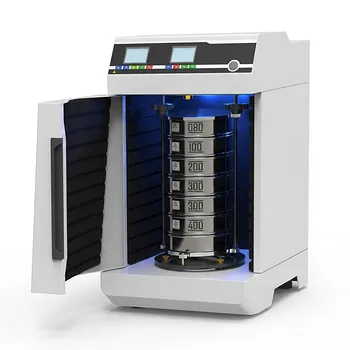
Laboratory Dry and Wet Three Dimensional Vibratory Sieve Shaker for Particle Analysis
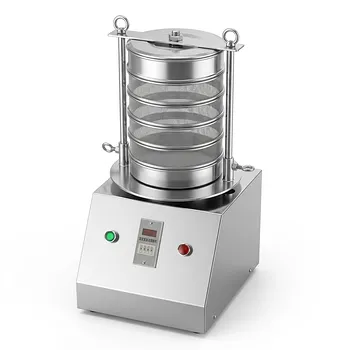
Stainless Steel Laboratory Vibratory Test Sieve Shaker

Laboratory Vibratory Test Sieve Shaker for Precision Particle Size Analysis and Powder Grading

Dry Three Dimensional Vibratory Sieve Shaker

Small Laboratory Vibrating Sieve Shaker for Precise Particle Size Analysis
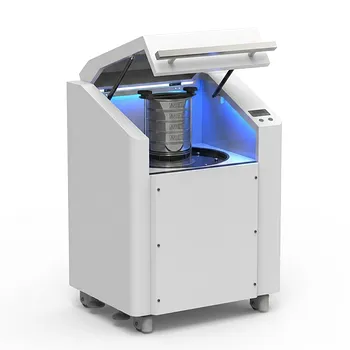
High Frequency Cabinet Type Three-Dimensional Rotary Vibrating Sieve Shaker for Dry Sieving and Particle Classification
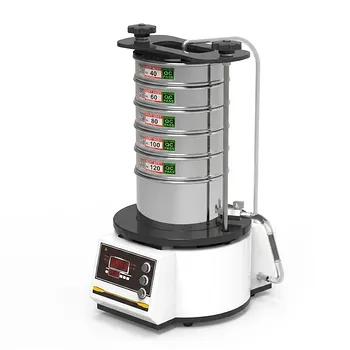
High Frequency Wet Three-Dimensional Vibrating Sieve Shaker for Dry and Wet Particle Size Analysis

三维电磁微量振动筛分仪

Tapping Oscillating Sieve Shaker for Dry and Wet Particle Size Analysis

Stainless Steel Rotary Vibrating Sieve High Precision Circular Vibratory Separator Industrial Powder Grading Machine Multi Layer Sifting Equipment

Three Dimensional Rotary Vibrating Sieve
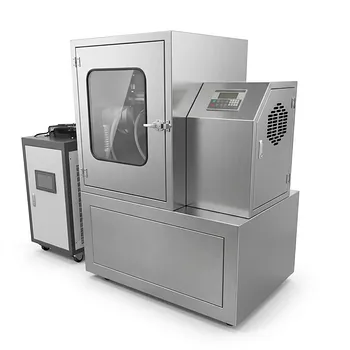
Vibratory Superfine Grinder for Ultra Fine Laboratory Powder Milling
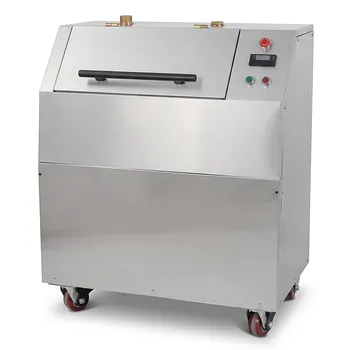
Vibratory Disc Mill for Rapid Fine Grinding and High Throughput Sample Preparation of Hard and Brittle Materials
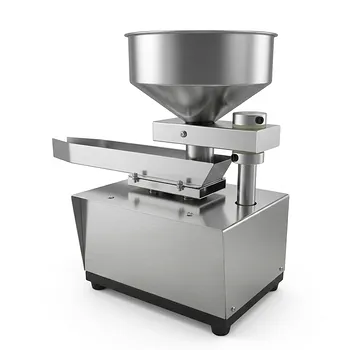
Automatic Vibrating Powder Feeder for Laboratory Material Processing Precision Vibratory Hopper Feeder for Granular and Powder Material Handling Industrial Grade Vibrating Tray Feeder for Consistent Material Sample Preparation