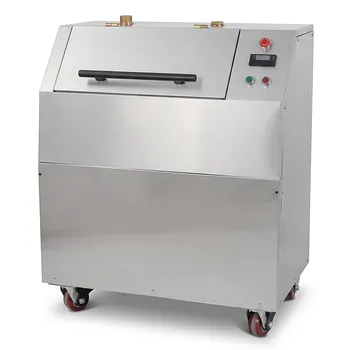
Why are vibratory sieve shakers and test sieves necessary for asphalt grading? Ensure Superior Pavement Durability
Updated 3 months ago
Determining asphalt mixture grading requires vibratory sieve shakers and standard test sieves to achieve precise particle size distribution. These tools allow engineers to mechanically separate aggregates into specific size ranges, ensuring the mixture reaches the ideal density and interlocking skeletal structure necessary for high-load road surfaces. By strictly controlling the mass ratio of coarse particles, fine particles, and fillers, these instruments transform raw material into a stable, high-performance mineral skeleton.
The synergy between vibratory shakers and standard sieves is the foundation of asphalt pavement durability; it enables the precise grading required to minimize porosity, maximize interlocking forces, and ensure the mixture meets rigorous international standards like ASTM and AASHTO.
The Role of Mechanical Separation in Structural Integrity
Achieving Continuous Grading for Density
Continuous grading ensures that smaller particles effectively fill the voids between larger aggregates. This process significantly reduces porosity, which is essential for creating a dense, impermeable asphalt layer.
Enhancing the Mineral Skeleton Interlock
A well-graded mixture creates a powerful interlocking force between aggregate particles. This mineral skeleton provides the primary load-bearing capacity of the road, preventing deformation under heavy traffic.
Optimizing Volumetric Properties
By accurately classifying sizes from 19.5mm down to 0.075mm, labs can ensure the ideal density of the mixture. Proper density is fundamental to the structural stability and longevity of the finished asphalt concrete.
Compliance with Engineering and International Standards
Adherence to ASTM and AASHTO Specifications
Standard test sieves are manufactured to precise aperture tolerances, such as ASTM E11 or ASTM C136. This precision ensures that laboratory results are repeatable and meet the strict quality benchmarks required for public infrastructure.
Support for Proportioning Design Methods
Mechanical sieve analysis provides the physical data needed for proportioning designs, such as the Rothfuch method. This allows engineers to create accurate grading curves that balance coarse and fine aggregates for optimal performance.
Evaluation of Reclaimed Asphalt Pavement (RAP)
Vibratory shakers are critical for analyzing RAP grindings to ensure recycled materials integrate seamlessly into new mixtures. This verification ensures that recycled components meet design requirements, such as 100% passing a 2-inch sieve.
Understanding the Trade-offs and Operational Limits
Mechanical Wear and Sieve Blinding
Over time, sieves can become "blinded" when particles get stuck in the mesh, or the mesh itself may stretch. Regular calibration and maintenance are non-negotiable to prevent inaccurate grading data that could lead to pavement failure.
Sample Size and Vibration Duration
Overloading a sieve or vibrating it for too long can cause particle degradation, where the stones actually break down into smaller pieces during the test. Operators must carefully calibrate vibration settings to ensure separation occurs without altering the material's physical properties.
Material Moisture and Static
Fine aggregates and fillers can sometimes clump due to moisture or static electricity, leading to false readings on the No. 200 sieve. In these cases, wet sieving or specialized additives may be required to complement the vibratory shaker's performance.
Implementing Precise Grading in Your Laboratory
To ensure your asphalt mixtures achieve the desired longevity and load-bearing capacity, focus on the following priorities:
- If your primary focus is maximizing pavement life: Prioritize achieving a densely interlocked skeleton by strictly adhering to continuous grading curves that minimize air voids.
- If your primary focus is meeting international standards: Utilize only certified test sieves and establish a routine calibration schedule for your vibratory shakers to maintain data integrity.
- If your primary focus is cost-efficiency through recycling: Use precise mechanical separation to verify that RAP materials are correctly sized, ensuring they do not compromise the final mixture's density.
Mastering the mechanical separation of aggregates is the most critical step in engineering a road surface that stands the test of time and traffic.
Summary Table:
| Key Factor | Benefit to Asphalt Mixture | Standard/Technical Goal |
|---|---|---|
| Continuous Grading | Maximizes density and reduces porosity | Ideal Volumetric Properties |
| Interlocking Skeleton | Enhances load-bearing capacity | Structural Integrity |
| Standardized Sieving | Ensures repeatable, global compliance | ASTM E11 / AASHTO T27 |
| RAP Evaluation | Validates recycled material integration | 100% Passing Efficiency |
| Mechanical Shaking | Consistent, automated particle separation | High-Throughput Accuracy |
Optimize Your Material Analysis with Expert Sample Prep Solutions
Achieving the perfect asphalt mineral skeleton requires precision at every stage. At [Insert Brand Name], we provide complete laboratory sample preparation solutions tailored for material science and civil engineering.
Whether you need to refine aggregates or process fine powders, our specialized equipment ensures accuracy and durability:
- Sieving Excellence: Vibratory and air-jet sieve shakers with a full range of certified test sieves.
- Size Reduction: High-performance crushers (jaw/roll) and advanced mills (planetary ball, jet, cryogenic, and rotor).
- Powder Processing: Specialized powder mixers and defoaming mixers for homogeneous blends.
- Compaction & Pressing: A full spectrum of hydraulic presses, including Cold/Warm Isostatic Presses (CIP/WIP), XRF pellet presses, and vacuum hot presses.
Ready to elevate your lab's performance? Contact our technical team today to find the ideal equipment for your specific material testing requirements.
References
- Achmad Khabib Kurnia, Audy Yoga Pratama. PENGARUH MATERIAL LOKAL KEDIRI TERHADAP TINGKAT DURABILITAS LAPIS STRUKTUR JALAN. DOI: 10.20961/jrrs.v7i1.79196
Mentioned Products
- Vibratory Sieve Shaker Electromagnetic 3D Motion Powder Particle Size Analyzer for Dry and Wet Sieving
- Laboratory Dry and Wet Three Dimensional Vibratory Sieve Shaker for Particle Analysis
- Dry Three Dimensional Vibratory Sieve Shaker
- Stainless Steel Laboratory Vibratory Test Sieve Shaker
- Heavy Duty Dry Three Dimensional Vibratory Sieve Shaker for Particle Separation
People Also Ask
- How does a vibratory sieve shaker contribute to optimizing the performance of activated carbon? Enhance Adsorption Precision
- Why is a laboratory vibratory sieve shaker necessary for processing magnesium-based borate precursor powders? Boost Activity
- Why use a vibratory sieve shaker to verify coarse aggregate grading in rubberized concrete? Ensure Structural Integrity
- What function do vibratory sieve shakers and standard test sieves serve in the preparation of adsorbents? Key Guide
- What role does a vibratory sieve shaker play in the particle size analysis of ground corn products? Enhance QC Precision

Tech Team · PowderPreparation
Last updated on Jun 03, 2026
Related Products
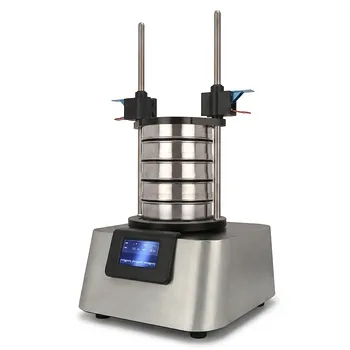
Vibratory Sieve Shaker Electromagnetic 3D Motion Powder Particle Size Analyzer for Dry and Wet Sieving
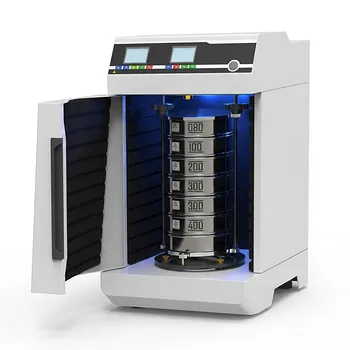
Laboratory Dry and Wet Three Dimensional Vibratory Sieve Shaker for Particle Analysis
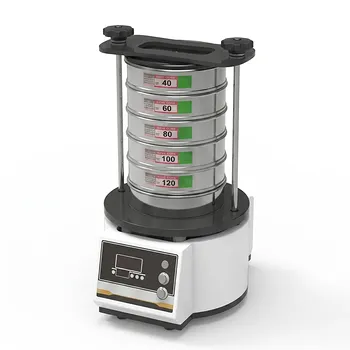
Dry Three Dimensional Vibratory Sieve Shaker
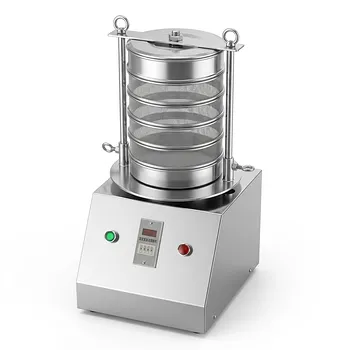
Stainless Steel Laboratory Vibratory Test Sieve Shaker
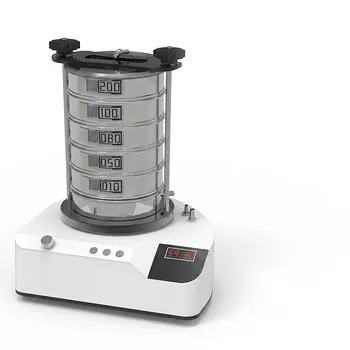
Heavy Duty Dry Three Dimensional Vibratory Sieve Shaker for Particle Separation
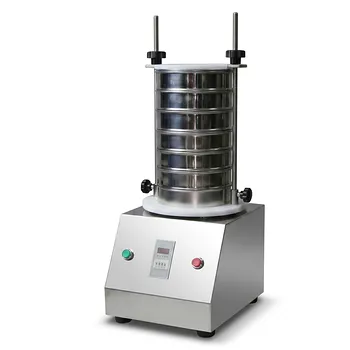
Small Laboratory Vibratory Sieve Shaker for Powder Gradation and Particle Size Analysis
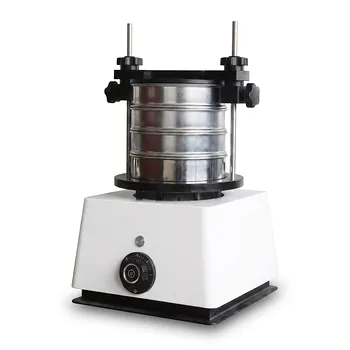
Small Laboratory Vibrating Sieve Shaker for Precise Particle Size Analysis
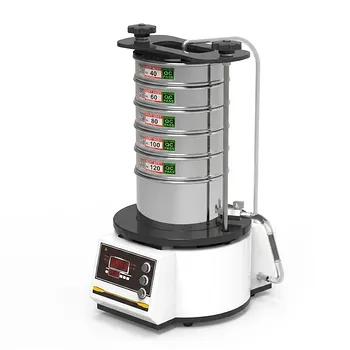
High Frequency Wet Three-Dimensional Vibrating Sieve Shaker for Dry and Wet Particle Size Analysis
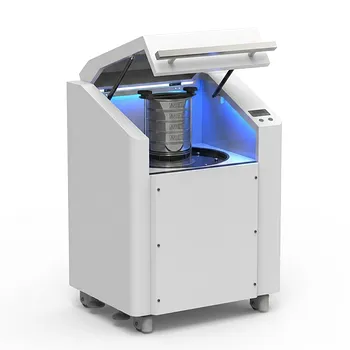
High Frequency Cabinet Type Three-Dimensional Rotary Vibrating Sieve Shaker for Dry Sieving and Particle Classification
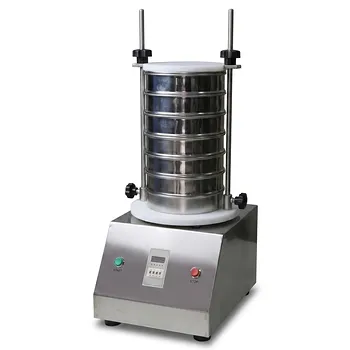
Laboratory Vibratory Test Sieve Shaker for Precision Particle Size Analysis and Powder Grading
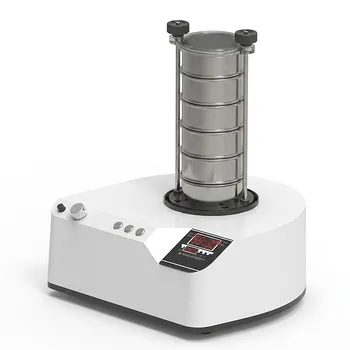
三维电磁微量振动筛分仪
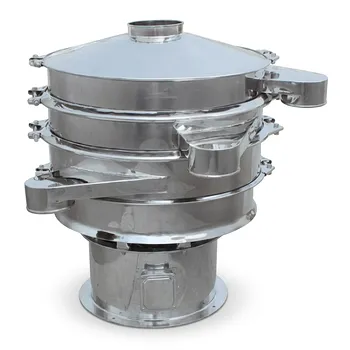
Stainless Steel Rotary Vibrating Sieve High Precision Circular Vibratory Separator Industrial Powder Grading Machine Multi Layer Sifting Equipment
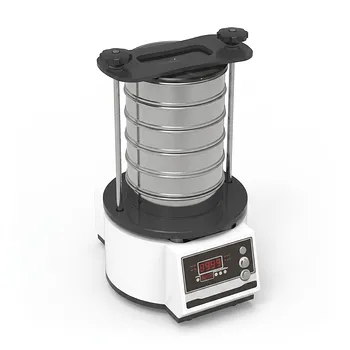
Tapping Oscillating Sieve Shaker for Dry and Wet Particle Size Analysis
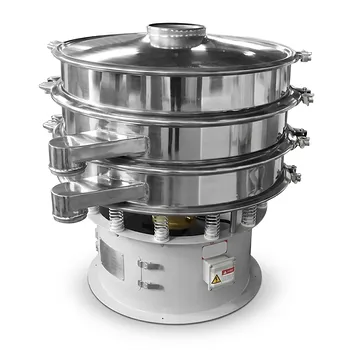
Three Dimensional Rotary Vibrating Sieve
Vibratory Superfine Grinder for Ultra Fine Laboratory Powder Milling
Small Vibrating Ultrafine Grinder for Traditional Chinese Medicine
Automatic Vibrating Powder Feeder for Laboratory Material Processing Precision Vibratory Hopper Feeder for Granular and Powder Material Handling Industrial Grade Vibrating Tray Feeder for Consistent Material Sample Preparation