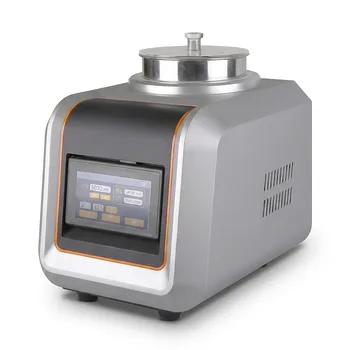
Why are vibratory shakers & polyamide meshes used for yttrium oxide? Achieve 20–30 μm Precision for Radiotherapy.
Updated 4 months ago
Vibratory sieve shakers and precision polyamide meshes are used to isolate yttrium oxide microcapsules within a strict 20–30 μm diameter range. This precise grading is essential to ensure that the microcapsules effectively embolize tumor blood vessels during radiotherapy while preventing smaller particles from escaping into healthy tissues.
The primary goal of this sieving process is to guarantee the safety and efficacy of localized radiotherapy by maintaining a narrow, predictable particle size distribution that aligns with the diameter of target microvasculature.
Ensuring Therapeutic Precision
The Criticality of the 20–30 μm Range
In radiotherapy, the size of yttrium oxide microcapsules dictates where they lodge in the body. The 20–30 μm range is specifically chosen because it is large enough to become trapped in the microvessels supplying a tumor, effectively "starving" the tumor while delivering a localized radiation dose.
Preventing Off-Target Migration
If particles are smaller than the target range, they may pass through the tumor’s vascular bed and enter the general circulatory system. This migration to non-target tissues can lead to unintended radiation damage in healthy organs, such as the lungs or liver, making precision sieving a critical safety barrier.
Maximizing Embolization Efficiency
Consistent particle sizing ensures that the microcapsules provide a uniform "plug" within the vessel. This predictable hydrodynamic behavior allows clinicians to calculate dosages accurately and ensures the treatment remains localized to the intended site.
Technical Role of Post-Heat Treatment Processing
Correcting Heat-Induced Agglomeration
Heat treatment is often used to stabilize the microcapsule structure or modify its chemical properties. However, high temperatures can cause individual particles to fuse or form agglomerates. Vibratory sieving physically breaks down or removes these oversized clusters to restore the required flow characteristics.
The Advantage of Precision Polyamide Meshes
Polyamide meshes are used because they offer high-precision pore sizing and are often more flexible than stainless steel. In medical applications, they help minimize the risk of metallic contamination while ensuring that the delicate microcapsules are not damaged by harsh mechanical friction during the shaking process.
Improving Final Product Yield
By utilizing a vibratory shaker, manufacturers can achieve a high-resolution separation that manual sieving cannot match. The controlled vibration ensures that every particle has multiple opportunities to pass through the mesh, maximizing the yield of "qualified" microcapsules.
Understanding the Trade-offs
The Challenge of Mesh Blinding
When working with particles as fine as 20 μm, "blinding" or clogging of the mesh pores is a significant risk. If the vibratory intensity is not perfectly calibrated, the fine yttrium oxide powder can bridge the openings, halting the separation process and requiring frequent cleaning.
Static Electricity and Fine Powders
Very fine powders, particularly after heat treatment, are susceptible to electrostatic charging. This can cause particles to stick to the mesh or each other, potentially leading to false grading results where smaller particles are retained simply because they are "clumped" to larger ones.
Mechanical Wear and Tear
Despite their precision, polyamide meshes are softer than metal and can degrade over time. Continuous use in a vibratory shaker can lead to pore enlargement, which compromises the strict 30 μm upper limit and necessitates rigorous periodic validation of the equipment.
Making the Right Choice for Your Goal
How to Apply This to Your Project
- If your primary focus is patient safety: Prioritize the use of dual-stage sieving to strictly eliminate all particles below the 20 μm threshold.
- If your primary focus is process throughput: Implement ultrasonic deblinding systems alongside the vibratory shaker to prevent mesh clogging and maintain a continuous flow.
- If your primary focus is material purity: Opt for high-grade polyamide or polymer-coated meshes to ensure no metallic trace elements are introduced into the yttrium oxide supply.
By mastering the precision of the sieving process, you ensure that yttrium oxide microcapsules function as reliable, life-saving instruments of targeted therapy.
Summary Table:
| Feature | Specification/Benefit |
|---|---|
| Target Particle Size | 20–30 μm (Critical for tumor embolization) |
| Equipment Used | Vibratory Sieve Shaker & Precision Polyamide Mesh |
| Key Objective | Ensure therapeutic safety & prevent off-target migration |
| Post-Heat Solution | Breaks down clusters & restores flow characteristics |
| Material Advantage | Polyamide minimizes metallic contamination & friction damage |
Optimize Your Powder Processing with KinTek
Precision in particle sizing is the difference between therapeutic success and material failure. At KinTek, we provide complete laboratory sample preparation solutions for material science, specializing in high-performance powder processing and compaction equipment.
Our extensive product lines are designed to meet the most rigorous standards in medical and industrial research:
- Sieving Excellence: Vibratory and air-jet sieve shakers with high-precision test sieves and meshes.
- Advanced Milling: Planetary ball mills, jet mills, and cryogenic grinders for ultra-fine particle reduction.
- Compaction Solutions: A full spectrum of hydraulic presses, including Cold/Warm Isostatic Presses (CIP/WIP), vacuum hot presses, and XRF pellet presses.
- Mixing & Preparation: Powder mixers and defoaming mixers for uniform material consistency.
Whether you are refining yttrium oxide for localized radiotherapy or developing advanced ceramics, our equipment ensures maximum yield and predictable results. Contact our experts today to find the perfect solution for your laboratory needs!
References
- Toshiki Miyazaki, Masahiro Hiraoka. Fabrication of yttria microcapsules for radiotherapy from water/oil emulsion. DOI: 10.2109/jcersj2.118.479
Mentioned Products
- Vibratory Sieve Shaker Electromagnetic 3D Motion Powder Particle Size Analyzer for Dry and Wet Sieving
- Laboratory Dry and Wet Three Dimensional Vibratory Sieve Shaker for Particle Analysis
- Stainless Steel Laboratory Vibratory Test Sieve Shaker
- Heavy Duty Dry Three Dimensional Vibratory Sieve Shaker for Particle Separation
- Dry Three Dimensional Vibratory Sieve Shaker
People Also Ask
- How does a vibratory sieve shaker contribute to optimizing the performance of activated carbon? Enhance Adsorption Precision
- Why is a laboratory vibratory sieve shaker necessary for processing magnesium-based borate precursor powders? Boost Activity
- Why use a vibratory sieve shaker to verify coarse aggregate grading in rubberized concrete? Ensure Structural Integrity
- What function do vibratory sieve shakers and standard test sieves serve in the preparation of adsorbents? Key Guide
- What role does a vibratory sieve shaker play in the particle size analysis of ground corn products? Enhance QC Precision

Tech Team · PowderPreparation
Last updated on Jun 03, 2026
Related Products
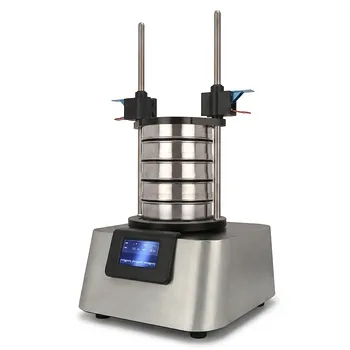
Vibratory Sieve Shaker Electromagnetic 3D Motion Powder Particle Size Analyzer for Dry and Wet Sieving
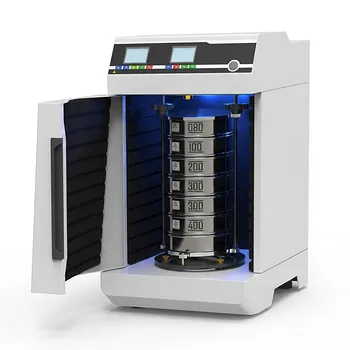
Laboratory Dry and Wet Three Dimensional Vibratory Sieve Shaker for Particle Analysis
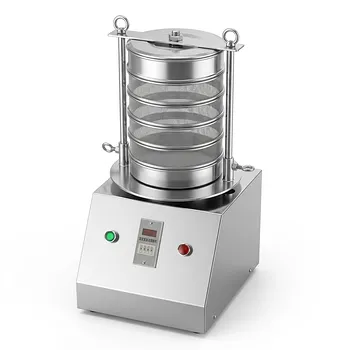
Stainless Steel Laboratory Vibratory Test Sieve Shaker
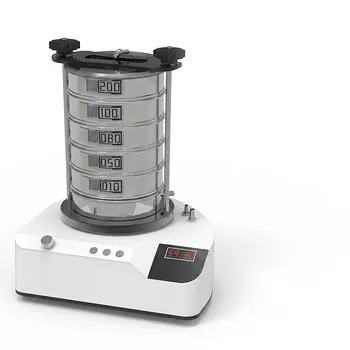
Heavy Duty Dry Three Dimensional Vibratory Sieve Shaker for Particle Separation
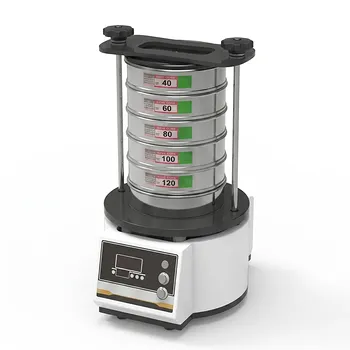
Dry Three Dimensional Vibratory Sieve Shaker
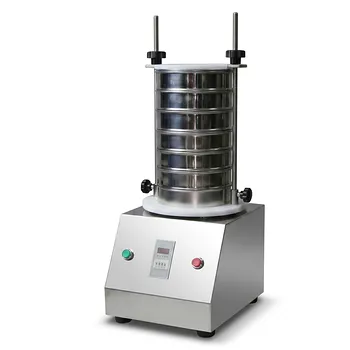
Small Laboratory Vibratory Sieve Shaker for Powder Gradation and Particle Size Analysis
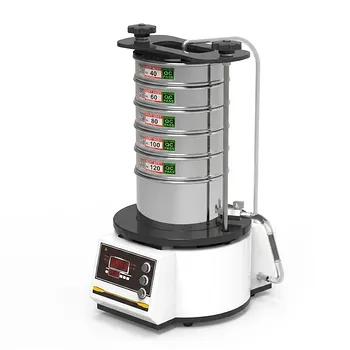
High Frequency Wet Three-Dimensional Vibrating Sieve Shaker for Dry and Wet Particle Size Analysis
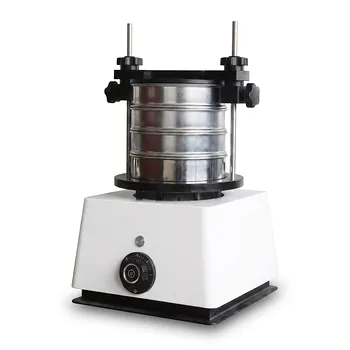
Small Laboratory Vibrating Sieve Shaker for Precise Particle Size Analysis
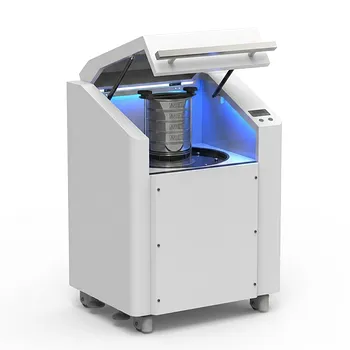
High Frequency Cabinet Type Three-Dimensional Rotary Vibrating Sieve Shaker for Dry Sieving and Particle Classification
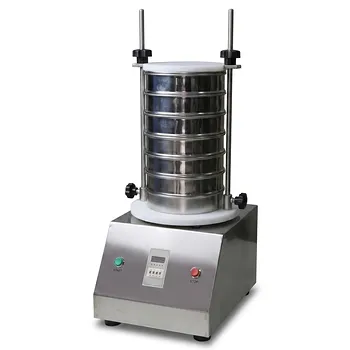
Laboratory Vibratory Test Sieve Shaker for Precision Particle Size Analysis and Powder Grading
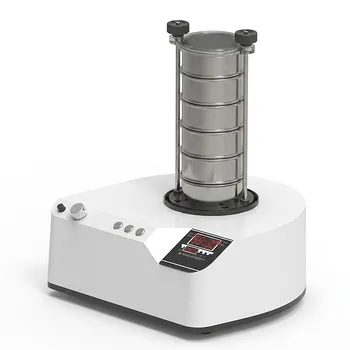
三维电磁微量振动筛分仪
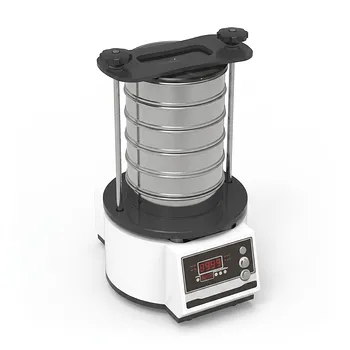
Tapping Oscillating Sieve Shaker for Dry and Wet Particle Size Analysis
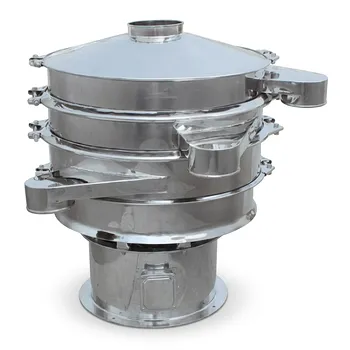
Stainless Steel Rotary Vibrating Sieve High Precision Circular Vibratory Separator Industrial Powder Grading Machine Multi Layer Sifting Equipment
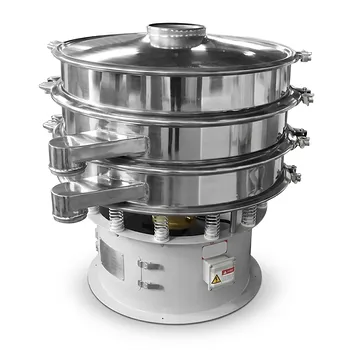
Three Dimensional Rotary Vibrating Sieve
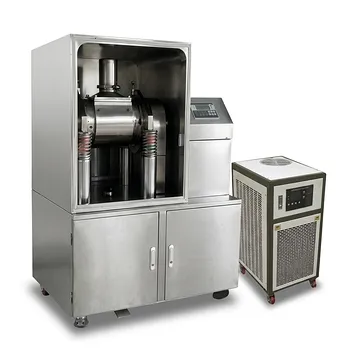
Small Vibrating Ultrafine Grinder for Traditional Chinese Medicine
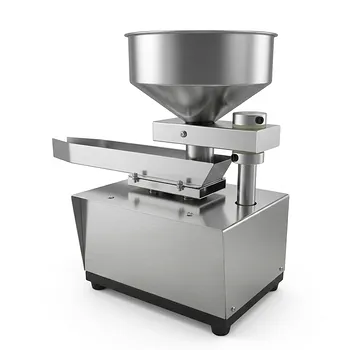
Automatic Vibrating Powder Feeder for Laboratory Material Processing Precision Vibratory Hopper Feeder for Granular and Powder Material Handling Industrial Grade Vibrating Tray Feeder for Consistent Material Sample Preparation
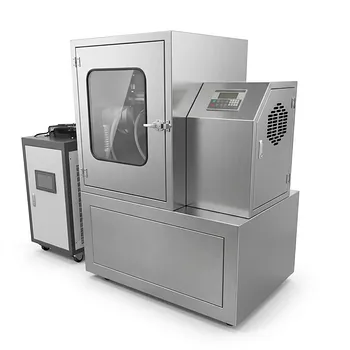
Vibratory Superfine Grinder for Ultra Fine Laboratory Powder Milling
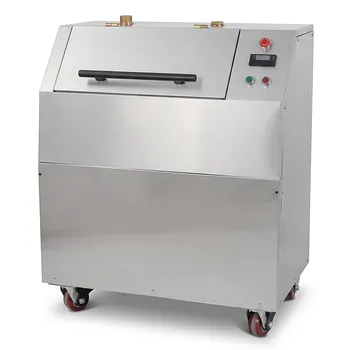
Vibratory Disc Mill for Rapid Fine Grinding and High Throughput Sample Preparation of Hard and Brittle Materials