Why are standard test sieves essential for the physical property characterization of clay materials? Optimize PSD Control
Updated 5 months ago
Standard test sieves are the fundamental tool for quantifying particle size distribution (PSD), which dictates the physical classification and industrial performance of clay materials. By passing clay through standardized mesh sizes (such as No. 40 and No. 200), researchers can calculate the precise ratio of coarse to fine particles. This data is essential for predicting molding behavior, structural density, and the eventual mechanical strength of finished ceramic or geological products.
Core Takeaway: Test sieves provide the empirical foundation for clay characterization by establishing a standardized particle grading. This control ensures material uniformity, which is a prerequisite for accurate laboratory analysis, reliable industrial manufacturing, and standardized soil classification.
Quantifying Material Composition and Classification
Determining Particle Size Distribution (PSD)
Sieves allow for systematic dry sieve analysis by stacking a series of mesh apertures in descending order. By calculating the cumulative percentage of residue on each sieve, engineers can plot distribution curves to identify whether a sample is sandy, silty, or fine-grained clay.
Standardized Soil Classification
Specific sieves, such as the No. 200 (0.075 mm) mesh, serve as the benchmark for material classification. The amount of material passing through this mesh determines if the clay is categorized as coarse-grained or fine-grained soil, directly influencing its application in civil engineering.
Establishing Material Uniformity
Standardized sieving ensures that clay samples are consistent and free of debris. This uniformity is critical for subsequent compaction and strength experiments, ensuring that results are reproducible across different batches.
Optimizing Manufacturing and Product Quality
Improving Structural Density
Proper particle grading ensures that fine additives and small clay particles effectively fill the voids between larger grains. This "optimal packing" minimizes macroscopic pores, which significantly enhances the mechanical properties and durability of the material after firing.
Refining Molding Performance
The ratio of fine powder to coarse particles directly impacts how clay behaves during the molding process. Using sieves to control this ratio allows manufacturers to predict the plasticity and workability of the raw material.
Enhancing Surface Finish
High-precision sieving (often targeting sizes below 0.075 mm) removes unpulverized particles and impurities. Eliminating these irregularities is essential for achieving a high-quality, smooth surface finish in ceramic molded parts.
Facilitating Advanced Laboratory Analysis
Preparation for Mineralogical Detection
Fine sieves with apertures of 400 μm and 50 μm are essential prerequisites for advanced microscopic testing. These sieves prepare the sample for X-ray diffraction (XRD) and scanning electron microscopy (SEM) by ensuring particle sizes are within the required range for sensor accuracy.
Supporting Compaction and Strength Testing
Standard sieves (such as the 5 mm aperture) are used to prepare specimens for Proctor compaction tests. This process ensures the sample is representative, allowing for accurate measurements of soil shrinkage characteristics and structural integrity.
Understanding the Trade-offs and Limitations
Cohesion and Particle Aggregation
Dry sieving can be challenging with highly cohesive clays, as fine particles tend to clump together. This can lead to inaccurate "coarse" readings unless the material is thoroughly dried or processed via wet sieving techniques.
Sieve Blinding and Maintenance
Finer meshes are prone to "blinding," where particles become lodged in the apertures. Regular maintenance and calibration are required to ensure that wear-and-tear does not alter the aperture size and compromise the integrity of the characterization data.
Selecting the Right Sieve for Your Characterization Goal
Choosing the correct sieve depends entirely on the intended application of the clay material.
- If your primary focus is industrial ceramic production: Use a series of sieves to optimize particle grading, which ensures maximum structural density and a superior surface finish after firing.
- If your primary focus is civil engineering classification: Prioritize the No. 200 (0.075 mm) and No. 40 (0.425 mm) sieves to comply with standards like DIN 18196 for soil and barrier materials.
- If your primary focus is specialized laboratory research: Utilize high-precision meshes below 50 μm to prepare samples for mineralogical detection methods like XRD and SEM.
By mastering sieve analysis, you ensure that raw clay is transformed from an unknown geological substance into a predictable, high-performance industrial material.
Summary Table:
| Function | Key Sieve Sizes | Industrial/Research Impact |
|---|---|---|
| PSD Analysis | Stacked Mesh Series | Predicts molding behavior and mechanical strength. |
| Soil Classification | No. 200 (0.075 mm) | Benchmarks material for civil engineering standards. |
| Manufacturing Quality | < 0.075 mm (Fine Mesh) | Minimizes voids for higher density and smooth finishes. |
| Lab Prep (XRD/SEM) | 50 μm to 400 μm | Ensures sample uniformity for advanced mineralogical detection. |
| Compaction Testing | 5 mm Aperture | Standardizes samples for Proctor and strength experiments. |
Elevate Your Material Characterization with Professional Solutions
Precise particle size distribution is the cornerstone of high-performance clay and ceramic engineering. At [Company Name], we provide complete laboratory sample preparation solutions tailored for material science. Whether you are classifying soil for civil engineering or refining fine powders for advanced ceramics, our equipment ensures accuracy and repeatability.
Our specialized product range includes:
- Sieving Excellence: Vibratory and air-jet sieve shakers with a full range of high-precision test sieves.
- Sample Preparation: Jaw/roll crushers, planetary ball mills, jet mills, and cryogenic grinders for superior particle size reduction.
- Compaction & Processing: A full spectrum of hydraulic presses, including Cold/Warm Isostatic Presses (CIP/WIP), hot presses, and vacuum hot presses for material synthesis.
- Mixing Solutions: High-efficiency powder mixers and vacuum defoaming mixers.
Ready to optimize your laboratory workflow and enhance material performance?
Contact Our Experts Today to find the perfect equipment for your specific application!
References
- Dyah Setyaningrum, Aprilia Nur Azizah. CHARACTERIZATION OF CLAY MATERIALS USED FOR POTTERY PURPOSES FROM RENDENG, MALO, BOJONEGORO. DOI: 10.18860/neu.v14i1.12753
Mentioned Products
- Stainless Steel Laboratory Vibratory Test Sieve Shaker
- Laboratory Vibratory Test Sieve Shaker for Precision Particle Size Analysis and Powder Grading
- Small Laboratory Vibrating Sieve Shaker for Precise Particle Size Analysis
- Small Laboratory Vibratory Sieve Shaker for Powder Gradation and Particle Size Analysis
- 三维电磁微量振动筛分仪
People Also Ask
- What function does a laboratory vibratory sieve shaker serve in the production process of metakaolin? Optimize Reactivity
- Why is a precision laboratory vibratory sieve shaker necessary for particle size control? Optimize Biomass Carbonization
- What is the function of a laboratory vibratory sieve shaker? Enhance Coal Particle Size Distribution (PSD) Analysis
- What role do laboratory vibratory sieve shakers and test sieves play before the molding of Nb-Cu composite powders?
- What is the primary function of a laboratory vibratory sieve shaker in the evaluation of sand liquefaction potential?

Tech Team · PowderPreparation
Last updated on May 14, 2026
Related Products
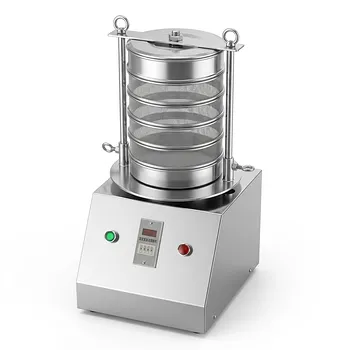
Stainless Steel Laboratory Vibratory Test Sieve Shaker
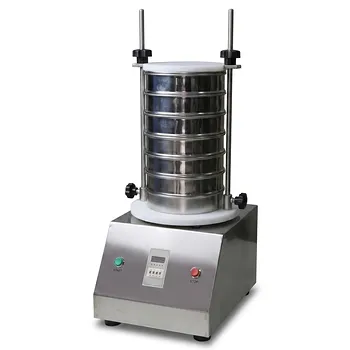
Laboratory Vibratory Test Sieve Shaker for Precision Particle Size Analysis and Powder Grading
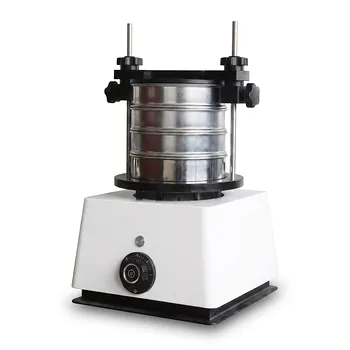
Small Laboratory Vibrating Sieve Shaker for Precise Particle Size Analysis
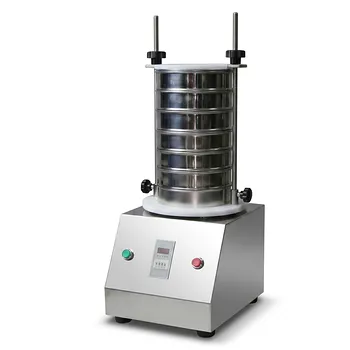
Small Laboratory Vibratory Sieve Shaker for Powder Gradation and Particle Size Analysis
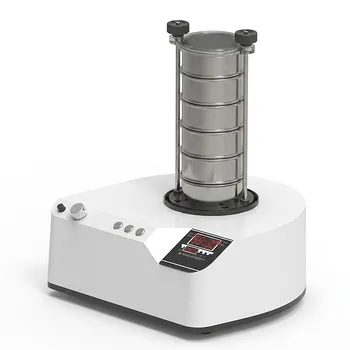
三维电磁微量振动筛分仪
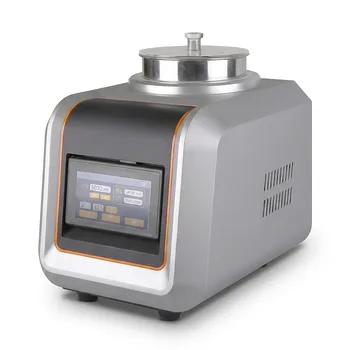
Laboratory Air Jet Sieving Machine for Fine Powder Particle Size Analysis and Deagglomeration
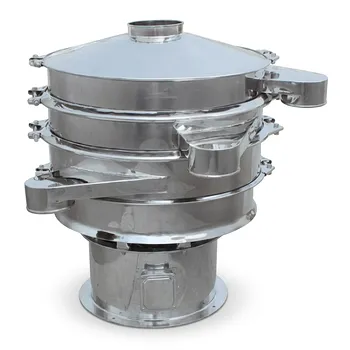
Stainless Steel Rotary Vibrating Sieve High Precision Circular Vibratory Separator Industrial Powder Grading Machine Multi Layer Sifting Equipment
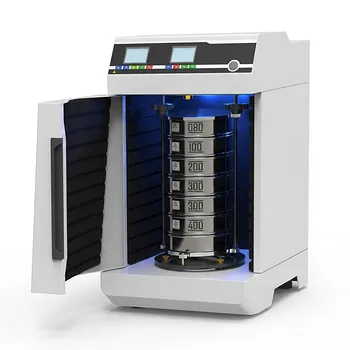
Laboratory Dry and Wet Three Dimensional Vibratory Sieve Shaker for Particle Analysis
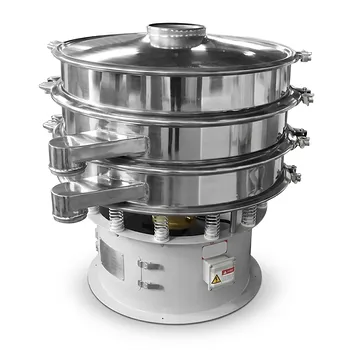
Three Dimensional Rotary Vibrating Sieve
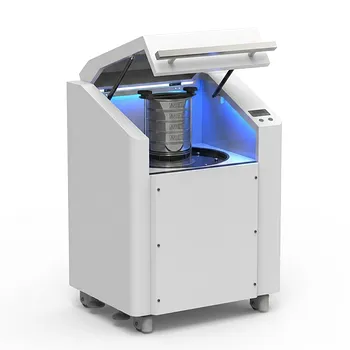
High Frequency Cabinet Type Three-Dimensional Rotary Vibrating Sieve Shaker for Dry Sieving and Particle Classification
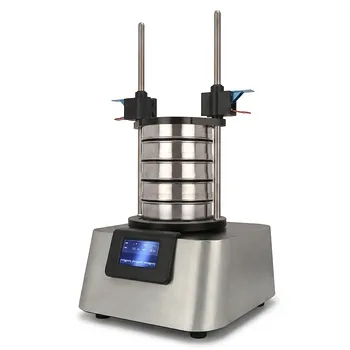
Vibratory Sieve Shaker Electromagnetic 3D Motion Powder Particle Size Analyzer for Dry and Wet Sieving
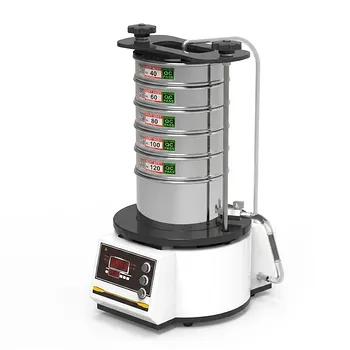
High Frequency Wet Three-Dimensional Vibrating Sieve Shaker for Dry and Wet Particle Size Analysis
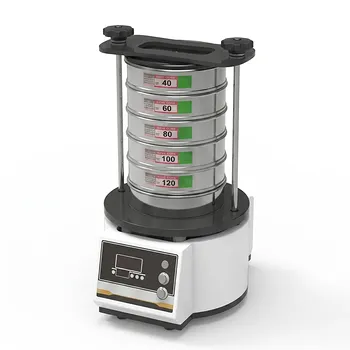
Dry Three Dimensional Vibratory Sieve Shaker
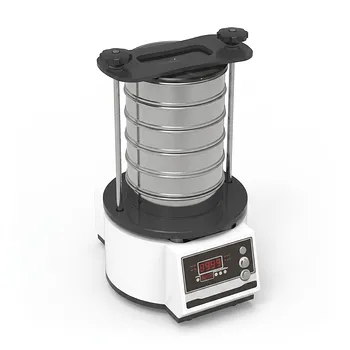
Tapping Oscillating Sieve Shaker for Dry and Wet Particle Size Analysis
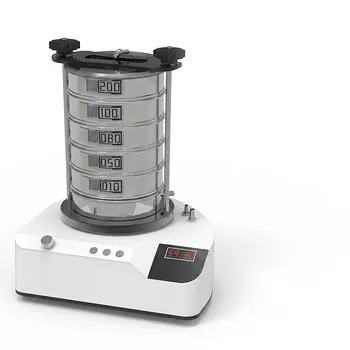
Heavy Duty Dry Three Dimensional Vibratory Sieve Shaker for Particle Separation
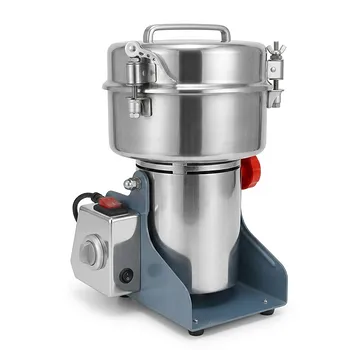
Small High-Speed Grinder for Efficient Laboratory Sample Preparation
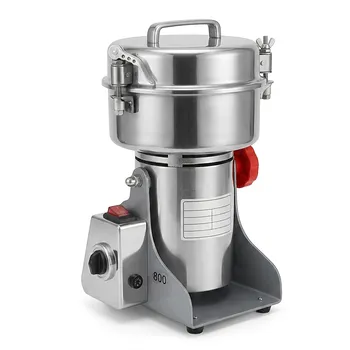
Small High-Speed Laboratory Grinder for Rapid Sample Preparation
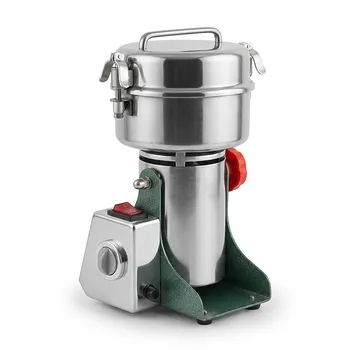
Small High-Speed Swing Grinder for Laboratory Sample Preparation
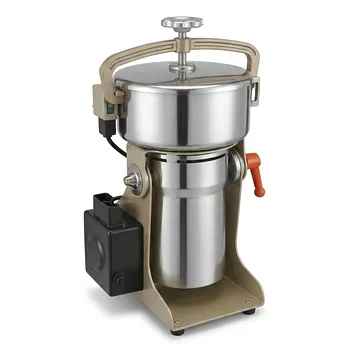
Multifunctional High Efficiency High Speed Laboratory Grinder