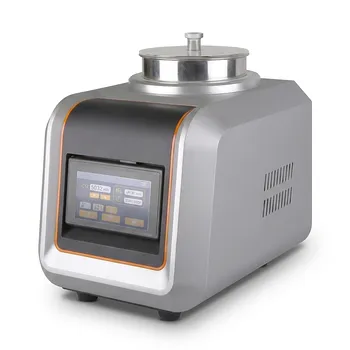
Why are stainless steel grinders and vibratory sieve shakers used to process biochar after pyrolysis? Standardize Quality
Updated 4 months ago
Stainless steel grinders and vibratory sieve shakers are the primary tools used to transform raw, bulk biochar into a functional, standardized technical product. Specifically, grinders pulverize the brittle, pyrolyzed material into a fine powder, while sieve shakers classify those particles into precise size fractions (such as 75 µm or 125 µm) to ensure chemical and physical consistency.
The use of these tools is driven by the need for precise particle size control, which directly dictates the biochar’s specific surface area, cation exchange capacity (CEC), and its performance in applications ranging from soil conditioning to industrial filtration.
Maximizing Chemical and Physical Reactivity
Increasing Specific Surface Area
The grinding process is essential because it breaks down bulk biochar to expose its internal pore structure. Smaller particles—typically those under 75 µm—possess a significantly larger specific surface area compared to raw char.
Enhancing Cation Exchange Capacity (CEC)
By increasing the surface area through fine grinding, the biochar's cation exchange capacity (CEC) and zeta potential are enhanced. This makes the material far more effective as a soil conditioner, as it can better retain nutrients and interact with soil microbes.
Ensuring Uniform Reactivity
Vibratory sieve shakers ensure that every particle in a batch is within a tight size tolerance. This uniformity is critical for subsequent treatments, such as ozone oxidation, where inconsistent particle sizes would lead to uneven chemical reactions and unreliable results.
Optimization for Industrial and Experimental Applications
Maintaining Fluidization Quality
In industrial settings, such as fluidized bed reactors, sieve shakers are used to ensure feedstock falls within a specific range (e.g., 0.6–1 mm). This prevents uneven heating caused by oversized particles and stops undersized "fines" from being prematurely blown out of the system.
Eliminating Heat and Mass Transfer Gradients
Consistent particle size is a prerequisite for accurate kinetic data. By removing size variations, researchers eliminate heat and mass transfer resistance, ensuring that the entire sample reacts at the same rate during further carbonization or gasification.
Preventing System Clogging
For advanced applications like wood impregnation, sieve shakers remove any oversized particles that could clog wood vessels or pits. This step guarantees a uniform distribution of the biochar filler within the wood matrix, maintaining the stability of the impregnation process.
Understanding the Trade-offs
The Risk of Over-Processing
While fine grinding increases surface area, excessive pulverization can generate "fines" that are difficult to manage. These ultra-fine particles can cause excessive pressure drops in fixed-bed reactors and may lead to dust-handling hazards in industrial environments.
Mechanical Wear and Contamination
Using stainless steel is vital to prevent rust and material contamination; however, biochar is abrasive. Over time, the grinding media and sieve meshes will wear down, potentially introducing trace metals into the biochar or altering the aperture size of the sieves, which compromises grading accuracy.
Sieve Blinding and Maintenance
Vibratory shakers can suffer from "blinding," where particles become wedged in the mesh. This requires regular cleaning and calibration to ensure the particle size distribution (PSD) remains accurate, as even a small shift in size can significantly alter the material's nutrient release kinetics.
How to Apply This to Your Process
Choosing the Right Processing Strategy
To achieve the best results with your biochar, your processing parameters must align with your end-use requirements.
- If your primary focus is Soil Remediation: Use high-intensity grinding and fine sieving (below 106 µm) to maximize the cation exchange capacity and surface area for nutrient retention.
- If your primary focus is Industrial Fluidization: Prioritize the sieve shaker to maintain a narrow size range (e.g., 0.5 mm to 1.0 mm) to ensure stable fluidization and prevent "fines" from escaping the reactor.
- If your primary focus is Experimental Repeatability: Employ standard test sieves to strictly define particle fractions, thereby eliminating mass transfer variables and ensuring your data is scientifically sound.
By mastering the transition from bulk char to graded powder, you unlock the full technical potential of biochar as a high-value functional material.
Summary Table:
| Equipment Type | Primary Function | Impact on Biochar Properties |
|---|---|---|
| Stainless Steel Grinders | Fine pulverization of brittle char | Increases specific surface area and Cation Exchange Capacity (CEC). |
| Vibratory Sieve Shakers | Precise particle size classification | Ensures uniform reactivity and prevents system clogging or uneven heating. |
| Stainless Steel Construction | Material integrity maintenance | Prevents rust and minimizes trace metal contamination during processing. |
| Sieving Accessories | Grading and quality control | Eliminates mass transfer gradients for accurate experimental kinetic data. |
Elevate Your Biochar Processing with Precision Solutions
Ready to transform raw biochar into a high-performance functional material? [Brand Name] offers complete laboratory sample preparation solutions tailored for advanced material science. We specialize in enhancing the technical value of your powders through professional-grade equipment:
- Superior Grinding: Achieve maximum surface area and reactivity with our range of planetary ball mills, jet mills, and rotor mills.
- Precise Classification: Ensure perfect particle size distribution with our vibratory and air-jet sieve shakers, featuring high-durability test sieves.
- Advanced Compaction: Beyond processing, we manufacture a full spectrum of hydraulic presses, including Cold/Warm Isostatic Presses (CIP/WIP), vacuum hot presses, and XRF pellet presses for material characterization.
Whether you are focused on soil remediation or industrial fluidization, our stainless steel, contamination-free solutions ensure your results are consistent and scientifically sound.
Contact our experts today to optimize your laboratory workflow and unlock the full potential of your materials!
References
- Snigdhendubala Pradhan, Gordon McKay. Biochar from vegetable wastes: agro-environmental characterization. DOI: 10.1007/s42773-020-00069-9
Mentioned Products
- Vibratory Sieve Shaker Electromagnetic 3D Motion Powder Particle Size Analyzer for Dry and Wet Sieving
- Laboratory Dry and Wet Three Dimensional Vibratory Sieve Shaker for Particle Analysis
- Stainless Steel Laboratory Vibratory Test Sieve Shaker
- Heavy Duty Dry Three Dimensional Vibratory Sieve Shaker for Particle Separation
- Dry Three Dimensional Vibratory Sieve Shaker
People Also Ask
- How does a vibratory sieve shaker contribute to optimizing the performance of activated carbon? Enhance Adsorption Precision
- Why is a laboratory vibratory sieve shaker necessary for processing magnesium-based borate precursor powders? Boost Activity
- Why use a vibratory sieve shaker to verify coarse aggregate grading in rubberized concrete? Ensure Structural Integrity
- What function do vibratory sieve shakers and standard test sieves serve in the preparation of adsorbents? Key Guide
- What role does a vibratory sieve shaker play in the particle size analysis of ground corn products? Enhance QC Precision

Tech Team · PowderPreparation
Last updated on Jun 03, 2026
Related Products
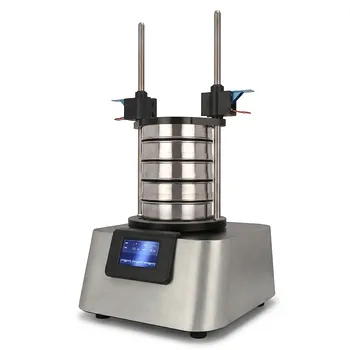
Vibratory Sieve Shaker Electromagnetic 3D Motion Powder Particle Size Analyzer for Dry and Wet Sieving
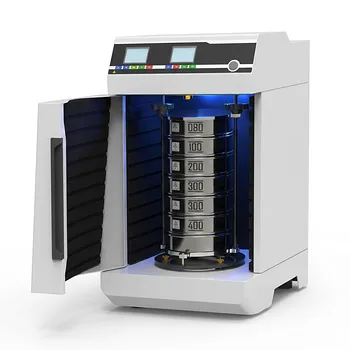
Laboratory Dry and Wet Three Dimensional Vibratory Sieve Shaker for Particle Analysis
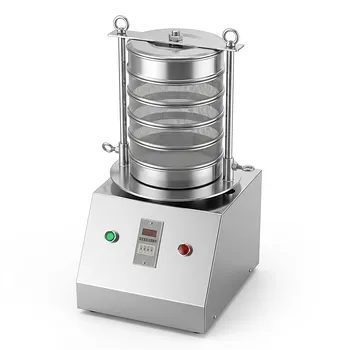
Stainless Steel Laboratory Vibratory Test Sieve Shaker
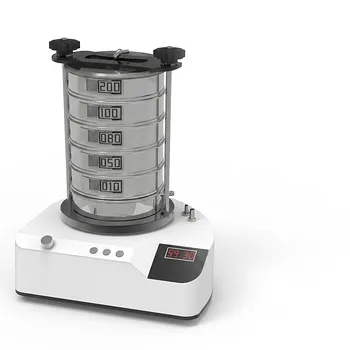
Heavy Duty Dry Three Dimensional Vibratory Sieve Shaker for Particle Separation
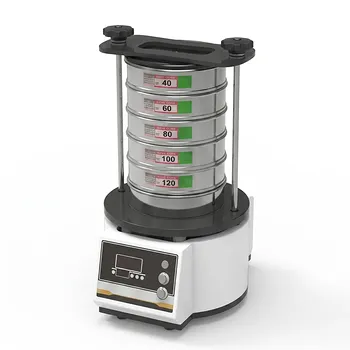
Dry Three Dimensional Vibratory Sieve Shaker
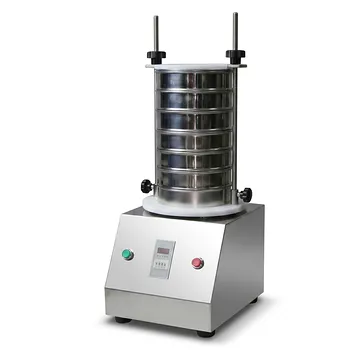
Small Laboratory Vibratory Sieve Shaker for Powder Gradation and Particle Size Analysis
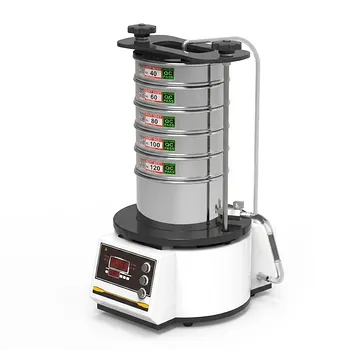
High Frequency Wet Three-Dimensional Vibrating Sieve Shaker for Dry and Wet Particle Size Analysis
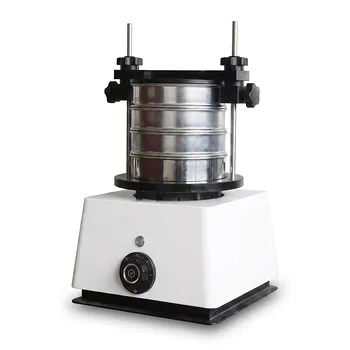
Small Laboratory Vibrating Sieve Shaker for Precise Particle Size Analysis
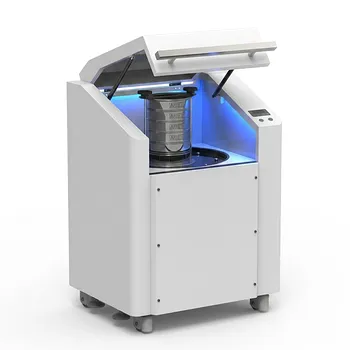
High Frequency Cabinet Type Three-Dimensional Rotary Vibrating Sieve Shaker for Dry Sieving and Particle Classification
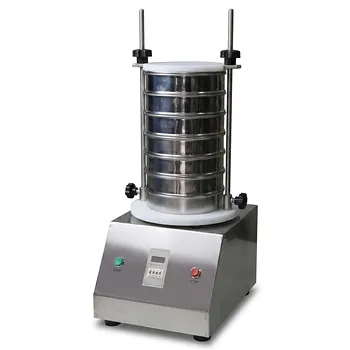
Laboratory Vibratory Test Sieve Shaker for Precision Particle Size Analysis and Powder Grading
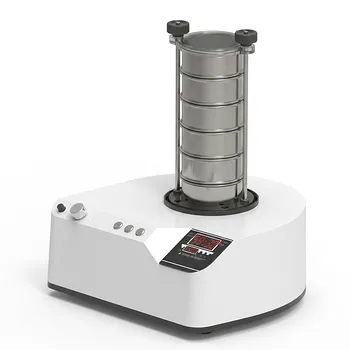
三维电磁微量振动筛分仪
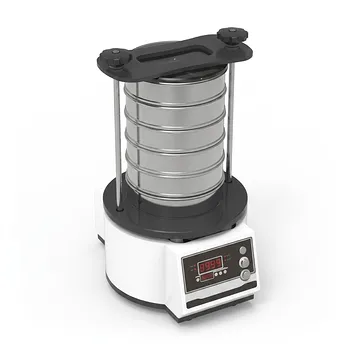
Tapping Oscillating Sieve Shaker for Dry and Wet Particle Size Analysis
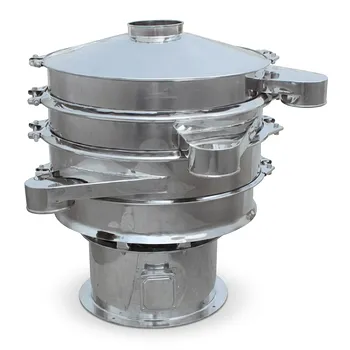
Stainless Steel Rotary Vibrating Sieve High Precision Circular Vibratory Separator Industrial Powder Grading Machine Multi Layer Sifting Equipment
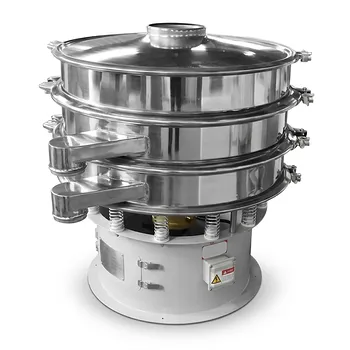
Three Dimensional Rotary Vibrating Sieve
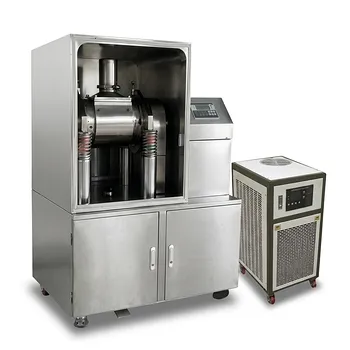
Small Vibrating Ultrafine Grinder for Traditional Chinese Medicine
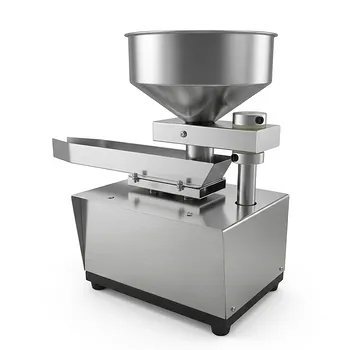
Automatic Vibrating Powder Feeder for Laboratory Material Processing Precision Vibratory Hopper Feeder for Granular and Powder Material Handling Industrial Grade Vibrating Tray Feeder for Consistent Material Sample Preparation
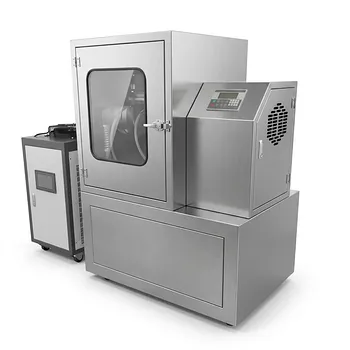
Vibratory Superfine Grinder for Ultra Fine Laboratory Powder Milling
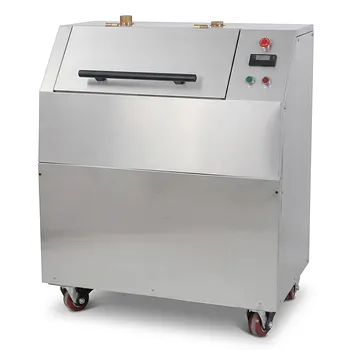
Vibratory Disc Mill for Rapid Fine Grinding and High Throughput Sample Preparation of Hard and Brittle Materials