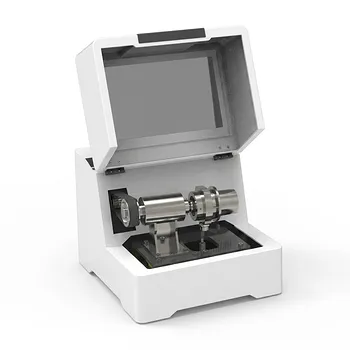
Why are silicon nitride grinding balls selected for SiAlON ceramics? Ensure purity and mechanical integrity.
Updated 5 months ago
Silicon nitride (Si₃N₄) grinding balls are specifically chosen for SiAlON ceramic preparation to achieve "homogeneous grinding," a process that eliminates the risk of foreign chemical contamination. Since silicon nitride is the primary structural component of the SiAlON matrix, any microscopic wear from the grinding media is chemically compatible with the final product. This ensures the maximum chemical purity and mechanical integrity of the synthesized ceramic.
The selection of silicon nitride media is a strategic decision to align the chemistry of the grinding tools with the chemistry of the target material, effectively neutralizing the negative impact of media wear on the final product's performance.
The Principle of Homogeneous Grinding
Chemical Compatibility with the SiAlON Matrix
SiAlON ceramics are oxynitride systems primarily composed of silicon, aluminum, oxygen, and nitrogen. Because silicon nitride serves as the foundation for this matrix, using it as a grinding medium ensures that the wear debris does not act as a contaminant.
The minor wear components shed during the milling process are chemically indistinguishable from the raw material. This "self-matching" approach allows the impurities to be assimilated into the ceramic structure during the reaction synthesis process.
Eliminating Heterogeneous Impurities
Conventional grinding media, such as steel or alumina, introduce foreign metallic ions or oxides into the powder mix. These heterogeneous impurities can create secondary phases that weaken the grain boundaries of the final SiAlON ceramic.
By using silicon nitride, engineers prevent these unwanted elements from interfering with the material's phase purity. This is especially critical in applications like phosphors, where metallic contaminants can degrade luminescent performance.
Mechanical Superiority in High-Energy Milling
Extreme Hardness and Wear Resistance
SiAlON raw components are often extremely hard and require long-duration, high-energy ball milling to reach the necessary fineness. Silicon nitride possesses the exceptional hardness required to refine these powders without excessive material loss from the balls themselves.
The superior wear resistance of Si₃N₄ ensures that the grinding media maintains its physical shape and size over time. This stability results in a more predictable and repeatable milling process across different production batches.
Grinding Efficiency and Phase Stability
High-intensity grinding, such as planetary or attrition milling, generates significant thermal and mechanical stress. Silicon nitride's chemical stability prevents it from reacting with the raw powders under these high-energy conditions.
This stability ensures that the phase research and development of the ceramic remain accurate. Researchers can be confident that the final phase composition is a result of their raw material ratios rather than accidental contamination from the mill.
Understanding the Trade-offs
The Cost of High Purity
Silicon nitride grinding media is significantly more expensive than standard alumina or zirconia options. For low-performance applications where minor contamination is tolerable, the high capital investment in Si₃N₄ tools may not be economically justified.
Processing Limitations
While Si₃N₄ is ideal for silicon-based systems, it is not a "universal" solution. In non-silicon systems, silicon nitride can become a primary contaminant itself, illustrating that the value of this media is strictly tied to the chemical profile of the target material.
Making the Right Choice for Your Goal
How to Apply This to Your Project
- If your primary focus is Maximum Mechanical Strength: Always utilize silicon nitride media to prevent the grain boundary weakening caused by metallic oxide contaminants.
- If your primary focus is Optical or Luminescent Purity: Select high-purity silicon nitride tools to ensure that foreign ions do not quench the phosphor's light-emitting properties.
- If your primary focus is Cost Optimization: Consider using silicon nitride only during the final "deep refinement" stage, using more affordable media for initial, coarse grinding if the contamination risk is manageable.
The use of silicon nitride grinding balls is the definitive method for ensuring that the chemical integrity and high-performance characteristics of SiAlON ceramics are fully realized.
Summary Table:
| Feature | Advantage | Impact on SiAlON Production |
|---|---|---|
| Homogeneous Grinding | Chemically matches the SiAlON matrix | Eliminates foreign contamination & chemical impurities |
| Extreme Hardness | Superior wear resistance | Maintains media shape; ensures consistent powder fineness |
| High Phase Stability | No reaction under milling stress | Protects phase purity and research accuracy |
| Mechanical Integrity | Prevents secondary phases | Maximizes final ceramic strength and luminescent performance |
Elevate Your Material Purity with Professional Sample Prep Solutions
Achieving superior mechanical strength and optical purity in SiAlON ceramics requires equipment that understands your chemistry. At [Brand Name], we provide complete laboratory sample preparation solutions for material science, specializing in high-performance powder processing and compaction equipment.
Our extensive product line is designed to support every stage of your workflow:
- Advanced Milling: Optimize your fineness with our planetary ball mills, jet mills, and liquid nitrogen cryogenic grinders.
- Precision Compaction: We manufacture a full spectrum of hydraulic presses, including Cold/Warm Isostatic Presses (CIP/WIP), standard lab presses, and vacuum hot presses.
- Sizing & Mixing: Complete your setup with our vibratory sieve shakers, powder mixers, and high-efficiency defoaming mixers.
Don't let media wear compromise your results. Contact our technical experts today to discover how our specialized tools can enhance your lab's efficiency and material integrity!
References
- Erhan Ayas. Mechanical, Electrical and Thermal Properties of α/β SiAlON-SiC Composites Fabricated by Gas Pressure Sintering Method. DOI: 10.18038/aubtda.279850
Mentioned Products
- Laboratory Nano High Energy Ball Mill Ultrafine Grinding Mechanical Alloying
- High Energy Laboratory Planetary Ball Mill for Nano Grinding and Material Science Sample Preparation
- Vertical Semi Circular Planetary Ball Mill for Laboratory Precision Grinding
- 8L Planetary Ball Mill for Laboratory Grinding and Sample Preparation
- High Energy Planetary Ball Mill for Nano Scale Grinding and Colloidal Mixing in Material Science Research
People Also Ask
- Role of Lab Ball Mills in Activating Coal Fly Ash for Cement: Enhance Reactivity and Strength
- What core function does a laboratory ball mill perform during phosphate ore grinding? Achieve Monomer Dissociation
- What are the primary functions of a laboratory ball mill or powder mixer when synthesizing multi-component standard reference materials?
- How does the size distribution of steel ball grinding media affect ore grindability? Optimize Energy & Lab Accuracy
- What role does a laboratory ball mill play in the study of chalcopyrite mineral liberation? Key for Recovery Success

Tech Team · PowderPreparation
Last updated on May 14, 2026
Related Products
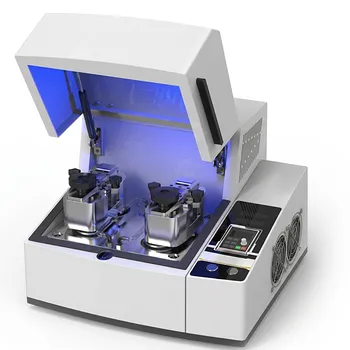
Laboratory Nano High Energy Ball Mill Ultrafine Grinding Mechanical Alloying
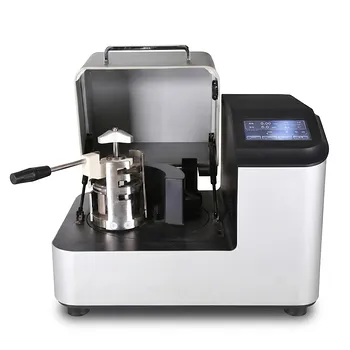
High Energy Laboratory Planetary Ball Mill for Nano Grinding and Material Science Sample Preparation
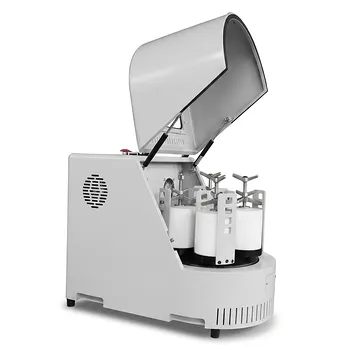
Vertical Semi Circular Planetary Ball Mill for Laboratory Precision Grinding
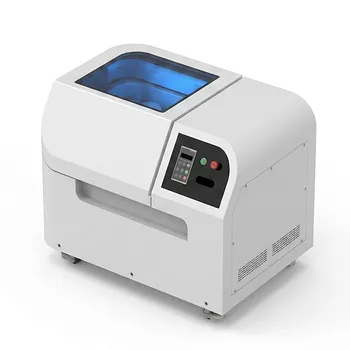
8L Planetary Ball Mill for Laboratory Grinding and Sample Preparation
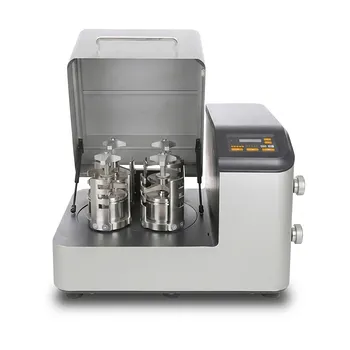
High Energy Planetary Ball Mill for Nano Scale Grinding and Colloidal Mixing in Material Science Research
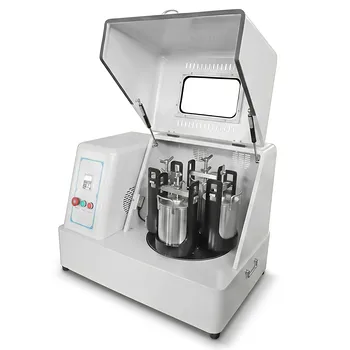
Vertical Square Planetary Ball Mill for Laboratory Sample Preparation and Nanoscale Grinding
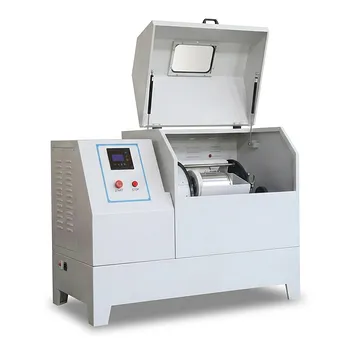
Heavy Duty Horizontal Planetary Ball Mill for Efficient Industrial Grinding and Sample Preparation
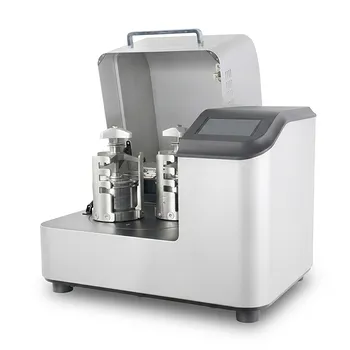
High Energy Planetary Ball Mill for Nano Scale Grinding and Mechanical Alloying
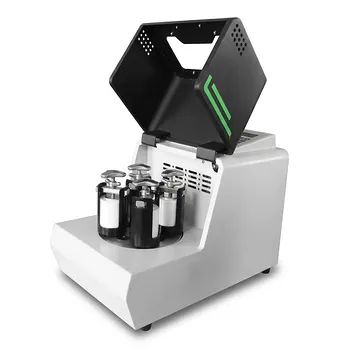
Miniature Planetary Ball Mill with Vacuum Grinding and High Efficiency for Laboratory Sample Preparation
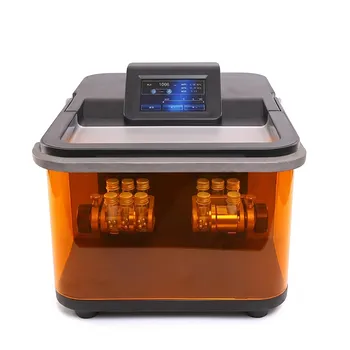
High Throughput Micro Ball Mill for Cryogenic Grinding and Laboratory Cell Disruption
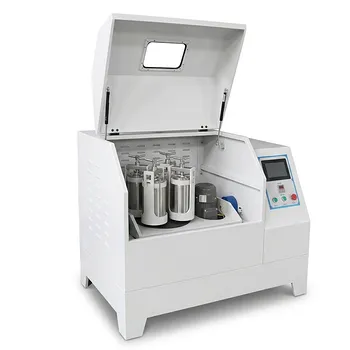
360° Rotating Omnidirectional Laboratory Planetary Ball Mill for Homogeneous Ultra-Fine Grinding and Mixing
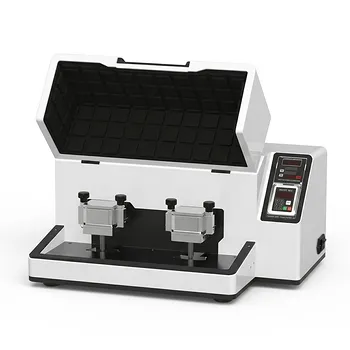
Nanoscale High Energy Vibratory Ball Mill Low Temperature