Why are perforated metal frames and venting liners required in hot pressing bio-based particleboard? Manage Steam Pressure
Updated 3 months ago
The primary reason for using perforated metal frames and venting liners is moisture management. During the hot pressing cycle, high temperatures convert moisture within the wood particles into pressurized steam. Without these ventilation channels, the internal vapor pressure would cause the board to burst or delaminate the moment the press is released.
To maintain the structural integrity of 100% biomass boards, perforated components provide a critical escape route for internal steam. This controlled decompression prevents internal structural failure and ensures consistent material performance.
The Mechanics of Steam Generation
Conversion of Moisture to Vapor
During the hot pressing cycle, the biomass material is subjected to extreme temperatures. This heat causes any residual moisture within the wood particles to rapidly convert into steam.
The Risk of Internal Pressure
As steam forms, it becomes trapped within the dense structure of the compressed particles. If this pressure is not relieved, it builds up significantly, seeking the path of least resistance to escape.
Preventing Structural Failure
If the internal steam pressure exceeds the bonding strength of the resin and fibers, it leads to "blows" or internal bursting. This results in delamination, where the layers of the board separate, rendering the product useless.
The Role of Perforated Frames and Liners
Creating Controlled Escape Channels
Perforated metal frames act as the primary infrastructure for vapor management. They provide specific pathways that allow steam to migrate from the center of the board to the outer edges of the mold.
The Function of Venting Liners
Specialized venting liners work in tandem with the frames to ensure steam does not become trapped against the mold surfaces. These liners bridge the gap between the biomass material and the rigid mold, facilitating a continuous flow of vapor.
Ensuring Performance Consistency
By effectively managing the evacuation of moisture, these components ensure the 100% biomass boards achieve a uniform density. This process is vital for meeting the rigorous structural requirements of industrial applications.
Material Requirements for Effective Pressing
Thermal Conductivity and Heat Transfer
The molds must be made of high-quality steel to ensure rapid and uniform heat transfer. High thermal conductivity allows heat to move from the hydraulic press platens through the mold and into the center of the biomass core efficiently.
Mechanical Strength Under High Pressure
The mold assembly must withstand uniaxial pressures reaching up to 102 MPa. Specialized steel with extreme hardness is required to prevent deformation over long production cycles and repeated thermal loading.
Understanding the Trade-offs
Balancing Ventilation and Surface Finish
While larger perforations allow for faster steam escape, they can leave impressions on the surface of the particleboard. Engineers must balance the diameter of the perforations with the desired aesthetic and tactile quality of the final product.
Maintenance and Clogging Risks
Venting liners and perforated frames are susceptible to clogging from fine biomass particles or resin buildup. Regular cleaning and maintenance are mandatory to ensure the ventilation channels remain open and functional.
Pressure Distribution Challenges
The introduction of perforations and liners can slightly complicate the distribution of pressure across the material. Precisely engineered mold components are necessary to ensure that the structural benefits of ventilation do not come at the cost of uneven board density.
How to Apply This to Your Production Process
When designing or selecting molds for bio-based particleboard production, your hardware choices should align with your specific material characteristics and quality requirements.
- If your primary focus is maximizing structural bond strength: Ensure your venting liners are cleared of debris after every cycle to prevent any localized pressure build-up.
- If your primary focus is achieving high-speed production cycles: Utilize steel molds with the highest possible thermal conductivity to reduce the time required for the biomass core to reach curing temperature.
- If your primary focus is superior surface quality: Opt for specialized micro-perforated liners that allow steam escape without leaving significant visible patterns on the board face.
By integrating perforated frames and venting liners into your mold design, you transition from high-risk thermal processing to a controlled, repeatable manufacturing environment.
Summary Table:
| Component | Primary Function | Key Benefit |
|---|---|---|
| Perforated Frames | Creates steam escape pathways | Prevents internal bursting and delamination |
| Venting Liners | Bridges gap between material and mold | Facilitates continuous vapor flow and uniform density |
| High-Conductivity Steel | Rapidly transfers heat to the core | Ensures even curing and reduces cycle times |
| Specialized Molds | Withstands uniaxial pressure (up to 102 MPa) | Prevents mold deformation under extreme loading |
Elevate your bio-based material research with KinTek's precision engineering. Providing complete laboratory sample preparation solutions for material science, we specialize in high-performance powder processing and compaction equipment. Our extensive product lines include crushers, planetary ball mills, and a full spectrum of hydraulic presses—including Hot Presses, Vacuum Hot Presses, and Cold/Warm Isostatic Presses (CIP/WIP)—specifically designed to handle the rigorous demands of biomass and composite manufacturing. Contact us today to find the perfect pressing solution for your lab and ensure consistent, high-quality results!
References
- Janis Andris Krumins, Dagnija Blumberga. Particle Boards from Forest Residues and Bio-Based Adhesive. DOI: 10.3390/buildings14020462
Mentioned Products
- 6 Ton Variable Frequency Single Punch Tablet Press
- 5 Ton Single Punch Tablet Press Laboratory Small Batch Production
- Heating Temperature Controlled High Energy Vibratory Ball Mill
- Portable Cutting Mill for Laboratory Sample Preparation and RoHS WEEE Compliance Testing
- Water Cooled Continuous Feed Pulverizer Laboratory Grade Herb and Material Grinding System
People Also Ask
- Why is a laboratory hydraulic press required for FT-IR KBr pellets? Achieve Precise Sample Clarity for ZrC–SiC Analysis
- Why is vacuum sealing and flexible packaging necessary for Aluminum Titanate powders during CIP? Ensure Peak Density
- What are the advantages of using hardened steel molds and graphite spray for titanium powder? Ensure structural integrity
- Why is a laboratory hydraulic press required to compress oyster shell powder before XRF analysis? Improve Data Accuracy.
- What role does a high-strength stainless steel mold kit play in the uniaxial die compaction process? Ensuring Precision

Tech Team · PowderPreparation
Last updated on Jun 03, 2026
Related Products
6 Ton Variable Frequency Single Punch Tablet Press
5 Ton Single Punch Tablet Press Laboratory Small Batch Production
Heating Temperature Controlled High Energy Vibratory Ball Mill
Portable Cutting Mill for Laboratory Sample Preparation and RoHS WEEE Compliance Testing
Water Cooled Continuous Feed Pulverizer Laboratory Grade Herb and Material Grinding System
Water Cooled Pulse Jet Ultrafine Grinder
Manual Tablet Press with Dual Scale Pressure Gauge for Pharmaceutical Food Chemical Laboratory Sample Preparation
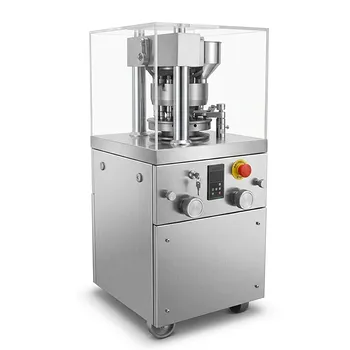
Ordinary Type Rotary Tablet Press for Pharmaceutical Chemical Food Electronic Industries
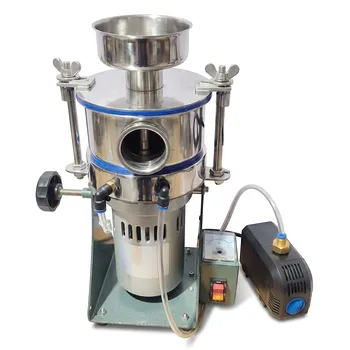
Water Cooled Airflow Ultra Fine Grinder for Low Temperature Material Processing
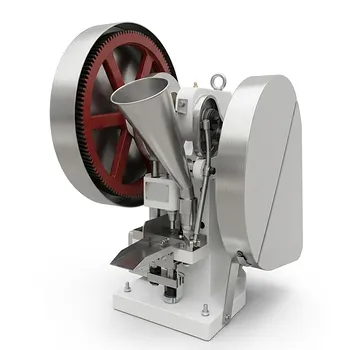
6-Ton Small Single-Punch Tablet Press — Laboratory Powder & Granule Tableting Equipment / Tablet Forming Machine
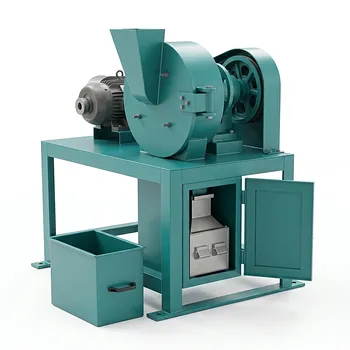
Sealed Disc Pulverizer Customized Model
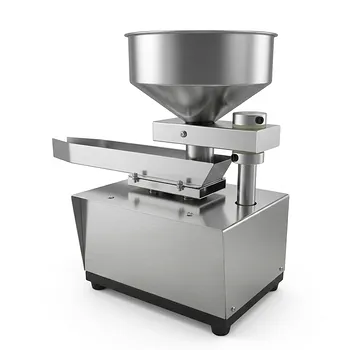
Automatic Vibrating Powder Feeder for Laboratory Material Processing Precision Vibratory Hopper Feeder for Granular and Powder Material Handling Industrial Grade Vibrating Tray Feeder for Consistent Material Sample Preparation
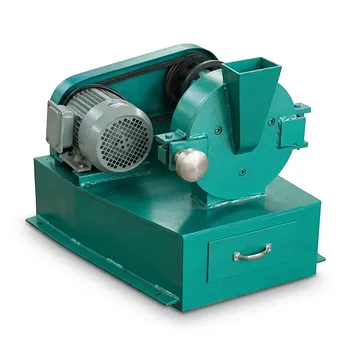
Medium Hardness Material Disc Pulverizer for Coal Ore Sample Preparation
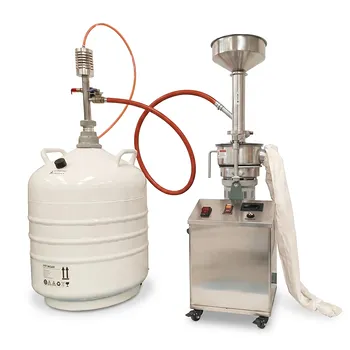
Laboratory Liquid Nitrogen Cryogenic Grinder Polymer Sample Preparation Pulverizer
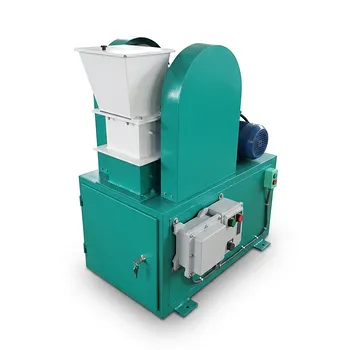
Custom Explosion-Proof Sealed Jaw Crusher for Laboratory and Industrial Sample Preparation
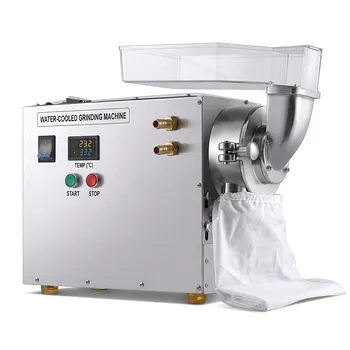
Water Cooled Graduated Continuous Feed Pulverizer for Industrial Powder Processing and Laboratory Material Preparation
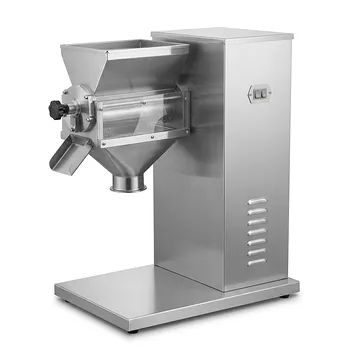
Small Swing Granulator Efficient Powder Granulation for Pharmaceutical Chemical Food Industries
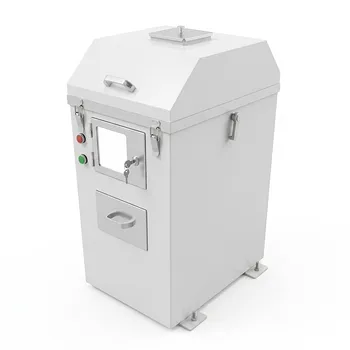
Sealed Double Roll Crusher for Laboratory Sample Preparation of Medium Hardness Materials
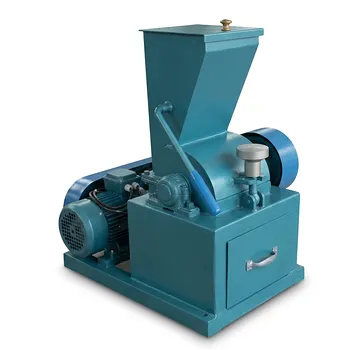
Small Hammer Crusher for Brittle Material Crushing in Mining Metallurgy and Lab Sample Preparation