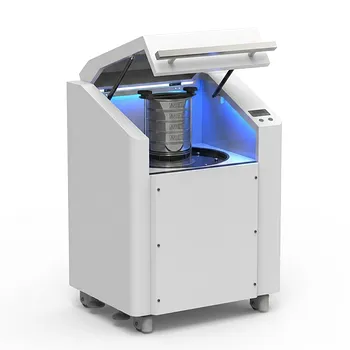
Why use metal test sieves for microplastic extraction? Optimize Your Sediment Analysis
Updated 4 months ago
Metal test sieves are the primary mechanical tools used to isolate, classify, and concentrate microplastic particles from complex sediment matrices. By utilizing precise mesh apertures, these sieves allow researchers to effectively intercept suspected plastic particles suspended in liquids, ensuring the sample falls within a specific size distribution for accurate microscopic and chemical analysis.
Core Takeaway: Metal test sieves serve as a precision cutoff mechanism that standardizes sample sizes, removes interfering organic debris, and simplifies the transition from bulk sediment to purified microplastic isolates.
Standardizing Particle Size for Statistical Accuracy
Establishing Clear Size Boundaries
Microplastic research requires strict adherence to size definitions, typically isolating particles between 1 mm and 5 mm or focusing on fine fractions down to 63 μm. Using specific mesh sizes ensures that the resulting data is comparable across different studies and geographic sampling sites.
Normalizing Grain Size Distribution
Sieving eliminates the "dilution effect" caused by varying amounts of coarse sand and gravel in different samples. By normalizing the grain size through physical screening, researchers can more accurately assess the concentration of pollutants or plastics relative to the sediment's surface area.
Achieving Representative Samples
Precision sieving allows for the grading of pulverized polymer powders to obtain a target median diameter (Dx50). This process removes oversized agglomerates and excessively fine particles, ensuring the sample used in experiments is representative of the environment being studied.
Enhancing Analytical Efficiency
Removing Large-Scale Interference
A primary 5 mm sieve acts as a mechanical filter to exclude macroplastics and large organic debris like plant remains. Removing these "macro" elements early in the process prevents them from interfering with sensitive downstream steps like digestion or microscopic counting.
Protecting Downstream Equipment
By filtering out undissolved particles and large mineral grains, sieves protect delicate filtration membranes used in later stages. This physical screening simplifies the subsequent digestion and examination steps, reducing the risk of equipment clogging or sample loss.
Isolating Bioavailable Fractions
Fine laboratory sieves, such as the 63 μm mesh, are used because smaller particles often have a higher capacity for organic matter adsorption and pollutant enrichment. These fine fractions represent the most sensitive and bioavailable portion of the sediment sample.
Facilitating Purification and Solid-Liquid Separation
Intercepting Particles Post-Digestion
Precision sieves with apertures like 100 μm are essential for the initial filtration following the chemical digestion of organic matter. They physically catch the target microplastics while allowing the digested liquid and dissolved residues to pass through freely.
Enabling Efficient Rinsing
The structure of metal test sieves allows for the direct rinsing of intercepted materials with distilled water. This facilitates preliminary purification and solid-liquid separation, ensuring that the plastics are clean before they are moved to the final characterization stage.
Understanding the Trade-offs
The Risk of Mesh Blinding
One significant challenge is "blinding," where particles become lodged in the mesh openings, potentially leading to the loss of target microplastics. This requires careful cleaning and the use of specialized sieving techniques to maintain the integrity of the size cutoff.
Potential for Sample Contamination
While stainless steel sieves are used to avoid plastic contamination, they must be meticulously cleaned between samples to prevent cross-contamination. Any residual particles from a previous batch can skew the statistical results of the current analysis.
How to Apply This to Your Project
Selecting the Right Sieve for Your Research
Effective microplastic extraction depends on matching the sieve aperture to your specific analytical goals.
- If your primary focus is macro-debris removal: Use a 5 mm metal sieve to rapidly exclude large organic matter and macroplastics before fine-scale processing.
- If your primary focus is standardized statistical analysis: Utilize a multi-stage sieving approach with 1 mm and 5 mm apertures to classify particles into internationally recognized size bins.
- If your primary focus is trace metal or pollutant enrichment: Focus your efforts on the 63 μm fine fraction, as this size range typically holds the highest concentration of adsorbed contaminants.
- If your primary focus is post-digestion cleanup: Employ a 100 μm precision sieve to intercept microplastics while allowing digested chemicals and fine organic slurry to be washed away.
By mastering the mechanical separation of particles through precision sieving, you ensure that your microplastic data is both scientifically rigorous and environmentally representative.
Summary Table:
| Application Stage | Recommended Aperture | Primary Function |
|---|---|---|
| Macro-Debris Removal | 5 mm | Excludes large organic matter and macroplastics |
| Statistical Binning | 1 mm – 5 mm | Normalizes grain size for global data comparison |
| Pollutant Enrichment | 63 μm | Isolates fine fractions with high adsorption capacity |
| Post-Digestion Cleanup | 100 μm | Intercepts particles while passing chemical residues |
Elevate Your Laboratory Precision with Our Expert Solutions
At [Your Brand Name], we provide complete laboratory sample preparation solutions tailored for material science and environmental research. We specialize in high-performance powder processing and compaction equipment designed to ensure the integrity of your samples.
Our extensive product range includes:
- Sieving Excellence: Vibratory and air-jet sieve shakers with a full range of precision test sieves and meshes.
- Advanced Milling: Planetary ball mills, jet mills, and cryogenic grinders for superior particle size reduction.
- Compaction & Pressing: A full spectrum of hydraulic presses, including Cold/Warm Isostatic Presses (CIP/WIP), XRF pellet presses, and vacuum hot presses.
- Processing Tools: Industrial-grade crushers, powder mixers, and specialized defoaming mixers.
Whether you are isolating microplastics or developing new materials, our equipment delivers the reliability and accuracy your research demands. Contact our technical team today to discuss how our specialized solutions can enhance your lab's efficiency!
References
- Partho Banik, Jun Sun. Microplastics in Sediment of Kuakata Beach, Bangladesh: Occurrence, Spatial Distribution, and Risk Assessment. DOI: 10.3389/fmars.2022.860989
Mentioned Products
- Stainless Steel Laboratory Vibratory Test Sieve Shaker
- Laboratory Vibratory Test Sieve Shaker for Precision Particle Size Analysis and Powder Grading
- Small Laboratory Vibrating Sieve Shaker for Precise Particle Size Analysis
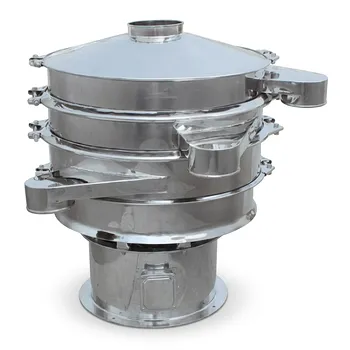
- Stainless Steel Rotary Vibrating Sieve High Precision Circular Vibratory Separator Industrial Powder Grading Machine Multi Layer Sifting Equipment
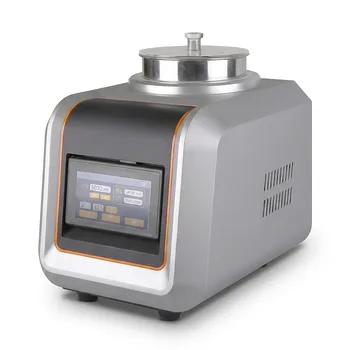
- Laboratory Air Jet Sieving Machine for Fine Powder Particle Size Analysis and Deagglomeration
People Also Ask
- What function does a laboratory vibratory sieve shaker serve in the production process of metakaolin? Optimize Reactivity
- Why is a precision laboratory vibratory sieve shaker necessary for particle size control? Optimize Biomass Carbonization
- What is the function of a laboratory vibratory sieve shaker? Enhance Coal Particle Size Distribution (PSD) Analysis
- What role do laboratory vibratory sieve shakers and test sieves play before the molding of Nb-Cu composite powders?
- What is the primary function of a laboratory vibratory sieve shaker in the evaluation of sand liquefaction potential?

Tech Team · PowderPreparation
Last updated on May 14, 2026
Related Products
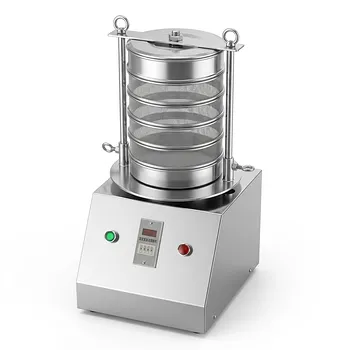
Stainless Steel Laboratory Vibratory Test Sieve Shaker
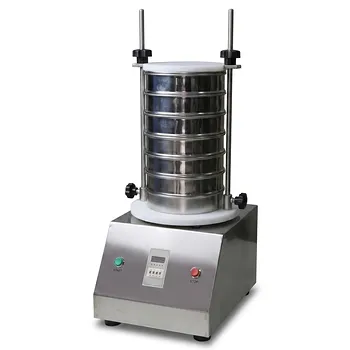
Laboratory Vibratory Test Sieve Shaker for Precision Particle Size Analysis and Powder Grading
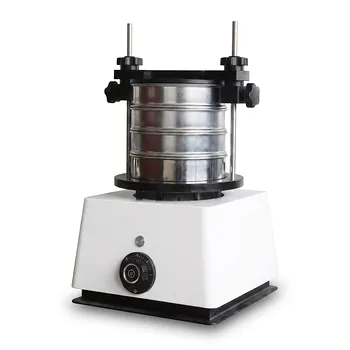
Small Laboratory Vibrating Sieve Shaker for Precise Particle Size Analysis
Stainless Steel Rotary Vibrating Sieve High Precision Circular Vibratory Separator Industrial Powder Grading Machine Multi Layer Sifting Equipment
Laboratory Air Jet Sieving Machine for Fine Powder Particle Size Analysis and Deagglomeration
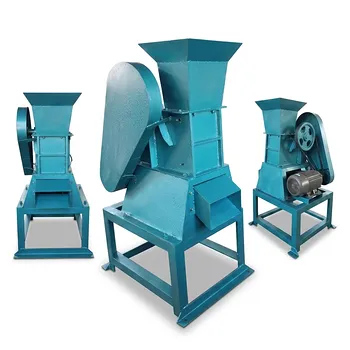
Custom Raised Height Laboratory Jaw Crusher for Precision Sample Preparation in Material Science
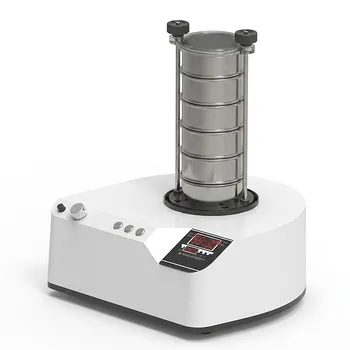
三维电磁微量振动筛分仪
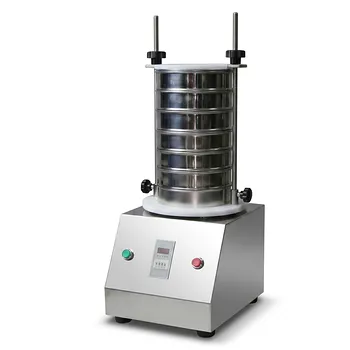
Small Laboratory Vibratory Sieve Shaker for Powder Gradation and Particle Size Analysis
Versatile Industrial Crusher for Laboratory Crushing and Material Processing
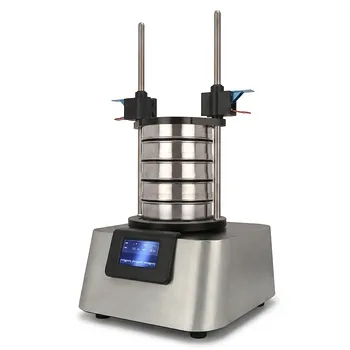
Vibratory Sieve Shaker Electromagnetic 3D Motion Powder Particle Size Analyzer for Dry and Wet Sieving
Laboratory Disc Mill for Ore and Mineral Sample Preparation
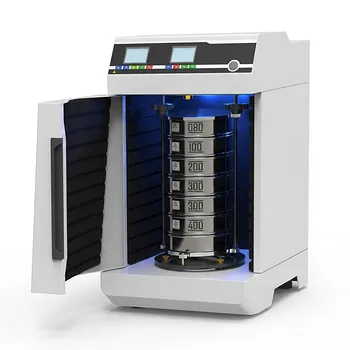
Laboratory Dry and Wet Three Dimensional Vibratory Sieve Shaker for Particle Analysis
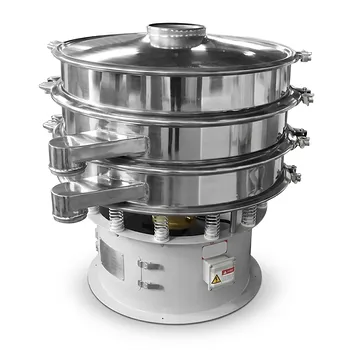
Three Dimensional Rotary Vibrating Sieve
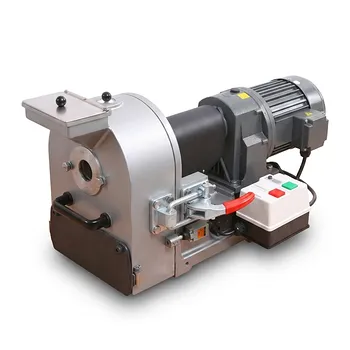
Laboratory Disc Mill for Fine Sample Preparation of Hard and Brittle Materials
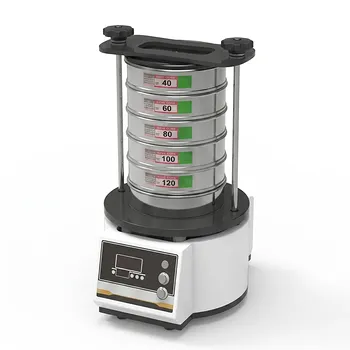
Dry Three Dimensional Vibratory Sieve Shaker
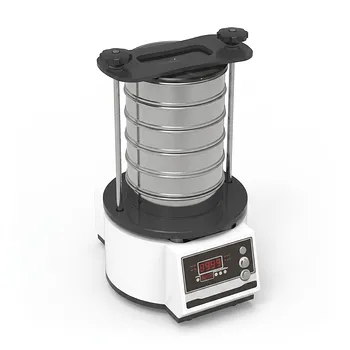
Tapping Oscillating Sieve Shaker for Dry and Wet Particle Size Analysis
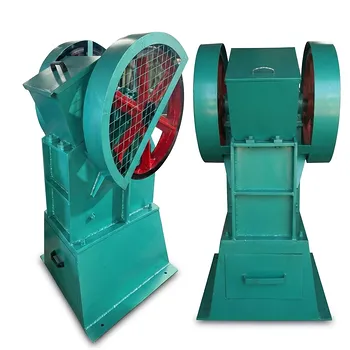
Sealed Jaw Crusher for Laboratory Material Crushing and Sample Preparation
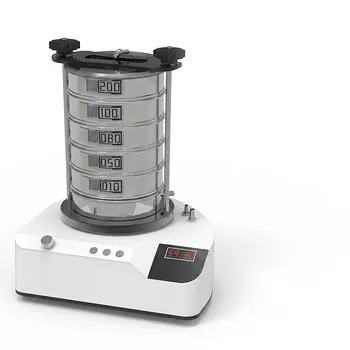
Heavy Duty Dry Three Dimensional Vibratory Sieve Shaker for Particle Separation
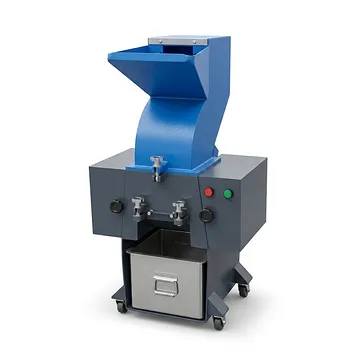
Heavy-Duty Crusher for Laboratory and Industrial Material Size Reduction