Why use Vibratory Sieve Shakers for RAP Analysis? Boost Pavement Strength & Ensure AASHTO Compliance
Updated 5 months ago
Laboratory vibratory sieve shakers and standard test sieves are essential for RAP gradation analysis because they provide the mechanical precision required to separate recycled grindings into specific particle size fractions. This classification is the only way to verify compliance with standards like AASHTO T27, ensuring the material meets design requirements—such as 100% passing a 2-inch sieve—which directly determines the density and structural strength of the final pavement.
Core Takeaway: Gradation analysis using vibratory shakers is the fundamental process for ensuring that Reclaimed Asphalt Pavement (RAP) possesses the correct particle distribution to achieve maximum density, optimal interlocking, and long-term structural stability under traffic loads.
Ensuring Structural Integrity through Particle Classification
Optimizing the Mineral Skeleton
Precise gradation allows engineers to classify RAP into coarse aggregates (+4.75mm) and fine aggregates (-4.75mm). By controlling these ratios, the asphalt mixture achieves a continuous grading that maximizes the interlocking force of the mineral skeleton.
Reducing Porosity and Enhancing Density
Properly graded particles fill the voids between larger aggregates, significantly reducing porosity. This dense packing is critical for the pavement’s load-bearing capacity and its ability to resist deformation over time.
Verifying Regulatory Compliance
The use of high-precision sieves ensures that the recycled material adheres to international standards like ASTM C136 and ASTM E11. This verification is mandatory for ensuring the road surface meets the required impact and wear resistance for specific traffic volumes.
Optimizing Mixture Performance and Longevity
Managing Fine Powders and Fillers
Vibratory shakers help identify the content of fine powders passing through a 0.074mm (No. 200) sieve. Strict control of these fines is necessary to maintain the ideal mass ratio, which supports the asphalt binder and prevents premature cracking.
Detecting Material Clogging Patterns
In long-term performance testing, sieving allows for the quantitative analysis of particle migration. By identifying fine particle enrichment at specific layers (e.g., 0-25mm), engineers can detect potential physical clogging within the recycled material that might impede drainage.
Calculating the Fineness Modulus
Standardized sieves provide the physical basis for calculating the fineness modulus of the RAP. This value is a key indicator used to predict how the aggregate will behave during the mixing and compaction phases of road construction.
Understanding the Trade-offs and Limitations
Mechanical Stress vs. Particle Degradation
While vibratory shakers provide rapid results, excessive shaking time can cause aggregate degradation. Brittle RAP particles may break down during the test, leading to an inaccurate "finer" gradation than what actually exists in the stockpile.
Equipment Calibration Requirements
The accuracy of the analysis is entirely dependent on the integrity of the sieve mesh. Standard test sieves must be regularly calibrated to ensure apertures have not stretched or clogged, as even minor deviations can lead to non-compliant asphalt batches.
Manual vs. Automated Sieving
While manual sieving is possible for small samples, it lacks the repeatability and consistency of a mechanical shaker. Vibratory shakers remove human error from the oscillation process, providing the objective data required for large-scale infrastructure projects.
How to Apply This to Your Project
Making the Right Choice for Your Goal
- If your primary focus is Regulatory Compliance: Ensure your equipment setup strictly follows AASHTO T27 and ASTM E11 specifications, utilizing a full stack of calibrated sieves from 2-inch down to the No. 200 mesh.
- If your primary focus is Maximum Pavement Strength: Prioritize achieving a continuous grading curve to maximize particle interlocking and minimize the air voids in the compacted mixture.
- If your primary focus is Durability in High-Traffic Areas: Pay close attention to the fine powder content (0.074mm sieve) to ensure the dust-to-binder ratio remains within engineered limits for wear resistance.
By mastering the mechanical separation of RAP through standardized sieving, you ensure the technical foundation for a high-performing, sustainable road surface.
Summary Table:
| Key Feature | Role in RAP Analysis | Engineering Benefit |
|---|---|---|
| Particle Classification | Separates coarse (+4.75mm) from fine aggregates | Optimizes mineral skeleton & interlocking |
| Porosity Control | Identifies void-filling particle distribution | Enhances load-bearing capacity & density |
| Fines Management | Monitors 0.074mm (No. 200) sieve passing | Prevents premature cracking & binder failure |
| Standardization | Adheres to AASHTO T27 & ASTM E11 | Ensures regulatory compliance & durability |
Optimize Your Material Testing with Professional Grade Equipment
Achieving precise gradation in Reclaimed Asphalt Pavement (RAP) requires more than just standard tools; it demands industrial-grade accuracy. At [Your Brand Name], we provide complete laboratory sample preparation solutions tailored for material science and civil engineering.
Whether you are classifying aggregates or processing fine powders, our extensive product line supports your entire workflow:
- Sieve Analysis: High-performance vibratory and air-jet sieve shakers with a full range of calibrated test sieves.
- Sample Preparation: Heavy-duty crushers (jaw/roll), liquid nitrogen cryogenic grinders, and advanced planetary ball or jet mills.
- Compaction & Pelleting: A full spectrum of hydraulic presses, including Cold/Warm Isostatic Presses (CIP/WIP), vacuum hot presses, and XRF pellet presses.
- Mixing: Precision powder and defoaming mixers for uniform material blends.
Ensure your infrastructure projects meet the highest standards of structural integrity and longevity. Contact our experts today to find the perfect equipment configuration for your laboratory.
References
- Adam J. T. Hand, Peter E. Sebaaly. Evaluation of Low Volume Roads Surfaced with 100% RAP Millings. DOI: 10.3390/ma15217462
Mentioned Products
- Laboratory Vibratory Test Sieve Shaker for Precision Particle Size Analysis and Powder Grading
- Small Laboratory Vibratory Sieve Shaker for Powder Gradation and Particle Size Analysis
- Stainless Steel Laboratory Vibratory Test Sieve Shaker
- Small Laboratory Vibrating Sieve Shaker for Precise Particle Size Analysis
- Vibratory Sieve Shaker Electromagnetic 3D Motion Powder Particle Size Analyzer for Dry and Wet Sieving
People Also Ask
- What role does a laboratory sieve shaker play in determining PDI? Achieve Precision in Biomass Quality Testing
- What are the functions of sieve shakers for coconut shell powder? Achieve Precise Particle Size & Quality Control.
- What function does a laboratory sieve shaker perform in the PSD analysis of residual soil? Ensure Precise Grading
- What is the role of a laboratory sieve shaker in the preparation of plantain peel adsorbents? Standardize Particle Size
- What is the function of a laboratory vibratory sieve shaker? Enhance Coal Particle Size Distribution (PSD) Analysis

Tech Team · PowderPreparation
Last updated on May 14, 2026
Related Products
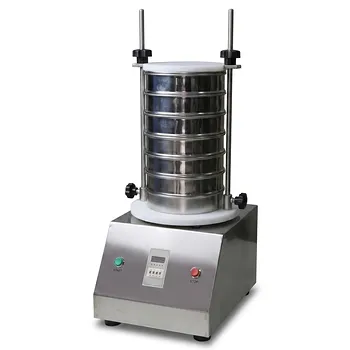
Laboratory Vibratory Test Sieve Shaker for Precision Particle Size Analysis and Powder Grading
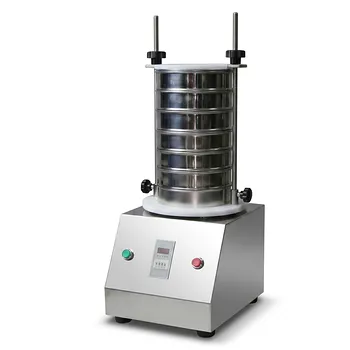
Small Laboratory Vibratory Sieve Shaker for Powder Gradation and Particle Size Analysis
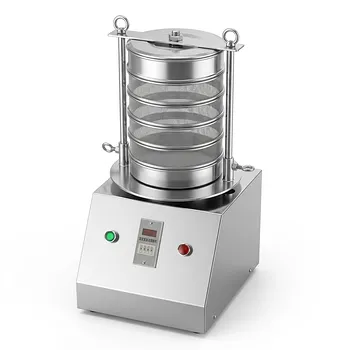
Stainless Steel Laboratory Vibratory Test Sieve Shaker
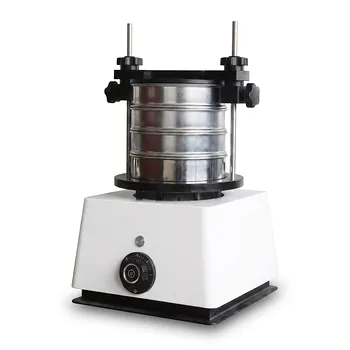
Small Laboratory Vibrating Sieve Shaker for Precise Particle Size Analysis
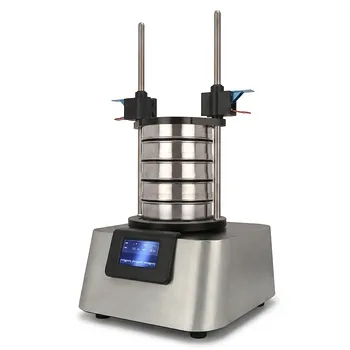
Vibratory Sieve Shaker Electromagnetic 3D Motion Powder Particle Size Analyzer for Dry and Wet Sieving
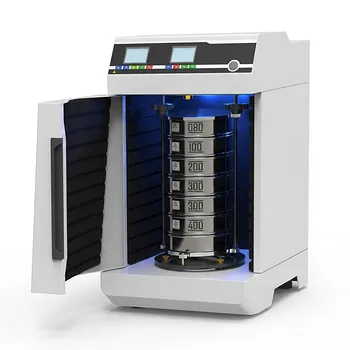
Laboratory Dry and Wet Three Dimensional Vibratory Sieve Shaker for Particle Analysis
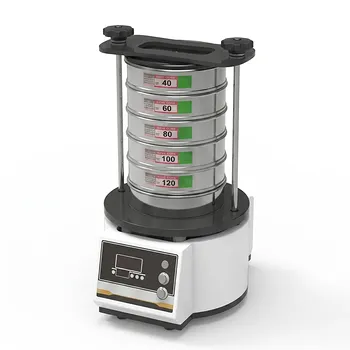
Dry Three Dimensional Vibratory Sieve Shaker
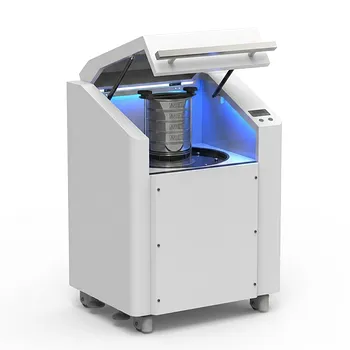
High Frequency Cabinet Type Three-Dimensional Rotary Vibrating Sieve Shaker for Dry Sieving and Particle Classification
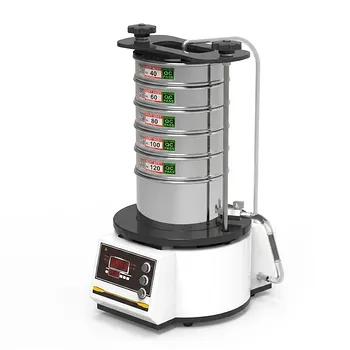
High Frequency Wet Three-Dimensional Vibrating Sieve Shaker for Dry and Wet Particle Size Analysis
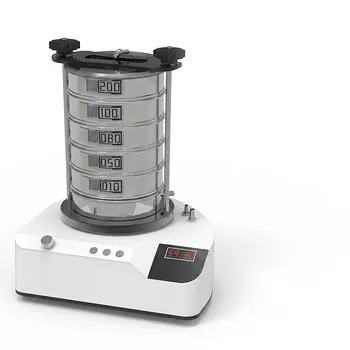
Heavy Duty Dry Three Dimensional Vibratory Sieve Shaker for Particle Separation
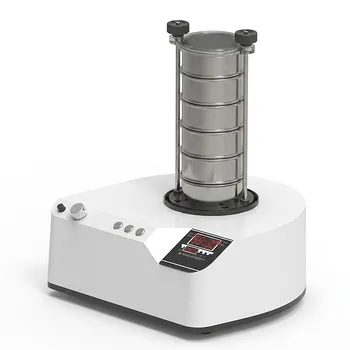
三维电磁微量振动筛分仪
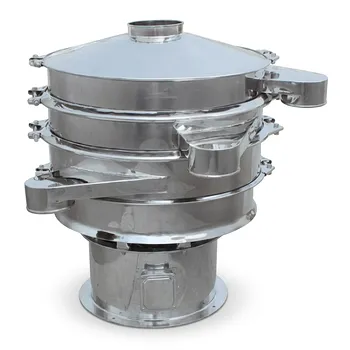
Stainless Steel Rotary Vibrating Sieve High Precision Circular Vibratory Separator Industrial Powder Grading Machine Multi Layer Sifting Equipment
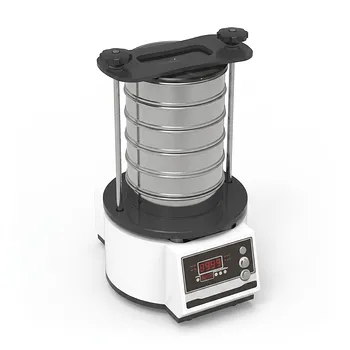
Tapping Oscillating Sieve Shaker for Dry and Wet Particle Size Analysis
High Speed Vibratory Disc Mill for Spectral Analysis Sample Preparation and Rapid Powder Grinding
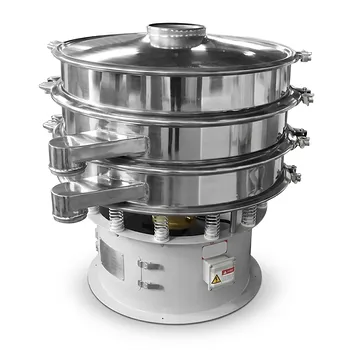
Three Dimensional Rotary Vibrating Sieve
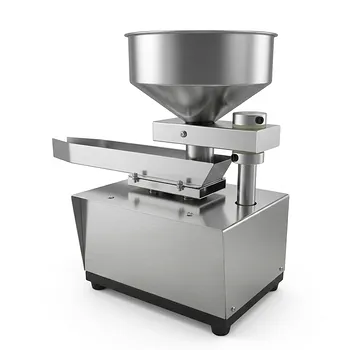
Automatic Vibrating Powder Feeder for Laboratory Material Processing Precision Vibratory Hopper Feeder for Granular and Powder Material Handling Industrial Grade Vibrating Tray Feeder for Consistent Material Sample Preparation
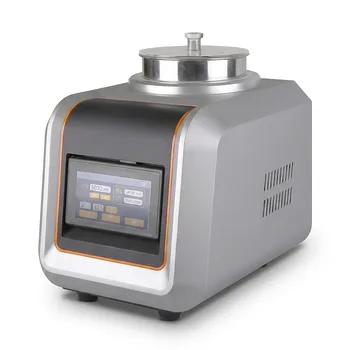
Laboratory Air Jet Sieving Machine for Fine Powder Particle Size Analysis and Deagglomeration
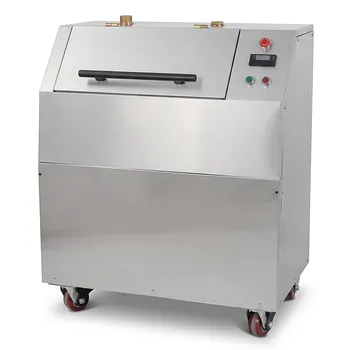
Vibratory Disc Mill for Rapid Fine Grinding and High Throughput Sample Preparation of Hard and Brittle Materials
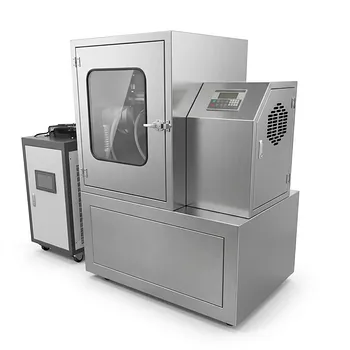
Vibratory Superfine Grinder for Ultra Fine Laboratory Powder Milling