Why are laboratory hydraulic presses and pelletizing dies essential for preparing copper ore samples for XRF analysis?
Updated 3 months ago
Sample preparation is the foundation of analytical accuracy. Laboratory hydraulic presses and pelletizing dies are essential because they transform loose copper ore powder into dense, flat, and structurally uniform pellets. This standardization ensures that the X-ray fluorescence (XRF) beam interacts with a consistent surface, which is the technical prerequisite for repeatable and accurate quantitative elemental analysis.
To achieve reliable XRF data, copper ore must be physically stabilized into a high-density pellet. The hydraulic press and die system eliminate powder voids and surface irregularities that would otherwise distort the X-ray signal and produce erroneous results.
Achieving Structural Density and Uniformity
Eliminating Internal Voids and Matrix Effects
Loose copper ore powder contains air pockets and internal voids that interfere with X-ray penetration. A hydraulic press applies high unit pressure to force these particles to rearrange and bond into a solid mass. This process eliminates the matrix effects caused by powder looseness, ensuring the sample has a consistent internal density.
Enhancing Signal Stability
A dense pellet ensures that the fluorescence signals emitted from the sample are highly representative of the actual elemental composition. Without high-pressure compaction, X-ray absorption and enhancement would be unpredictable. This stabilization allows for the accurate detection of both major elements and minor trace elements within the ore.
Standardizing the Analytical Surface
Reducing Surface Roughness and Scattering
Pelletizing dies are designed to produce a mirror-smooth surface on the sample. Surface irregularities on raw powder can cause X-ray scattering, which significantly degrades the precision of the analysis. A flat, smooth pellet surface ensures that the X-ray beam is reflected and received uniformly by the detector.
Optimizing Excitation Geometry
For XRF spectroscopy to be accurate, the geometric relationship between the X-ray source and the sample must remain constant. The use of specialized dies creates cylindrical pellets with precise dimensions. This geometric consistency allows the excitation beam to act uniformly across the entire sample surface.
Improving Detection Sensitivity
Accuracy Across the Elemental Spectrum
High-density pellets are necessary to accurately measure the mass fractions of diverse components, such as niobium, iron, and silica. By creating a structurally dense pellet, the hydraulic press reduces "particle size effects." This ensures that the X-ray beam can stably detect even low concentrations of heavy metals like Cr and Pb.
Integration of Binding Agents
In many cases, copper ore requires a binder (such as boric acid) to hold the pellet together. The hydraulic press ensures the binder and ore are perfectly integrated under pressure. This results in a durable, high-density sample that can be handled and analyzed without shedding dust or breaking.
Understanding the Trade-offs
The Risk of Over-Pressing
Applying excessive pressure can occasionally lead to sample lamination or cracking once the pressure is released. It is vital to calibrate the hydraulic press to the specific mineralogy of the copper ore. Finding the "sweet spot" of pressure ensures durability without compromising the physical integrity of the pellet.
Maintenance and Contamination
The high-strength steel or tungsten carbide used in pelletizing dies must be kept meticulously clean. Any residue from previous samples can lead to cross-contamination, skewing the results of the XRF analysis. Furthermore, worn or scratched dies will produce pellets with surface defects, reintroducing the scattering issues the process is meant to solve.
Making the Right Choice for Your Goal
Selecting the right preparation equipment depends on the specific requirements of your laboratory workflow.
- If your primary focus is high-throughput routine testing: Utilize an automated hydraulic press to ensure that every sample is subjected to the exact same pressure and dwell time for maximum repeatability.
- If your primary focus is trace element sensitivity: Invest in high-purity tungsten carbide dies to minimize the risk of sample contamination and ensure the smoothest possible analytical surface.
- If your primary focus is analyzing "difficult" or fragile ore types: Integrate a binder and use a press with a programmable slow-release cycle to prevent the pellets from cracking upon decompression.
Standardized pelletizing is the definitive factor in transforming raw copper ore into high-precision, actionable analytical data.
Summary Table:
| Feature | Component | Analytical Benefit |
|---|---|---|
| Structural Density | Hydraulic Press | Eliminates air voids and matrix effects for consistent X-ray penetration. |
| Surface Quality | Pelletizing Die | Produces a mirror-smooth surface to reduce X-ray scattering and signal noise. |
| Geometric Precision | Pelletizing Die | Standardizes sample dimensions for optimized and repeatable excitation geometry. |
| Sample Integrity | Binder + Press | Ensures fragile ores remain stable and dust-free during handling and analysis. |
Elevate Your Analytical Precision with Professional Sample Prep
High-quality XRF data begins with flawless sample preparation. At [Brand Name], we provide complete laboratory sample preparation solutions for material science, specializing in high-performance powder processing and compaction equipment.
Our extensive lines are designed to meet the rigorous demands of mineralogy and material research, including:
- Size Reduction: Jaw and roll crushers, liquid nitrogen cryogenic grinders, and high-efficiency mills (planetary ball, jet, sand/bead, disc, and rotor).
- Classification & Mixing: Vibratory/air-jet sieve shakers, powder mixers, and defoaming mixers.
- Compaction Solutions: A full spectrum of hydraulic presses, including standard lab presses, specialized XRF pellet presses, Hot Presses, and Cold/Warm Isostatic Presses (CIP/WIP).
Whether you are focusing on trace element sensitivity or high-throughput routine testing, our equipment ensures the density and uniformity required for repeatable results.
Ready to optimize your lab's workflow? Contact us today to find the perfect press and die configuration for your specific application!
References
- Willie Nheta, Omoyemi O. Ola-Omole. Exploring the characterization, liberation and flotation response of a Nigerian low-grade copper ore. DOI: 10.46873/2300-3960.1374
Mentioned Products
- 6-Ton Small Single-Punch Tablet Press — Laboratory Powder & Granule Tableting Equipment / Tablet Forming Machine
- 5 Ton Single Punch Tablet Press Laboratory Small Batch Production
- Manual Tablet Press with Dual Scale Pressure Gauge for Pharmaceutical Food Chemical Laboratory Sample Preparation
- 6 Ton Variable Frequency Single Punch Tablet Press
- High Speed Small Laboratory Crusher for Dry Material Sample Preparation
People Also Ask
- What is the function of a laboratory press in Cr-Ti alloy evaluation? Quantify Fracture Stress & Strength
- What is the function of a laboratory press in assessing the hydrophobic performance of modified vermiculite fillers?
- What is the core function of a laboratory press in the forming of ceramic filter element green bodies? Maximize Density.
- What is the function of a laboratory press in the preparation of ceramic feed rods? Master Density and Precision
- Why is vacuum sealing and flexible packaging necessary for Aluminum Titanate powders during CIP? Ensure Peak Density

Tech Team · PowderPreparation
Last updated on Jun 03, 2026
Related Products
6-Ton Small Single-Punch Tablet Press — Laboratory Powder & Granule Tableting Equipment / Tablet Forming Machine
5 Ton Single Punch Tablet Press Laboratory Small Batch Production
Manual Tablet Press with Dual Scale Pressure Gauge for Pharmaceutical Food Chemical Laboratory Sample Preparation
6 Ton Variable Frequency Single Punch Tablet Press
High Speed Small Laboratory Crusher for Dry Material Sample Preparation
Laboratory Double Roll Crusher for Medium Hardness Materials Coal Ore Sample Preparation
Laboratory Benchtop Jaw Crusher for Hard Brittle Materials Primary Size Reduction and Sample Preparation
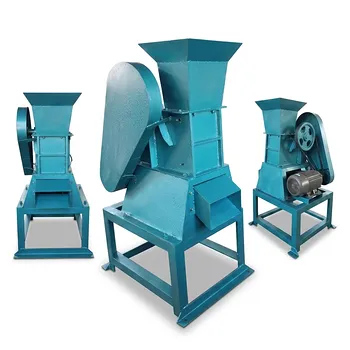
Custom Raised Height Laboratory Jaw Crusher for Precision Sample Preparation in Material Science
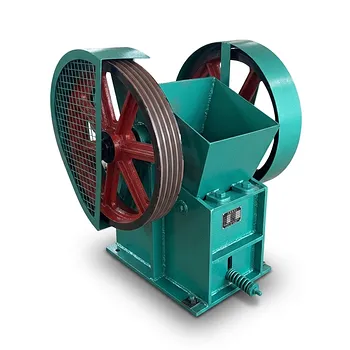
150x250mm Laboratory Jaw Crusher for Medium Hard Material Crushing and Sample Preparation
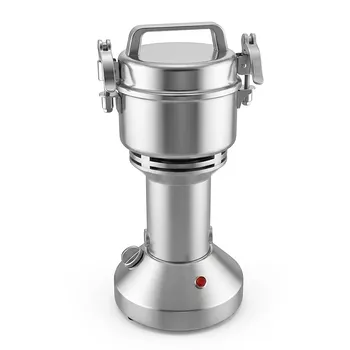
Small High Speed Upright Grinder for Laboratory Sample Preparation
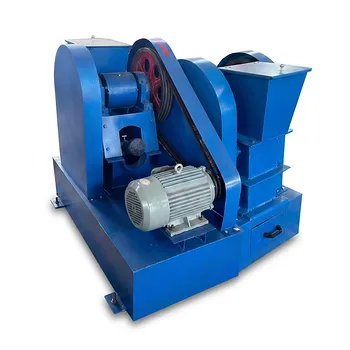
Horizontal Jaw Crusher Medium Hard Material Crushing Laboratory Sample Preparation Equipment
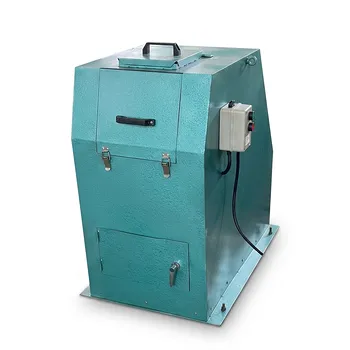
Environmentally Friendly Sealed Laboratory Jaw Crusher for Sample Preparation
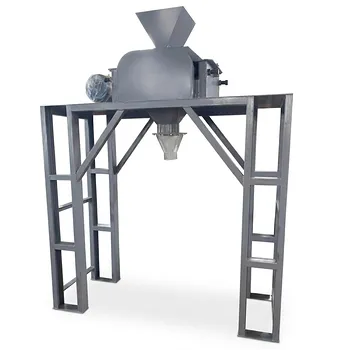
Heightened Customized Laboratory Double Roll Crusher for Coal Ore Rock Crushing
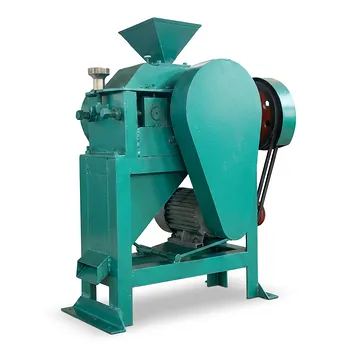
Laboratory Sealed Double Roll Crusher for Coal Ore Rock and Medium Hardness Materials Sample Preparation
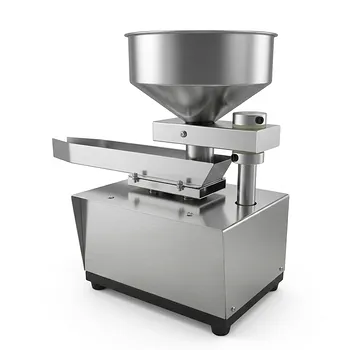
Automatic Vibrating Powder Feeder for Laboratory Material Processing Precision Vibratory Hopper Feeder for Granular and Powder Material Handling Industrial Grade Vibrating Tray Feeder for Consistent Material Sample Preparation
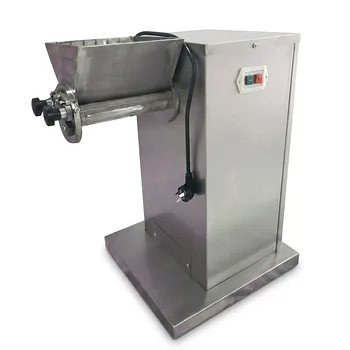
Small Laboratory Oscillating Granulator for Wet and Dry Granulation Processing
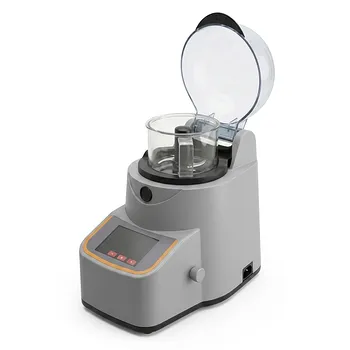
Industrial Knife Mill for Food and Biological Sample Preparation High Speed Laboratory Homogenizer
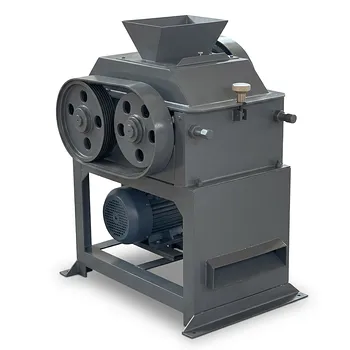
Sealed Laboratory Double Roll Crusher for Coal, Mineral, Ore Sample Preparation
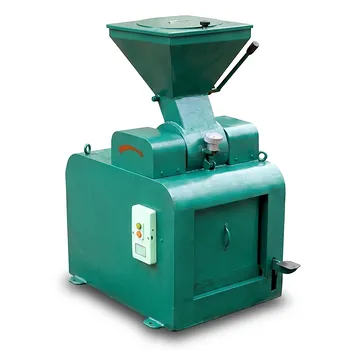
Laboratory Sealed Hammer Crushers for Coal Sample Preparation and Medium Strength Material Crushing