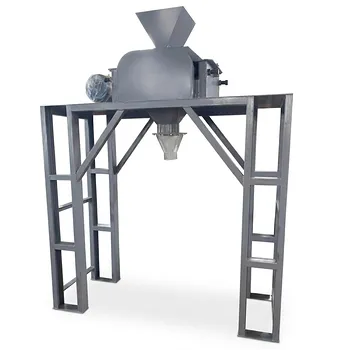
Why are laboratory crushers or grinding mills used during the preparation of stabilized lateritic soil materials? Ensure Uniformity
Updated 5 months ago
Laboratory crushers and grinding mills are essential tools for breaking down the hard clusters that naturally form in air-dried lateritic soil. These machines disperse soil lumps into their original, individual particles without damaging the soil's inherent mineral structure. This mechanical pretreatment ensures a uniform mixture with stabilizers, which is the foundation for reliable compaction and strength testing.
The primary goal of using laboratory mills is to achieve a homogeneous blend of soil and additives. By reducing clusters to individual particles, you ensure that stabilizers can interact fully with the soil, leading to accurate, reproducible experimental data that reflects the material's true field performance.
Overcoming Particle Agglomeration
Dispersing Air-Dried Clusters
Lateritic soils are notorious for forming hard clusters or "lumps" as they air-dry due to their natural moisture and mineral composition. Laboratory crushers are used to mechanically break these bonds, ensuring that the soil is in a workable, granular state.
Preserving Mineral Integrity
A critical function of specialized disc or hammer mills is to disperse these clusters while avoiding damage to individual particles. It is vital to separate the particles without crushing the minerals themselves, as altering the grain shape can negatively impact the soil's engineering properties.
Optimizing the Stabilization Process
Achieving Homogeneous Mixtures
Stabilization requires additives like cement, bamboo leaf ash, or waste engine oil to be distributed evenly throughout the soil matrix. Using a crusher ensures that these stabilizers come into full contact with the surface of every soil particle rather than just coating the outside of large lumps.
Enhancing Chemical Reactivity
In many stabilization projects, raw materials like steel slag or shells are ground into fine powders to increase their specific surface area. This physical processing significantly enhances the material's chemical reactivity, facilitating better pozzolanic reactions and stronger bonds within the soil.
Ensuring Experimental Reliability
Accuracy in Gradation and Compaction
If soil lumps are not broken down, grain size analysis and Standard Proctor compaction tests will yield misleading results. Mechanical crushing ensures that the soil sample is representative, allowing engineers to accurately determine the Maximum Dry Density (MDD) and Optimum Moisture Content (OMC).
Representativeness of Strength Data
The reliability of Unconfined Compressive Strength (UCS) and California Bearing Ratio (CBR) tests depends entirely on the uniformity of the specimen. Crushing equipment eliminates internal weak spots caused by unmixed soil clusters, ensuring that the reinforcement effects of stabilizers are measured accurately.
Understanding the Trade-offs and Pitfalls
The Risk of Over-Processing
While breaking clusters is necessary, excessive grinding can lead to particle degradation, where the actual sand or gravel-sized grains are pulverized into fines. This inadvertently changes the soil classification and can lead to an overestimation of the required stabilizer dosage.
Heat Generation and Moisture Loss
High-speed grinding can generate localized heat, which may alter the natural moisture content or affect the chemical properties of organic stabilizers. It is important to use equipment that balances mechanical force with temperature control to maintain the soil's original characteristics.
Applying These Principles to Your Project
Making the Right Choice for Your Goal
- If your primary focus is Chemical Stabilization: Use high-efficiency grinding to maximize the specific surface area of your additives for peak reactivity.
- If your primary focus is Physical Reinforcement: Utilize a disc mill specifically calibrated to disperse clusters without fracturing the underlying mineral grains.
- If your primary focus is Accurate Classification: Ensure the crusher is used in conjunction with standard sieves (e.g., 4.76mm) to remove oversized impurities while maintaining a uniform particle size distribution.
Proper mechanical pretreatment is the single most important step in transforming raw lateritic soil into a predictable, high-performance engineering material.
Summary Table:
| Key Function | Benefit to Soil Preparation | Impact on Research Testing |
|---|---|---|
| Cluster Dispersion | Breaks air-dried lumps into individual particles | Ensures accurate grain size & gradation analysis |
| Homogeneous Mixing | Uniformly distributes stabilizers (cement, ash, etc.) | Eliminates weak spots for reliable UCS/CBR data |
| Surface Area Increase | Grinds additives into fine reactive powders | Facilitates stronger pozzolanic & chemical bonds |
| Mineral Preservation | Separates particles without damaging grain shape | Maintains representative engineering properties |
Master Your Material Preparation with Precision
Achieving reliable and reproducible experimental data starts with superior sample preparation. We provide complete laboratory sample preparation solutions for material science, specializing in high-performance powder processing and compaction equipment designed to meet the rigorous demands of soil mechanics and stabilization research.
Our extensive product lines ensure your materials are processed without compromising their integrity:
- Size Reduction: Advanced crushers (jaw/roll), liquid nitrogen cryogenic grinders, and high-energy mills (planetary ball, jet, sand/bead, disc, rotor).
- Classification & Blending: Precision sieve shakers (vibratory/air-jet) and professional powder/defoaming mixers for perfect homogeneity.
- Advanced Compaction: A full spectrum of hydraulic presses, including Cold/Warm Isostatic Presses (CIP/WIP), standard lab presses, XRF pellet presses, and vacuum hot presses.
Ready to enhance your lab’s efficiency and accuracy?
Contact us today to discuss your specific project needs and discover how our equipment can streamline your research workflow.
References
- Olufunmilola Adetayo Obakin, J.B. Taiwo. Geotechnical Properties of Cement-Stabilized Lateritic Soil with Bamboo Leaf Ash in the Takie Area of Ogbomoso. DOI: 10.22624/aims/v9n4p2
Mentioned Products
- 150×125mm Laboratory Jaw Crusher for Medium and Fine Crushing of Brittle Materials
- Precision Soil Disc Mill for Laboratory Fine Grinding and Environmental Sample Preparation
- High Speed Small Laboratory Crusher for Dry Material Sample Preparation
- Laboratory Jaw Crusher 2025 Model for Ore and Brittle Material Crushing
- Sealed Jaw Crusher for Laboratory Material Crushing and Sample Preparation
People Also Ask
- What is the primary function of a laboratory jaw crusher? Master Initial Hard Rock Ore Preparation & Feed Sizing
- What is the role of a laboratory jaw crusher in the initial preparation of silicate-type low-grade copper ore?
- What is the primary role of a laboratory jaw crusher in the initial stages of tin and tantalum ore reprocessing? Explained
- Why is a laboratory jaw crusher necessary for processing biomass materials? Essential Prep for Material Science
- What is the primary function of a laboratory jaw crusher in the pretreatment process of galena ore? Initial Prep Guide

Tech Team · PowderPreparation
Last updated on May 14, 2026
Related Products
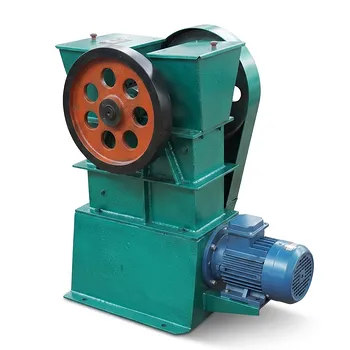
150×125mm Laboratory Jaw Crusher for Medium and Fine Crushing of Brittle Materials
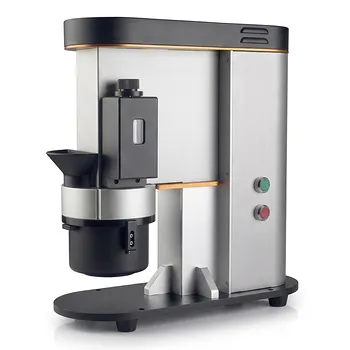
Precision Soil Disc Mill for Laboratory Fine Grinding and Environmental Sample Preparation
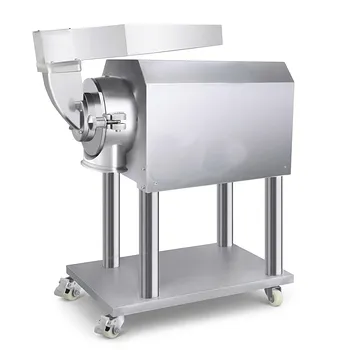
High Speed Small Laboratory Crusher for Dry Material Sample Preparation
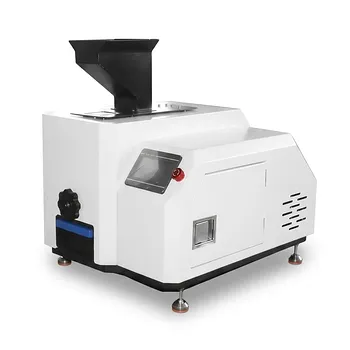
Laboratory Jaw Crusher 2025 Model for Ore and Brittle Material Crushing
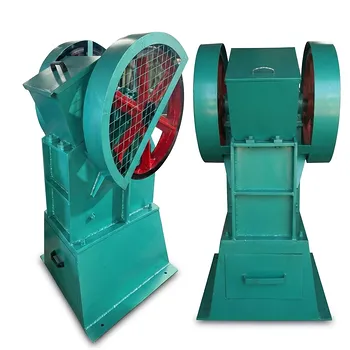
Sealed Jaw Crusher for Laboratory Material Crushing and Sample Preparation
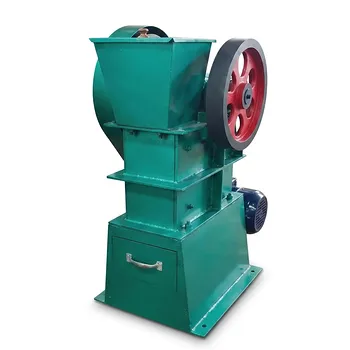
EP Series Small Jaw Crusher for Laboratory Sample Preparation
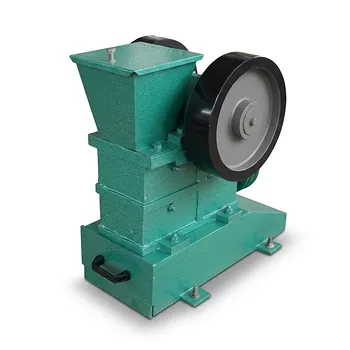
Laboratory Small Jaw Crusher 100x60mm
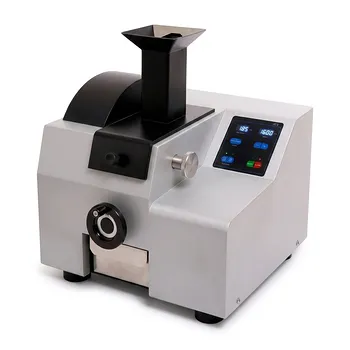
Laboratory Benchtop Jaw Crusher for Hard Brittle Materials Primary Size Reduction and Sample Preparation
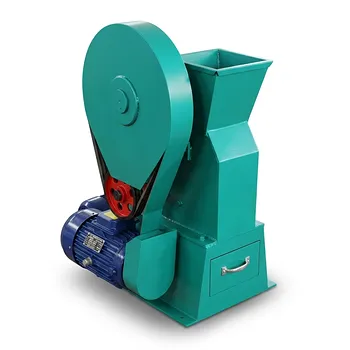
Small Laboratory Jaw Crusher 125x100mm Feed Opening for Sample Preparation
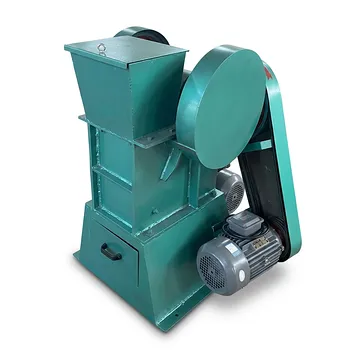
Small Laboratory Jaw Crusher 150x200mm Feed Opening for Sample Preparation and Medium Fine Crushing
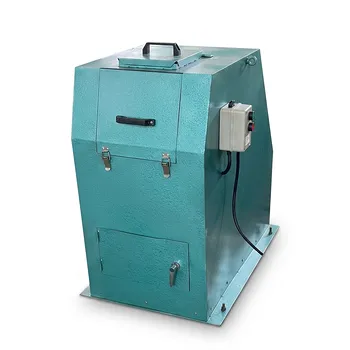
Environmentally Friendly Sealed Laboratory Jaw Crusher for Sample Preparation
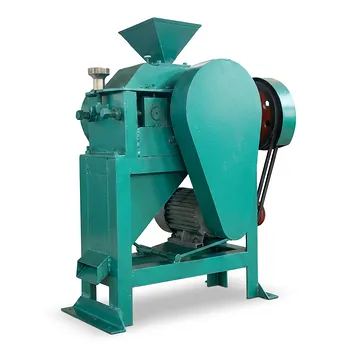
Laboratory Sealed Double Roll Crusher for Coal Ore Rock and Medium Hardness Materials Sample Preparation
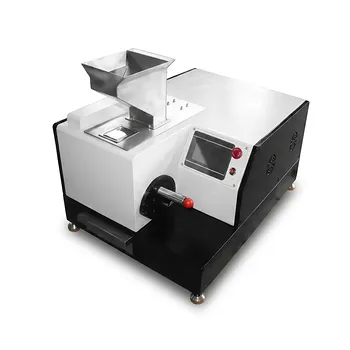
Experimental Jaw Crusher for Laboratory Ore Crushing and Sample Preparation
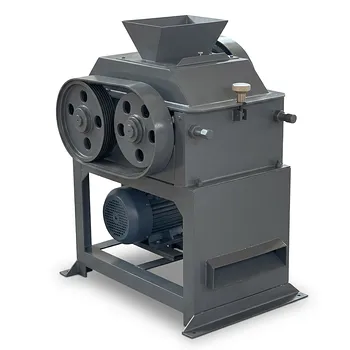
Sealed Laboratory Double Roll Crusher for Coal, Mineral, Ore Sample Preparation
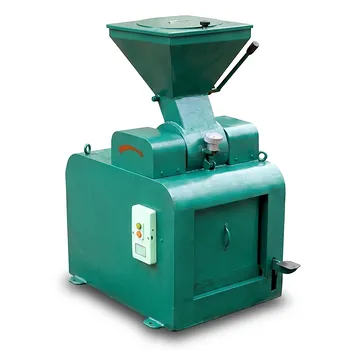
Laboratory Sealed Hammer Crushers for Coal Sample Preparation and Medium Strength Material Crushing
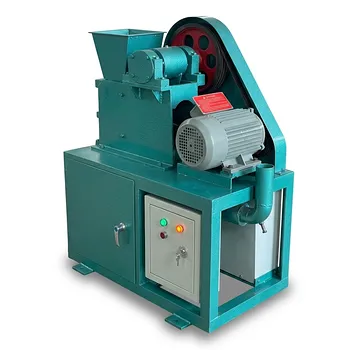
EP-B Type Sealed Jaw Crusher for Laboratory Sample Preparation
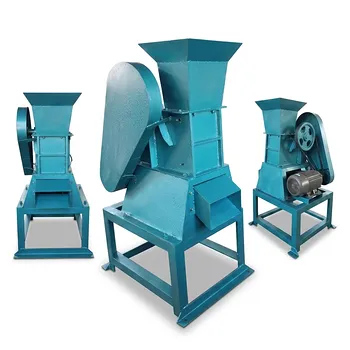
Custom Raised Height Laboratory Jaw Crusher for Precision Sample Preparation in Material Science
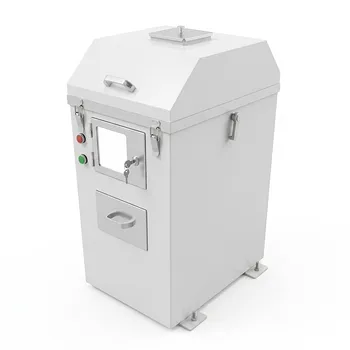
Sealed Double Roll Crusher for Laboratory Sample Preparation of Medium Hardness Materials
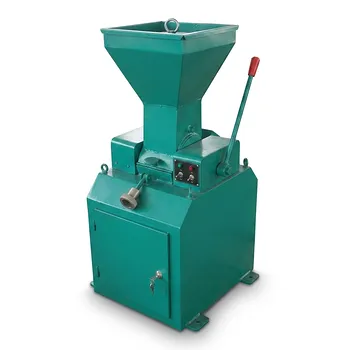
Laboratory Sealed Hammer Crusher for Coal and Mineral Sample Preparation