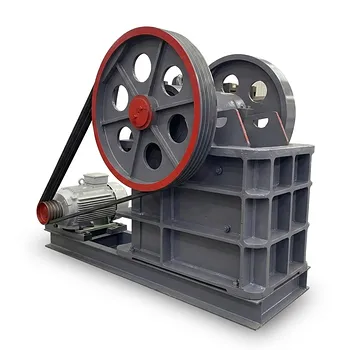
What is the primary role of a laboratory jaw crusher in the initial stages of tin and tantalum ore reprocessing? Explained
Updated 4 months ago
The primary role of a laboratory jaw crusher in tin and tantalum ore reprocessing is the preliminary reduction of coarse raw materials—such as quartz veins and pegmatites—into a manageable size. By applying powerful mechanical compression, it transforms large ore chunks into a uniform feed (typically under 4mm) necessary for subsequent fine grinding, gravity separation, or analytical testing.
The laboratory jaw crusher serves as the critical first step in mineral liberation, providing a controlled particle size distribution that ensures subsequent processing stages are efficient and that samples remain representative of the original ore body.
Achieving Effective Mineral Liberation
Breaking Down Complex Rock Matrices
Tin and tantalum are often hosted in exceptionally hard rock structures like pegmatites or quartz veins. The laboratory jaw crusher uses high-pressure mechanical compression and shear forces to fracture these tough matrices. This reduction is the essential first step in separating valuable minerals from the surrounding gangue.
Preparing Feed for Downstream Processes
Consistent particle size is required for laboratory-scale ball mills or gravity separators to function correctly. The crusher reduces ore lumps (often 50–100mm) down to a specific range, such as minus 4mm or 3.36mm. This ensures the material meets the strict feed protocols required for work index testing or chemical analysis.
Enhancing Analytical Accuracy and Efficiency
Increasing Specific Surface Area
By breaking large blocks into smaller particles, the crusher vastly increases the specific surface area of the ore. Higher surface area facilitates faster and more complete chemical reactions during downstream extraction and leaching. This physical foundation is vital for achieving high chemical reaction activity in tantalum-niobium processing.
Ensuring Sample Representativeness
A key role of the laboratory jaw crusher is to reduce size without altering the overall mineralogical composition. Maintaining the representativeness of the original ore body is critical for the validity of all subsequent laboratory tests. Controlled crushing prevents the loss of specific mineral phases that could occur with less precise, manual methods.
Understanding Technical Trade-offs
The Risk of Over-Crushing and Fines
Excessive force or incorrect settings can lead to the overproduction of ultra-fine particles or "slimes." Fines can complicate subsequent gravity separation and may lead to significant mineral loss during reprocessing. Precise adjustment of the discharge opening is necessary to balance size reduction with the preservation of particle integrity.
Limitations of Single-Stage Reduction
While powerful, a jaw crusher cannot reach the final micron-level sizes required for total mineral liberation. It must be viewed as a primary tool, almost always followed by secondary or tertiary grinding stages like ball or rod milling. Relying solely on a jaw crusher for complex ores will result in incomplete mineral release and poor recovery rates.
Strategic Implementation in Ore Reprocessing
To successfully integrate a laboratory jaw crusher into your mineral processing workflow, consider your specific metallurgical goals.
- If your primary focus is maximizing recovery: Ensure the discharge gap is set to produce a size that optimizes the liberation of tin or tantalum while minimizing the production of unrecoverable fines.
- If your primary focus is laboratory test accuracy: Prioritize the maintenance of sample representativeness by cleaning the crusher thoroughly between batches to avoid cross-contamination between different ore zones.
- If your primary focus is operational efficiency: Use the jaw crusher to create a uniform 2mm to 4mm feed, which stabilizes the throughput and performance of downstream grinding equipment.
The laboratory jaw crusher is the cornerstone of mineral preparation, transforming raw geological samples into the precise physical format required for advanced metallurgical analysis.
Summary Table:
| Key Function | Technical Impact | Process Benefit |
|---|---|---|
| Size Reduction | Transforms 50-100mm chunks to <4mm | Prepares uniform feed for ball mills & separators |
| Mineral Liberation | Fractures hard pegmatite & quartz matrices | Facilitates separation of valuable minerals from gangue |
| Surface Area Boost | Increases specific surface area of particles | Enhances chemical reaction activity and leaching rates |
| Sample Integrity | Consistent mechanical compression | Maintains representativeness of the original ore body |
Elevate Your Mineral Research with Precision Sample Prep
To achieve accurate analytical results in tin and tantalum reprocessing, your laboratory requires equipment that ensures total mineral liberation and sample integrity. [Brand Name] provides complete laboratory sample preparation solutions for material science, specializing in high-performance powder processing and compaction equipment.
Our extensive product line is designed to streamline your workflow:
- Crushing & Grinding: Heavy-duty jaw and roll crushers, liquid nitrogen cryogenic grinders, and precision mills (planetary ball, jet, sand/bead, disc, rotor).
- Sizing & Mixing: Vibratory and air-jet sieve shakers with various meshes, plus advanced powder and defoaming mixers.
- Compaction & Pressing: A full spectrum of hydraulic presses, including Cold/Warm Isostatic Presses (CIP/WIP), standard lab presses, XRF pellet presses, and vacuum hot presses.
Whether you are a researcher optimizing recovery rates or a distributor seeking reliable OEM/ODM support, we deliver the tools needed for excellence.
Contact us today to find your perfect laboratory solution!
References
- Jules UWIZEYIMANA, Francois Hategekimana. The Efficiency of Mechanized Mineral Processing Techniques to Recover Tin and Tantalum Ores. Case Study: Nyamatete Concession, Rwanda. DOI: 10.35180/gse-2022-0081
Mentioned Products
- 150×125mm Laboratory Jaw Crusher for Medium and Fine Crushing of Brittle Materials
- 150x250mm Laboratory Jaw Crusher for Medium Hard Material Crushing and Sample Preparation
- Heavy Duty Industrial Laboratory Jaw Crusher for Primary Sample Preparation and Hard Material Size Reduction
- 150x250mm Custom Laboratory Jaw Crusher for Coal Ore Mineral Crushing
- Laboratory Jaw Crusher 200x300mm Opening for Primary Crushing of Ores and Aggregates
People Also Ask
- What is the primary function of a laboratory jaw crusher? Master Initial Hard Rock Ore Preparation & Feed Sizing
- What is the role of a laboratory jaw crusher in the initial preparation of silicate-type low-grade copper ore?
- Why is a laboratory jaw crusher necessary for processing biomass materials? Essential Prep for Material Science
- What is the primary function of a laboratory jaw crusher in the pretreatment process of galena ore? Initial Prep Guide
- What is the primary function of a laboratory jaw crusher when processing low-grade copper ore? Expert Guide

Tech Team · PowderPreparation
Last updated on Jun 03, 2026
Related Products
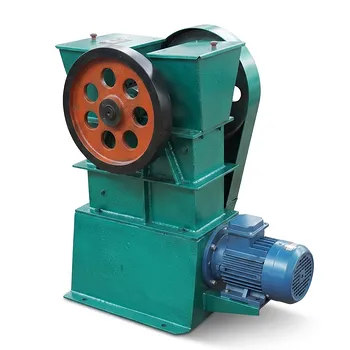
150×125mm Laboratory Jaw Crusher for Medium and Fine Crushing of Brittle Materials
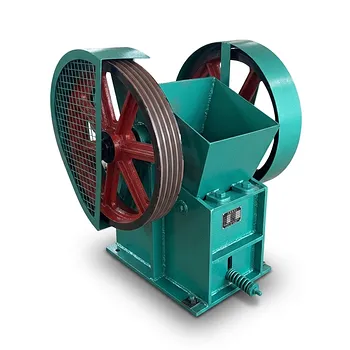
150x250mm Laboratory Jaw Crusher for Medium Hard Material Crushing and Sample Preparation
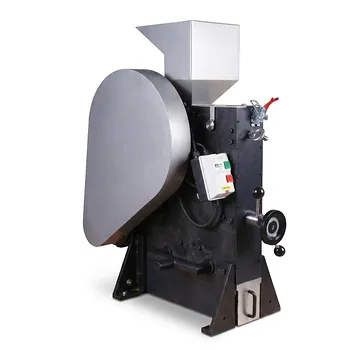
Heavy Duty Industrial Laboratory Jaw Crusher for Primary Sample Preparation and Hard Material Size Reduction
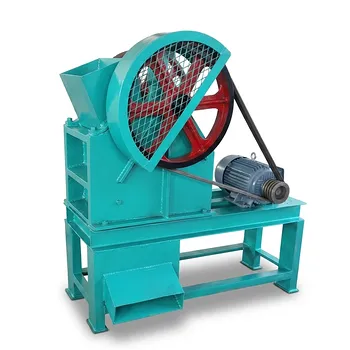
150x250mm Custom Laboratory Jaw Crusher for Coal Ore Mineral Crushing
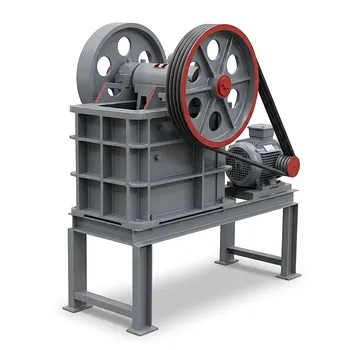
Laboratory Jaw Crusher 200x300mm Opening for Primary Crushing of Ores and Aggregates
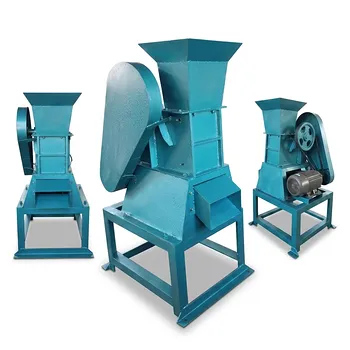
Custom Raised Height Laboratory Jaw Crusher for Precision Sample Preparation in Material Science
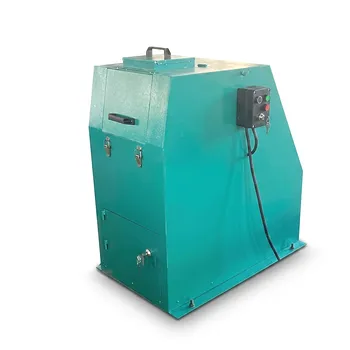
Environmentally Friendly Sealed Jaw Crusher for Laboratory Sample Preparation
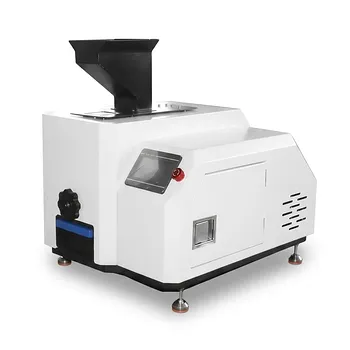
Laboratory Jaw Crusher 2025 Model for Ore and Brittle Material Crushing
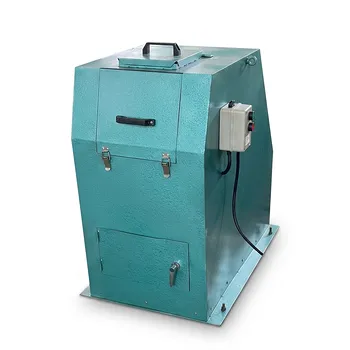
Environmentally Friendly Sealed Laboratory Jaw Crusher for Sample Preparation
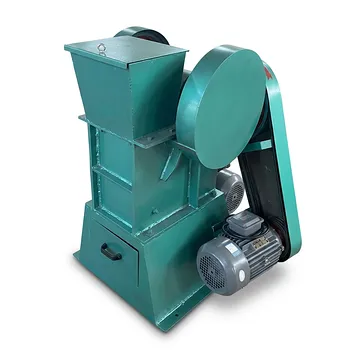
Small Laboratory Jaw Crusher 150x200mm Feed Opening for Sample Preparation and Medium Fine Crushing
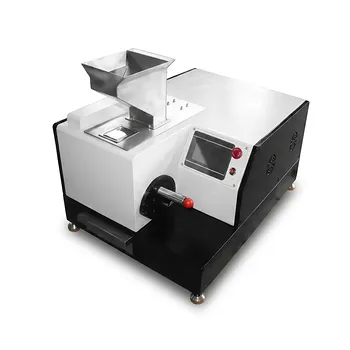
Experimental Jaw Crusher for Laboratory Ore Crushing and Sample Preparation
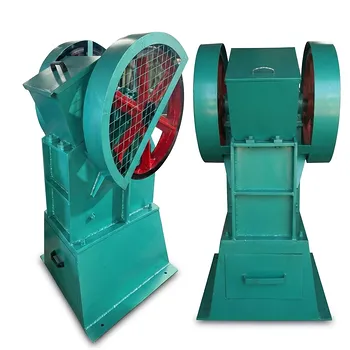
Sealed Jaw Crusher for Laboratory Material Crushing and Sample Preparation
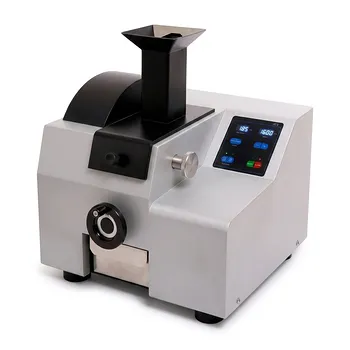
Laboratory Benchtop Jaw Crusher for Hard Brittle Materials Primary Size Reduction and Sample Preparation
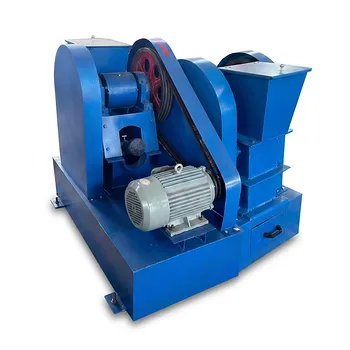
Horizontal Jaw Crusher Medium Hard Material Crushing Laboratory Sample Preparation Equipment
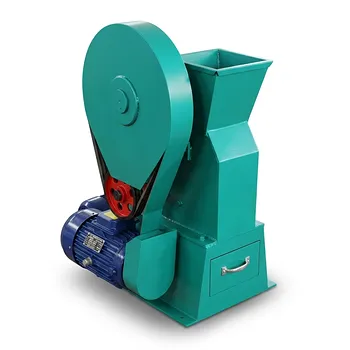
Small Laboratory Jaw Crusher 125x100mm Feed Opening for Sample Preparation
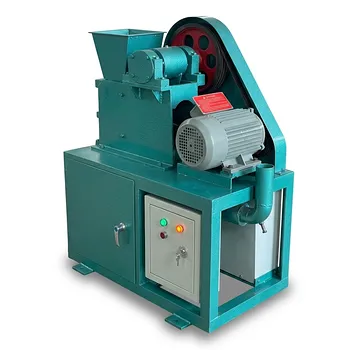
EP-B Type Sealed Jaw Crusher for Laboratory Sample Preparation
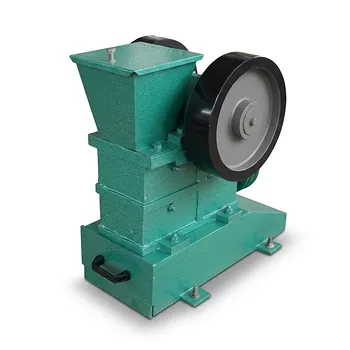
Laboratory Small Jaw Crusher 100x60mm
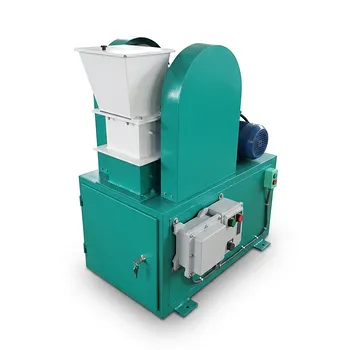
Custom Explosion-Proof Sealed Jaw Crusher for Laboratory and Industrial Sample Preparation
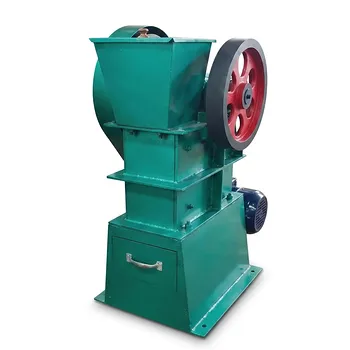
EP Series Small Jaw Crusher for Laboratory Sample Preparation