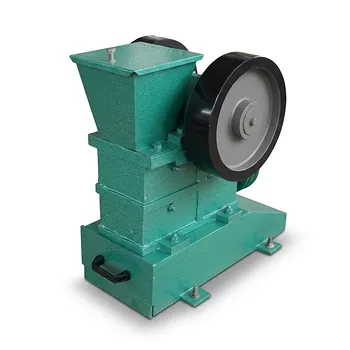
What is the primary function of a laboratory jaw crusher when processing low-grade copper ore? Expert Guide
Updated 3 months ago
The primary function of a laboratory jaw crusher is preliminary size reduction. It utilizes high compressive pressure to transform large, low-grade copper ore chunks into smaller, uniform fragments. This physical transformation is the essential first step in preparing a raw sample for high-precision fine grinding and subsequent metallurgical analysis.
The laboratory jaw crusher acts as the critical bridge between raw field samples and laboratory-grade feed. By reducing ore to a standardized size, it ensures sample representativeness and prepares the material for the secondary grinding processes required to liberate minerals.
Mechanics of Primary Size Reduction
The Application of Compressive Stress
The equipment operates by applying intense mechanical compression through the movement of two jaw plates. One plate remains fixed while the other moves back and forth, effectively squeezing the copper ore until it reaches its breaking point.
Defining the Output Size
Depending on the specific testing protocol, the crusher reduces raw ore to a discharge size ranging from approximately 1 inch (25.4mm) down to 3.35mm. This range is specifically calibrated to provide an optimal feed grade for secondary equipment like ball mills or pulverizers.
Preparation for Mineral Liberation
While the jaw crusher does not fully free the copper minerals from the waste rock (gangue), it initiates the process of mineral liberation. By breaking the large rock matrix, it creates the necessary surface area for subsequent fine grinding stages to effectively isolate the valuable copper.
Impact on Sample Integrity and Testing
Ensuring Sample Homogeneity
A primary function of the crushing stage is to ensure that the sample is representative of the entire ore body. Reducing large chunks into smaller, uniform particles allows for better mixing and homogenization, which is vital for accurate assaying and chemical analysis.
Foundation for Work Index Testing
In specialized applications, such as determining the Bond Work Index, the jaw crusher provides a strictly controlled feed size. By precisely adjusting the discharge opening, technicians can ensure the material adheres to standard granularity requirements for standardized grinding tests.
Efficiency in the Preparation Chain
Processing low-grade copper ore requires handling significant volumes of material to find trace minerals. The jaw crusher improves overall preparation efficiency by rapidly reducing ore volume into a manageable physical state for the more energy-intensive fine grinding stages.
Understanding the Trade-offs
The Risk of Excessive Fines
One common challenge is the overproduction of "fines"—particles that are smaller than the desired discharge size. While some fines are inevitable, excessive fine production can interfere with certain downstream gravity separation or leaching protocols.
Limitations in Particle Fineness
A jaw crusher is strictly a primary or secondary crusher and cannot produce the fine powders required for chemical digestion or flotation. Attempting to force a jaw crusher to produce ultra-fine material will result in mechanical failure and significant equipment wear.
Material Hardness and Plate Wear
The abrasive nature of copper ores, particularly those hosted in pegmatite or quartz, can lead to rapid wear of the jaw plates. This wear not only increases maintenance costs but also introduces a minor risk of sample contamination from the metal plates themselves.
How to Apply This to Your Project
Selecting the Right Configuration
Depending on your specific goals for processing low-grade copper ore, the way you utilize a laboratory jaw crusher will vary.
- If your primary focus is Bond Work Index testing: Ensure the discharge opening is precisely calibrated to produce a standardized -3.35 mm feed.
- If your primary focus is general chemical assaying: Prioritize a reduction to 1 inch or 5mm to facilitate rapid homogenization before secondary pulverizing.
- If your primary focus is pilot-scale mineral sorting: Use the crusher to achieve a uniform 1-centimeter particle size, which is often the ideal dimension for manual or automated sorting.
Properly utilizing the laboratory jaw crusher ensures that your downstream analysis is built on a foundation of standardized, representative, and correctly sized material.
Summary Table:
| Feature | Description |
|---|---|
| Primary Function | Preliminary size reduction (crushing large chunks into fragments) |
| Mechanism | Mechanical compression via fixed and moving jaw plates |
| Output Range | 1 inch (25.4mm) down to 3.35mm |
| Key Benefit | Ensures sample representativeness and prepares ore for fine grinding |
| Typical Use Case | Mineral liberation, Bond Work Index testing, and chemical assaying |
Optimize Your Sample Preparation with Our Professional Laboratory Solutions
Ensure the highest level of sample integrity and analytical accuracy for your low-grade copper ore projects. We provide complete laboratory sample preparation solutions for material science, specializing in high-performance powder processing and compaction equipment tailored for demanding metallurgical environments.
Our extensive product lines are designed to streamline your entire workflow:
- Size Reduction: Precision jaw and roll crushers, liquid nitrogen cryogenic grinders, and advanced mills (planetary ball, jet, sand/bead, disc, and rotor).
- Classification & Mixing: High-accuracy vibratory/air-jet sieve shakers and efficient powder/defoaming mixers.
- Compaction Excellence: A full spectrum of hydraulic presses, including Cold/Warm Isostatic Presses (CIP/WIP), XRF pellet presses, and vacuum hot presses for advanced material research.
Ready to enhance your mineral liberation and testing efficiency? Contact our experts today to find the perfect equipment for your lab!
References
- Willie Nheta, Omoyemi O. Ola-Omole. Exploring the characterization, liberation and flotation response of a Nigerian low-grade copper ore. DOI: 10.46873/2300-3960.1374
Mentioned Products
- 150x250mm Laboratory Jaw Crusher for Medium Hard Material Crushing and Sample Preparation
- 150×125mm Laboratory Jaw Crusher for Medium and Fine Crushing of Brittle Materials
- Custom Raised Height Laboratory Jaw Crusher for Precision Sample Preparation in Material Science
- 150x250mm Custom Laboratory Jaw Crusher for Coal Ore Mineral Crushing
- Laboratory Jaw Crusher 200x300mm Opening for Primary Crushing of Ores and Aggregates
People Also Ask
- What is the primary function of a laboratory jaw crusher? Master Initial Hard Rock Ore Preparation & Feed Sizing
- What is the primary role of a laboratory jaw crusher in the initial stages of tin and tantalum ore reprocessing? Explained
- What is the role of a laboratory jaw crusher in the initial preparation of silicate-type low-grade copper ore?
- Why is a laboratory jaw crusher necessary for processing biomass materials? Essential Prep for Material Science
- What is the primary function of a laboratory jaw crusher in the pretreatment process of galena ore? Initial Prep Guide

Tech Team · PowderPreparation
Last updated on Jun 03, 2026
Related Products
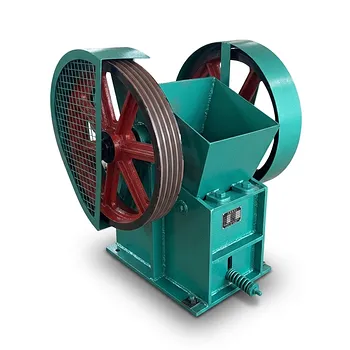
150x250mm Laboratory Jaw Crusher for Medium Hard Material Crushing and Sample Preparation
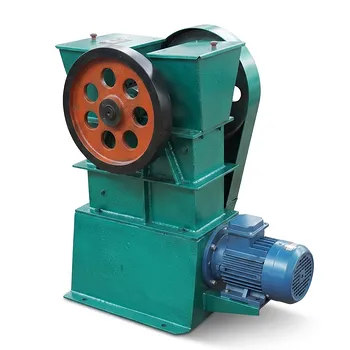
150×125mm Laboratory Jaw Crusher for Medium and Fine Crushing of Brittle Materials
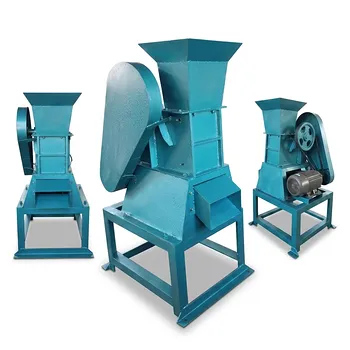
Custom Raised Height Laboratory Jaw Crusher for Precision Sample Preparation in Material Science
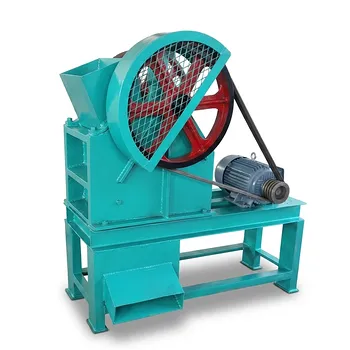
150x250mm Custom Laboratory Jaw Crusher for Coal Ore Mineral Crushing
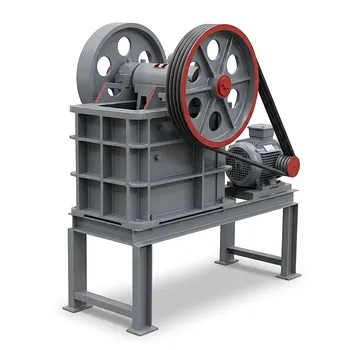
Laboratory Jaw Crusher 200x300mm Opening for Primary Crushing of Ores and Aggregates
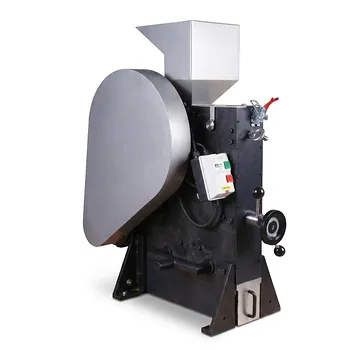
Heavy Duty Industrial Laboratory Jaw Crusher for Primary Sample Preparation and Hard Material Size Reduction
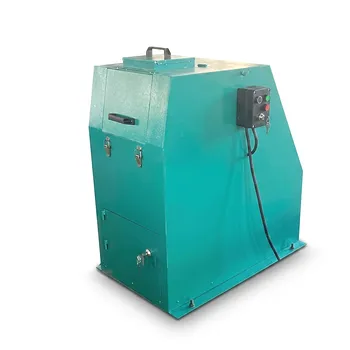
Environmentally Friendly Sealed Jaw Crusher for Laboratory Sample Preparation
Laboratory Jaw Crusher 2025 Model for Ore and Brittle Material Crushing
Environmentally Friendly Sealed Laboratory Jaw Crusher for Sample Preparation
Sealed Jaw Crusher for Laboratory Material Crushing and Sample Preparation
Horizontal Jaw Crusher Medium Hard Material Crushing Laboratory Sample Preparation Equipment
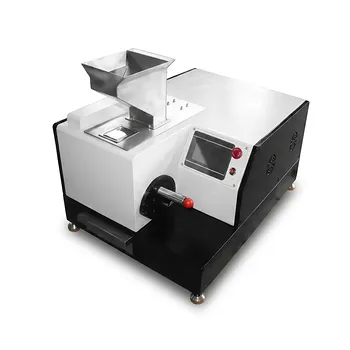
Experimental Jaw Crusher for Laboratory Ore Crushing and Sample Preparation
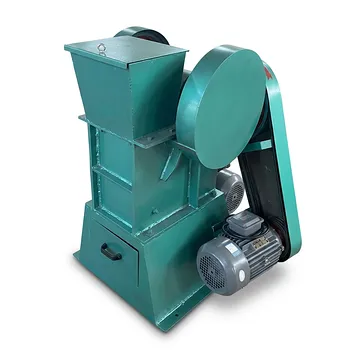
Small Laboratory Jaw Crusher 150x200mm Feed Opening for Sample Preparation and Medium Fine Crushing
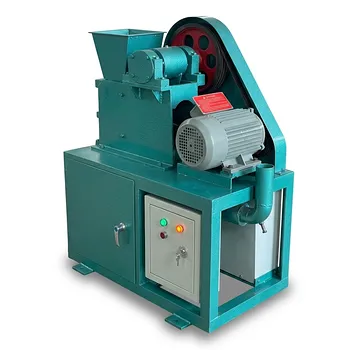
EP-B Type Sealed Jaw Crusher for Laboratory Sample Preparation
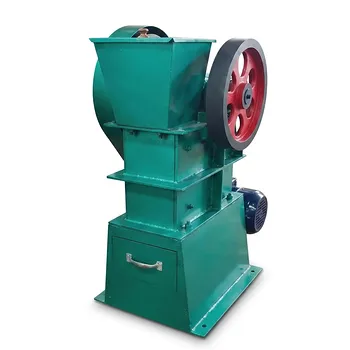
EP Series Small Jaw Crusher for Laboratory Sample Preparation
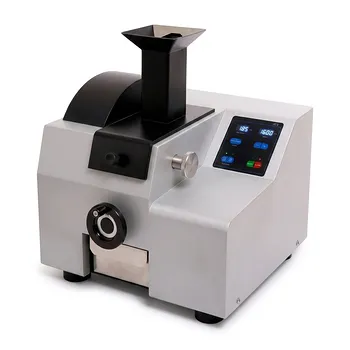
Laboratory Benchtop Jaw Crusher for Hard Brittle Materials Primary Size Reduction and Sample Preparation
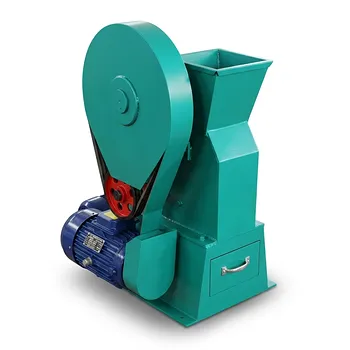
Small Laboratory Jaw Crusher 125x100mm Feed Opening for Sample Preparation
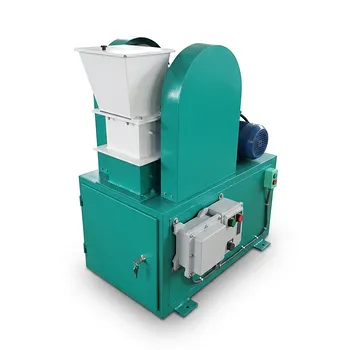
Custom Explosion-Proof Sealed Jaw Crusher for Laboratory and Industrial Sample Preparation
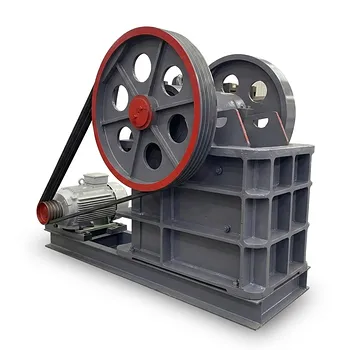
250x400mm Jaw Crusher Medium Crushing Equipment for Mining Mineral Sample Preparation