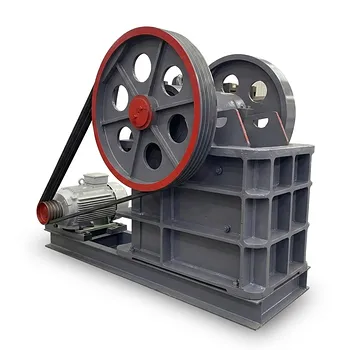
What is the role of a laboratory jaw crusher in the initial preparation of silicate-type low-grade copper ore?
Updated 3 months ago
The laboratory jaw crusher serves as the primary size reduction unit in the preparation of silicate-type low-grade copper ore. Its main role is to utilize mechanical compressive stress to break down large, hard ore blocks into uniform fragments—typically ranging from 3mm to 25mm—to create a suitable feed for subsequent fine grinding and mineral liberation.
Core Takeaway: The jaw crusher is the essential first step in the sample preparation chain, transforming raw, heterogeneous ore into a standardized physical state that ensures sample representativeness and enables high-precision downstream testing.
Primary Size Reduction and Physical Transformation
Mechanical Compression of Hard Silicates
Silicate-type copper ores are characterized by their hardness and abrasive nature. The laboratory jaw crusher uses the squeezing action of its jaw plates to apply high compressive pressure, which effectively fractures these tough mineral structures.
Reducing Particle Size for Feed Standardization
The equipment reduces large raw ore chunks to a specific, manageable size required for experimental protocols. Depending on the specific test, this might mean reducing 35mm blocks down to a standardized particle size of approximately 3.35mm.
Facilitating Downstream Processing and Accuracy
Prerequisites for Mineral Liberation
Low-grade copper ore requires extensive processing to separate the valuable minerals from the surrounding silicate rock. The jaw crusher performs the initial "rough" work, which is a mandatory prerequisite for fine grinding where actual mineral liberation occurs.
Ensuring Sample Representativeness
In low-grade ores, the copper is often sparsely distributed. By crushing the entire sample to a uniform size early on, the jaw crusher helps in achieving homogenization, ensuring that any smaller sub-sample taken for analysis is truly representative of the whole batch.
Preparation for Specialized Testing
For metallurgical assessments like the Bond Work Index, the jaw crusher is used to prepare the feed for ball milling. It allows operators to precisely control the discharge size, ensuring the ore meets the strict granularity requirements for standardized grinding tests.
Understanding the Trade-offs and Limitations
The Risk of Sample Contamination
While effective, the high-pressure contact between the jaw plates and the abrasive silicate ore can lead to material wear. If the plates are made of standard steel, small amounts of iron may be introduced into the sample, which could interfere with certain chemical assays.
The Limit of Size Reduction
A jaw crusher is designed for primary crushing and cannot achieve the extreme fineness required for chemical extraction or flotation. Attempting to force the equipment to produce ultra-fine particles often leads to inefficient "fines" production and increased mechanical wear.
Material Moisture and Clogging
If the silicate ore has high moisture content or contains clay-like secondary minerals, the material may "pancake" or clog the discharge opening. This disrupts the continuous flow of the sample preparation process and requires manual intervention.
How to Apply This to Your Project
Selecting the Right Approach for Your Goal
To ensure the best results during the initial preparation of your copper ore, consider the specific requirements of your downstream analysis.
- If your primary focus is Bond Work Index Testing: Adjust the jaw crusher's discharge opening to ensure the final product is consistently below 3.35 mm to meet standard ball mill feed protocols.
- If your primary focus is Chemical Assay of Low-Grade Ore: Prioritize crushing the entire bulk sample before splitting to ensure the copper distribution is homogenized and the sub-sample is representative.
- If your primary focus is Minimizing Contamination: Use jaw plates made of specialized materials, such as tungsten carbide or high-manganese steel, to prevent iron pickup from the abrasive silicate matrix.
Properly executed primary crushing is the foundation of all reliable mineralogical data, ensuring that subsequent grinding and analysis are both efficient and accurate.
Summary Table:
| Key Role | Primary Function | Benefit for Analysis |
|---|---|---|
| Primary Reduction | Breaks hard silicate blocks to 3mm-25mm | Standardizes feed for fine grinding |
| Homogenization | Crushes bulk samples before splitting | Ensures representative sub-sampling |
| Feed Preparation | Meets Bond Work Index requirements | Enables accurate metallurgical testing |
| Stress Application | High mechanical compressive stress | Efficiently fractures abrasive minerals |
Elevate Your Mineral Research with Expert Sample Preparation
At [Company Name], we provide complete laboratory sample preparation solutions tailored for material science and mining engineering. We specialize in high-performance powder processing and compaction equipment designed to handle even the toughest abrasive silicates.
Our extensive product line includes:
- Crushers & Mills: Jaw/roll crushers for primary reduction, plus liquid nitrogen cryogenic grinders, planetary ball mills, jet mills, and rotor mills for ultimate fineness.
- Classification: Sieve shakers (vibratory/air-jet) with a wide range of precision test sieves.
- Mixing: Advanced powder mixers and defoaming mixers for perfect material consistency.
- Compaction: A full spectrum of hydraulic presses, including Cold/Warm Isostatic Presses (CIP/WIP), XRF pellet presses, and vacuum hot presses.
Whether you are performing Bond Work Index tests or high-precision chemical assays, our equipment ensures accuracy and durability. Contact our experts today to find the perfect solution for your silicate ore processing needs!
References
- Baisui Han, Atsushi Shibayama. Copper Recovery from Silicate-Containing Low-Grade Copper Ore Using Flotation Followed by High-Pressure Oxidative Leaching. DOI: 10.4144/rpsj.64.3
Mentioned Products
- 150×125mm Laboratory Jaw Crusher for Medium and Fine Crushing of Brittle Materials
- 150x250mm Laboratory Jaw Crusher for Medium Hard Material Crushing and Sample Preparation
- Heavy Duty Industrial Laboratory Jaw Crusher for Primary Sample Preparation and Hard Material Size Reduction
- 150x250mm Custom Laboratory Jaw Crusher for Coal Ore Mineral Crushing
- Laboratory Jaw Crusher 200x300mm Opening for Primary Crushing of Ores and Aggregates
People Also Ask
- What is the primary function of a laboratory jaw crusher? Master Initial Hard Rock Ore Preparation & Feed Sizing
- What is the primary role of a laboratory jaw crusher in the initial stages of tin and tantalum ore reprocessing? Explained
- Why is a laboratory jaw crusher necessary for processing biomass materials? Essential Prep for Material Science
- What is the primary function of a laboratory jaw crusher in the pretreatment process of galena ore? Initial Prep Guide
- What is the primary function of a laboratory jaw crusher when processing low-grade copper ore? Expert Guide

Tech Team · PowderPreparation
Last updated on Jun 03, 2026
Related Products
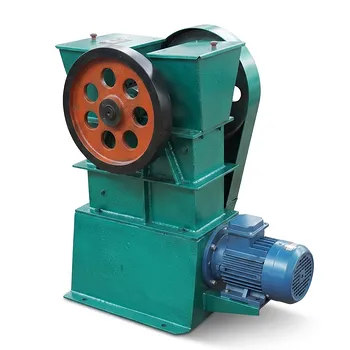
150×125mm Laboratory Jaw Crusher for Medium and Fine Crushing of Brittle Materials
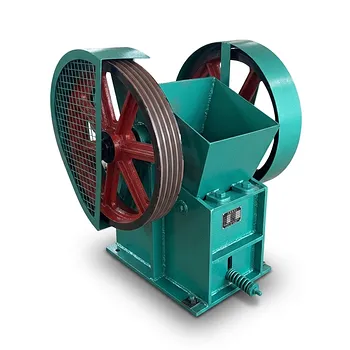
150x250mm Laboratory Jaw Crusher for Medium Hard Material Crushing and Sample Preparation
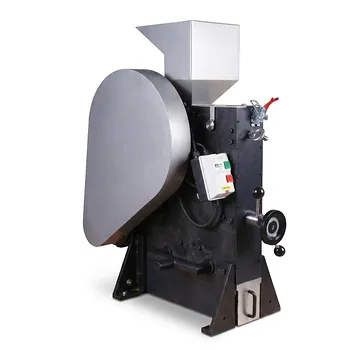
Heavy Duty Industrial Laboratory Jaw Crusher for Primary Sample Preparation and Hard Material Size Reduction
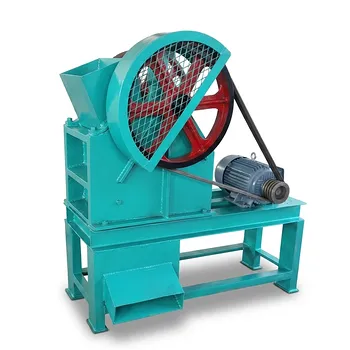
150x250mm Custom Laboratory Jaw Crusher for Coal Ore Mineral Crushing
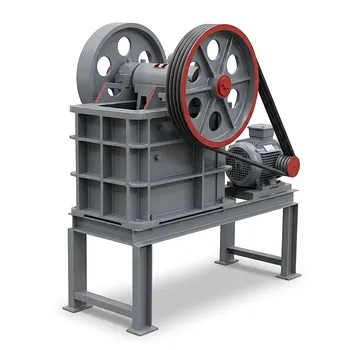
Laboratory Jaw Crusher 200x300mm Opening for Primary Crushing of Ores and Aggregates
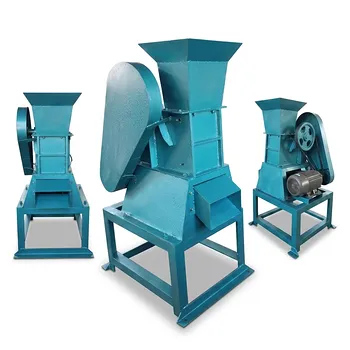
Custom Raised Height Laboratory Jaw Crusher for Precision Sample Preparation in Material Science
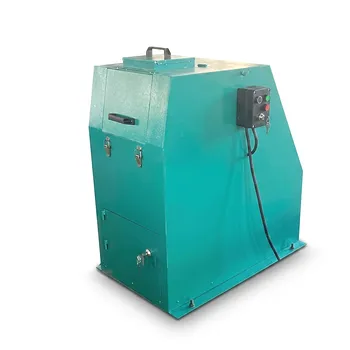
Environmentally Friendly Sealed Jaw Crusher for Laboratory Sample Preparation
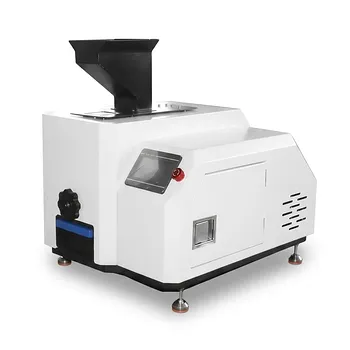
Laboratory Jaw Crusher 2025 Model for Ore and Brittle Material Crushing
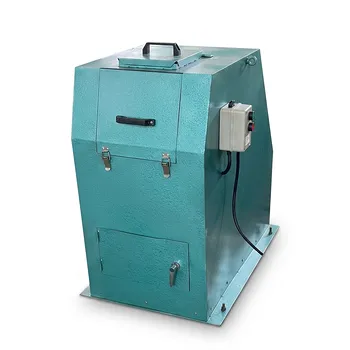
Environmentally Friendly Sealed Laboratory Jaw Crusher for Sample Preparation
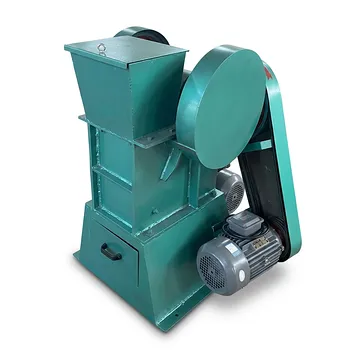
Small Laboratory Jaw Crusher 150x200mm Feed Opening for Sample Preparation and Medium Fine Crushing
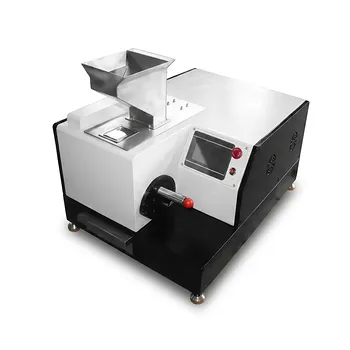
Experimental Jaw Crusher for Laboratory Ore Crushing and Sample Preparation
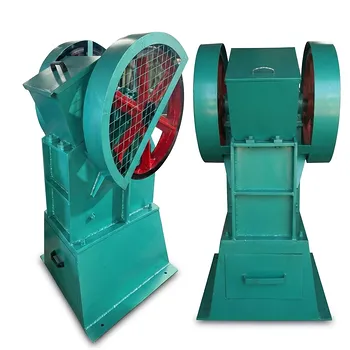
Sealed Jaw Crusher for Laboratory Material Crushing and Sample Preparation
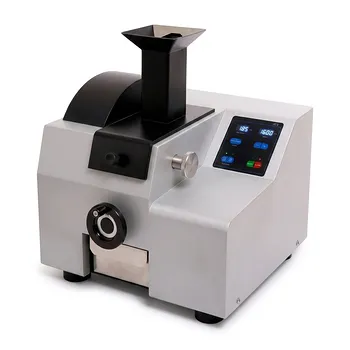
Laboratory Benchtop Jaw Crusher for Hard Brittle Materials Primary Size Reduction and Sample Preparation
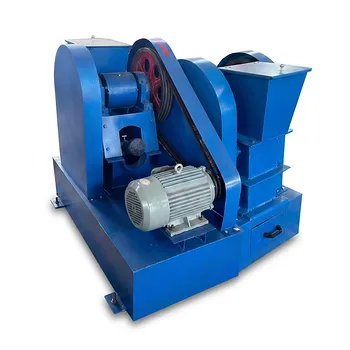
Horizontal Jaw Crusher Medium Hard Material Crushing Laboratory Sample Preparation Equipment
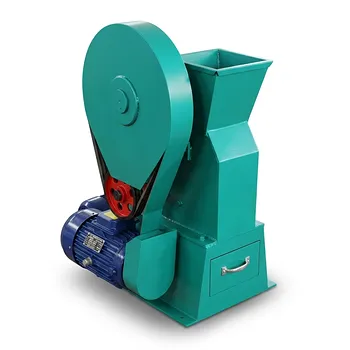
Small Laboratory Jaw Crusher 125x100mm Feed Opening for Sample Preparation
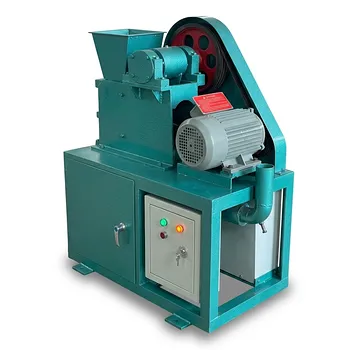
EP-B Type Sealed Jaw Crusher for Laboratory Sample Preparation
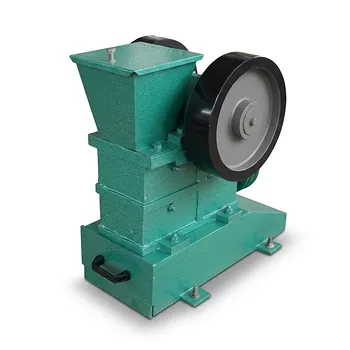
Laboratory Small Jaw Crusher 100x60mm
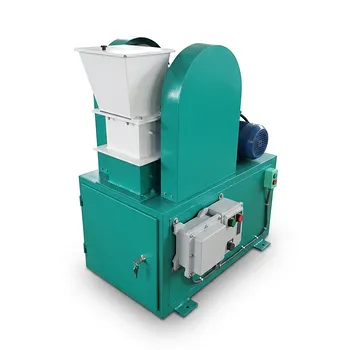
Custom Explosion-Proof Sealed Jaw Crusher for Laboratory and Industrial Sample Preparation
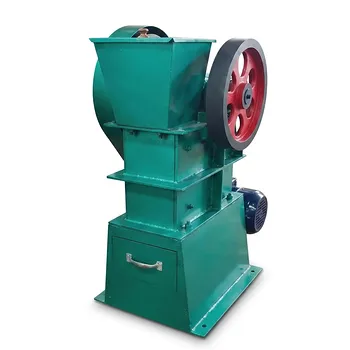
EP Series Small Jaw Crusher for Laboratory Sample Preparation