Why are high-strength stainless steel jars and grinding balls used for ZrNiSn? Achieve High-Energy Alloying & Purity
Updated 3 months ago
High-strength stainless steel media and high ball-to-powder ratios are utilized to maximize kinetic energy transfer and ensure material purity. This combination provides the intense mechanical impact required to achieve nanostructural modification and the uniform solid-state alloying of doping elements, such as antimony (Sb), into the ZrNiSn matrix within a shorter processing timeframe.
Core Takeaway: The use of high-strength steel and elevated ball-to-powder ratios creates a high-energy environment that drives grain refinement and rapid chemical homogenization while protecting the powder from unwanted wear-related impurities.
Ensuring Structural Integrity Under High Energy
Resistance to Impact Fatigue
High-energy ball milling subjects the jars and grinding balls to constant, high-frequency mechanical impacts. High-strength stainless steel is selected because it can withstand these intense forces without cracking or deforming.
Minimizing Material Contamination
During the synthesis of high-purity powders like ZrNiSn, the introduction of foreign elements must be strictly controlled. The high hardness of stainless steel (such as AISI 420) ensures that the wear of the grinding media is kept to an absolute minimum during extended milling cycles.
Thermal Management During Milling
High-speed collisions generate significant instantaneous heat at the point of impact. Steel’s specific thermal conductivity allows it to manage these localized temperature spikes, which is critical for understanding the energy conversion efficiency and the kinetics of the alloying process.
Optimizing Kinetic Energy and Collision Frequency
The Role of the Ball-to-Powder Ratio (BPR)
A high BPR, typically ranging from 10:1 to 20:1, ensures there is sufficient grinding media to interact with the powder particles. Increasing this ratio increases the frequency of collisions, which directly correlates to how much energy is delivered to the material.
Achieving Nanostructural Modification
The primary goal of milling ZrNiSn is to refine the grain size to the nanoscale. The high-energy impacts facilitated by the steel balls create fresh surfaces on the particles, aiding in the physical attachment and eventual diffusion of doping agents.
Accelerating Solid-State Alloying
High impact forces are necessary to overcome the atomic bonding energy and drive the solid solution of dopants like antimony (Sb). Without the mechanical energy provided by high-density steel balls and a high BPR, the alloying process would be significantly slower and less uniform.
Understanding the Trade-offs
Risk of Trace Element Incorporation
While high-strength steel is wear-resistant, it is not wear-proof. Over long durations (e.g., 30+ hours), trace amounts of iron (Fe) or chromium (Cr) may be introduced into the powder.
Heat-Induced Phase Changes
The high energy levels required for ZrNiSn can lead to excessive heat buildup if the mill is not paused or cooled. This heat can sometimes lead to unwanted phase transformations or the agglomeration of the very nanostructures the process is intended to create.
How to Apply This to Your Project
Recommendations for Milling Success
Choosing the right parameters depends on whether your priority is speed, purity, or specific structural outcomes.
- If your primary focus is rapid homogenization: Utilize a higher ball-to-powder ratio (e.g., 20:1) to maximize collision frequency and reduce the time required for solid-state alloying.
- If your primary focus is material purity: Select the highest hardness stainless steel available (like AISI 440C or 420) and monitor for media wear to prevent iron contamination.
- If your primary focus is grain refinement: Use a combination of different ball diameters (e.g., 15mm and 20mm) to ensure more comprehensive coverage and fragmentation within the milling jar.
By balancing mechanical force with material durability, you can effectively engineer the nanostructural and thermoelectric properties of ZrNiSn alloys.
Summary Table:
| Parameter | Role in ZrNiSn Milling | Key Benefit |
|---|---|---|
| High-Strength Steel | Resists impact fatigue and high-frequency collisions | Ensures jar/ball durability and minimizes wear-related impurities |
| High BPR (10:1-20:1) | Increases collision frequency and kinetic energy delivery | Accelerates grain refinement to the nanoscale and drives alloying |
| Thermal Conductivity | Manages localized heat spikes during high-speed impact | Protects energy conversion efficiency and prevents unwanted phases |
| Media Hardness | Minimizes incorporation of iron (Fe) or chromium (Cr) | Maintains high material purity during extended milling cycles |
Elevate Your Material Research with Precision Processing Solutions
Achieving perfect nanostructural modification in alloys like ZrNiSn requires more than just high-energy parameters—it requires high-performance equipment. At [Brand Name], we provide complete laboratory sample preparation solutions tailored for material science.
From planetary ball mills equipped with high-strength stainless steel jars to our full spectrum of hydraulic presses (CIP/WIP) and vacuum hot presses, we specialize in the equipment that drives innovation. Whether you need crushers, jet mills, or precision sieve shakers, our solutions ensure maximum efficiency and material purity for your powder processing needs.
Ready to optimize your milling and compaction workflows?
Contact our technical experts today to find the ideal equipment for your specific application!
References
- José Luis Garrido-Álvarez, Cristina Echevarria-Bonet. Synergistic effects of Sb doping and nanostructuring on spark plasma-sintered ZrNiSn thermoelectrics. DOI: 10.1039/d5ma01100k
Mentioned Products
- Heavy Duty Horizontal Planetary Ball Mill for Efficient Industrial Grinding and Sample Preparation
- Vertical Semi Circular Planetary Ball Mill for Laboratory Precision Grinding
- Vertical Production Planetary Ball Mill for High Throughput Powder Processing
- High Energy Planetary Ball Mill for Nano Scale Grinding and Mechanical Alloying
- Vertical Square Planetary Ball Mill for Laboratory Sample Preparation and Nanoscale Grinding
People Also Ask
- Why grind lime-pozzolan specimens for TG/DTA for 3 mins? Master sample prep for high-precision thermal analysis.
- What is the role of a planetary ball mill in the mechanical activation of ZTA powder? Boost Sintering Performance
- How does a planetary ball mill contribute to the homogenization of trace elements? Achieve Sub-Micron Uniformity
- What is the function of a planetary ball mill in wollastonite ceramic prep? Achieve Molecular Homogenization & Reactivity
- What is the primary function of a planetary ball mill in the treatment of Halloysite-Rich Soils? Boost Mineral Activity

Tech Team · PowderPreparation
Last updated on Jun 03, 2026
Related Products
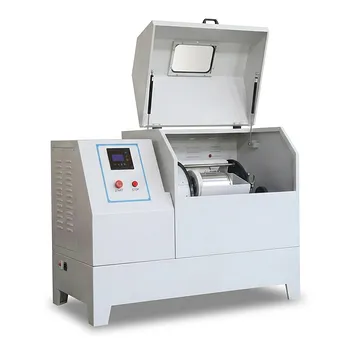
Heavy Duty Horizontal Planetary Ball Mill for Efficient Industrial Grinding and Sample Preparation
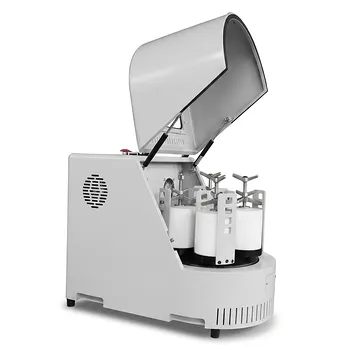
Vertical Semi Circular Planetary Ball Mill for Laboratory Precision Grinding

Vertical Production Planetary Ball Mill for High Throughput Powder Processing

High Energy Planetary Ball Mill for Nano Scale Grinding and Mechanical Alloying
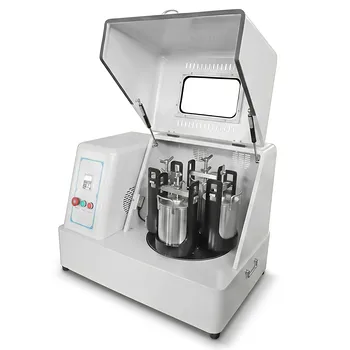
Vertical Square Planetary Ball Mill for Laboratory Sample Preparation and Nanoscale Grinding
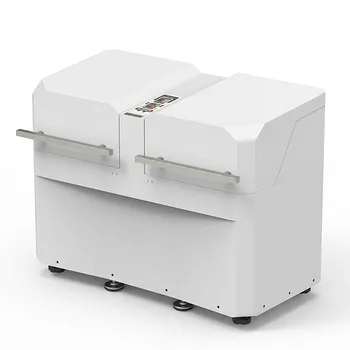
Dual Station Planetary Ball Mill 24L
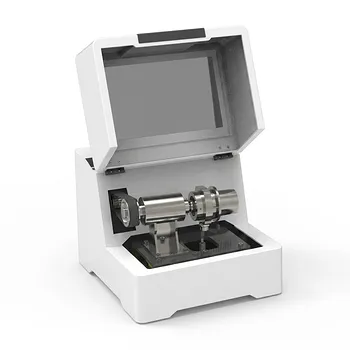
Single Tank High Energy Vibratory Ball Mill for Laboratory Grinding and Mixing
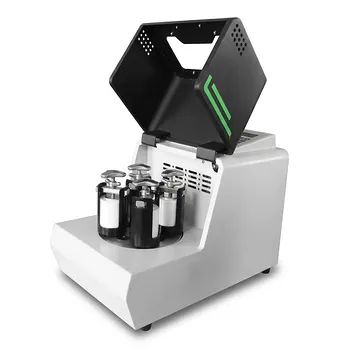
Miniature Planetary Ball Mill with Vacuum Grinding and High Efficiency for Laboratory Sample Preparation

High Energy Omnidirectional Planetary Ball Mill 16L
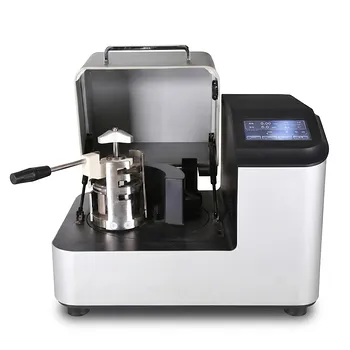
High Energy Laboratory Planetary Ball Mill for Nano Grinding and Material Science Sample Preparation
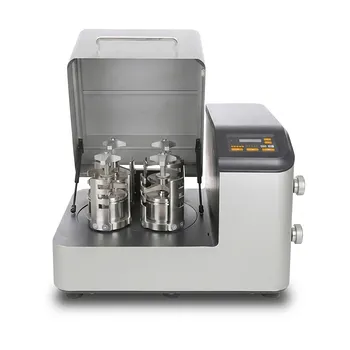
High Energy Planetary Ball Mill for Nano Scale Grinding and Colloidal Mixing in Material Science Research
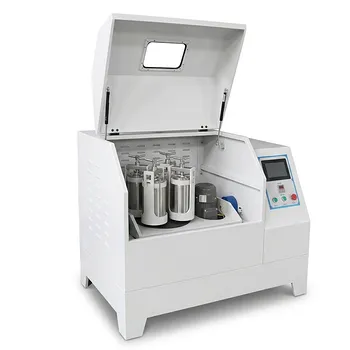
360° Rotating Omnidirectional Laboratory Planetary Ball Mill for Homogeneous Ultra-Fine Grinding and Mixing
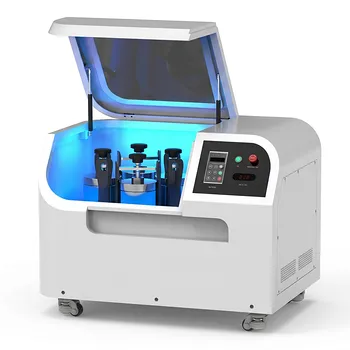
Planetary Ball Mill 12L
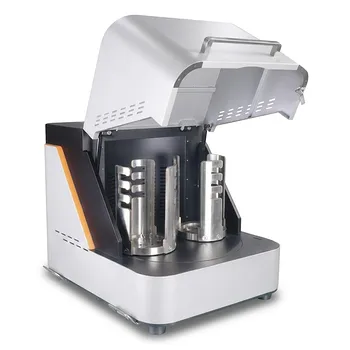
High Energy Laboratory Planetary Ball Mill for Nano Grinding and Colloidal Mixing of Hard and Brittle Materials
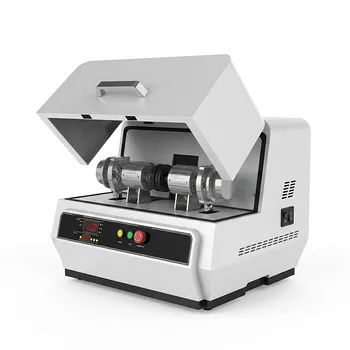
Dual Jar High Energy Vibratory Ball Mill
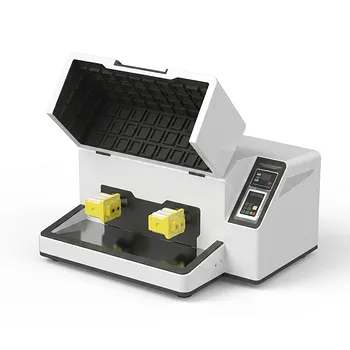
Multi-Platform Nanoscale High-Energy Vibratory Ball Mill
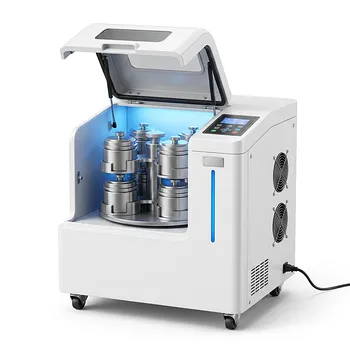
High Energy Omnidirectional Planetary Ball Mill 20L
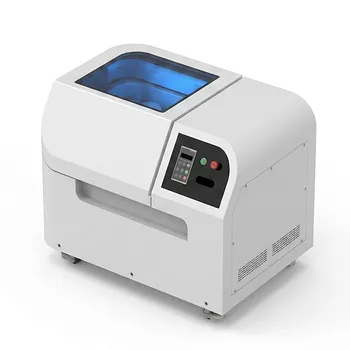
8L Planetary Ball Mill for Laboratory Grinding and Sample Preparation
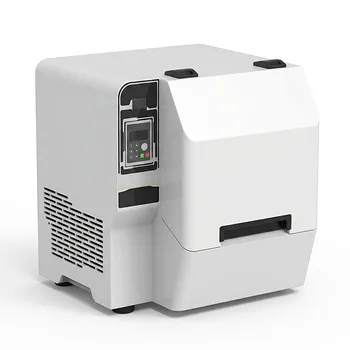
Nano High Energy Vibratory Ball Mill for Laboratory Sample Preparation