Why are high-precision vibratory sieve shakers utilized during the grading process of RMP? Enhance Grading Accuracy
Updated 5 months ago
High-precision vibratory sieve shakers are utilized in the grading of Rock Mineral Powder (RMP) to achieve rigorous particle size classification. By pairing precisely controlled mechanical vibrations with standard test sieves, these devices separate ground RMP into specific micrometer-level gradients, such as 125, 250, 500, and 1000 micrometers. This level of accuracy is fundamental to researching how particle fineness dictates the release rates of essential micronutrients like potassium, zinc, and copper.
The core value of high-precision vibratory sieve shakers lies in their ability to eliminate particle size variance, ensuring a narrow and reproducible distribution. This control is essential for validating chemical reaction rates and ensuring the structural integrity of materials in both laboratory and industrial settings.
The Impact of Precision on Chemical and Research Accuracy
Controlling Micronutrient Release Rates
The primary utility of these shakers is the ability to isolate specific particle size fractions to study nutrient bioavailability. In RMP research, the surface area exposed by different fineness levels directly influences how quickly minerals like potassium, zinc, and copper are released into the environment. Precise grading allows researchers to establish a direct correlation between particle size and chemical performance.
Eliminating Experimental Uncertainty
Vibratory shakers provide precisely controlled mechanical vibrations that ensure consistent results across multiple tests. By maintaining a narrow particle size distribution, researchers can eliminate the "noise" caused by size variance. This ensures that any observed changes in chemical reaction rates or experimental outcomes are due to the material properties rather than inconsistent sizing.
Replicating Field and Engineering Conditions
High-precision screening allows for the accurate replication of grading curves found in actual engineering fillers or soil conditions. By strictly controlling the mass ratio of each particle size component, laboratory models can more reliably predict how RMP or crushed mudstone will behave in large-scale field applications.
Structural Integrity and Industrial Processing
Maximizing Packing Density
In applications involving concrete or resin-based composites, these shakers are used to categorize aggregates into coarse, medium, and fine ranges. Strictly controlling these grading curves allows for dense packing, which optimizes the physical structure of the material. This dense filling reduces the consumption of binders like resin and limits thermal shrinkage in high-temperature environments.
Ensuring Consistent Microstructure
For materials undergoing sintering or extrusion, the uniformity provided by high-precision grading is critical. A consistent particle size distribution ensures that the powder maintains stable rheological properties, preventing local uneven heating or flow blockages. This leads to a more uniform microstructure in the finished product, increasing the inherent reliability and strength of the material.
Standardizing Wear Resistance Tests
In standardized testing, such as the Los Angeles Abrasion test, particle sizes must be selected according to strict apertures (e.g., passing 3/4 inch and retained on 1/2 inch). High-precision vibratory shakers ensure that the material gradation is standardized across different samples. This makes wear resistance results comparable and scientifically valid.
Understanding the Trade-offs and Constraints
Equipment Calibration and Sieve Wear
While high-precision shakers offer extreme accuracy, they are dependent on the integrity of the test sieves. Over time, mechanical vibrations and abrasive mineral powders can cause wire mesh distortion or "blinding" (clogging). Regular calibration and sieve replacement are necessary costs to maintain the "high-precision" designation.
Material Throughput vs. Accuracy
There is often a trade-off between the volume of material processed and the precision of the separation. High-precision vibratory shakers are typically optimized for laboratory or small-batch grading where accuracy is paramount. For massive industrial throughput, achieving the same level of micrometer-level precision requires significantly more complex and expensive infrastructure.
Selecting the Right Grading Strategy for Your Project
High-precision grading is not a one-size-fits-all process; your approach should be dictated by your end objective.
- If your primary focus is nutrient release research: Prioritize narrow micrometer gradients (125–1000 µm) to isolate the exact impact of surface area on chemical leaching.
- If your primary focus is material strength or sintering: Focus on achieving a grading curve that maximizes packing density to ensure microstructural integrity.
- If your primary focus is standardized engineering testing: Ensure your shaker settings and sieve selections strictly adhere to established standards like the Los Angeles Abrasion requirements.
Precision in particle grading is the invisible foundation of material science, transforming raw rock powder into a predictable and high-performing technical resource.
Summary Table:
| Application | Core Benefit | Key Objective |
|---|---|---|
| Nutrient Research | Controls micronutrient release rates | Isolate 125µm–1000µm fractions |
| Material Science | Maximizes packing density | Optimize microstructure & strength |
| Chemical Testing | Eliminates size variance | Ensure reproducible reaction rates |
| Engineering Tests | Standardizes wear resistance | Adhere to Los Angeles Abrasion specs |
Elevate Your Material Research with Professional Sample Preparation
Precise particle grading is the foundation of reliable material science. We provide complete laboratory sample preparation solutions designed to help you achieve micrometer-level accuracy. Our specialized equipment range includes:
- Grading & Sizing: High-performance vibratory and air-jet sieve shakers with a wide variety of test sieves.
- Size Reduction: Advanced crushers (jaw/roll), liquid nitrogen cryogenic grinders, and diverse mills (planetary, jet, disc, and rotor).
- Processing & Compaction: Powder mixers, defoaming mixers, and a full spectrum of hydraulic presses, including Cold/Warm Isostatic Presses (CIP/WIP), XRF pellet presses, and vacuum hot presses.
Whether you are analyzing Rock Mineral Powder or developing advanced composites, our equipment ensures consistent, high-quality results.
Contact our technical team today to find the ideal equipment for your laboratory needs!
References
- B. B. Basak, Ravi Naidu. Environmentally safe release of plant available potassium and micronutrients from organically amended rock mineral powder. DOI: 10.1007/s10653-020-00677-1
Mentioned Products
- High Frequency Wet Three-Dimensional Vibrating Sieve Shaker for Dry and Wet Particle Size Analysis
- High Frequency Cabinet Type Three-Dimensional Rotary Vibrating Sieve Shaker for Dry Sieving and Particle Classification
- Vibratory Sieve Shaker Electromagnetic 3D Motion Powder Particle Size Analyzer for Dry and Wet Sieving
- Laboratory Vibratory Test Sieve Shaker for Precision Particle Size Analysis and Powder Grading
- Heavy Duty Dry Three Dimensional Vibratory Sieve Shaker for Particle Separation
People Also Ask
- Why are vibrating sieve shakers used with standard test sieves? Ensure Precise Grading for Recycled Aggregates
- What is the function of high-frequency vibratory sieve shakers in AMC powders? Master Particle Grading & PSD Control
- How does a vibratory sieve shaker contribute to optimizing the performance of activated carbon? Enhance Adsorption Precision
- Why is it essential to use a vibrating sieve shaker for the final grading of dietary fiber products? Master Quality.
- What is the role of a high-frequency vibratory sieve shaker in Cold Mix asphalt design? Optimize RAP Gradation Accuracy

Tech Team · PowderPreparation
Last updated on May 14, 2026
Related Products
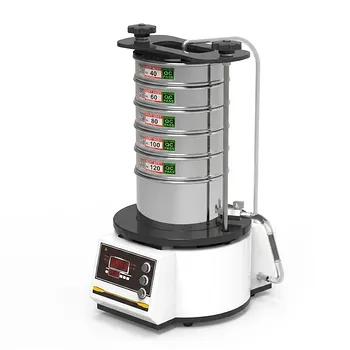
High Frequency Wet Three-Dimensional Vibrating Sieve Shaker for Dry and Wet Particle Size Analysis
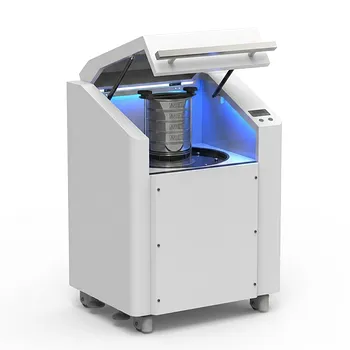
High Frequency Cabinet Type Three-Dimensional Rotary Vibrating Sieve Shaker for Dry Sieving and Particle Classification
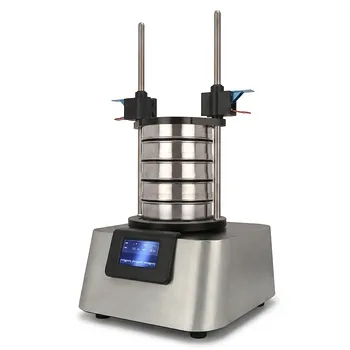
Vibratory Sieve Shaker Electromagnetic 3D Motion Powder Particle Size Analyzer for Dry and Wet Sieving
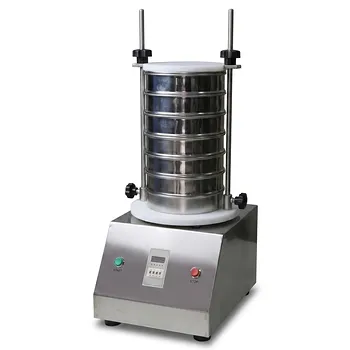
Laboratory Vibratory Test Sieve Shaker for Precision Particle Size Analysis and Powder Grading
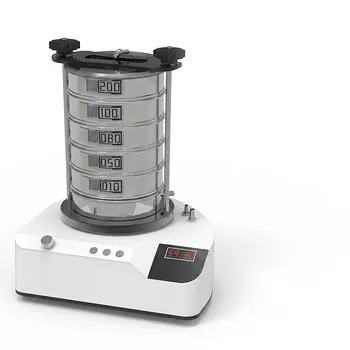
Heavy Duty Dry Three Dimensional Vibratory Sieve Shaker for Particle Separation
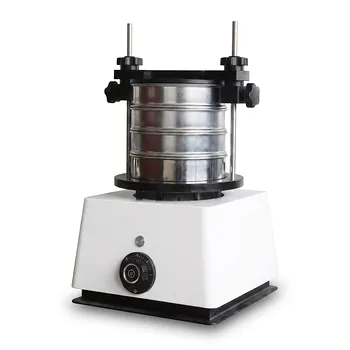
Small Laboratory Vibrating Sieve Shaker for Precise Particle Size Analysis
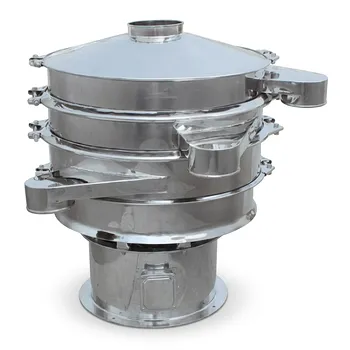
Stainless Steel Rotary Vibrating Sieve High Precision Circular Vibratory Separator Industrial Powder Grading Machine Multi Layer Sifting Equipment
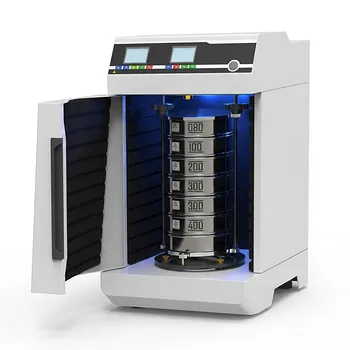
Laboratory Dry and Wet Three Dimensional Vibratory Sieve Shaker for Particle Analysis
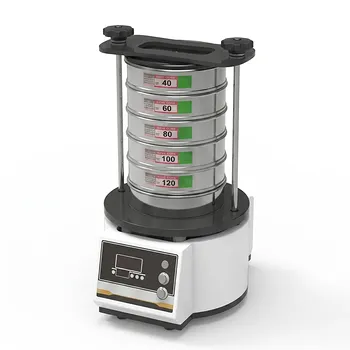
Dry Three Dimensional Vibratory Sieve Shaker
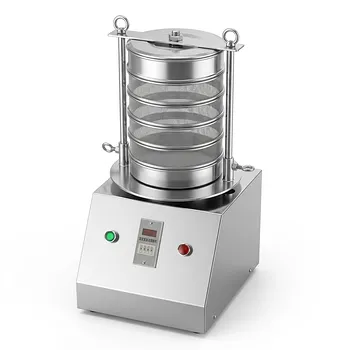
Stainless Steel Laboratory Vibratory Test Sieve Shaker
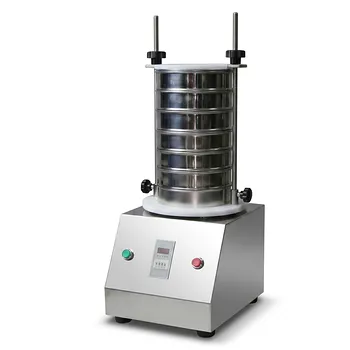
Small Laboratory Vibratory Sieve Shaker for Powder Gradation and Particle Size Analysis
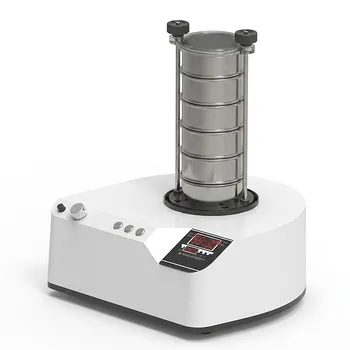
三维电磁微量振动筛分仪
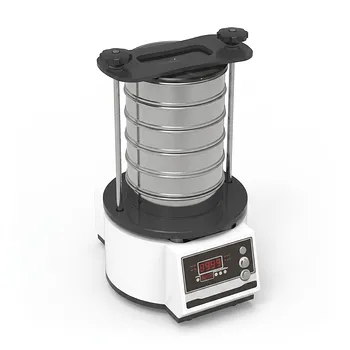
Tapping Oscillating Sieve Shaker for Dry and Wet Particle Size Analysis
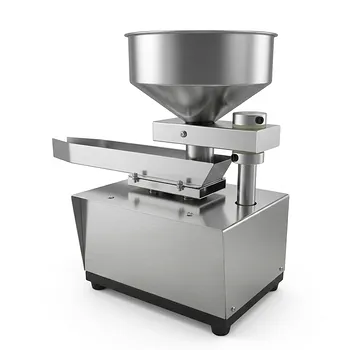
Automatic Vibrating Powder Feeder for Laboratory Material Processing Precision Vibratory Hopper Feeder for Granular and Powder Material Handling Industrial Grade Vibrating Tray Feeder for Consistent Material Sample Preparation
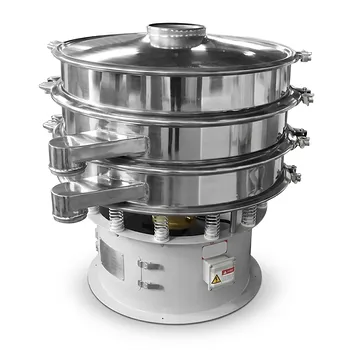
Three Dimensional Rotary Vibrating Sieve
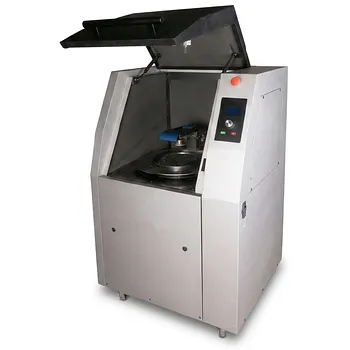
High Speed Vibratory Disc Mill for Spectral Analysis Sample Preparation and Rapid Powder Grinding
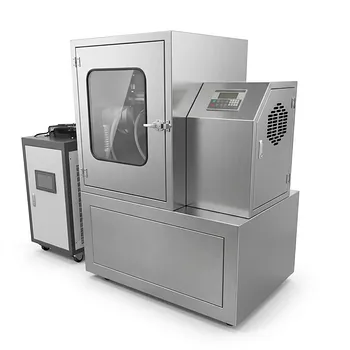
Vibratory Superfine Grinder for Ultra Fine Laboratory Powder Milling
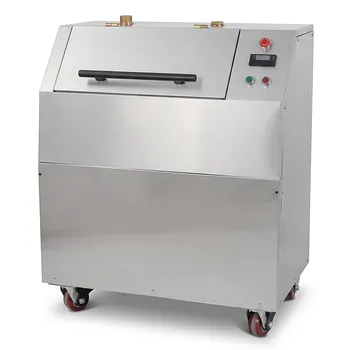
Vibratory Disc Mill for Rapid Fine Grinding and High Throughput Sample Preparation of Hard and Brittle Materials
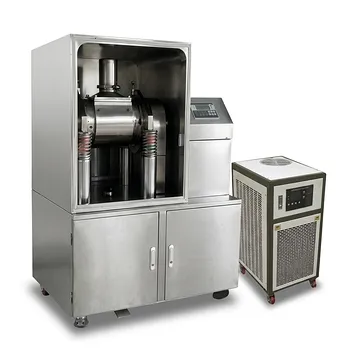
Small Vibrating Ultrafine Grinder for Traditional Chinese Medicine