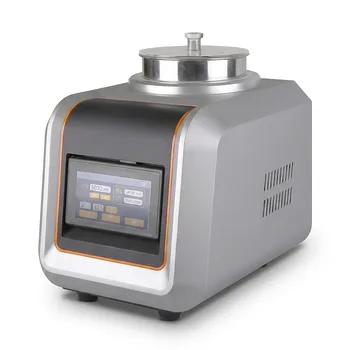
Why are high-precision vibratory sieve shakers and standard test sieves necessary for grading adsorbent particles?
Updated 4 months ago
Precision particle grading is the fundamental requirement for ensuring the accuracy and repeatability of adsorption experiments. High-precision vibratory sieve shakers and standard test sieves work in tandem to eliminate experimental error by creating strict uniformity in particle dimensions, typically ranging from 0.124 mm to 1.19 mm. This level of control is essential to isolate the effects of particle size on bed tortuosity, porosity, and mass transfer kinetics.
Core Takeaway: To achieve reliable breakthrough curves and kinetic data, researchers must use standardized grading equipment to eliminate physical size variations that would otherwise mask the true chemical performance of the adsorbent.
Ensuring Scientific Reproducibility
Eliminating Experimental Noise
Uniform particle size distribution is critical because it removes variables caused by physical irregularities. Without precise grading, inconsistent mass transfer paths can lead to "channeling" or uneven flow, which compromises the integrity of the data.
Standardizing Breakthrough Curves
In fixed-bed experiments, the accuracy of a breakthrough curve depends entirely on the consistency of the adsorbent media. High-precision shakers ensure that specific mesh sizes—such as 16, 18, 35, 45, and 120—yield highly specific particle grades that behave predictably under flow conditions.
Achieving Kinetic Stability
Consistency in particle size ensures that adsorption performance remains comparable across different batches of material. By maintaining a narrow size range, such as 425–625 µm, researchers can ensure kinetic stability, allowing for a direct comparison of material properties rather than physical size effects.
Impact on Adsorption Efficiency
Defining Surface Area Distribution
The relationship between particle size and adsorption efficiency is often inverse; smaller particles typically offer more surface area for reactions. Standard test sieves allow researchers to quantify this relationship by isolating specific grades like 140 µm, 300 µm, or 500 µm for comparative study.
Optimizing Mass Transfer Paths
Standardized particles ensure that the "path" a solute takes to reach an adsorption site is uniform across the entire bed. This homogenization is vital for materials like zeolite, sand, and silicious rock, where pore structure and surface chemistry are the primary focus of the study.
Enhancing Bed Architecture
Precision grading allows for better control over bed tortuosity and porosity. By selecting specific particle distributions, engineers can manipulate the void spaces between particles to reduce cement paste demand in composites or optimize fluid contact time in filtration columns.
Understanding the Trade-offs
Mechanical Stress and Particle Degradation
While vibratory shakers provide the necessary energy for separation, excessive "G-force" can cause fragile adsorbents to degrade or abrade during the process. This creates "fines" (micro-particles) that can clog sieves or alter the final sample distribution.
The Risk of Sieve Blinding
High-precision mesh is susceptible to blinding, where particles become lodged in the openings. This requires careful maintenance and specific cleaning protocols to ensure the sieve retains its "standard" aperture size over repeated uses.
Throughput vs. Precision
There is an inherent trade-off between the volume of material processed and the precision of the grading. Achieving the narrowest particle size distributions often requires longer shaking times and smaller batch sizes, which may slow down large-scale research projects.
Applying Grading Standards to Your Project
Recommendations Based on Your Objectives
- If your primary focus is Adsorption Kinetics: Prioritize a narrow particle range (e.g., 300–425 µm) to ensure mass transfer remains the only variable in your study.
- If your primary focus is Fixed-Bed Hydraulics: Use a vibratory shaker to determine the exact packing density and void ratio to predict pressure drop and flow resistance accurately.
- If your primary focus is Material Comparison: Utilize standard test sieves to ensure every batch of raw material is graded to the exact same mesh specification before testing begins.
Standardized particle grading is not merely a preparation step; it is the cornerstone of high-fidelity adsorption science and predictable material performance.
Summary Table:
| Key Feature | Benefit for Adsorption Science | Impact on Experimental Data |
|---|---|---|
| Uniform Sizing | Eliminates flow "channeling" | Ensures accurate breakthrough curves |
| Precision Grading | Optimizes surface area distribution | Achieves stable kinetic performance |
| Standardized Mesh | Maintains consistent batch quality | Enables reliable material comparisons |
| Bed Architecture | Controls tortuosity and porosity | Predicts pressure drop and mass transfer |
Optimize Your Material Analysis with Precision Equipment
At our facility, we specialize in providing complete laboratory sample preparation solutions for material science, ensuring your research is backed by scientific reproducibility. Whether you are grading adsorbents like zeolites or developing new catalysts, our equipment is designed to eliminate experimental noise and deliver high-fidelity results.
Our extensive product lines include:
- Powder Processing: High-precision vibratory and air-jet sieve shakers, test sieves, and powder/defoaming mixers.
- Size Reduction: Jaw/roll crushers, liquid nitrogen cryogenic grinders, and various mills (planetary ball, jet, sand, and rotor).
- Compaction & Pressing: A full spectrum of hydraulic presses, including Cold/Warm Isostatic Presses (CIP/WIP), standard lab presses, XRF pellet presses, and vacuum hot presses.
Ready to enhance your lab's efficiency and data accuracy? Contact us today to discuss your specific requirements and let our experts help you select the ideal tools for your particle characterization and sample preparation needs.
References
- Ángel Villabona-Ortíz, Ciro Botello-Urbiñez. Impact of temperature, bed height, and particle size on Ni(II) removal in a continuous system: Modelling the break curve. DOI: 10.24425/jwld.2022.140397
Mentioned Products
- High Frequency Wet Three-Dimensional Vibrating Sieve Shaker for Dry and Wet Particle Size Analysis
- High Frequency Cabinet Type Three-Dimensional Rotary Vibrating Sieve Shaker for Dry Sieving and Particle Classification
- Vibratory Sieve Shaker Electromagnetic 3D Motion Powder Particle Size Analyzer for Dry and Wet Sieving
- Laboratory Vibratory Test Sieve Shaker for Precision Particle Size Analysis and Powder Grading
- Heavy Duty Dry Three Dimensional Vibratory Sieve Shaker for Particle Separation
People Also Ask
- Why are vibrating sieve shakers used with standard test sieves? Ensure Precise Grading for Recycled Aggregates
- What is the function of high-frequency vibratory sieve shakers in AMC powders? Master Particle Grading & PSD Control
- How does a vibratory sieve shaker contribute to optimizing the performance of activated carbon? Enhance Adsorption Precision
- Why is it essential to use a vibrating sieve shaker for the final grading of dietary fiber products? Master Quality.
- What is the role of a high-frequency vibratory sieve shaker in Cold Mix asphalt design? Optimize RAP Gradation Accuracy

Tech Team · PowderPreparation
Last updated on Jun 03, 2026
Related Products
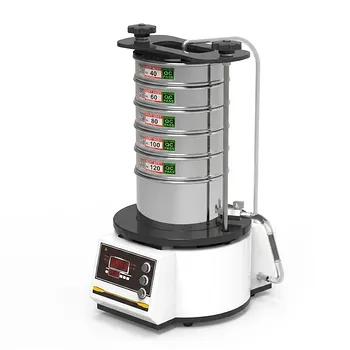
High Frequency Wet Three-Dimensional Vibrating Sieve Shaker for Dry and Wet Particle Size Analysis
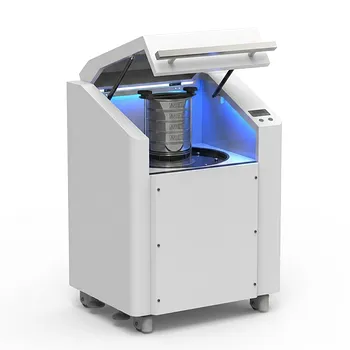
High Frequency Cabinet Type Three-Dimensional Rotary Vibrating Sieve Shaker for Dry Sieving and Particle Classification
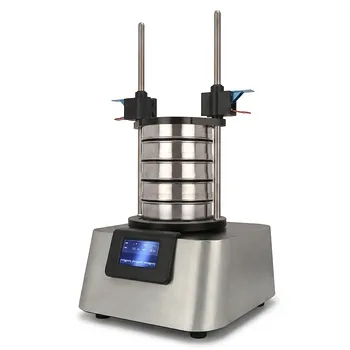
Vibratory Sieve Shaker Electromagnetic 3D Motion Powder Particle Size Analyzer for Dry and Wet Sieving
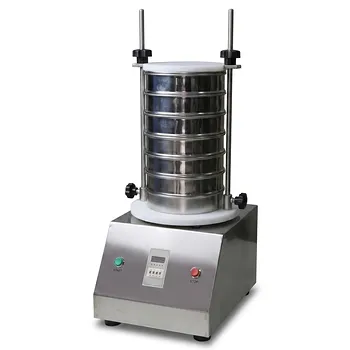
Laboratory Vibratory Test Sieve Shaker for Precision Particle Size Analysis and Powder Grading
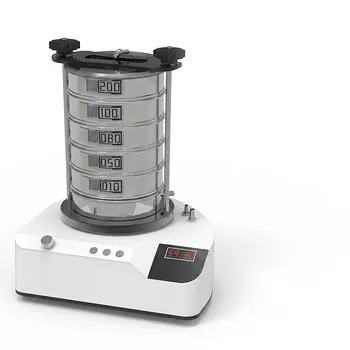
Heavy Duty Dry Three Dimensional Vibratory Sieve Shaker for Particle Separation
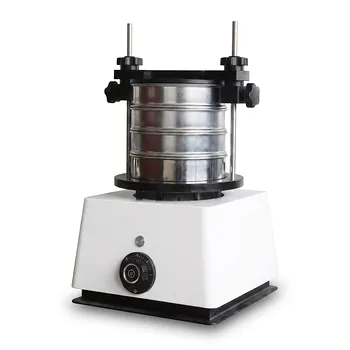
Small Laboratory Vibrating Sieve Shaker for Precise Particle Size Analysis
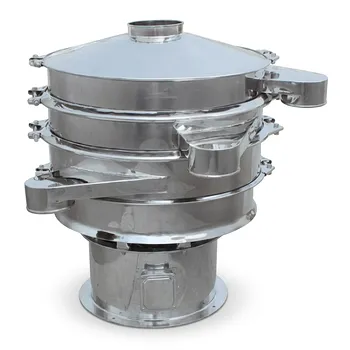
Stainless Steel Rotary Vibrating Sieve High Precision Circular Vibratory Separator Industrial Powder Grading Machine Multi Layer Sifting Equipment
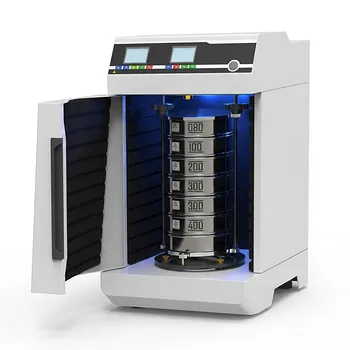
Laboratory Dry and Wet Three Dimensional Vibratory Sieve Shaker for Particle Analysis
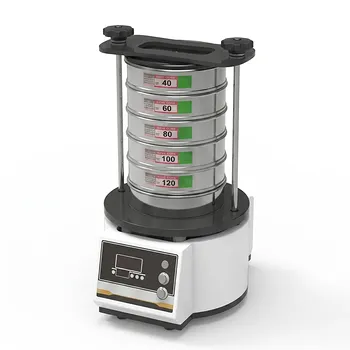
Dry Three Dimensional Vibratory Sieve Shaker
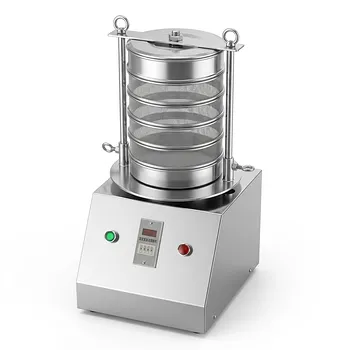
Stainless Steel Laboratory Vibratory Test Sieve Shaker
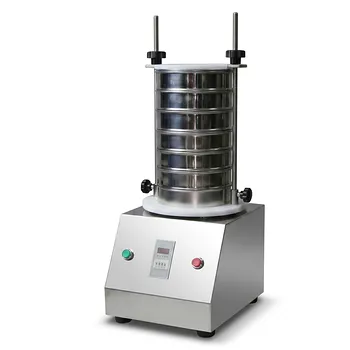
Small Laboratory Vibratory Sieve Shaker for Powder Gradation and Particle Size Analysis
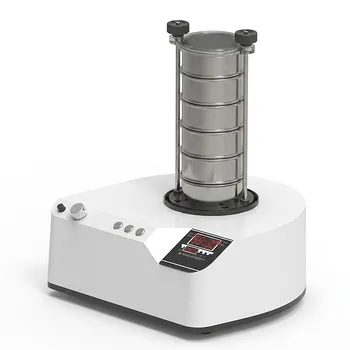
三维电磁微量振动筛分仪
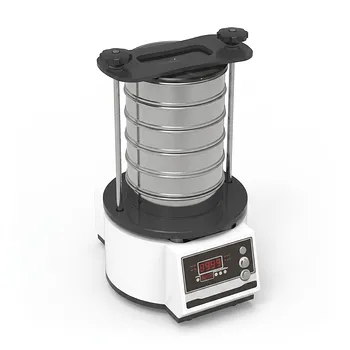
Tapping Oscillating Sieve Shaker for Dry and Wet Particle Size Analysis
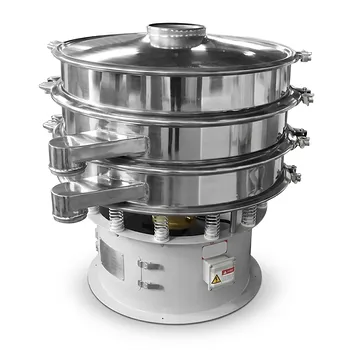
Three Dimensional Rotary Vibrating Sieve
Automatic Vibrating Powder Feeder for Laboratory Material Processing Precision Vibratory Hopper Feeder for Granular and Powder Material Handling Industrial Grade Vibrating Tray Feeder for Consistent Material Sample Preparation
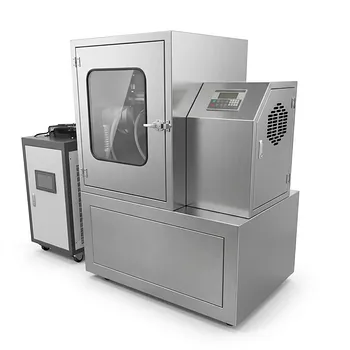
Vibratory Superfine Grinder for Ultra Fine Laboratory Powder Milling
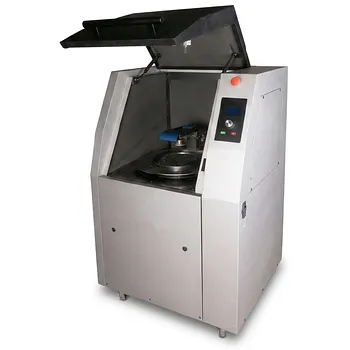
High Speed Vibratory Disc Mill for Spectral Analysis Sample Preparation and Rapid Powder Grinding
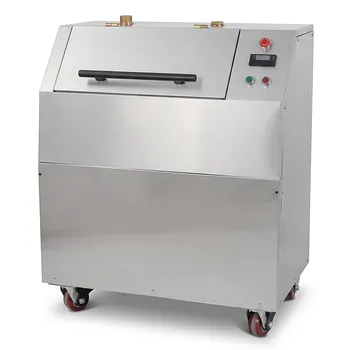
Vibratory Disc Mill for Rapid Fine Grinding and High Throughput Sample Preparation of Hard and Brittle Materials
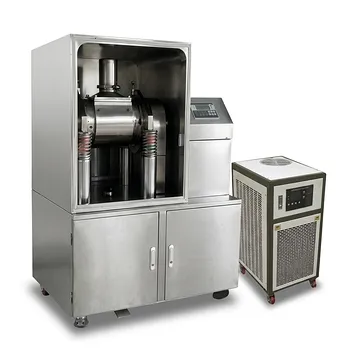
Small Vibrating Ultrafine Grinder for Traditional Chinese Medicine