Why are high-precision test sieves used when processing pre-gelatinized starch powder? Optimize Quality & Consistency
Updated 5 months ago
High-precision test sieves are the primary tool for grading crushed pre-gelatinized starch and removing impurities to ensure functional consistency. By utilizing specific apertures—typically 150μm, 180μm, or 250μm—producers can strictly control the particle size distribution. This precision is vital for maintaining predictable dissolution rates and water absorption efficiency, preventing technical failures like uneven rehydration in the final application.
High-precision sieving transforms raw crushed starch into a standardized functional ingredient by defining its particle size boundaries. This control is the fundamental requirement for achieving consistent viscosity, smooth textures, and reliable performance in both food and industrial processes.
The Link Between Particle Size and Functional Performance
Optimizing Dissolution and Rehydration
Pre-gelatinized starch is valued for its ability to thicken without heat, making its dissolution rate a critical metric. High-precision sieves ensure that all particles fall within a narrow size range, allowing them to hydrate at a synchronized speed.
If the distribution is too broad, smaller particles may dissolve instantly while larger particles remain dry at the core. This leads to the formation of "fish-eyes" or lumps that compromise the homogeneity of the mixture.
Maximizing Water Absorption Efficiency
The surface-area-to-volume ratio of the starch powder directly dictates its water absorption efficiency. By using precision mesh to exclude oversized grains, manufacturers can guarantee that the starch reaches its peak viscosity within a specific timeframe.
Consistent particle sizing ensures that the starch behaves predictably across different batches. This is essential for automated production lines where timing and moisture ratios are precisely calibrated.
Quality Control and Sensory Standards
Eliminating Textural and Sensory Defects
In food applications, the "mouthfeel" of a product is heavily influenced by the maximum particle size of its ingredients. High-precision sieves remove excessively large particles that can cause a gritty or sandy texture in smooth products like puddings or sauces.
By adhering to strict grading standards, producers ensure the sensory quality remains high. This level of control is impossible with standard industrial-grade screens that may have inconsistent wire spacing.
Removing Contaminants and Process Agglomerates
During the milling and drying phases, starch can form hard agglomerates or "lumps" that do not readily dissolve. High-precision test sieves act as a final gatekeeper to catch these aggregates before packaging.
Additionally, these sieves serve a critical purification function. They effectively remove any residual impurities introduced during the crushing process, ensuring the final powder meets purity specifications.
Common Pitfalls and Trade-offs
The Challenge of Mesh Blinding
High-precision sieves, especially those with very fine apertures, are susceptible to blinding, where particles become lodged in the mesh. This reduces the effective screening area and can lead to inaccurate grading if the equipment is not maintained.
Balancing Precision and Throughput
There is an inherent trade-off between the strictness of the sieve aperture and the speed of processing. While a 150μm sieve provides superior consistency, it may require more time or more advanced vibratory assistance to process the same volume as a coarser mesh.
Selecting the Right Sieve for Your Goal
How to Apply This to Your Process
To achieve the best results with pre-gelatinized starch, your choice of sieve should align with the specific requirements of your end product.
- If your primary focus is instant solubility: Use a 150μm or 180μm sieve to ensure a high surface-area-to-mass ratio for rapid, uniform rehydration.
- If your primary focus is cost-effective bulk thickening: A 250μm sieve may be sufficient to remove major impurities and large aggregates while maintaining higher production throughput.
- If your primary focus is preventing channel blockages in industrial systems: Utilize a precision sieve that matches the minimum orifice size of your application to ensure stable fluid flow.
Standardizing your starch through high-precision sieving is the most effective way to turn a variable raw material into a reliable, high-performance ingredient.
Summary Table:
| Sieve Aperture | Primary Focus | Key Benefit |
|---|---|---|
| 150μm - 180μm | Instant Solubility | Ensures rapid, uniform rehydration and high surface area. |
| 250μm | Bulk Thickening | Maximizes throughput while removing large aggregates/impurities. |
| Application Specific | Industrial Systems | Matches orifice sizes to prevent channel blockages and fluid issues. |
| General Grading | Sensory Quality | Eliminates "fish-eyes" and gritty textures for smooth mouthfeel. |
Optimize Your Starch Consistency with Precision Lab Solutions
Achieving the perfect viscosity and texture in pre-gelatinized starch requires rigorous control over particle size. At [Brand Name], we provide complete laboratory sample preparation solutions tailored for material science. From initial processing with our jaw/roll crushers and planetary ball mills to final grading using our high-precision vibratory and air-jet sieve shakers, we ensure your powders meet the strictest standards.
Why partner with us?
- Precision Grading: Our extensive range of test sieves and meshes ensures accurate 150μm to 250μm separation.
- Advanced Equipment: Specialized mills and mixers (including defoaming and powder mixers) to handle complex starch properties.
- Comprehensive Support: We offer everything from CIP/WIP isostatic presses to XRF pellet presses for your material characterization needs.
Don't let inconsistent particle sizes compromise your product quality. Contact our technical team today to find the ideal sieving and milling solution for your laboratory!
References
- Seppo Karrila, Taewee Karrila. Effect of blending and pregelatinizing order on properties of pregelatinized starch from rice and cassava. DOI: 10.26656/fr.2017.4(1).245
Mentioned Products
- Laboratory Vibratory Test Sieve Shaker for Precision Particle Size Analysis and Powder Grading
- Stainless Steel Rotary Vibrating Sieve High Precision Circular Vibratory Separator Industrial Powder Grading Machine Multi Layer Sifting Equipment
- Small High-Speed Laboratory Grinder for Rapid Sample Preparation
- Small Laboratory Vibrating Sieve Shaker for Precise Particle Size Analysis
- Small High-Speed Laboratory Grinder for Powder Processing
People Also Ask
- What role does a laboratory sieve shaker play in determining PDI? Achieve Precision in Biomass Quality Testing
- What are the functions of sieve shakers for coconut shell powder? Achieve Precise Particle Size & Quality Control.
- What function does a laboratory sieve shaker perform in the PSD analysis of residual soil? Ensure Precise Grading
- What is the role of a laboratory sieve shaker in the preparation of plantain peel adsorbents? Standardize Particle Size
- What is the function of a laboratory vibratory sieve shaker? Enhance Coal Particle Size Distribution (PSD) Analysis

Tech Team · PowderPreparation
Last updated on May 14, 2026
Related Products
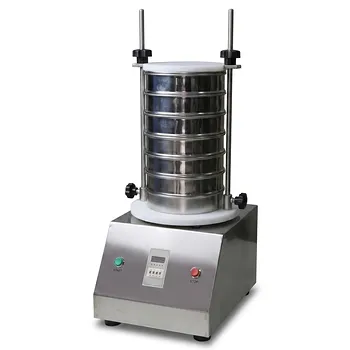
Laboratory Vibratory Test Sieve Shaker for Precision Particle Size Analysis and Powder Grading
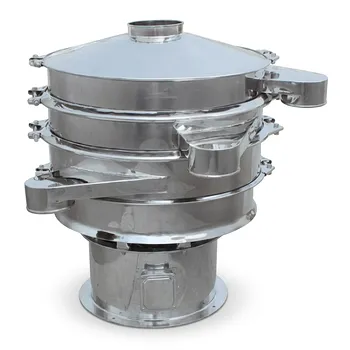
Stainless Steel Rotary Vibrating Sieve High Precision Circular Vibratory Separator Industrial Powder Grading Machine Multi Layer Sifting Equipment
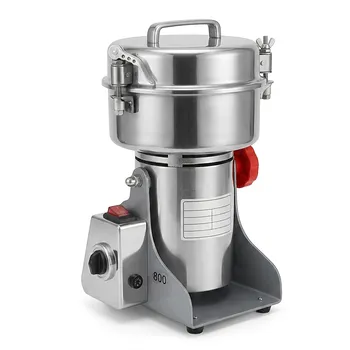
Small High-Speed Laboratory Grinder for Rapid Sample Preparation
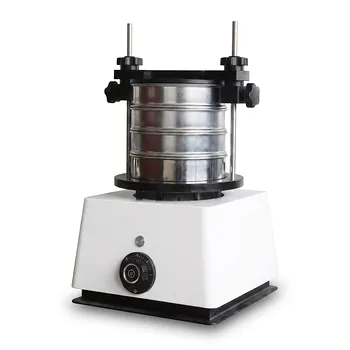
Small Laboratory Vibrating Sieve Shaker for Precise Particle Size Analysis
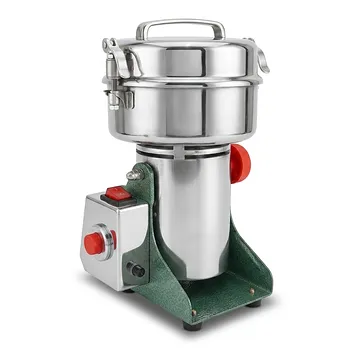
Small High-Speed Laboratory Grinder for Powder Processing
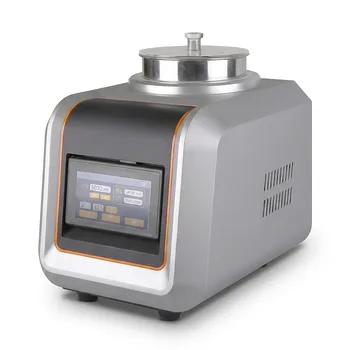
Laboratory Air Jet Sieving Machine for Fine Powder Particle Size Analysis and Deagglomeration
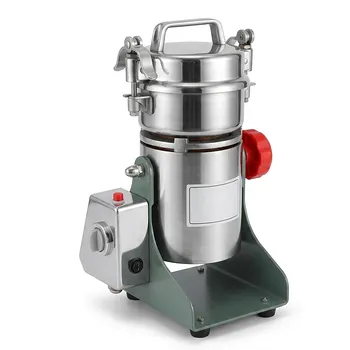
High Speed Swing Type Laboratory Pulverizer for Fine Powder Grinding and Sample Preparation
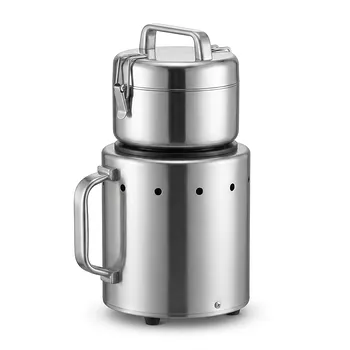
Small High Speed Grinder for Laboratory Sample Preparation
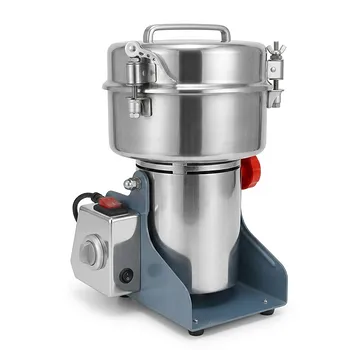
Small High-Speed Grinder for Efficient Laboratory Sample Preparation
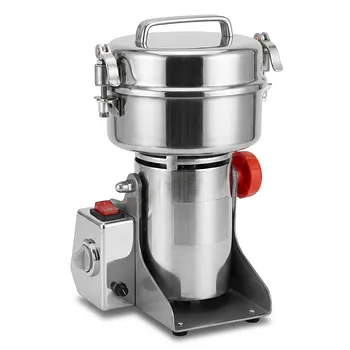
High Speed Laboratory Powder Grinder Small Batch Sample Preparation Mill
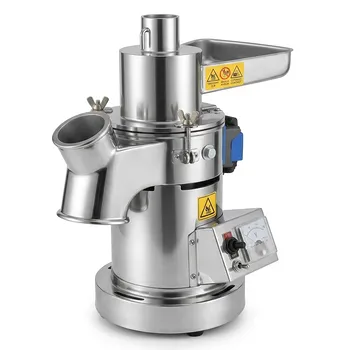
Continuous Feeding Grinder High Efficiency Pulverizer for Lab Sample Preparation
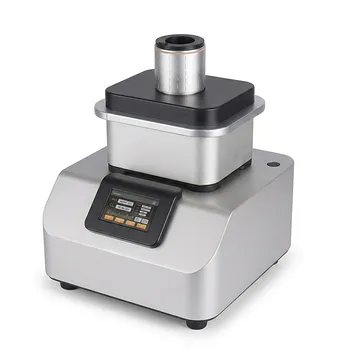
Ultra Centrifugal Mill High Speed Laboratory Grinder for Fibrous and Brittle Sample Preparation
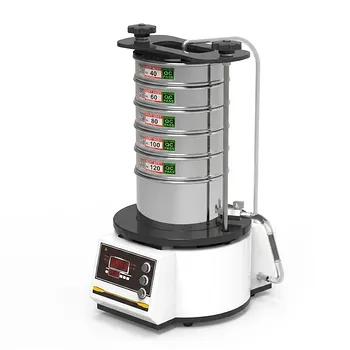
High Frequency Wet Three-Dimensional Vibrating Sieve Shaker for Dry and Wet Particle Size Analysis
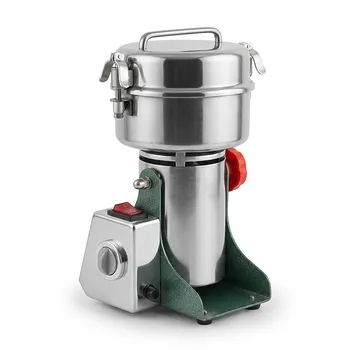
Small High-Speed Swing Grinder for Laboratory Sample Preparation
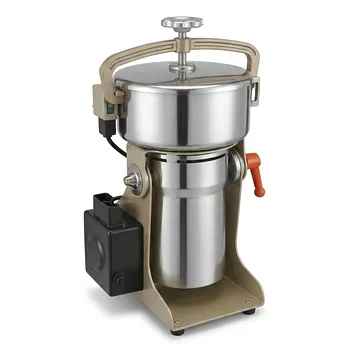
Multifunctional High Efficiency High Speed Laboratory Grinder
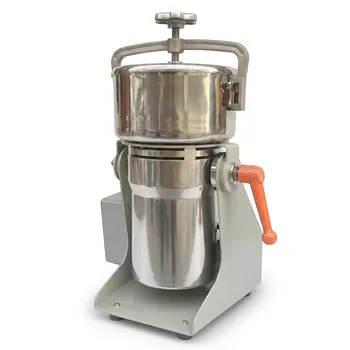
High Speed Laboratory Grinder Efficient Stainless Steel Powder Pulverizer Universal Material Science Mill for Sample Preparation
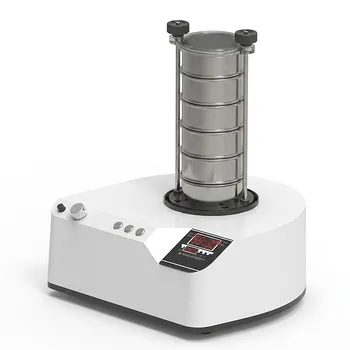
三维电磁微量振动筛分仪
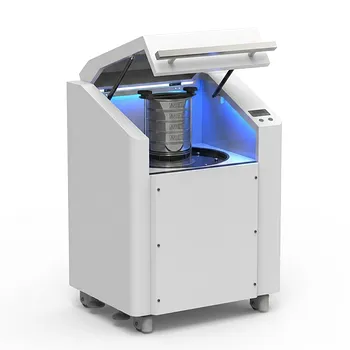
High Frequency Cabinet Type Three-Dimensional Rotary Vibrating Sieve Shaker for Dry Sieving and Particle Classification
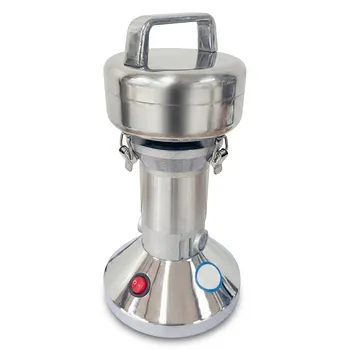
Small Trace Sample High Speed Pulverizer Grinder Laboratory Powder Mill