Why use high-frequency vibratory sieve shakers for graphite nucleation research? Ensure Particle Size & Data Precision
Updated 4 months ago
High-frequency vibratory sieve shakers are essential for researching graphite nucleation mechanisms because they provide precise control over particle size distribution and surface area. These parameters are the primary drivers of graphite's wettability and heterogeneous nucleation efficiency within iron-carbon-silicon melts. By isolating specific size fractions, researchers can establish a predictable relationship between the raw material's physical properties and the resulting metallurgical structure.
The use of high-frequency vibratory sieve shakers ensures that graphite powders possess a uniform particle size distribution, which is critical for maintaining consistent chemical reaction rates and physical interactions during nucleation. This precision allows researchers to eliminate particle size variance as a confounding variable, enabling a definitive understanding of how graphite serves as a nucleating agent.
The Critical Link Between Particle Size and Nucleation
Controlling Surface Area and Wettability
The surface area and particle size of graphite directly influence its wettability in iron-carbon-silicon melts. High-frequency sieving allows researchers to select specific apertures to ensure the nucleating agent interacts predictably with the liquid metal.
Smaller particles offer a higher surface-area-to-volume ratio, which can accelerate chemical reactions and nucleation rates. Conversely, inconsistent sizing leads to unpredictable "clusters" that fail to activate as effective nucleation sites.
Optimizing Heterogeneous Nucleation Efficiency
Heterogeneous nucleation depends on the presence of solid surfaces to trigger the formation of a new phase. Precise grading ensures that the graphite particles are of an optimal size to act as these catalysts without being so large that they float or so small that they dissolve prematurely.
By using high-frequency vibration, researchers can separate even the finest powders that might otherwise agglomerate. This ensures that each particle added to the melt has the intended physical characteristics to promote efficient crystal growth.
Achieving Experimental Precision and Reproducibility
Eliminating Confounding Variables
In research, a narrow particle size distribution is a prerequisite for establishing quantitative relationships. If the raw material varies in size, it becomes impossible to determine whether a change in nucleation was caused by the chemistry of the graphite or simply its physical dimensions.
High-frequency shakers use mechanical vibration through stacked sieves to accurately classify powder into specific ranges, such as 180µm to 355µm. This level of control eliminates the "noise" of particle size variance, allowing for higher experimental reproducibility.
Enhancing Data Accuracy in Shape and Chemical Analysis
Classification is crucial for particle shape characterization because it removes the interference of size on shape parameter measurements. When particles are uniform in size, Dynamic Image Analysis (DIA) can more accurately reflect the true geometric characteristics of the graphite.
Furthermore, impurities in graphite often concentrate in finer fractions while pure graphite remains in coarser fractions. Sieve analysis reveals this distribution, providing critical data for optimizing the flotation and purification processes used before nucleation studies begin.
Understanding the Trade-offs and Pitfalls
The Risk of Mesh Blinding
When dealing with ultra-fine graphite powder, high-frequency vibration is necessary to prevent mesh blinding, where particles become trapped in the sieve openings. However, excessive vibration can also lead to particle attrition, where the graphite itself breaks down during the sieving process.
Sensitivity to Environmental Factors
Graphite is a dry lubricant and can be sensitive to static and humidity during high-frequency sieving. If the environment is not controlled, particles may stick to the sieve walls or each other, leading to inaccurate grading and flawed research data.
Material Integrity
While high-frequency shakers are efficient, they must be calibrated to the specific density of the graphite. If the frequency is too high for a delicate sample, it may alter the geometric characteristics of the particles, effectively changing the variables the researcher is trying to measure.
Applying Precise Sieving to Your Research Goals
Making the Right Choice for Your Goal
- If your primary focus is improving metallurgical structure: Prioritize a narrow particle size distribution to ensure consistent wettability and heterogeneous nucleation in the melt.
- If your primary focus is experimental reproducibility: Use high-precision shakers to eliminate size as a variable, ensuring that chemical reaction rates remain constant across all test batches.
- If your primary focus is raw material purity: Use sieve analysis to identify which size fractions contain the highest concentration of impurities before proceeding with nucleation tests.
- If your primary focus is shape characterization: Grade the powder into distinct size intervals to ensure that Dynamic Image Analysis reflects the true geometry of the particles without size interference.
By mastering the precision of high-frequency vibratory sieving, you ensure that your research into graphite nucleation is built on a foundation of physical consistency and technical accuracy.
Summary Table:
| Key Feature | Benefit for Nucleation Research | Research Impact |
|---|---|---|
| Precise PSD Control | Ensures consistent wettability and reaction rates | High Experimental Reproducibility |
| High-Freq Vibration | Prevents mesh blinding and powder agglomeration | Accurate Data for Ultra-Fine Powders |
| Surface Area Tuning | Optimizes heterogeneous nucleation catalysts | Improved Metallurgical Structures |
| Shape Characterization | Removes size interference during DIA analysis | Enhanced Geometric Data Accuracy |
Elevate Your Material Research with Precision Sample Prep
At [Brand Name], we provide complete laboratory sample preparation solutions tailored for material science. Whether you are researching graphite nucleation or developing advanced composites, our specialized equipment ensures the physical consistency required for breakthrough results.
Our core solutions include:
- Powder Classification: High-precision vibratory and air-jet sieve shakers for accurate particle size distribution.
- Advanced Milling: Planetary ball mills, jet mills, and cryogenic grinders for superior powder processing.
- Compaction Excellence: A full spectrum of hydraulic presses, including Cold/Warm Isostatic Presses (CIP/WIP), vacuum hot presses, and XRF pellet presses.
- Mixing & Homogenization: Professional powder and defoaming mixers for uniform sample preparation.
Ready to eliminate variables and optimize your nucleation efficiency? Contact our technical experts today to find the perfect equipment for your laboratory's needs.
References
- D. M. Stefanescu, Ramón Suárez. Recent Developments in Understanding Nucleation and Crystallization of Spheroidal Graphite in Iron-Carbon-Silicon Alloys. DOI: 10.3390/met10020221
Mentioned Products
- High Frequency Wet Three-Dimensional Vibrating Sieve Shaker for Dry and Wet Particle Size Analysis
- High Frequency Cabinet Type Three-Dimensional Rotary Vibrating Sieve Shaker for Dry Sieving and Particle Classification
- 三维电磁微量振动筛分仪
- Vibratory Sieve Shaker Electromagnetic 3D Motion Powder Particle Size Analyzer for Dry and Wet Sieving
- Heavy Duty Dry Three Dimensional Vibratory Sieve Shaker for Particle Separation
People Also Ask
- Why are vibrating sieve shakers used with standard test sieves? Ensure Precise Grading for Recycled Aggregates
- What is the function of high-frequency vibratory sieve shakers in AMC powders? Master Particle Grading & PSD Control
- How does a vibratory sieve shaker contribute to optimizing the performance of activated carbon? Enhance Adsorption Precision
- Why is it essential to use a vibrating sieve shaker for the final grading of dietary fiber products? Master Quality.
- What is the role of a high-frequency vibratory sieve shaker in Cold Mix asphalt design? Optimize RAP Gradation Accuracy

Tech Team · PowderPreparation
Last updated on Jun 03, 2026
Related Products
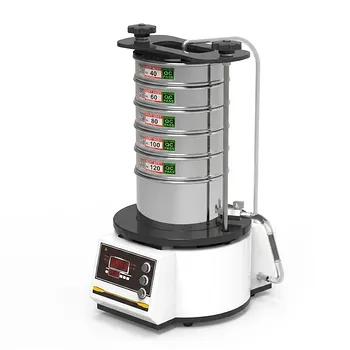
High Frequency Wet Three-Dimensional Vibrating Sieve Shaker for Dry and Wet Particle Size Analysis
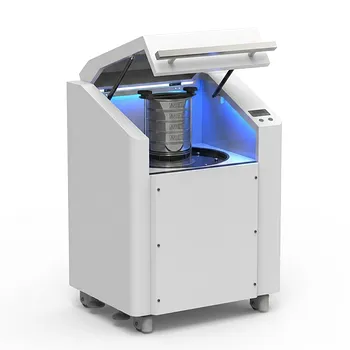
High Frequency Cabinet Type Three-Dimensional Rotary Vibrating Sieve Shaker for Dry Sieving and Particle Classification
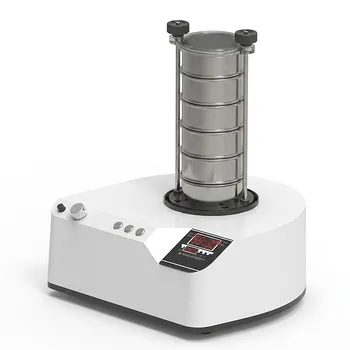
三维电磁微量振动筛分仪
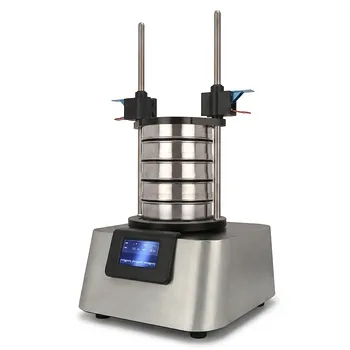
Vibratory Sieve Shaker Electromagnetic 3D Motion Powder Particle Size Analyzer for Dry and Wet Sieving
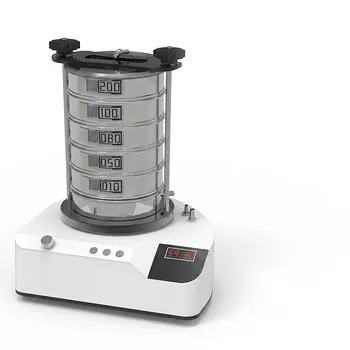
Heavy Duty Dry Three Dimensional Vibratory Sieve Shaker for Particle Separation
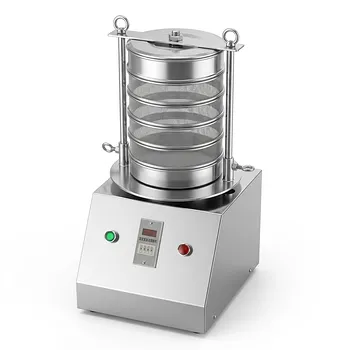
Stainless Steel Laboratory Vibratory Test Sieve Shaker
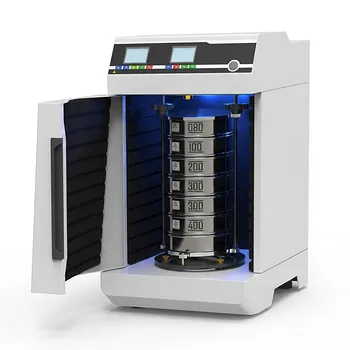
Laboratory Dry and Wet Three Dimensional Vibratory Sieve Shaker for Particle Analysis
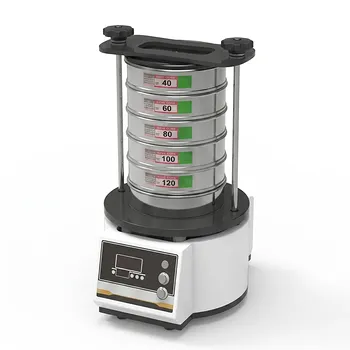
Dry Three Dimensional Vibratory Sieve Shaker
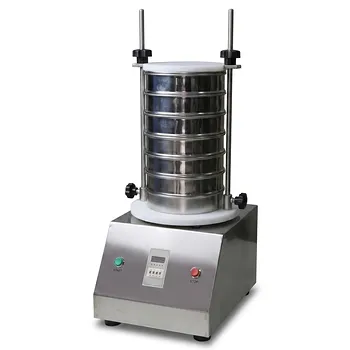
Laboratory Vibratory Test Sieve Shaker for Precision Particle Size Analysis and Powder Grading
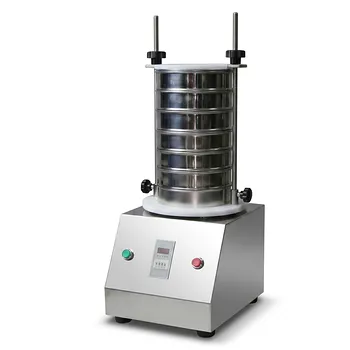
Small Laboratory Vibratory Sieve Shaker for Powder Gradation and Particle Size Analysis
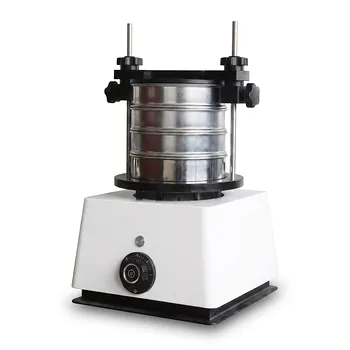
Small Laboratory Vibrating Sieve Shaker for Precise Particle Size Analysis
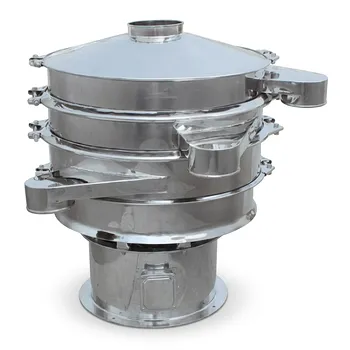
Stainless Steel Rotary Vibrating Sieve High Precision Circular Vibratory Separator Industrial Powder Grading Machine Multi Layer Sifting Equipment
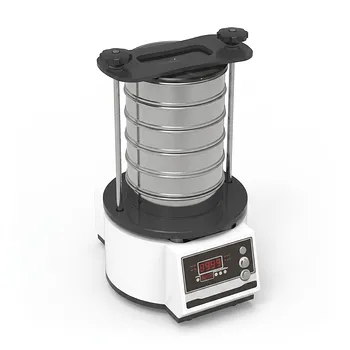
Tapping Oscillating Sieve Shaker for Dry and Wet Particle Size Analysis
High Speed Vibratory Disc Mill for Spectral Analysis Sample Preparation and Rapid Powder Grinding
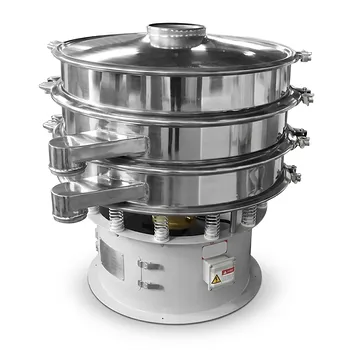
Three Dimensional Rotary Vibrating Sieve
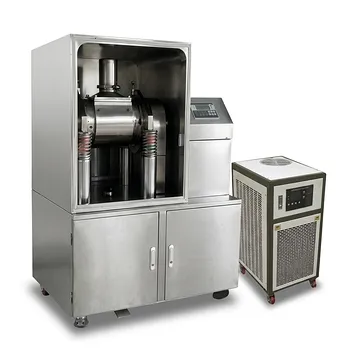
Small Vibrating Ultrafine Grinder for Traditional Chinese Medicine
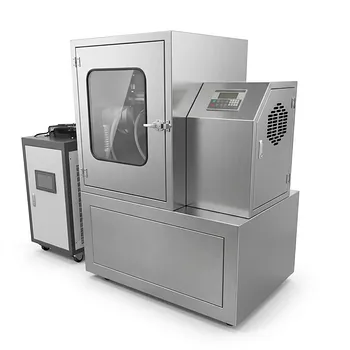
Vibratory Superfine Grinder for Ultra Fine Laboratory Powder Milling
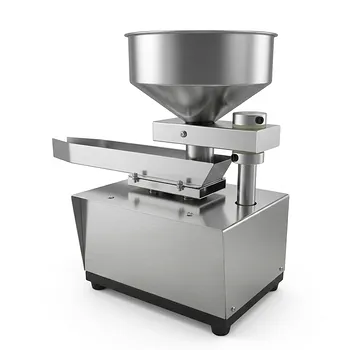
Automatic Vibrating Powder Feeder for Laboratory Material Processing Precision Vibratory Hopper Feeder for Granular and Powder Material Handling Industrial Grade Vibrating Tray Feeder for Consistent Material Sample Preparation
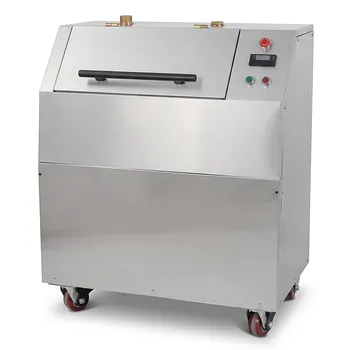
Vibratory Disc Mill for Rapid Fine Grinding and High Throughput Sample Preparation of Hard and Brittle Materials