What role does precision powder mixing play in Defect Cluster TBCs? Achieve Atomic-Level Thermal Insulation
Updated 3 months ago
Precision powder mixing and processing equipment is the critical enabler for the atomic-level architecture of Defect Cluster Thermal Barrier Coatings (TBCs). By ensuring the uniform dispersion of rare earth dopants—such as yttria, gadolinia, and ytterbia—within a zirconia matrix, this equipment facilitates the creation of immobile "defect clusters." These clusters act as highly effective phonon scattering centers, driving thermal conductivity down to approximately 1.7 W/mK.
The primary role of precision mixing equipment is to achieve microscopic component dispersion, moving beyond simple blending to engineered material synthesis. This precision allows for the formation of defect clusters that reduce thermal conductivity by 20% to 40% compared to standard Yttria-Stabilized Zirconia (YSZ).
Engineering Thermal Resistance at the Microscopic Scale
Achieving Uniform Dopant Dispersion
Precision equipment introduces multiple rare earth oxides into the zirconia host lattice with extreme accuracy. This level of control prevents the "clumping" of dopants, which would otherwise lead to inconsistent thermal and structural properties across the coating. Microscopic uniformity is mandatory because the desired defect clusters rely on specific atomic arrangements to function effectively.
The Creation of Phonon Scattering Centers
In materials science, heat is primarily conducted through lattice vibrations known as phonons. The mixing process ensures that dopant ions are positioned to disrupt these vibrations, effectively creating "traps" or scattering centers. This disruption significantly lowers the material's ability to transfer heat without requiring a thicker physical barrier.
Performance Gains and Structural Efficiency
Reducing Thermal Conductivity
Standard YSZ has inherent limitations in high-temperature environments due to its base conductivity levels. Precise mixing allows for the development of coatings with a 20% to 40% reduction in thermal conductivity. This results in a target conductivity of roughly 1.7 W/mK, providing superior protection for high-performance turbine components.
Optimizing Coating Thickness and Weight
Traditional insulation methods often require increasing the physical thickness of the coating to provide better protection. Defect cluster TBCs achieve better insulation through internal structural complexity rather than bulk. This allows engineers to maintain lightweight profiles for aerospace components while increasing thermal protection.
Understanding the Trade-offs and Challenges
Equipment Complexity and Cost
Achieving the necessary precision requires sophisticated feeding and multi-component mixing systems. These systems represent a significantly higher initial capital investment compared to traditional ball milling or simpler mixing techniques.
Sensitivity to Processing Parameters
Small deviations in mixing ratios or feed rates can prevent the formation of the intended defect clusters. Inconsistent processing can lead to "hotspots" where thermal conductivity is higher than the design specification, potentially leading to premature component failure.
How to Apply This to Your Project
To successfully leverage defect cluster TBCs, your equipment strategy must align with your specific performance and production targets.
- If your primary focus is maximum thermal insulation: Prioritize multi-component mixing systems capable of handling three or more rare earth dopants simultaneously to maximize scattering centers.
- If your primary focus is weight reduction in aerospace: Invest in high-precision feeding equipment to ensure defect clusters are dense enough to allow for significantly thinner coating applications.
- If your primary focus is batch consistency: Implement real-time monitoring and automated feedback loops within the mixing process to minimize human error and material waste.
The right processing equipment transforms a simple material mixture into a high-performance thermal barrier through precise atomic engineering.
Summary Table:
| Key Feature | Role in Defect Cluster TBCs | Performance Impact |
|---|---|---|
| Dopant Dispersion | Uniformly integrates rare earth oxides (Y, Gd, Yb) | Prevents clumping and thermal "hotspots" |
| Phonon Scattering | Creates immobile atomic-level defect clusters | Lowers conductivity to ~1.7 W/mK (20-40% reduction) |
| Structural Control | Enables engineered material synthesis vs. simple blending | Achieves superior insulation with thinner, lighter coatings |
| Process Precision | Ensures consistent feeding and multi-component ratios | Guarantees batch-to-batch reliability and component life |
Elevate Your Material Engineering with Precision Processing
Achieving the atomic-level architecture required for high-performance Defect Cluster Thermal Barrier Coatings demands equipment that offers absolute control. We provide complete laboratory sample preparation solutions for material science, specializing in advanced powder processing and compaction technology designed to meet the rigors of aerospace and turbine research.
Our extensive product line supports every stage of your development workflow:
- Ultrafine Grinding & Milling: Planetary ball mills, jet mills, and cryogenic grinders for perfect dopant particle sizing.
- Advanced Mixing: High-precision powder mixers and defoaming mixers to ensure microscopic uniformity.
- High-Pressure Compaction: A full spectrum of hydraulic presses, including Cold/Warm Isostatic Presses (CIP/WIP), vacuum hot presses, and XRF pellet presses.
- Sizing & Analysis: Vibratory and air-jet sieve shakers for precise quality control.
Ready to reduce thermal conductivity and optimize your coating performance? Contact our technical team today to find the ideal equipment solution for your laboratory or production line.
References
- Hassina Derbal-Habak. Alternative Materials for Performant TBCs: Short Review. DOI: 10.54026/jmms/1051
Mentioned Products
- Multi Dimensional Universal Mixer for High Uniformity Powder Blending
- V-Type Powder Mixer for Uniform Blending of Dry Powders and Granules
- Inclined Mixer for Homogeneous Powder Blending and Grinding
- Horizontal Trough Mixer for Uniform Powder and Paste Blending
- Horizontal Ribbon Mixer for Uniform Powder and Slurry Mixing
People Also Ask
- What is the role of a multi-dimensional powder mixer in the preparation of Ce-TZP ceramics? Optimize Homogenization
- What is the importance of using a high-efficiency powder mixer when preparing sand and soil mixtures? Accurate Results.
- What is the role of a powder mixer in SiC mechanical seal ring production? Ensure Homogeneity and Structural Integrity
- Why is high-uniformity powder mixing essential for antibacterial ceramic glazes? Ensure Consistent Bioactive Protection
- How do powder mixers and additives influence ZTA ceramics? Optimize microstructure for superior toughness and density

Tech Team · PowderPreparation
Last updated on Jun 03, 2026
Related Products
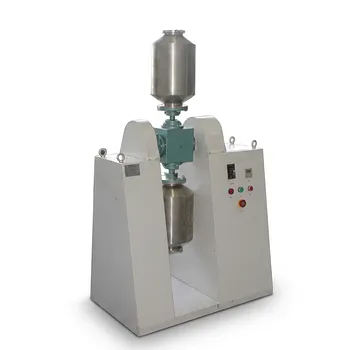
Multi Dimensional Universal Mixer for High Uniformity Powder Blending
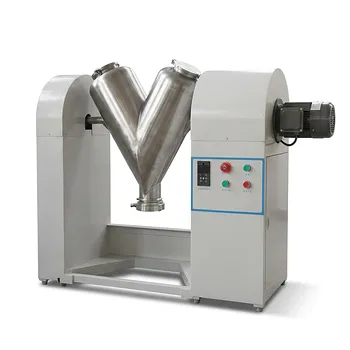
V-Type Powder Mixer for Uniform Blending of Dry Powders and Granules
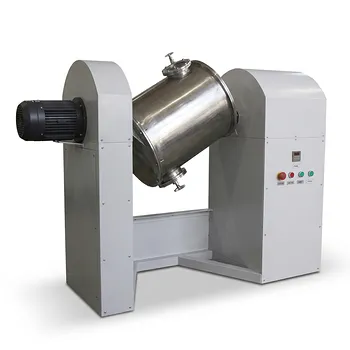
Inclined Mixer for Homogeneous Powder Blending and Grinding
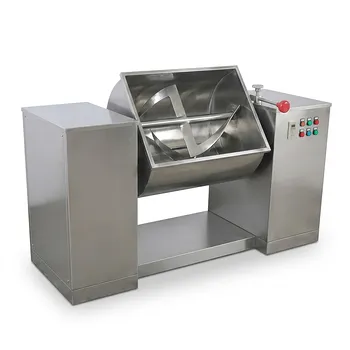
Horizontal Trough Mixer for Uniform Powder and Paste Blending
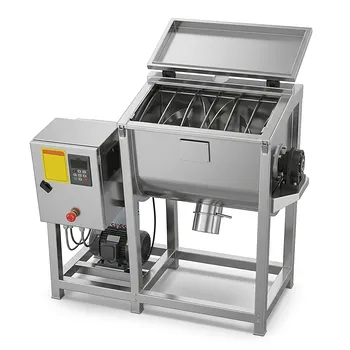
Horizontal Ribbon Mixer for Uniform Powder and Slurry Mixing
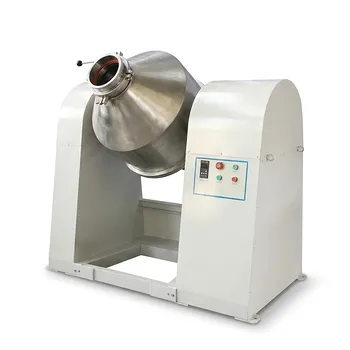
Industrial Double Cone Mixer for Powder Blending and Homogeneous Mixing
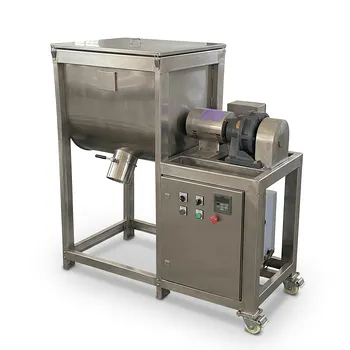
Horizontal Ribbon Mixer for Dry Powder and Slurry Blending
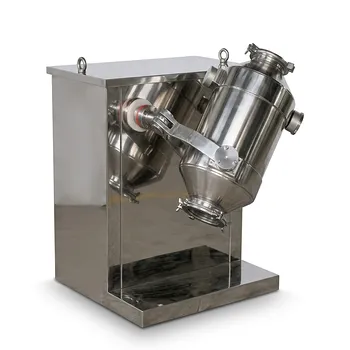
Three-Dimensional Motion Mixer for Laboratory Powder and Granule Blending
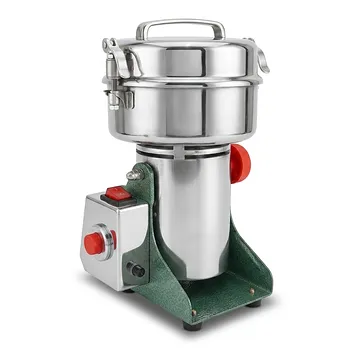
Small High-Speed Laboratory Grinder for Powder Processing
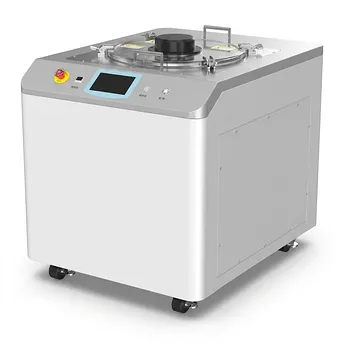
Industrial Planetary Centrifugal Vacuum Defoaming Mixer for High Viscosity Paste and Powder Homogenization
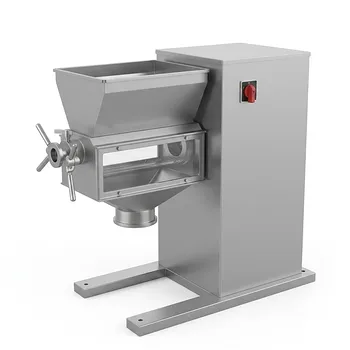
Industrial Swing Granulator for Powder Processing in Pharma Food and Chemical Industries
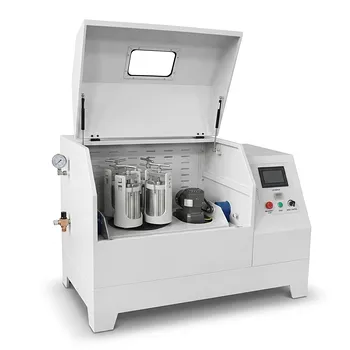
Vertical Production Planetary Ball Mill for High Throughput Powder Processing
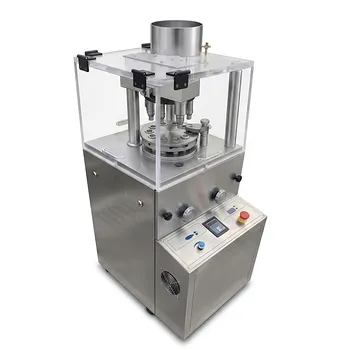
Enhanced 9 Punch Rotary Tablet Press for Powder Compaction
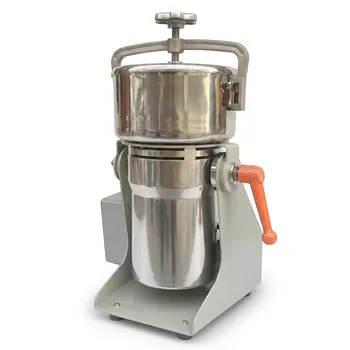
High Speed Laboratory Grinder Efficient Stainless Steel Powder Pulverizer Universal Material Science Mill for Sample Preparation
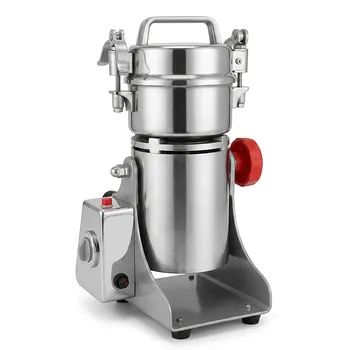
Industrial High Speed Small Sample Pulverizer Swing Type Laboratory Grinder for Powder Processing
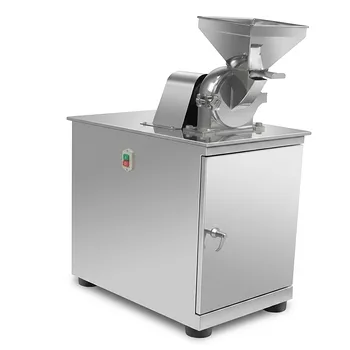
Universal Laboratory Pulverizer Grinder for Small Batch Powder Processing and Material Science Research
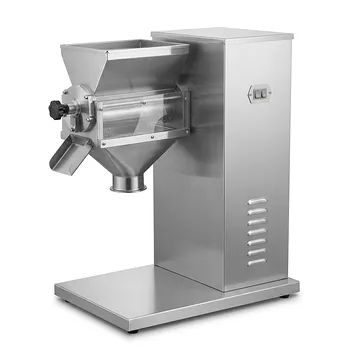
Small Swing Granulator Efficient Powder Granulation for Pharmaceutical Chemical Food Industries

Stainless Steel Rotary Vibrating Sieve High Precision Circular Vibratory Separator Industrial Powder Grading Machine Multi Layer Sifting Equipment
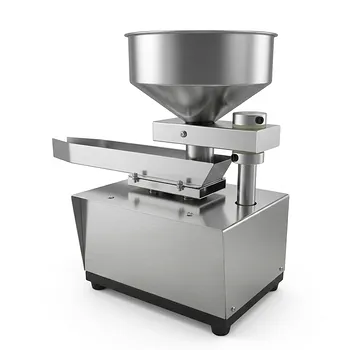
Automatic Vibrating Powder Feeder for Laboratory Material Processing Precision Vibratory Hopper Feeder for Granular and Powder Material Handling Industrial Grade Vibrating Tray Feeder for Consistent Material Sample Preparation