Why is high-uniformity powder mixing essential for antibacterial ceramic glazes? Ensure Consistent Bioactive Protection
Updated 4 months ago
High-uniformity powder mixing is the critical bridge between raw materials and a functional bioactive surface. In antibacterial glazes, active agents like silver, copper, or zinc are typically added in minuscule amounts—often only 1% to 5% of the total weight. Without high-uniformity equipment, these tiny quantities cannot reach the molecular-level distribution required to ensure every square millimeter of the finished ceramic provides consistent protection.
Core Takeaway: Precise mixing is essential because it prevents the agglomeration of active ions and ensures a homogeneous chemical environment. This uniformity is the only way to guarantee that the final product possesses both stable antibacterial efficiency and the mechanical strength necessary for long-term use.
The Challenge of Low-Concentration Additives
Achieving Molecular-Level Homogeneity
Antibacterial performance depends entirely on the even distribution of active metal ions (Zn, Cu, or Ag) throughout the glaze. Because these agents are added in such low weight percentages, standard mixing often fails to integrate them fully with the ceramic glaze frit. High-uniformity equipment ensures these components are physically pre-mixed at a microscopic scale, allowing the ions to function effectively across the entire surface.
Preventing Powder Agglomeration
Ceramic particles, particularly at the nano-level, have a natural tendency to clump together or agglomerate. If these clusters are not broken down during the mixing stage, they create "hot spots" of high concentration and "dead zones" with no antibacterial protection. High-efficiency mixers use shear and centrifugal forces to eliminate these clusters, ensuring the glaze remains a stable, single-phase system.
Impact on Sintering and Microstructure
Enhancing Atomic Diffusion
The quality of the initial mix directly dictates how the material behaves during the high-temperature sintering process. When components are distributed uniformly, it facilitates more efficient atomic diffusion, leading to a more consistent microstructure. This prevents composition segregation, where different minerals separate and create weak points in the final ceramic body.
Safeguarding Mechanical Strength
A glaze that is chemically inconsistent at the microscopic level will suffer from localized fluctuations in its thermal expansion coefficient. These fluctuations can lead to micro-cracking or reduced mechanical strength after the ceramic is fired. By ensuring a uniform distribution of all functional oxides, high-uniformity mixing protects the structural integrity of the glaze layer.
Understanding the Trade-offs and Pitfalls
The Risk of Insufficient Mixing Energy
Using standard mixing equipment for complex antibacterial systems often results in performance fluctuations. While standard mixers are less expensive and easier to maintain, they lack the energy required to break molecular bonds in agglomerated powders. This leads to a higher rate of product rejection due to inconsistent antibacterial testing results.
Avoiding "Matrix Effects" and Analytical Errors
Inconsistent mixing can also lead to inaccurate quality control during the manufacturing process. For example, techniques like X-ray fluorescence (XRF) are highly sensitive to the "matrix effect," where uneven distribution of elements like copper or nickel produces misleading data. High-uniformity mixing establishes a reliable composition-intensity relationship, allowing for high-precision calibration and quality assurance.
How to Apply This to Your Production
Strategic Recommendations for Implementation
Ensuring the success of an antibacterial ceramic line requires matching your mixing technology to your specific material goals.
- If your primary focus is consistent bio-activity: Prioritize high-shear mixing equipment that can guarantee the distribution of silver or zinc ions at the 1-5 wt.% level without clumping.
- If your primary focus is structural durability: Utilize high-efficiency ball mills to refine particle size distribution, which optimizes atomic diffusion and prevents micro-cracking during sintering.
- If your primary focus is high-precision quality control: Implement high-uniformity mixing to ensure that your internal XRF or analytical testing provides a true representation of the material's stoichiometry.
Precision at the mixing stage is the only way to transform raw mineral powders into a high-performance, antibacterial surface that lasts the lifetime of the ceramic.
Summary Table:
| Key Factor | Impact of Poor Mixing | Benefit of High-Uniformity Equipment |
|---|---|---|
| Additive Distribution | Inconsistent antibacterial "dead zones" | Molecular-level homogeneity (Ag, Cu, Zn ions) |
| Particle State | Agglomeration and "hot spots" | High-shear de-agglomeration for stable systems |
| Microstructure | Compositional segregation & weak points | Enhanced atomic diffusion during sintering |
| Mechanical Integrity | Micro-cracking & thermal stress | Uniform thermal expansion and glaze strength |
| Quality Control | Misleading XRF analytical data | Accurate stoichiometry and reliable calibration |
Elevate Your Ceramic Performance with Precision Mixing Solutions
Achieving consistent bio-activity and structural integrity in antibacterial glazes starts with the right equipment. At [Brand Name], we provide complete laboratory sample preparation solutions for material science, specializing in advanced powder processing and compaction technology.
Our extensive product range is designed to eliminate agglomeration and ensure perfect homogeneity:
- Advanced Mills: Planetary ball, jet, sand/bead, disc, and rotor mills for superior particle refinement.
- Precision Mixers: High-efficiency powder mixers and defoaming mixers to guarantee uniform distribution of trace additives.
- Compaction Excellence: A full spectrum of hydraulic presses, including Cold/Warm Isostatic Presses (CIP/WIP), standard lab presses, and vacuum hot presses.
- Sieving & Preparation: Vibratory and air-jet sieve shakers, plus jaw/roll crushers for raw material processing.
Ready to transform your raw powders into high-performance materials? Contact our experts today to find the perfect solution for your lab!
References
- Оксана Саввова, Y. Afanasenko. DEVELOPMENT OF A METHODOLOGICAL APPROACH TO THE DEVELOPMENT OF BACTERICIDAL GLAZES FOR CERAMIC TILES. DOI: 10.33042/2522-1809-2020-1-154-71-76
Mentioned Products
- Multi Dimensional Universal Mixer for High Uniformity Powder Blending
- V-Type Powder Mixer for Uniform Blending of Dry Powders and Granules
- Inclined Mixer for Homogeneous Powder Blending and Grinding
- Horizontal Trough Mixer for Uniform Powder and Paste Blending
- Industrial Double Cone Mixer for Powder Blending and Homogeneous Mixing
People Also Ask
- What is the role of a multi-dimensional powder mixer in the preparation of Ce-TZP ceramics? Optimize Homogenization
- What is the importance of using a high-efficiency powder mixer when preparing sand and soil mixtures? Accurate Results.
- What is the role of a powder mixer in SiC mechanical seal ring production? Ensure Homogeneity and Structural Integrity
- How do powder mixers and additives influence ZTA ceramics? Optimize microstructure for superior toughness and density
- Why is it necessary to consider the influence of static walls in powder mixing experiment design? Optimize Uniformity.

Tech Team · PowderPreparation
Last updated on Jun 03, 2026
Related Products
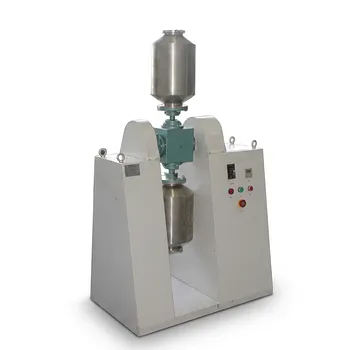
Multi Dimensional Universal Mixer for High Uniformity Powder Blending
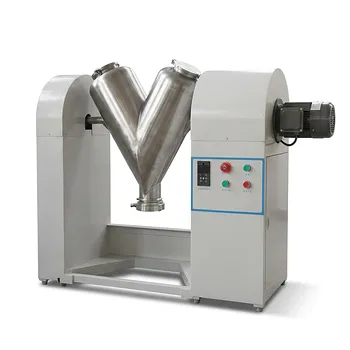
V-Type Powder Mixer for Uniform Blending of Dry Powders and Granules
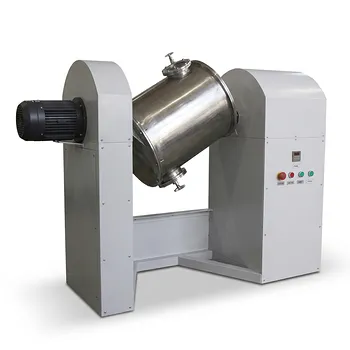
Inclined Mixer for Homogeneous Powder Blending and Grinding
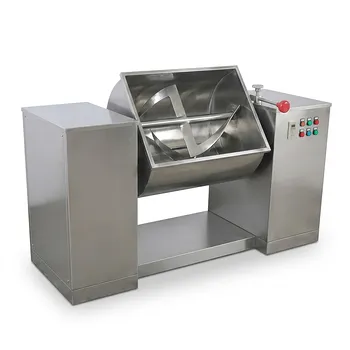
Horizontal Trough Mixer for Uniform Powder and Paste Blending
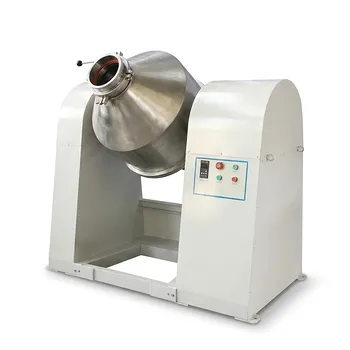
Industrial Double Cone Mixer for Powder Blending and Homogeneous Mixing
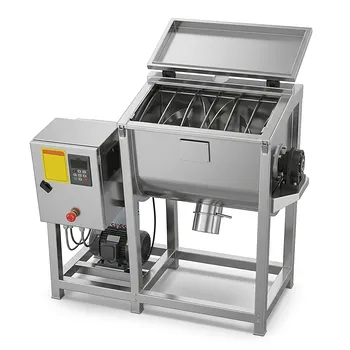
Horizontal Ribbon Mixer for Uniform Powder and Slurry Mixing
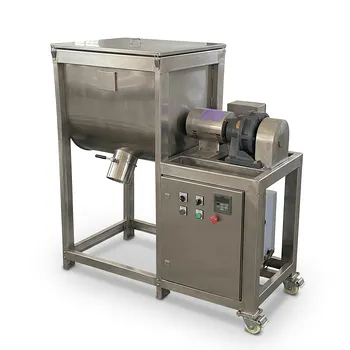
Horizontal Ribbon Mixer for Dry Powder and Slurry Blending
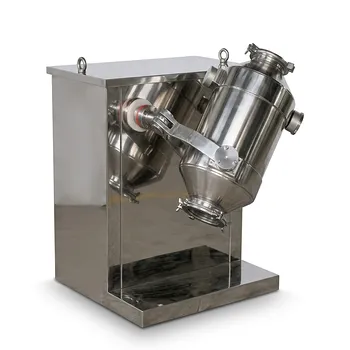
Three-Dimensional Motion Mixer for Laboratory Powder and Granule Blending
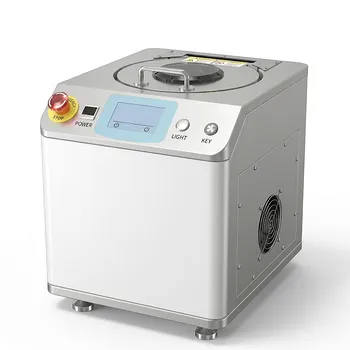
High Efficiency Vacuum Planetary Centrifugal Mixer and Defoaming Machine for Industrial Material Research and Precise Laboratory Powder Dispersion
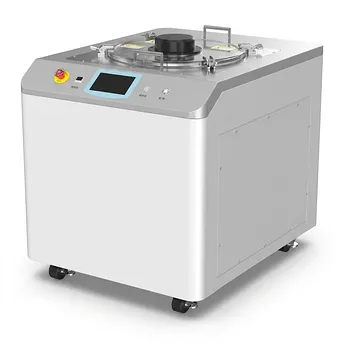
Industrial Planetary Centrifugal Vacuum Defoaming Mixer for High Viscosity Paste and Powder Homogenization
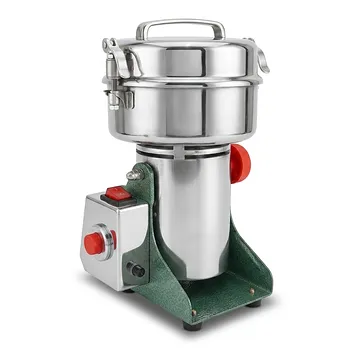
Small High-Speed Laboratory Grinder for Powder Processing
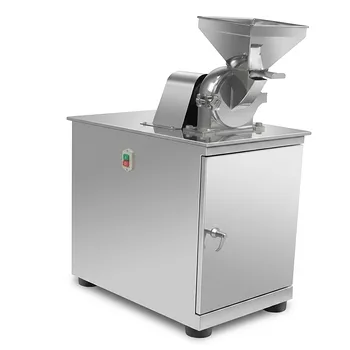
Universal Laboratory Pulverizer Grinder for Small Batch Powder Processing and Material Science Research
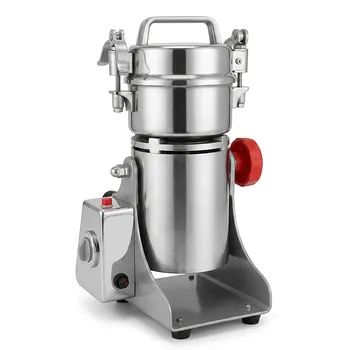
Industrial High Speed Small Sample Pulverizer Swing Type Laboratory Grinder for Powder Processing
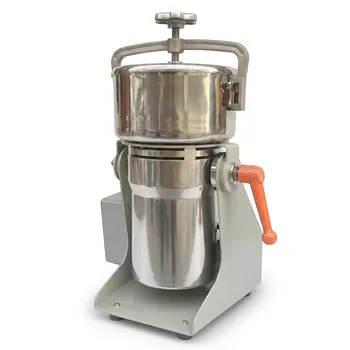
High Speed Laboratory Grinder Efficient Stainless Steel Powder Pulverizer Universal Material Science Mill for Sample Preparation
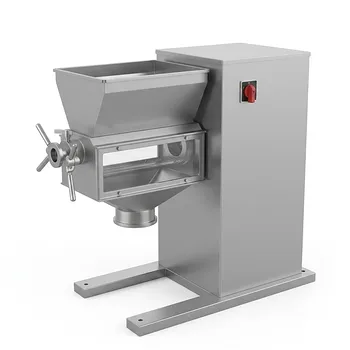
Industrial Swing Granulator for Powder Processing in Pharma Food and Chemical Industries
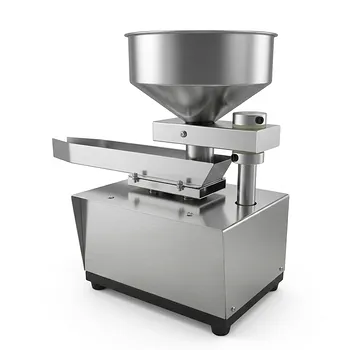
Automatic Vibrating Powder Feeder for Laboratory Material Processing Precision Vibratory Hopper Feeder for Granular and Powder Material Handling Industrial Grade Vibrating Tray Feeder for Consistent Material Sample Preparation
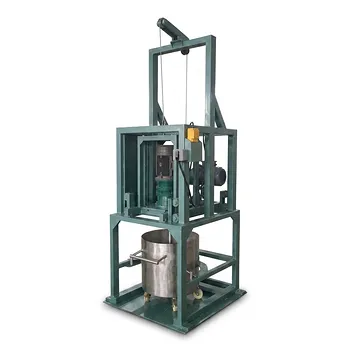
High-Speed Simple Disperser for Efficient Mixing, Dispersion, and Emulsification
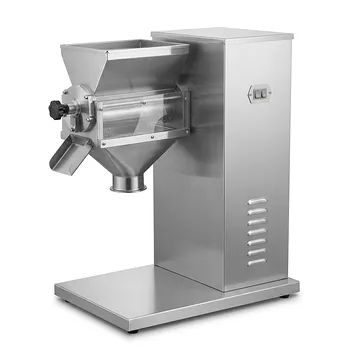
Small Swing Granulator Efficient Powder Granulation for Pharmaceutical Chemical Food Industries
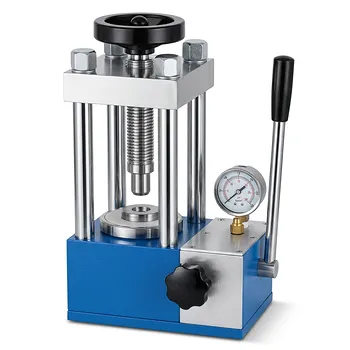
Manual Tablet Press with Dual Scale Pressure Gauge for Pharmaceutical Food Chemical Laboratory Sample Preparation