What role does hot pressing equipment play in the fabrication of composite specimens? Ensure Precise Mechanical Data
Updated 4 months ago
Hot pressing equipment is the critical link between raw composite mixtures and high-fidelity mechanical data. It transforms ball-milled powders, granules, or fiber architectures into dense, standardized specimens—such as dog-bone shapes or uniform sheets—by precisely controlling temperature and pressure. This process eliminates internal pores and ensures the matrix fully wets the reinforcement fibers, creating the structural integrity required for accurate tensile, deformation, and tribological testing.
The core function of hot pressing is to achieve material densification and geometric standardization simultaneously. By synchronizing thermal flow with mechanical compression, it removes performance-skewing voids and produces specimens that reflect the true intrinsic properties of the composite material.
Achieving Structural Homogeneity and Densification
Elimination of Internal Voids
The primary role of hot pressing is the removal of residual air and internal pores that naturally occur in loose powder or granule mixtures. By applying high pressure—often reaching several tons or specific levels like 20 MPa—the equipment forces the material into a compact state, minimizing micro-cracks that would otherwise cause premature failure during testing.
Facilitating Matrix Flow and Fiber Wetting
High temperatures facilitate the melting and flow of the polymer or glass-ceramic matrix, such as Polyamide 6 or CAS glass-ceramic. This thermal energy ensures the matrix thoroughly wets the reinforcement fibers, leading to a tight arrangement and superior adhesion between the two phases.
Liquid-Phase Sintering at Lower Temperatures
In specialized applications like C/SiC composites, hot pressing enables liquid-phase sintering. This allows for the creation of dense materials at relatively lower temperatures, which is vital for protecting sensitive carbon fibers from thermal degradation while maintaining high material density.
Precision Control of Material Properties
Regulation of Crystallization Behavior
Modern laboratory hot presses allow for the adjustment of a material's crystallization behavior through controlled cooling rates. By utilizing systems like circulating water cooling, technicians can influence the final morphology of the matrix, directly affecting the specimen's mechanical performance.
Consistency in Thickness and Isotropic Density
A heated press ensures that composite sheets maintain a uniform thickness, typically between 1 mm and 2 mm for laboratory standards. This uniformity, combined with the venting of air during the molding process, results in isotropic sheets with consistent density throughout the entire geometry.
Comparison to Cold Pressing Methods
When compared to standard cold pressing followed by separate sintering, hot pressing is significantly more effective at eliminating residual porosity. The simultaneous application of heat and pressure results in specimens with no macroscopic defects, which is essential for evaluating high-performance properties in aerospace or automotive applications.
Understanding the Trade-offs and Pitfalls
Thermal Damage to Reinforcements
While high temperatures are necessary for matrix flow, excessive heat can cause high-temperature damage to fiber properties. For instance, carbon fibers can lose structural integrity if the pressing cycle is too long or the temperature exceeds the fiber's stability threshold.
Residual Stress from Cooling Rates
Rapid cooling is often used to increase throughput, but it can introduce internal residual stresses. If the cooling is not uniform across the plate, the resulting specimen may warp or contain internal tension that skews the results of subsequent tensile strength tests.
Mold Geometry and Flash Formation
Precision in hot pressing is highly dependent on the quality of the mold; improper fitment can lead to "flash" or material leakage. This results in non-standardized dimensions and uneven density distribution near the edges of the specimen, necessitating post-processing machining.
How to Apply This to Your Fabrication Process
The choice of hot pressing parameters must align with the specific chemical and structural requirements of your composite.
- If your primary focus is Maximum Tensile Strength: Prioritize longer pressure-holding times at peak temperature to ensure the complete elimination of voids and optimal fiber-matrix adhesion.
- If your primary focus is Fiber Integrity (e.g., C/SiC or Nicalon): Utilize liquid-phase sintering techniques and the lowest viable temperature to prevent thermal degradation of the reinforcement phase.
- If your primary focus is Morphological Control: Implement a laboratory press with a programmable cooling system to precisely manage the crystallization of the polymer matrix.
- If your primary focus is Standardized Geometric Accuracy: Use high-precision molds and pre-measured feedstock (granules or powder) to ensure uniform density and eliminate the need for excessive post-mold trimming.
By mastering the synchronization of temperature, pressure, and time, you ensure that your mechanical testing results reflect the true potential of your composite material rather than the flaws of its fabrication.
Summary Table:
| Key Role of Hot Pressing | Mechanism | Impact on Mechanical Testing |
|---|---|---|
| Densification | Simultaneous heat and pressure | Eliminates internal pores and micro-cracks for higher accuracy |
| Fiber Wetting | Matrix melting and flow | Ensures superior adhesion between matrix and reinforcement |
| Homogeneity | Precise mold compression | Produces uniform thickness and isotropic density |
| Microstructure Control | Regulated cooling rates | Manages crystallization behavior and reduces residual stress |
| Structural Integrity | Liquid-phase sintering | Prevents thermal degradation while achieving high density |
Elevate Your Material Research with Precision Engineering
At our core, we provide complete laboratory sample preparation solutions for material science, specializing in advanced powder processing and compaction equipment. Whether you are developing aerospace composites or high-performance polymers, our equipment ensures your specimens reflect the true intrinsic properties of your materials.
Our extensive product lines include:
- Hydraulic Presses: Vacuum hot presses, standard lab presses, and Cold/Warm Isostatic Presses (CIP/WIP).
- Milling & Grinding: Planetary ball mills, jet mills, and liquid nitrogen cryogenic grinders.
- Processing Tools: Crushers, sieve shakers, and advanced powder/defoaming mixers.
Ready to eliminate fabrication flaws and achieve high-fidelity testing results? Contact our experts today to discuss how our vacuum hot presses and specialized compaction solutions can optimize your laboratory workflow!
References
- Adel Jalaee, E. Johan Foster. Improvement in the Thermomechanical Properties and Adhesion of Wood Fibers to the Polyamide 6 Matrix by Sequential Ball Milling Technique. DOI: 10.1021/acssuschemeng.3c06351
Mentioned Products
- 6-Ton Small Single-Punch Tablet Press — Laboratory Powder & Granule Tableting Equipment / Tablet Forming Machine
- Heating Temperature Controlled High Energy Vibratory Ball Mill
- Enhanced 9 Punch Rotary Tablet Press for Powder Compaction
- Ordinary Type Rotary Tablet Press for Pharmaceutical Chemical Food Electronic Industries
- 5 Ton Single Punch Tablet Press Laboratory Small Batch Production
People Also Ask
- What is the function of a laboratory press in Cr-Ti alloy evaluation? Quantify Fracture Stress & Strength
- What is the function of a laboratory press in assessing the hydrophobic performance of modified vermiculite fillers?
- What is the core function of a laboratory press in the forming of ceramic filter element green bodies? Maximize Density.
- What is the function of a laboratory press in the preparation of ceramic feed rods? Master Density and Precision
- Why is vacuum sealing and flexible packaging necessary for Aluminum Titanate powders during CIP? Ensure Peak Density

Tech Team · PowderPreparation
Last updated on Jun 03, 2026
Related Products
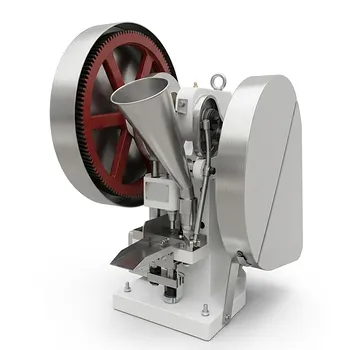
6-Ton Small Single-Punch Tablet Press — Laboratory Powder & Granule Tableting Equipment / Tablet Forming Machine
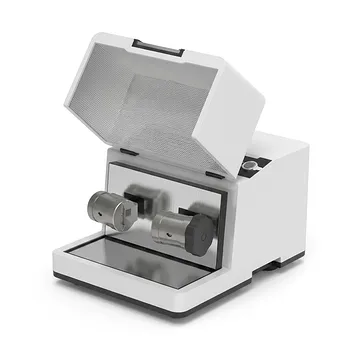
Heating Temperature Controlled High Energy Vibratory Ball Mill
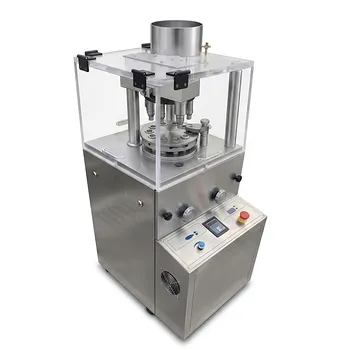
Enhanced 9 Punch Rotary Tablet Press for Powder Compaction
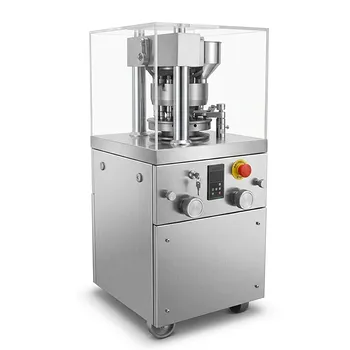
Ordinary Type Rotary Tablet Press for Pharmaceutical Chemical Food Electronic Industries
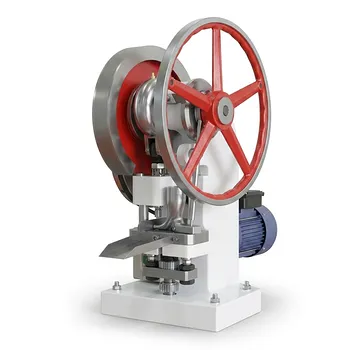
5 Ton Single Punch Tablet Press Laboratory Small Batch Production
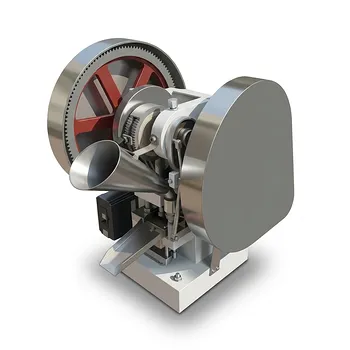
6 Ton Variable Frequency Single Punch Tablet Press
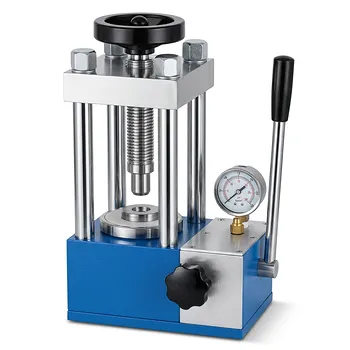
Manual Tablet Press with Dual Scale Pressure Gauge for Pharmaceutical Food Chemical Laboratory Sample Preparation

Small High-Speed Laboratory Grinder for Powder Processing
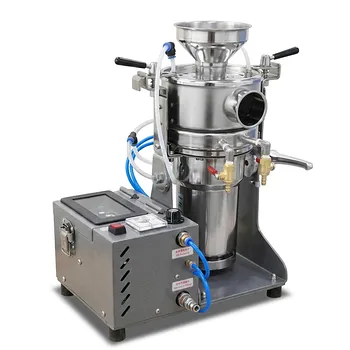
Water Cooled Pulse Jet Ultrafine Grinder
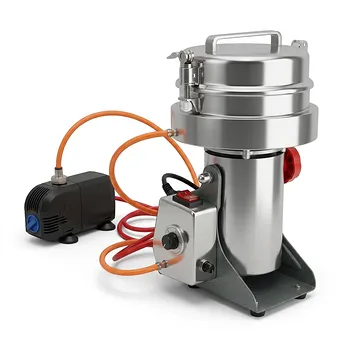
Water Cooled High Speed Grinder with Cryogenic Option for Laboratory Sample Preparation
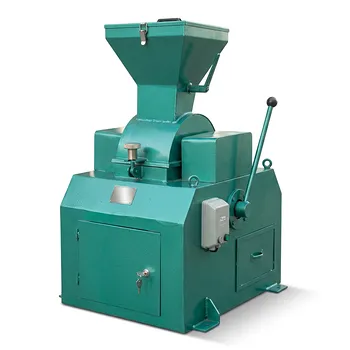
Laboratory Sealed Hammer Blade Crusher Divider for High Hardness Sample Preparation
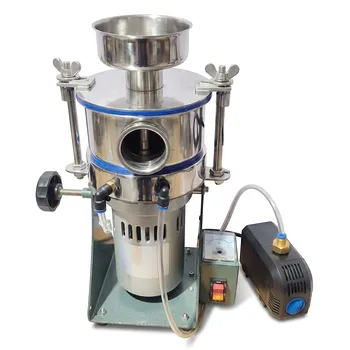
Water Cooled Airflow Ultra Fine Grinder for Low Temperature Material Processing
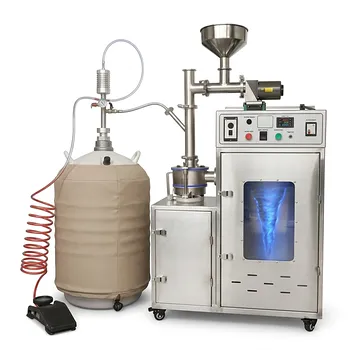
Small Liquid Nitrogen Cryogenic Grinder for Ultrafine Grinding of Heat-Sensitive Materials in Laboratories
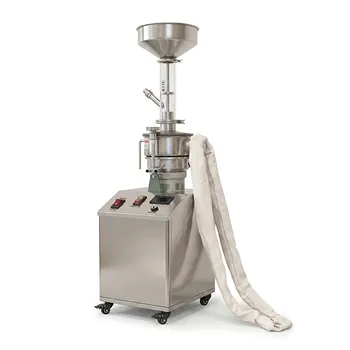
Small Liquid Nitrogen Cryogenic Grinder for Plastic and Heat-Sensitive Material Sample Preparation
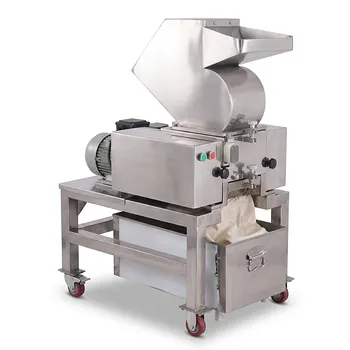
Stainless Steel Coarse Crusher for Pharmaceutical Food and Plastic Material Processing
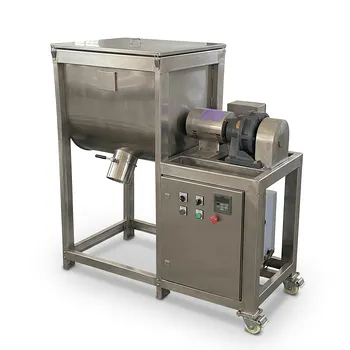
Horizontal Ribbon Mixer for Dry Powder and Slurry Blending
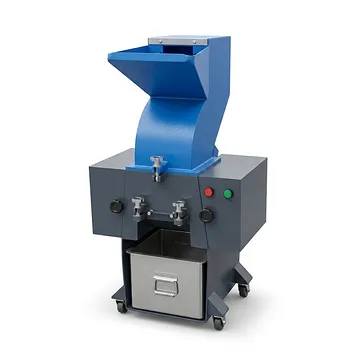
Heavy-Duty Crusher for Laboratory and Industrial Material Size Reduction
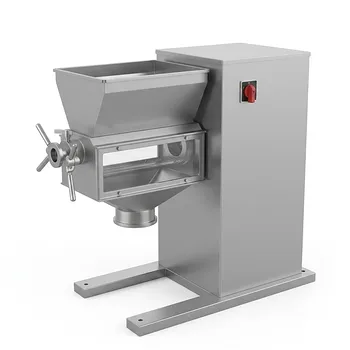
Industrial Swing Granulator for Powder Processing in Pharma Food and Chemical Industries
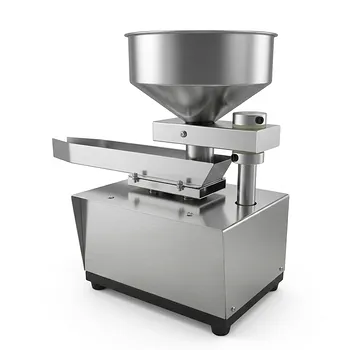
Automatic Vibrating Powder Feeder for Laboratory Material Processing Precision Vibratory Hopper Feeder for Granular and Powder Material Handling Industrial Grade Vibrating Tray Feeder for Consistent Material Sample Preparation