What role does high-speed mixing play in photoanode slurry prep? Optimize Nanoparticle Dispersion for Solar Efficiency
Updated 5 months ago
High-speed mixing and dispersion equipment is the critical link between raw nanomaterials and a high-performance solar cell photoanode. By utilizing intense mechanical shear forces, this equipment de-agglomerates nanoparticles like Titanium Dioxide (TiO2) and Tungsten Oxide (WO3), ensuring they are uniformly suspended within organic carriers to produce a dense, defect-free thin film.
Core Takeaway: High-speed mixing transforms clumpy nanoparticle powders into a stable, homogeneous slurry. This process is essential for preventing structural cracks during the coating phase and establishing the uniform density required for efficient electron transport in solar cells.
Breaking Down Nanoparticle Agglomerates
The primary role of high-speed equipment is to overcome the natural tendency of nanoparticles to clump together.
The Application of Mechanical Shear
Nanoparticles, such as TiO2, possess high surface energy that leads to the formation of tough agglomerates. High-speed mixers generate intense shear forces that physically tear these clusters apart, reducing the material to its primary particle size.
Achieving Micron-Scale Uniformity
Once broken down, the active materials must be perfectly integrated with organic carriers like terpineol and cellulose. This level of dispersion ensures that every part of the slurry has a consistent concentration of active material, which is foundational for a reliable photoanode.
Ensuring Structural Integrity and Density
The quality of the mixing process directly dictates the physical characteristics of the final deposited layer.
Preventing Film Cracking
If a slurry contains agglomerates or poorly distributed binders, it is highly prone to cracking during the drying and sintering process. High-efficiency mixing ensures a cohesive network of particles and binders, allowing the film to remain intact as solvents evaporate.
Optimizing Film Density and Consistency
A uniform suspension leads to a high-density thin film with a consistent thickness. This uniformity is vital for maximizing the surface area available for dye adsorption and ensuring efficient charge separation within the solar cell.
Controlling Rheological Stability
Beyond simple mixing, high-speed equipment determines how the slurry behaves during the application process.
Maintaining Stable Flow Properties
Continuous mechanical agitation or centrifugal forces help the slurry achieve stable rheological properties. This prevents particle sedimentation (settling) and ensures the slurry maintains the correct viscosity for techniques like screen printing or doctor blading.
Eliminating Component Gradients
In complex slurries containing various fillers or pore-forming agents, high-speed mixing eliminates chemical and component gradients. This ensures that the reactive components and additives are evenly distributed, preventing "dead zones" in the photoanode that could hinder performance.
Understanding the Trade-offs and Pitfalls
While high-speed mixing is essential, it must be managed carefully to avoid damaging the slurry components.
Heat Generation and Material Degradation
The high mechanical energy required for dispersion often generates significant heat. If not monitored, this heat can prematurely degrade organic binders or evaporate volatile solvents, altering the slurry’s chemistry and viscosity.
The Risk of Over-Mixing
Excessive shear can, in some cases, break down the polymer chains of binders or surfactants. This can lead to a loss of structural integrity in the final film or cause the nanoparticles to re-agglomerate once the mixing stops.
How to Apply This to Your Process
Choosing the right mixing strategy depends on your specific material system and production goals.
- If your primary focus is high-viscosity paste production: Utilize a planetary centrifugal mixer to ensure uniform dispersion and simultaneous defoaming without the need for mixing blades.
- If your primary focus is preventing film defects: Prioritize equipment that offers high-shear mechanical agitation to ensure the complete breakdown of TiO2 or WO3 clusters before coating.
- If your primary focus is industrial scalability: Invest in high-speed continuous mixers that can maintain consistent rheological properties across large batches to prevent sedimentation.
Ultimately, the precision of your mixing process determines whether your photoanode achieves its theoretical efficiency or fails due to preventable structural flaws.
Summary Table:
| Key Role | Mechanical Impact | Impact on Final Photoanode |
|---|---|---|
| De-agglomeration | Intense shear forces break TiO2/WO3 clusters | Prevents structural cracks & defects |
| Homogenization | Uniform integration of binders and carriers | Ensures consistent electron transport |
| Rheology Control | Maintains stable viscosity and flow | Enables precise screen printing/coating |
| Gradient Removal | Eliminates chemical & component gradients | Maximizes active surface area for dyes |
Elevate Your Solar Cell Research with Precision Mixing
Achieving a defect-free photoanode requires more than just raw materials—it requires the right processing equipment. We provide complete laboratory sample preparation solutions for material science, specializing in advanced powder processing and compaction technology.
Whether you need planetary centrifugal mixers and defoaming mixers for uniform slurry preparation, or high-energy mills (planetary, jet, or rotor) to achieve perfect nanoparticle sizes, our equipment is designed for precision. We also offer a full spectrum of hydraulic presses, including Cold/Warm Isostatic Presses (CIP/WIP) and vacuum hot presses, to help you transition from slurry to high-density finished components.
Ready to optimize your thin-film performance? Contact our technical experts today to find the ideal mixing or pressing solution for your lab!
References
- Sangeetha Jayakumar, J. Poongkothai. A Study on Morphological Effect of Nano WO3 Particles for Dye Sensitized Solar Cell Application. DOI: 10.14233/ajchem.2023.26949
Mentioned Products
- High Speed Vacuum Planetary Centrifugal Mixer and Defoamer for Industrial Paste Processing
- High-Speed Simple Disperser for Efficient Mixing, Dispersion, and Emulsification
- Small High-Speed Swing Grinder for Laboratory Sample Preparation
- Small High Speed Grinder for Laboratory Sample Preparation
- Small High-Speed Laboratory Grinder for Powder Processing
People Also Ask
- Why increase revolution radius for high-viscosity materials? Optimize Mixing Performance with Centrifugal Acceleration
- What is the function of a planetary centrifugal mixer in electrode slurry prep? Achieve high-energy, uniform dispersion.
- Why is a planetary centrifugal mixer utilized for wood powder and HPMC? Achieve uniform dispersion & rapid defoaming.
- How does a planetary centrifugal mixer contribute to the preparation of magnetic polymer composites? Expert Guide
- How does a planetary centrifugal mixer address key challenges in Tyr-CDs@EVA optical films? Ensure Optical Clarity.

Tech Team · PowderPreparation
Last updated on May 14, 2026
Related Products
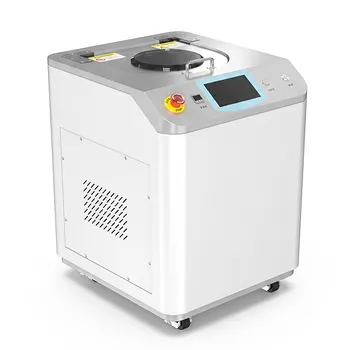
High Speed Vacuum Planetary Centrifugal Mixer and Defoamer for Industrial Paste Processing
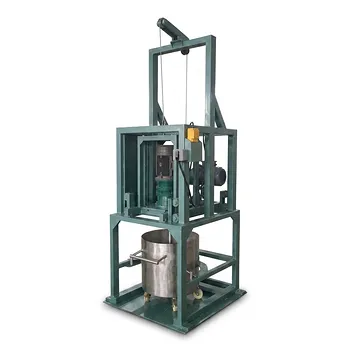
High-Speed Simple Disperser for Efficient Mixing, Dispersion, and Emulsification
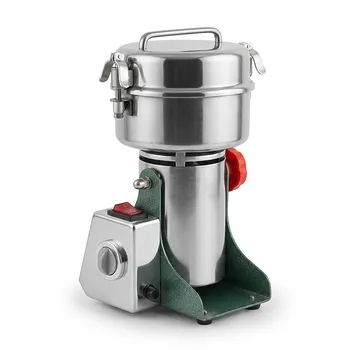
Small High-Speed Swing Grinder for Laboratory Sample Preparation
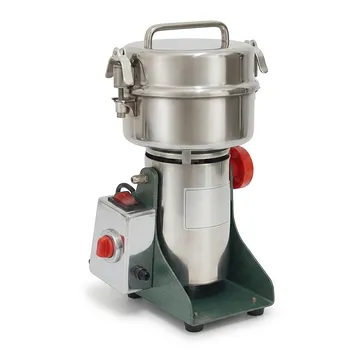
Small High Speed Grinder for Laboratory Sample Preparation
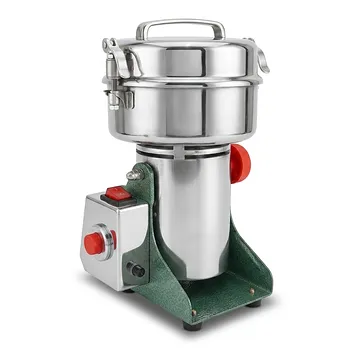
Small High-Speed Laboratory Grinder for Powder Processing
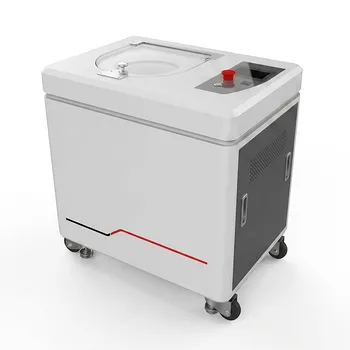
非介入式材料均质机真空脱泡行星搅拌高粘度混合设备
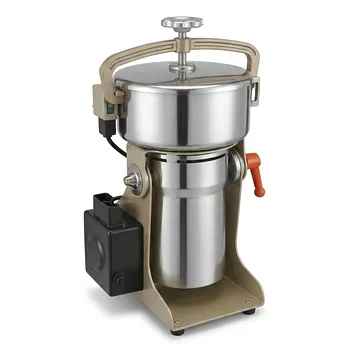
Multifunctional High Efficiency High Speed Laboratory Grinder
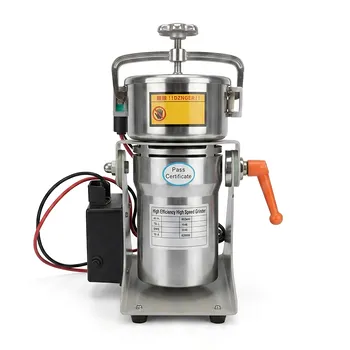
High Efficiency High Speed Grinder Laboratory Mill 1300W 25000rpm
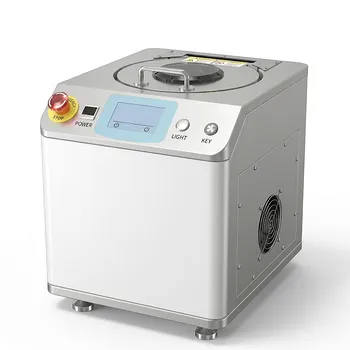
High Efficiency Vacuum Planetary Centrifugal Mixer and Defoaming Machine for Industrial Material Research and Precise Laboratory Powder Dispersion
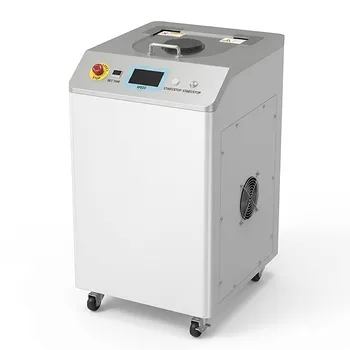
High Viscosity Planetary Centrifugal Vacuum Mixer for Material Defoaming and Uniform Mixing
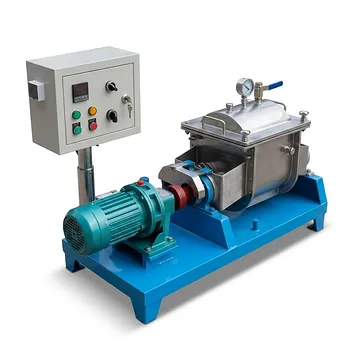
Industrial Vacuum Kneader for High-Viscosity Silicone, Rubber, and Compound Mixing
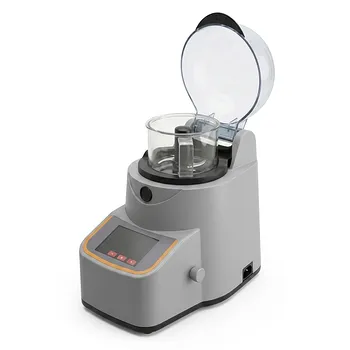
Industrial Knife Mill for Food and Biological Sample Preparation High Speed Laboratory Homogenizer
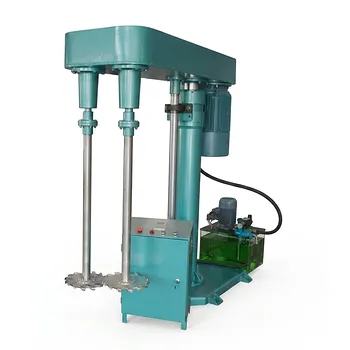
Hydraulic Double Shaft Disperser for High Viscosity Liquid Mixing and Dispersion
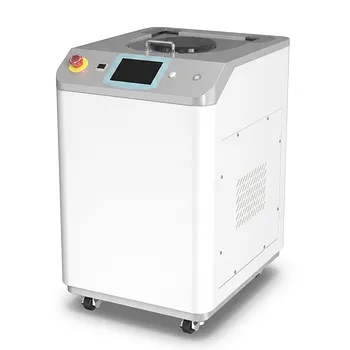
High Viscosity Planetary Centrifugal Mixing and Vacuum Defoaming Machine for Laboratory Material Preparation
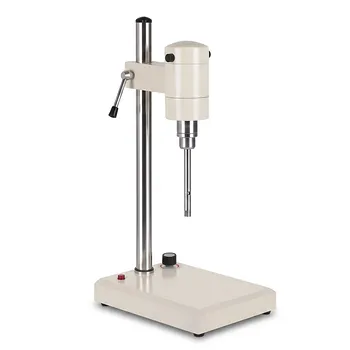
High Speed Dispersing Homogenizer for Laboratory Emulsification Dispersion and Cell Disruption
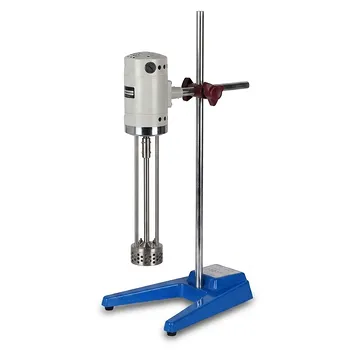
High Shear Laboratory Emulsifier for Mixing and Homogenization
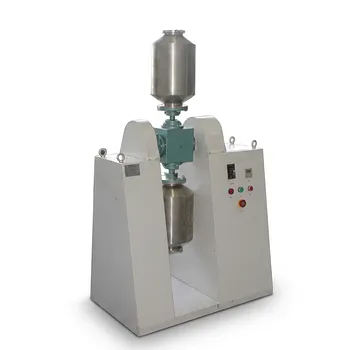
Multi Dimensional Universal Mixer for High Uniformity Powder Blending
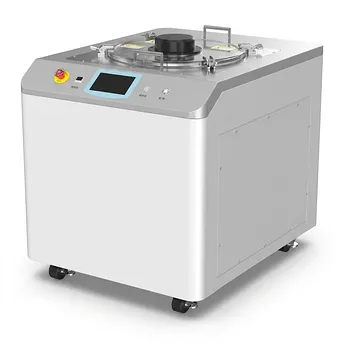
Industrial Planetary Centrifugal Vacuum Defoaming Mixer for High Viscosity Paste and Powder Homogenization
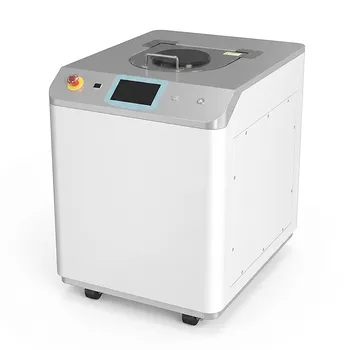
Industrial Planetary Centrifugal Vacuum Defoaming Mixer for High Viscosity Paste and Advanced Material Science
