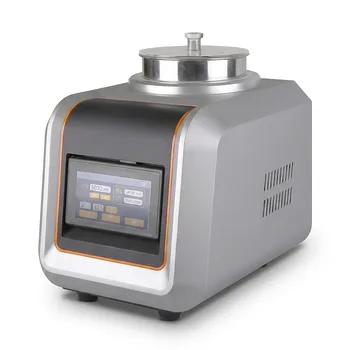
What role does a vibratory sieve shaker play in natural zeolite pretreatment? Achieve Uniform Catalyst Performance
Updated 5 months ago
The vibratory sieve shaker serves as the primary instrument for particle size classification in the pretreatment of natural zeolite carriers. By utilizing multi-layer standard test sieves, this equipment grades raw zeolite powder to specific dimensions—typically below 850 microns—to create a uniform substrate. This standardization is critical for achieving consistent metal loading during impregnation and stabilizing mass transfer kinetics during subsequent catalytic reactions.
The vibratory sieve shaker transforms raw, irregular zeolite into a standardized carrier by precisely controlling particle size distribution. This uniformity is the foundation for predictable chemical impregnation, improved grinding efficiency, and the overall reproducibility of catalyst performance.
Defining the Role in Particle Standardization
Controlling Size Distribution for Even Impregnation
The primary function of the shaker is to ensure the uniformity of carrier particles before the impregnation process begins. When zeolite particles are of a consistent size, they allow for the even loading of metal active components across the entire batch. This uniformity prevents "hot spots" or inactive zones within the catalyst, ensuring reliable performance in chemical reactors.
Removing Impurities and Non-Compliant Particles
Natural zeolite is a multi-mineral aggregate that often contains a wide range of original particle sizes and impurities. The shaker effectively removes ultra-fine or oversized particles that could interfere with the mechanical activation stage. By isolating only the compliant material, the shaker provides a consistent physical specification that is vital for the stability and repeatability of the final composite material.
Regulating Mass Transfer and Adsorption Kinetics
Particle size directly influences how molecules move through the zeolite structure during a reaction. By accurately separating ground powder into specific micro-ranges, the shaker helps maintain mass transfer stability. This allows researchers to quantify exactly how particle size affects adsorption kinetics and the specific surface area available for reactions.
Impact on Downstream Processing Efficiency
Optimizing High-Energy Grinding and Ball Milling
Using a vibratory sieve shaker equipped with a 100-mesh test sieve provides a standardized baseline for high-energy grinding processes. Initial screening ensures that the materials entering the ball mill are uniform, which significantly improves grinding efficiency. This results in a narrower, more desirable particle size distribution in the final milled product.
Controllable Pore Structures in Catalyst Carriers
In cases where pore-forming agents like wood powder are used alongside zeolite, the shaker precisely grades these additives into specific ranges (e.g., 150 μm to 500 μm). This precision is essential because the particle size of these agents determines the final pore volume and BET specific surface area. Accurate sieving is therefore the technical foundation for creating controllable, high-performance pore structures.
Understanding the Trade-offs
While vibratory sieve shakers are essential for precision, they come with operational limitations that must be managed. Sieve blinding, where fine particles clog the mesh openings, can lead to inaccurate grading if not monitored closely.
Additionally, prolonged vibration can cause particle attrition, where fragile zeolite structures break down into finer dust during the sieving process itself. This requires a careful balance between the duration of the vibration and the intensity of the frequency to ensure the sample remains representative of the original material.
How to Apply This to Your Project
When integrating a vibratory sieve shaker into your zeolite pretreatment workflow, your specific goals should dictate your sieve selection and parameters.
- If your primary focus is consistent metal loading: Utilize a multi-layer sieve stack to isolate a narrow fraction below 850 microns to ensure every particle has a similar surface-to-volume ratio.
- If your primary focus is optimizing grinding energy: Screen raw materials through a 100-mesh sieve to remove oversized aggregates before they enter high-energy ball mills.
- If your primary focus is research repeatability: Use high-precision standard test sieves (such as 36, 52, or 72 mesh) to isolate micro-range fractions for establishing quantitative kinetic relationships.
- If your primary focus is pore structure control: Precisely grade any organic pore-forming additives to match the desired final pore volume and BET specific surface area of the catalyst carrier.
Precise mechanical grading is the indispensable first step in turning raw natural minerals into high-performance, predictable catalytic carriers.
Summary Table:
| Key Function | Role in Zeolite Pretreatment | Impact on Catalyst Quality |
|---|---|---|
| Particle Grading | Classifies zeolite (typically < 850 μm) | Ensures uniform metal loading and mass transfer |
| Impurity Removal | Eliminates ultra-fine and oversized particles | Improves material stability and repeatability |
| Milling Optimization | Pre-screens material through 100-mesh sieves | Increases efficiency of high-energy ball milling |
| Pore Structure Control | Grades pore-forming agents (150–500 μm) | Precisely tailors BET surface area and pore volume |
Elevate Your Catalyst Research with Precision Sample Preparation
Achieving consistent catalytic performance starts with superior particle control. At [Your Brand Name], we provide complete laboratory sample preparation solutions specialized for material science and powder processing.
Whether you are grading natural minerals or synthesizing advanced composites, our extensive line includes:
- Sieving & Classification: High-precision vibratory and air-jet sieve shakers with a full range of standard test sieves.
- Milling & Grinding: Planetary ball mills, jet mills, and cryogenic grinders for achieving sub-micron uniformity.
- Compaction & Synthesis: A full spectrum of hydraulic presses, including Cold/Warm Isostatic Presses (CIP/WIP), vacuum hot presses, and XRF pellet presses.
Our equipment is designed to ensure the reproducibility and efficiency your research demands. Contact us today to discuss your specific application and find the perfect equipment configuration for your lab!
References
- Paweł Mierczyński, M. I. Szynkowska. Biodiesel Production on Monometallic Pt, Pd, Ru, and Ag Catalysts Supported on Natural Zeolite. DOI: 10.3390/ma14010048
Mentioned Products
- Vibratory Sieve Shaker Electromagnetic 3D Motion Powder Particle Size Analyzer for Dry and Wet Sieving
- Laboratory Dry and Wet Three Dimensional Vibratory Sieve Shaker for Particle Analysis
- Stainless Steel Laboratory Vibratory Test Sieve Shaker
- Heavy Duty Dry Three Dimensional Vibratory Sieve Shaker for Particle Separation
- Dry Three Dimensional Vibratory Sieve Shaker
People Also Ask
- How does a vibratory sieve shaker contribute to optimizing the performance of activated carbon? Enhance Adsorption Precision
- Why is a laboratory vibratory sieve shaker necessary for processing magnesium-based borate precursor powders? Boost Activity
- Why use a vibratory sieve shaker to verify coarse aggregate grading in rubberized concrete? Ensure Structural Integrity
- What function do vibratory sieve shakers and standard test sieves serve in the preparation of adsorbents? Key Guide
- What role does a vibratory sieve shaker play in the particle size analysis of ground corn products? Enhance QC Precision

Tech Team · PowderPreparation
Last updated on May 14, 2026
Related Products
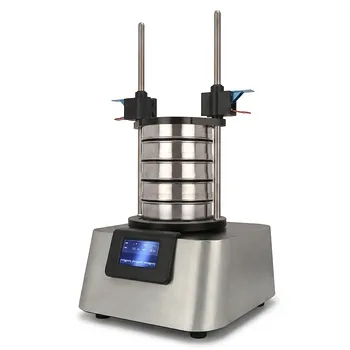
Vibratory Sieve Shaker Electromagnetic 3D Motion Powder Particle Size Analyzer for Dry and Wet Sieving
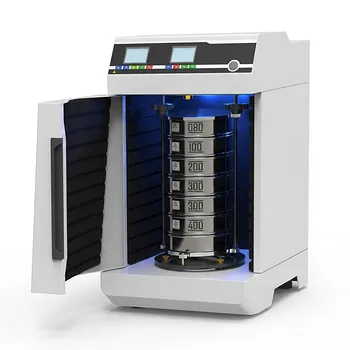
Laboratory Dry and Wet Three Dimensional Vibratory Sieve Shaker for Particle Analysis
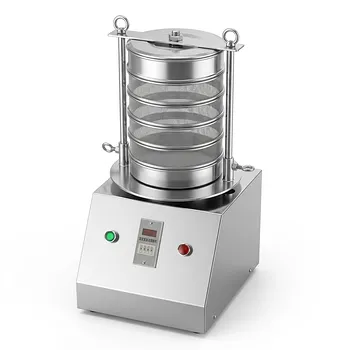
Stainless Steel Laboratory Vibratory Test Sieve Shaker
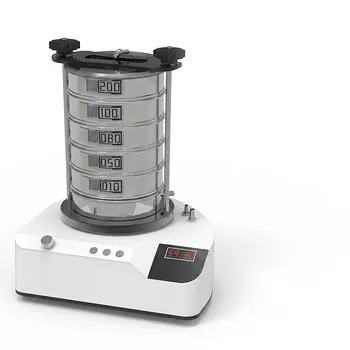
Heavy Duty Dry Three Dimensional Vibratory Sieve Shaker for Particle Separation
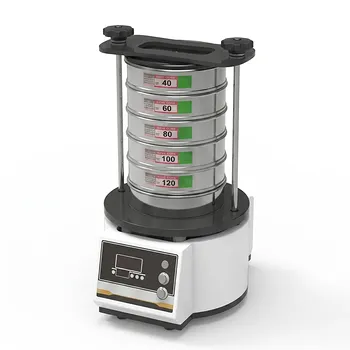
Dry Three Dimensional Vibratory Sieve Shaker
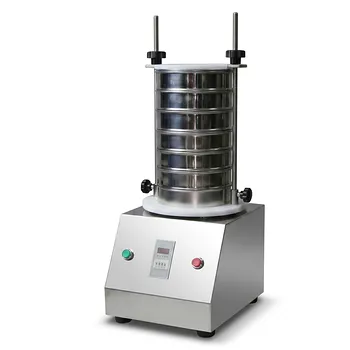
Small Laboratory Vibratory Sieve Shaker for Powder Gradation and Particle Size Analysis
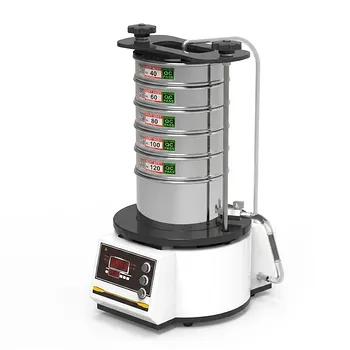
High Frequency Wet Three-Dimensional Vibrating Sieve Shaker for Dry and Wet Particle Size Analysis
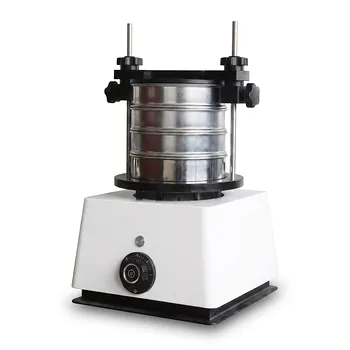
Small Laboratory Vibrating Sieve Shaker for Precise Particle Size Analysis
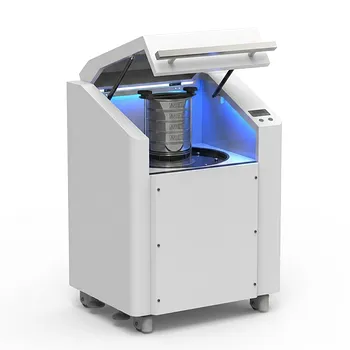
High Frequency Cabinet Type Three-Dimensional Rotary Vibrating Sieve Shaker for Dry Sieving and Particle Classification
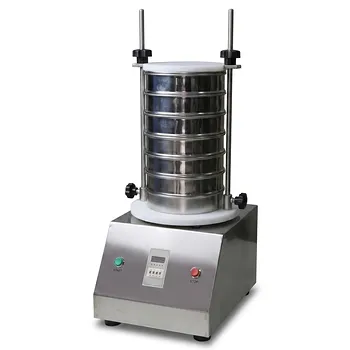
Laboratory Vibratory Test Sieve Shaker for Precision Particle Size Analysis and Powder Grading
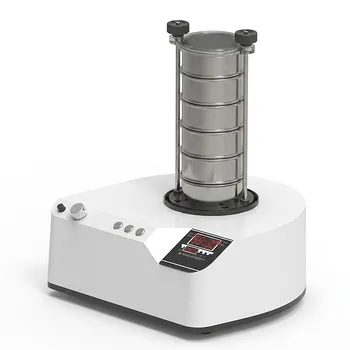
三维电磁微量振动筛分仪
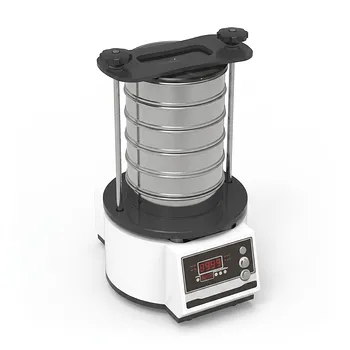
Tapping Oscillating Sieve Shaker for Dry and Wet Particle Size Analysis
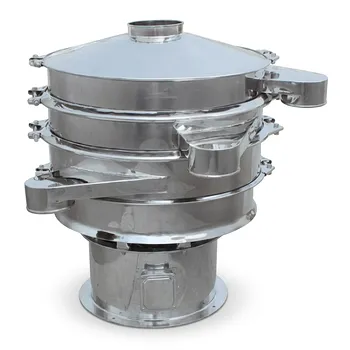
Stainless Steel Rotary Vibrating Sieve High Precision Circular Vibratory Separator Industrial Powder Grading Machine Multi Layer Sifting Equipment
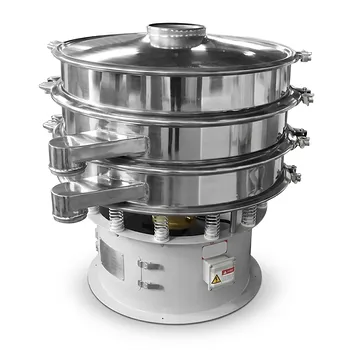
Three Dimensional Rotary Vibrating Sieve
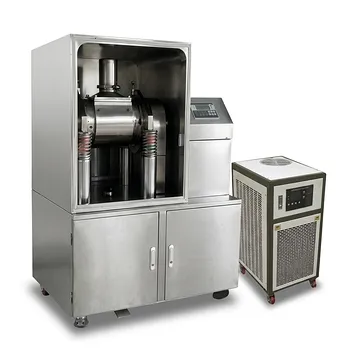
Small Vibrating Ultrafine Grinder for Traditional Chinese Medicine
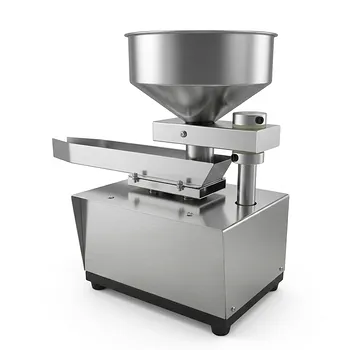
Automatic Vibrating Powder Feeder for Laboratory Material Processing Precision Vibratory Hopper Feeder for Granular and Powder Material Handling Industrial Grade Vibrating Tray Feeder for Consistent Material Sample Preparation
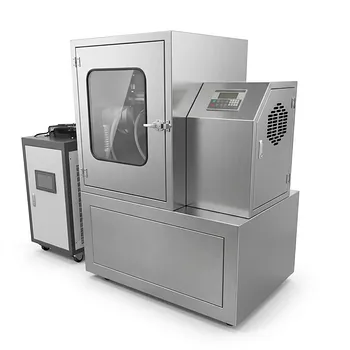
Vibratory Superfine Grinder for Ultra Fine Laboratory Powder Milling
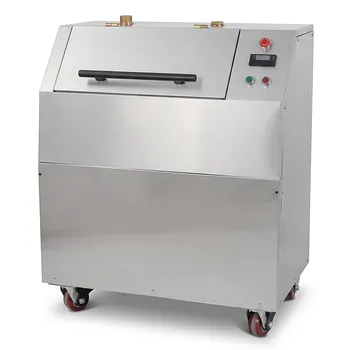
Vibratory Disc Mill for Rapid Fine Grinding and High Throughput Sample Preparation of Hard and Brittle Materials