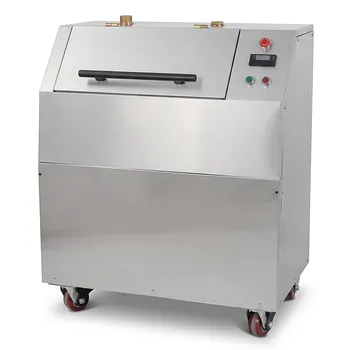
What role does a vibratory sieve shaker play in evaluating the quality of wood pellets? Key to Durability & PSD Analysis
Updated 5 months ago
The vibratory sieve shaker is the industry-standard tool for quantifying the mechanical durability and particle size distribution of wood pellets. It is primarily used to measure "fines" (dust content) and the percentage of mass retained on test sieves after pellets undergo mechanical stress. By providing precise, repeatable data on how well pellets resist breakage, it serves as the definitive instrument for assessing their readiness for transportation, storage, and efficient combustion.
The vibratory sieve shaker acts as a critical quality control gate, validating the physical integrity of the final product while providing the data necessary to optimize raw material processing. It ensures that pellets maintain their structural form from the factory floor to the end consumer’s burner.
Measuring Mechanical Durability and Durability Standards
The primary role of the shaker in a laboratory setting is to determine how well pellets withstand physical handling.
Quantifying Resistance to Breakage
In standard industry tests, pellets are subjected to mechanical stress, such as a rotating friction test. The vibratory sieve shaker is then used to separate the remaining whole pellets from the dust and fragments created during the test.
Calculating Mass Retention
By weighing the material retained on the sieves versus the material that passed through, technicians calculate a durability index. This index is a critical metric for determining if a batch meets international quality standards for wood fuel.
Identifying Dust Content
Excessive "fines" or dust can lead to storage issues, including increased fire risk and respiratory hazards. The shaker accurately isolates these small particles, allowing producers to ensure their product stays within allowable dust thresholds.
Analyzing Particle Size Distribution (PSD)
Beyond testing the final pellet, the vibratory sieve shaker evaluates the raw materials that constitute the pellet, such as sawdust and wood chips.
Optimizing the "Molding Effect"
The configuration of particle sizes in the raw material directly influences how well a pellet forms. Sieve analysis helps researchers ensure a reasonable grading of particles, which enhances the filling density and mechanical interlocking strength within the pellet.
Reducing Energy Consumption
Finer particles can achieve partial densification under lower pressure. By using a shaker to maintain a specific particle size configuration, manufacturers can reduce the energy required during the pelletizing process.
Predicting Bonding Requirements
In processes involving resins or binders, the shaker helps identify the proportion of fine particles. This data is vital for predicting the necessary resin dosage, ensuring optimal bonding without wasting expensive additives.
Enhancing Manufacturing and Processing Efficiency
The data provided by a vibratory sieve shaker allows for the fine-tuning of industrial machinery used in pellet production.
Evaluating Hammer Mill Performance
By analyzing the output of a hammer mill with a sieve shaker, operators can determine if the mill is grinding material to the correct specifications. This allows for real-time adjustments to machinery to prevent oversized particles from entering the pellet press.
Improving Drying Efficiency
Wood chips of different sizes have different diffusion coefficients. Using a shaker to sort chips into uniform groups significantly enhances the efficiency of drying processes, ensuring that moisture content is consistent throughout the batch.
Correlating Particle Size to Safety
Sieve shakers help establish the relationship between dust particle size and the minimum ignition temperature. This information is critical for designing safe ventilation and dust collection systems within a production facility.
Understanding the Trade-offs and Pitfalls
While highly effective, the accuracy of a vibratory sieve shaker depends heavily on proper calibration and operator technique.
The Risk of Sample Degradation
If the vibration amplitude is too high or the test duration is too long, the shaker itself can cause additional breakage to the pellets. This leads to "false negatives" where the pellets appear less durable than they actually are.
Sieve Blinding and Maintenance
Fine wood dust can easily clog or "blind" the mesh of the sieves. Failure to use de-blinding aids (like rubber balls or sliders) or improper cleaning can lead to inaccurate weight measurements and skewed quality data.
Material Heterogeneity
Wood is a naturally inconsistent material. Using a sample size that is too small can result in data that does not accurately represent the entire production run, potentially leading to the shipment of sub-standard fuel.
How to Apply Sieve Analysis to Your Quality Workflow
To maximize the value of vibratory sieve shaking, your approach should vary based on your specific operational goals.
- If your primary focus is meeting export standards: Prioritize post-friction testing using standard mesh sizes (e.g., 3.15mm) to calculate the durability index required by regulatory bodies.
- If your primary focus is reducing production costs: Use the shaker to analyze raw sawdust PSD, aiming for a distribution that maximizes interlocking strength and minimizes the pressure required for densification.
- If your primary focus is facility safety: Perform regular sieve analysis on airborne dust samples to determine the median particle size (x50) and adjust your dust mitigation strategies accordingly.
The vibratory sieve shaker remains the most reliable method for converting the physical characteristics of wood fiber into the actionable data required for high-quality pellet production.
Summary Table:
| Key Role | Measurement Metric | Impact on Quality |
|---|---|---|
| Durability Testing | Mass Retention % (Durability Index) | Ensures resistance to breakage during transport and storage. |
| Fines Quantification | Dust Content/Fines Percentage | Minimizes fire risk and improves respiratory safety. |
| Raw Material PSD | Particle Size Distribution | Optimizes bonding, density, and reduces energy consumption. |
| Process Optimization | Hammer Mill & Dryer Output | Fine-tunes machinery for consistent moisture and size. |
| Safety Calibration | Minimum Ignition Temperature | Correlates particle size to safe ventilation design. |
Optimize Your Material Analysis with Industry-Leading Equipment
Precision is the foundation of high-quality wood pellet production and material science. [Brand Name] provides complete laboratory sample preparation solutions, specializing in advanced powder processing and compaction equipment.
Whether you are assessing mechanical durability with our high-performance vibratory and air-jet sieve shakers (featuring various test sieves and meshes) or refining raw materials using our crushers (jaw/roll), cryogenic grinders, and mills (planetary ball, jet, rotor), we have the tools to ensure your product meets global standards. We also offer a full spectrum of hydraulic presses, including Cold/Warm Isostatic Presses (CIP/WIP), XRF pellet presses, and vacuum hot presses for superior sample preparation.
Contact us today to discover how our specialized equipment can enhance your laboratory efficiency and guarantee the physical integrity of your materials!
References
- Matti Kuokkanen, Jouko Niinimäki. Additives in wood pellet produciton - A pilot-scale study of binding agent usage. DOI: 10.15376/biores.6.4.4331-4355
Mentioned Products
- Vibratory Sieve Shaker Electromagnetic 3D Motion Powder Particle Size Analyzer for Dry and Wet Sieving
- Laboratory Dry and Wet Three Dimensional Vibratory Sieve Shaker for Particle Analysis
- Dry Three Dimensional Vibratory Sieve Shaker
- Stainless Steel Laboratory Vibratory Test Sieve Shaker
- Heavy Duty Dry Three Dimensional Vibratory Sieve Shaker for Particle Separation
People Also Ask
- How does a vibratory sieve shaker contribute to optimizing the performance of activated carbon? Enhance Adsorption Precision
- Why is a laboratory vibratory sieve shaker necessary for processing magnesium-based borate precursor powders? Boost Activity
- Why use a vibratory sieve shaker to verify coarse aggregate grading in rubberized concrete? Ensure Structural Integrity
- What function do vibratory sieve shakers and standard test sieves serve in the preparation of adsorbents? Key Guide
- What role does a vibratory sieve shaker play in the particle size analysis of ground corn products? Enhance QC Precision

Tech Team · PowderPreparation
Last updated on May 14, 2026
Related Products
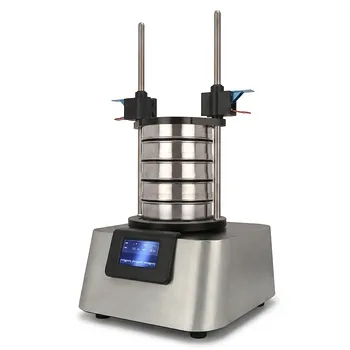
Vibratory Sieve Shaker Electromagnetic 3D Motion Powder Particle Size Analyzer for Dry and Wet Sieving
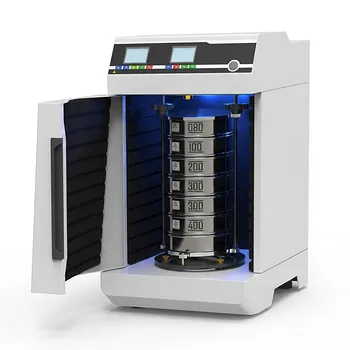
Laboratory Dry and Wet Three Dimensional Vibratory Sieve Shaker for Particle Analysis
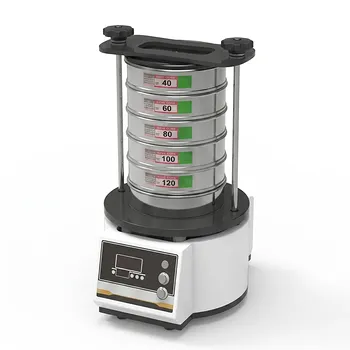
Dry Three Dimensional Vibratory Sieve Shaker
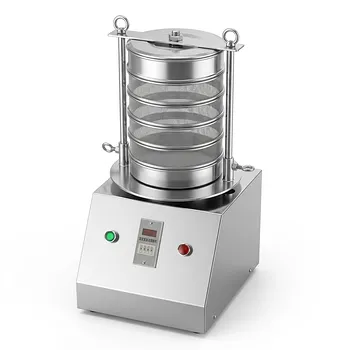
Stainless Steel Laboratory Vibratory Test Sieve Shaker
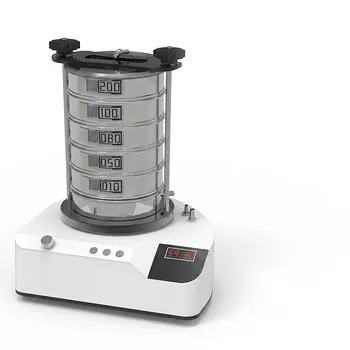
Heavy Duty Dry Three Dimensional Vibratory Sieve Shaker for Particle Separation
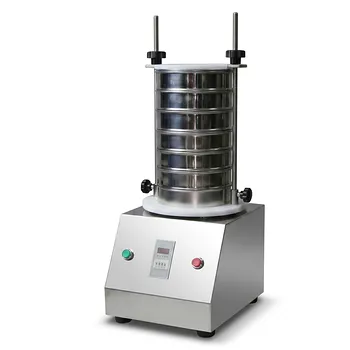
Small Laboratory Vibratory Sieve Shaker for Powder Gradation and Particle Size Analysis
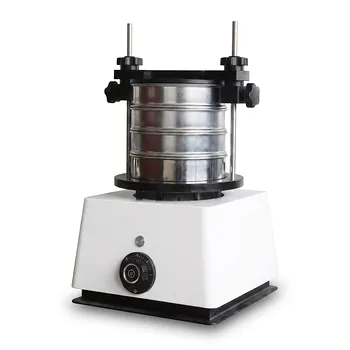
Small Laboratory Vibrating Sieve Shaker for Precise Particle Size Analysis
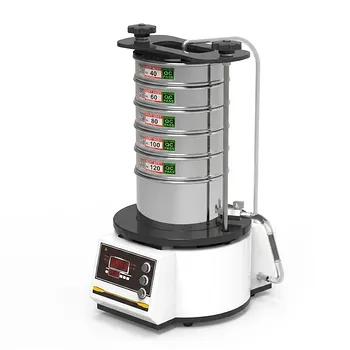
High Frequency Wet Three-Dimensional Vibrating Sieve Shaker for Dry and Wet Particle Size Analysis
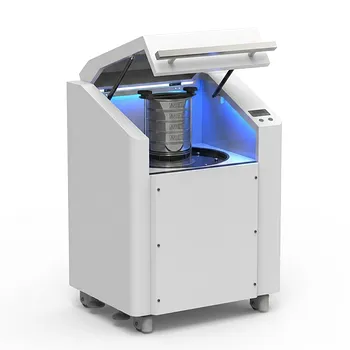
High Frequency Cabinet Type Three-Dimensional Rotary Vibrating Sieve Shaker for Dry Sieving and Particle Classification
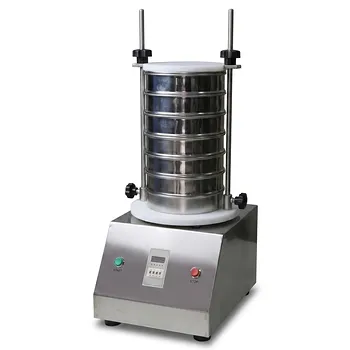
Laboratory Vibratory Test Sieve Shaker for Precision Particle Size Analysis and Powder Grading
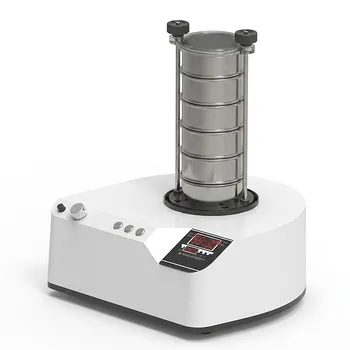
三维电磁微量振动筛分仪
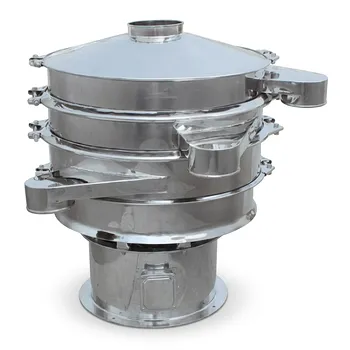
Stainless Steel Rotary Vibrating Sieve High Precision Circular Vibratory Separator Industrial Powder Grading Machine Multi Layer Sifting Equipment
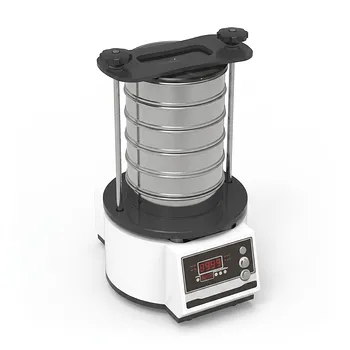
Tapping Oscillating Sieve Shaker for Dry and Wet Particle Size Analysis
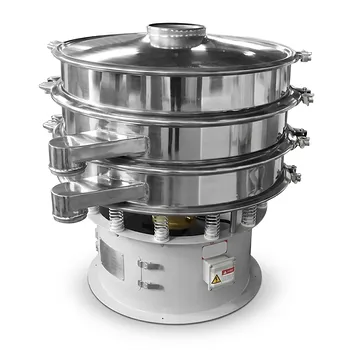
Three Dimensional Rotary Vibrating Sieve
Vibratory Superfine Grinder for Ultra Fine Laboratory Powder Milling
Small Vibrating Ultrafine Grinder for Traditional Chinese Medicine
Automatic Vibrating Powder Feeder for Laboratory Material Processing Precision Vibratory Hopper Feeder for Granular and Powder Material Handling Industrial Grade Vibrating Tray Feeder for Consistent Material Sample Preparation