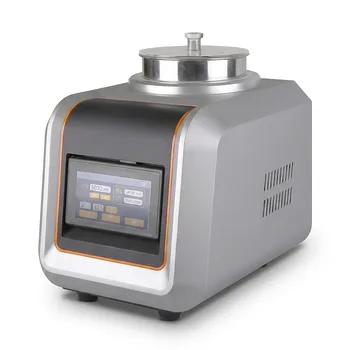
What role does a vibratory sieve shaker play in evaluating the quality of ground cereal samples? Improve Lab Accuracy.
Updated 5 months ago
A vibratory sieve shaker is the primary tool for quantifying the particle size distribution of ground cereal samples. By utilizing multiple layers of test sieves with varying mesh sizes, the device provides precise data on grinding fineness and uniformity. This mechanical classification is essential for calculating the Relative Particle Size (RPS) and ensuring that the sample meets the standards required for accurate chemical analysis and product consistency.
The vibratory sieve shaker serves as a critical quality control gatekeeper, transforming bulk ground cereals into measurable data points. It enables manufacturers to validate grinding processes, optimize equipment performance, and ensure that particle sizes are uniform enough to provide reliable results in downstream testing and final product application.
Quantifying Grinding Efficacy and Consistency
Establishing Particle Size Distribution (PSD)
The shaker uses high-frequency vibrations to drive ground samples through a stack of sieves with decreasing aperture sizes. This process categorizes the powder into distinct size fractions based on the weight retained on each layer, allowing for a complete particle size distribution model.
Calculating Critical Metrics (d50 and RPS)
By weighing the material on each sieve, researchers can calculate the geometric mean diameter (d50) and the Relative Particle Size (RPS). These quantitative standards are vital for predicting material behavior and verifying if the grinding process has achieved the required fineness.
Optimizing Milling Equipment
Sieving data provides a feedback loop for industrial mills by monitoring the impact of high-energy grinding on material micronization. If the proportion of specific particle size ranges (e.g., smaller than 500μm) deviates from the standard, operators can adjust mill parameters to restore uniformity.
Impact on Downstream Processes
Standardizing Chemical and Physical Analysis
Uniform particle size is a prerequisite for reliable chemical analysis in cereal science. If particles are inconsistent, it can lead to skewed results in protein or moisture testing due to uneven surface area-to-volume ratios and non-representative sampling.
Managing Digestibility and Product Texture
In cereal production, such as milled wheat or rice bran, specific fineness is directly tied to digestibility and moisture absorption. The sieve shaker ensures the product meets these functional requirements by monitoring the proportion of fine powders versus coarse grains.
Distinguishing Grain Damage
Beyond fine powders, vibratory shakers with longitudinal openings are used to grade dehulled seeds. This mechanical physical grading distinguishes between whole and broken seeds, providing a clear metric for grain damage incurred during processing.
Understanding the Trade-offs and Pitfalls
The Risk of Mesh Blinding
High-fat or high-moisture cereal samples can lead to "blinding," where fine particles clog the mesh openings. This prevents proper separation and results in an inaccurate overestimation of coarse particles in the sample.
Particle Attrition During Testing
Excessive vibration intensity or duration can cause particle attrition, where fragile cereal grains break into smaller fragments during the test itself. This creates a "false positive" for fineness, representing a sample that is finer than what actually left the mill.
Sample Representative Limits
While effective for physical grading, sieving cannot account for chemical variations within the particles themselves. It must be used as a complementary tool alongside chemical assays rather than a replacement for comprehensive quality evaluation.
How to Apply This to Your Quality Control
Making the Right Choice for Your Goal
- If your primary focus is Milling Efficiency: Use the d50 and distribution span data to identify when grinding plates require maintenance or recalibration.
- If your primary focus is Analytical Accuracy: Ensure that 100% of your sample passes through a specific fine mesh to guarantee the comparability of subsequent chemical data.
- If your primary focus is Product Functionality: Monitor the fineness modulus to ensure the final cereal powder meets specific requirements for digestibility and water retention.
By mastering the mechanical classification of ground cereals, you ensure that every subsequent stage of production—from chemical validation to consumer consumption—is built on a foundation of precision.
Summary Table:
| Key Role | Impact on Quality Control | Critical Metric |
|---|---|---|
| PSD Analysis | Quantifies grinding fineness and uniformity | Particle Size Distribution |
| Metric Calculation | Predicts material behavior & digestibility | d50 & Relative Particle Size (RPS) |
| Mill Optimization | Adjusts equipment parameters for consistency | Material Micronization |
| Sample Prep | Standardizes surface area for chemical tests | Uniformity for Assay Accuracy |
Elevate Your Cereal Analysis with Precision Sample Preparation
Achieving accurate quality metrics for ground cereals starts with the right equipment. At [Brand Name], we provide complete laboratory sample preparation solutions for material science, specializing in high-performance powder processing and compaction.
Whether you are quantifying particle size with our vibratory or air-jet sieve shakers, or seeking to achieve superior fineness with our planetary ball mills, jet mills, or cryogenic grinders, our equipment is designed for precision and durability. We also offer a full spectrum of hydraulic presses, including Cold Isostatic Presses (CIP) and XRF pellet presses, to support your advanced material testing.
Ready to optimize your milling and analysis workflow?
Contact our experts today to find the perfect solution for your laboratory needs!
References
- Susan Strange Herrmann, Mette Erecius Poulsen. Effects of milling on the extraction efficiency of incurred pesticides in cereals. DOI: 10.1080/19440049.2017.1339915
Mentioned Products
- Vibratory Sieve Shaker Electromagnetic 3D Motion Powder Particle Size Analyzer for Dry and Wet Sieving
- Laboratory Dry and Wet Three Dimensional Vibratory Sieve Shaker for Particle Analysis
- Stainless Steel Laboratory Vibratory Test Sieve Shaker
- Heavy Duty Dry Three Dimensional Vibratory Sieve Shaker for Particle Separation
- Dry Three Dimensional Vibratory Sieve Shaker
People Also Ask
- How does a vibratory sieve shaker contribute to optimizing the performance of activated carbon? Enhance Adsorption Precision
- Why is a laboratory vibratory sieve shaker necessary for processing magnesium-based borate precursor powders? Boost Activity
- Why use a vibratory sieve shaker to verify coarse aggregate grading in rubberized concrete? Ensure Structural Integrity
- What function do vibratory sieve shakers and standard test sieves serve in the preparation of adsorbents? Key Guide
- What role does a vibratory sieve shaker play in the particle size analysis of ground corn products? Enhance QC Precision

Tech Team · PowderPreparation
Last updated on May 14, 2026
Related Products
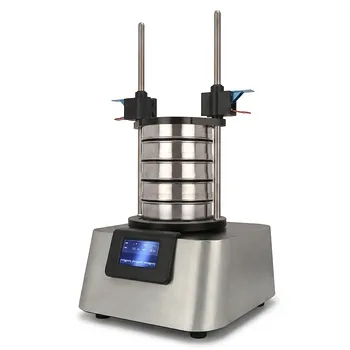
Vibratory Sieve Shaker Electromagnetic 3D Motion Powder Particle Size Analyzer for Dry and Wet Sieving
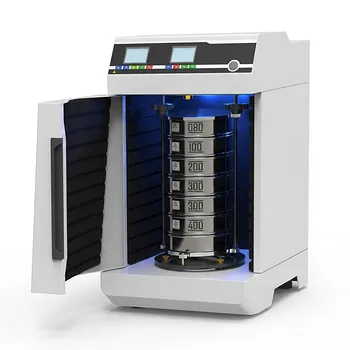
Laboratory Dry and Wet Three Dimensional Vibratory Sieve Shaker for Particle Analysis
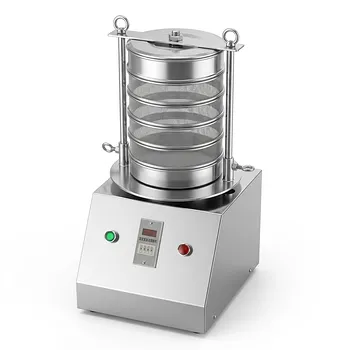
Stainless Steel Laboratory Vibratory Test Sieve Shaker
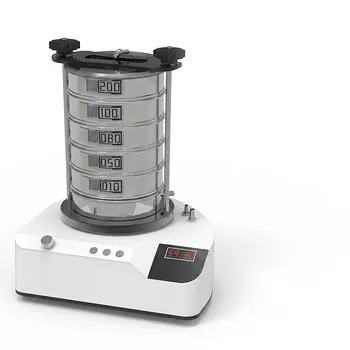
Heavy Duty Dry Three Dimensional Vibratory Sieve Shaker for Particle Separation
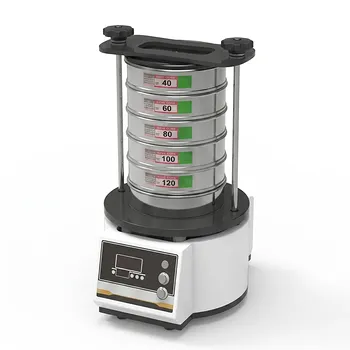
Dry Three Dimensional Vibratory Sieve Shaker
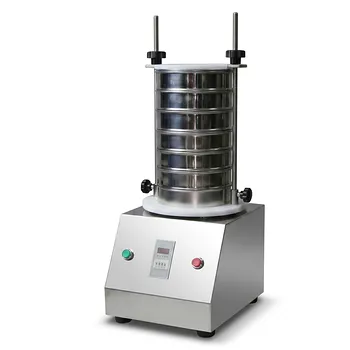
Small Laboratory Vibratory Sieve Shaker for Powder Gradation and Particle Size Analysis
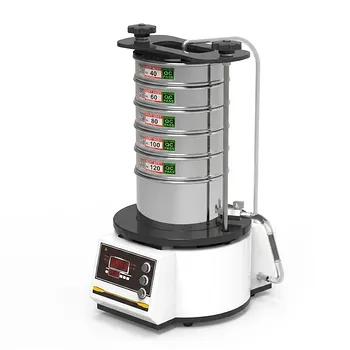
High Frequency Wet Three-Dimensional Vibrating Sieve Shaker for Dry and Wet Particle Size Analysis
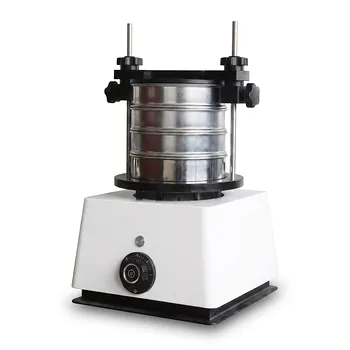
Small Laboratory Vibrating Sieve Shaker for Precise Particle Size Analysis
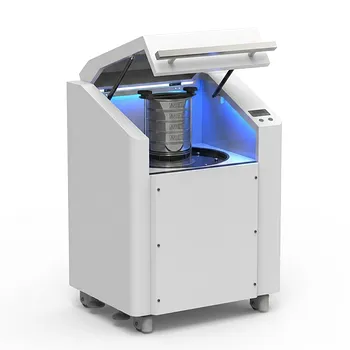
High Frequency Cabinet Type Three-Dimensional Rotary Vibrating Sieve Shaker for Dry Sieving and Particle Classification
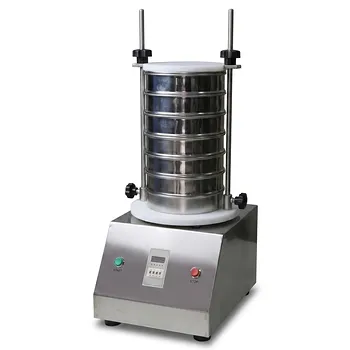
Laboratory Vibratory Test Sieve Shaker for Precision Particle Size Analysis and Powder Grading
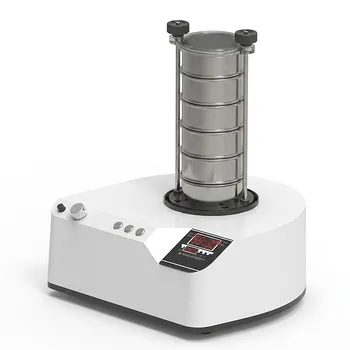
三维电磁微量振动筛分仪
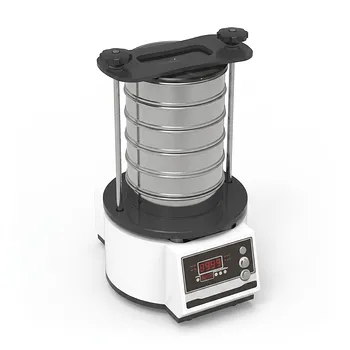
Tapping Oscillating Sieve Shaker for Dry and Wet Particle Size Analysis
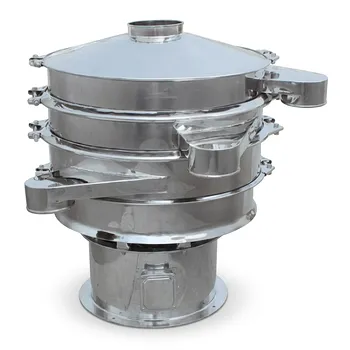
Stainless Steel Rotary Vibrating Sieve High Precision Circular Vibratory Separator Industrial Powder Grading Machine Multi Layer Sifting Equipment
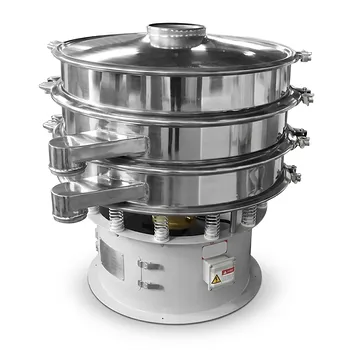
Three Dimensional Rotary Vibrating Sieve
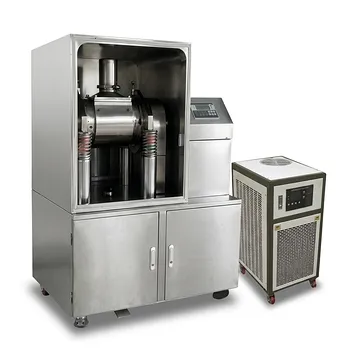
Small Vibrating Ultrafine Grinder for Traditional Chinese Medicine
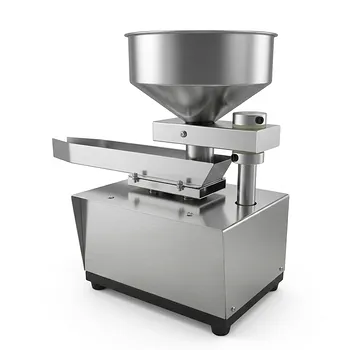
Automatic Vibrating Powder Feeder for Laboratory Material Processing Precision Vibratory Hopper Feeder for Granular and Powder Material Handling Industrial Grade Vibrating Tray Feeder for Consistent Material Sample Preparation
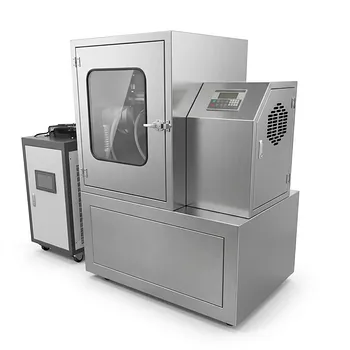
Vibratory Superfine Grinder for Ultra Fine Laboratory Powder Milling
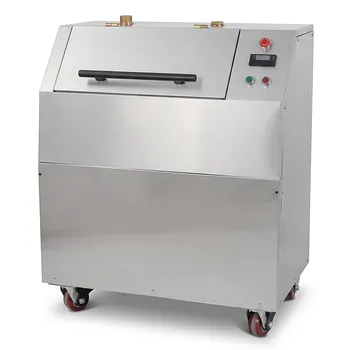
Vibratory Disc Mill for Rapid Fine Grinding and High Throughput Sample Preparation of Hard and Brittle Materials