What role does a planetary ball mill play in Ag2O conductive pastes? Optimize Mechanical Activation & Conductivity
Updated 5 months ago
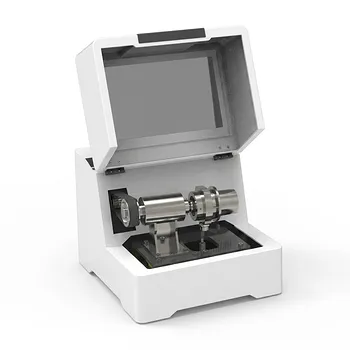
The planetary ball mill acts as the primary mechanical activation engine in the preparation of silver oxide (Ag2O) self-reducing conductive pastes. It performs high-energy wet grinding of silver oxide raw materials, utilizing impact and shear forces to simultaneously reduce particle size and increase specific surface area. This process is crucial because it lowers the thermal energy required to reduce silver oxide into metallic silver during subsequent processing stages.
The planetary ball mill transforms silver oxide from a raw precursor into a highly reactive, ultra-fine powder through mechanical activation. By increasing surface activity and ensuring microscale homogeneity, the mill enables the paste to achieve high conductivity at significantly lower sintering temperatures.
Achieving Mechanical Activation and Particle Refinement
High-Energy Impact and Shear Forces
The planetary ball mill operates through a complex planetary motion that generates intense centrifugal, frictional, and impact forces. These forces are significantly more powerful than those found in traditional milling, allowing for the deep crushing of Ag2O precursors.
Increasing Surface Activity
As the mill reduces the silver oxide to an ultra-fine state, the specific surface area of the particles increases exponentially. This mechanical activation creates a state of high surface energy, which serves as the catalyst for chemical reactions.
Lowering the Reduction Threshold
The core benefit of this mechanical energy is the lowering of the reduction temperature. Because the particles are highly active and finely dispersed, they can be more effectively converted into metallic silver during thermal processing, which is vital for heat-sensitive electronic substrates.
Ensuring Homogeneity and Paste Performance
Micronization and Uniformity
To create a high-quality conductive paste, the silver oxide must be distributed with microscale uniformity. The planetary ball mill ensures that all components are thoroughly mixed, providing a consistent raw material base that prevents grain size effects during application.
The Role of Wet Grinding
The milling is typically conducted as a wet grinding process using media such as ethanol. This prevents the particles from re-agglomerating and helps manage the temperature during milling, ensuring the silver oxide does not degrade or prematurely reduce before the paste is finalized.
Preparation for Screen Printing
By refining the powder to a uniform, ultra-fine size, the mill prepares a precursor that is ideal for screen-printing pastes. This consistency is essential for producing high-density, high-performance conductive traces that remain stable and reproducible.
Understanding the Trade-offs
Media Contamination
The high-energy nature of planetary milling can lead to the wear of milling jars and balls, potentially introducing impurities like zirconia or stainless steel into the paste. These contaminants can interfere with the final conductivity of the silver traces if not carefully managed.
Risk of Thermal Degradation
While the goal is mechanical activation, excessive milling duration or speed can generate localized heat. If the temperature is not controlled through cooling or proper wet media, the silver oxide may begin to reduce prematurely, ruining the "self-reducing" property of the paste.
Energy Consumption and Throughput
Planetary ball mills are highly effective but are often limited in batch size and energy efficiency. For large-scale industrial production, the time required to achieve the necessary nanometer or micron refinement must be balanced against the cost of operation.
How to Apply This to Your Project
Making the Right Choice for Your Goal
- If your primary focus is lowering sintering temperatures: Use higher rotational speeds and extended milling durations to maximize the mechanical activation and surface energy of the Ag2O particles.
- If your primary focus is maximum conductivity and purity: Select high-purity zirconia milling media and utilize a wet grinding environment to minimize metallic contamination and prevent premature reduction.
- If your primary focus is paste rheology and printability: Focus on achieving a narrow particle size distribution by optimizing the ball-to-powder ratio, ensuring a smooth, homogeneous paste for screen printing.
By precisely controlling the mechanical energy of the planetary ball mill, you can engineer the reactivity and conductivity of silver oxide pastes to meet the specific requirements of modern electronics.
Summary Table:
| Process Objective | Mill Function | Benefit to Ag2O Paste |
|---|---|---|
| Particle Refinement | High-energy impact & shear | Increases specific surface area for better reactivity |
| Mechanical Activation | Intensive centrifugal force | Lowers the reduction temperature of silver oxide |
| Homogenization | Microscale wet grinding | Ensures uniform distribution for high-quality screen printing |
| Phase Stability | Liquid-mediated milling | Prevents re-agglomeration and premature thermal reduction |
Elevate Your Conductive Paste Research with Precision Milling
Achieving the perfect silver oxide precursor requires exact control over mechanical energy and particle size. As experts in complete laboratory sample preparation solutions for material science, we specialize in the equipment you need to succeed. From high-performance planetary ball mills, jet mills, and rotor mills to our specialized liquid nitrogen cryogenic grinders, we provide the tools to reach ultra-fine refinement without thermal degradation.
Our extensive line supports your entire workflow, including:
- Powder Processing: Planetary ball mills, mixers, and sieve shakers (vibratory/air-jet).
- Compaction & Forming: A full spectrum of hydraulic presses, including Cold/Warm Isostatic Presses (CIP/WIP), hot presses, and vacuum hot presses.
Whether you are optimizing Ag2O pastes or developing advanced electronic materials, our equipment ensures maximum homogeneity and surface activity. Contact us today to discuss your specific requirements and let our technical team help you find the ideal solution for your laboratory or production line.
References
- Alena Pietriková, Peter Nemergut. Effect of mechanochemical milling on the properties of Ag₂O self-reducing pastes for conductive layers in flexible electronics. DOI: 10.1007/s10854-025-14893-x
Mentioned Products
- Vertical Semi Circular Planetary Ball Mill for Laboratory Precision Grinding
- High Energy Planetary Ball Mill for Nano Scale Grinding and Mechanical Alloying
- Vertical Production Planetary Ball Mill for High Throughput Powder Processing
- Heavy Duty Horizontal Planetary Ball Mill for Efficient Industrial Grinding and Sample Preparation
- 360° Rotating Omnidirectional Laboratory Planetary Ball Mill for Homogeneous Ultra-Fine Grinding and Mixing
People Also Ask
- What role does a planetary ball mill play in the synthesis of Li6PS5Cl (LPSCl)? Unlock High Ionic Conductivity
- Why is a planetary ball mill essential for SiBCN-rGO wet-spinning? Achieve Superior Dispersion and Spinnability
- Why is an intermittent grinding process required for perovskites in a planetary ball mill? Ensure Stability & Purity
- Why is a planetary ball mill required for PET micronization? Ensure Accurate Chemical Analysis of Reprocessed PET
- How does mechanized planetary ball milling compare to manual agate grinding? Optimize sulfide standard material precision.

Tech Team · PowderPreparation
Last updated on May 14, 2026
Related Products
Vertical Semi Circular Planetary Ball Mill for Laboratory Precision Grinding
High Energy Planetary Ball Mill for Nano Scale Grinding and Mechanical Alloying
Vertical Production Planetary Ball Mill for High Throughput Powder Processing
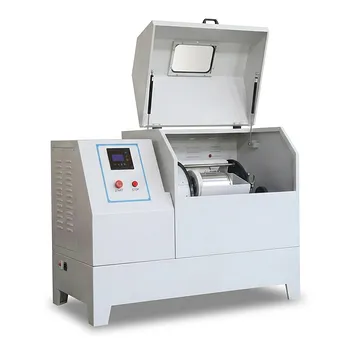
Heavy Duty Horizontal Planetary Ball Mill for Efficient Industrial Grinding and Sample Preparation
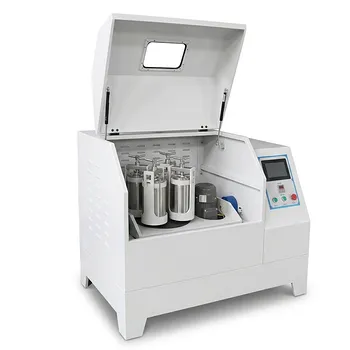
360° Rotating Omnidirectional Laboratory Planetary Ball Mill for Homogeneous Ultra-Fine Grinding and Mixing
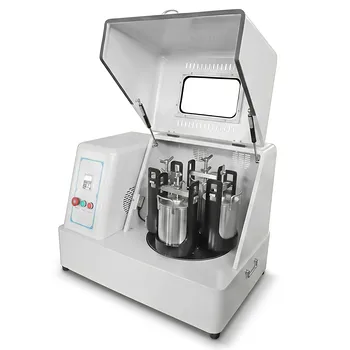
Vertical Square Planetary Ball Mill for Laboratory Sample Preparation and Nanoscale Grinding
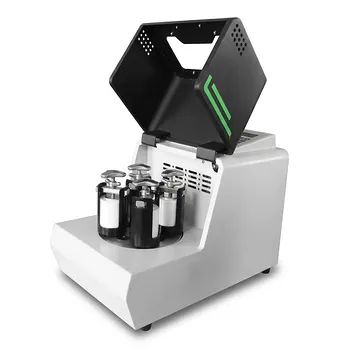
Miniature Planetary Ball Mill with Vacuum Grinding and High Efficiency for Laboratory Sample Preparation
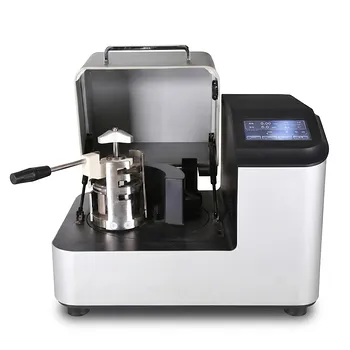
High Energy Laboratory Planetary Ball Mill for Nano Grinding and Material Science Sample Preparation
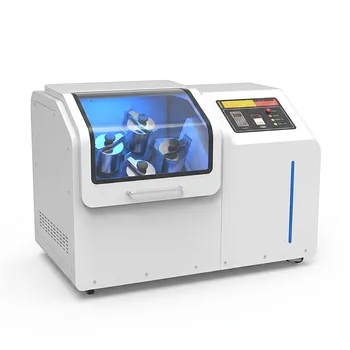
High Energy Omnidirectional Planetary Ball Mill 16L
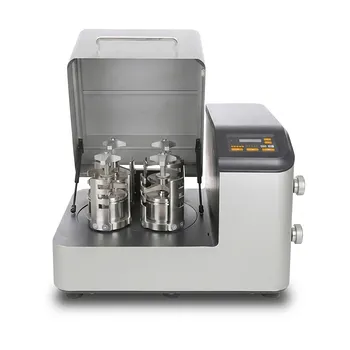
High Energy Planetary Ball Mill for Nano Scale Grinding and Colloidal Mixing in Material Science Research
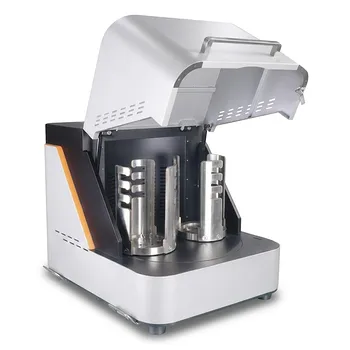
High Energy Laboratory Planetary Ball Mill for Nano Grinding and Colloidal Mixing of Hard and Brittle Materials
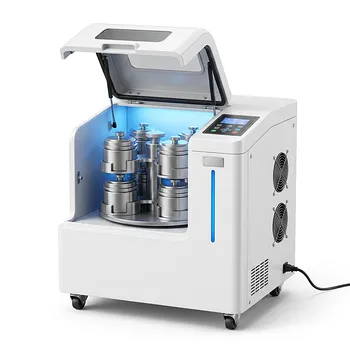
High Energy Omnidirectional Planetary Ball Mill 20L
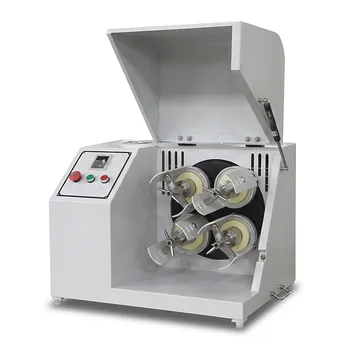
Horizontal Light Duty Planetary Ball Mill for Laboratory Sample Preparation
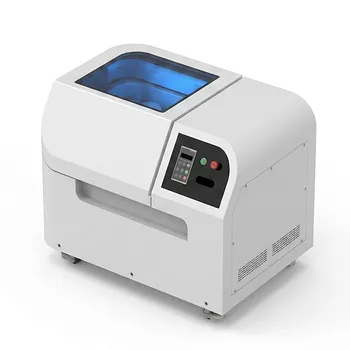
8L Planetary Ball Mill for Laboratory Grinding and Sample Preparation
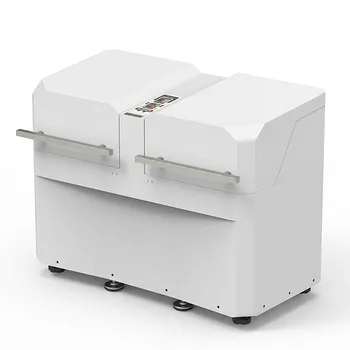
Dual Station Planetary Ball Mill 24L
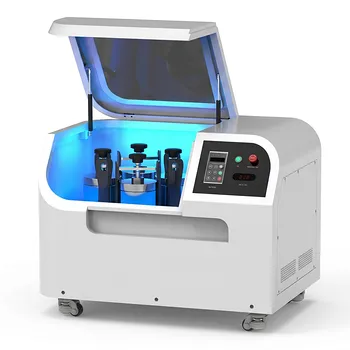
Planetary Ball Mill 12L

Nano High Energy Vibratory Ball Mill for Laboratory Sample Preparation
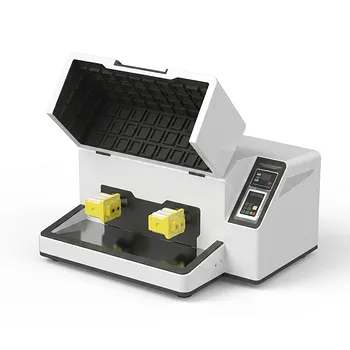
Multi-Platform Nanoscale High-Energy Vibratory Ball Mill
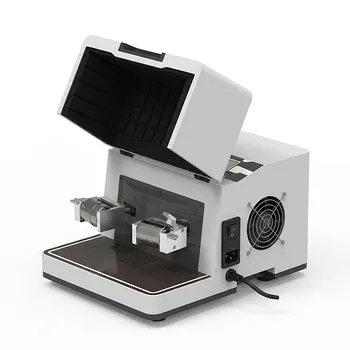
High Energy Hybrid Vibratory Ball Mill for Grinding Mixing and Cell Disruption