What role does a laboratory mechanical mixer play in the preparation of modified green sand? Optimize Bonding & Strength
Updated 5 months ago
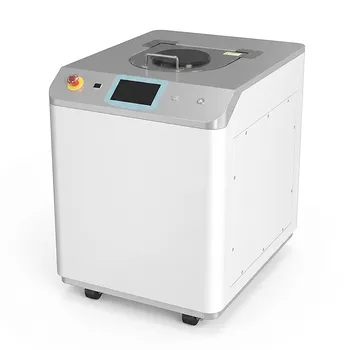
The laboratory mechanical mixer serves as the critical bridge between raw components and a homogenous molding medium. By utilizing controlled mechanical agitation, it ensures that bentonite binders and industrial micro-powders are uniformly distributed across sand grains, a feat impossible to achieve through manual methods. This process is fundamental for creating the consistent microscopic film required to dictate the final strength and thermal stability of modified green sand.
The primary role of a laboratory mechanical mixer is to maximize bonding efficiency by ensuring a uniform coating of binders and additives on every sand grain, which prevents structural defects and ensures that subsequent performance testing is accurate and repeatable.
Achieving Microscopic Homogeneity
Deep Compositing of Diverse Materials
Modified green sand often incorporates a complex mix of silica sand, industrial waste micro-powders (such as slag or brick powder), and coal dust. The mechanical mixer uses high-intensity force to integrate these varying particle sizes into a singular, cohesive composite.
Uniform Film Formation
The mixer's primary mechanical action is to ensure that even minimal amounts of bentonite and moisture form a continuous, thin film on the surface of each sand grain. This coating is essential because the strength of the mold relies on the "bridge" created by the binder between individual grains.
Forced Homogenization
By applying high-intensity shear forces, the mixer prevents the "clumping" of fine powders or fibers. This forced homogenization ensures that additives like coal dust are not localized in one area, which would otherwise lead to weak spots in the final mold.
Enhancing Material Performance
Maximizing Bonding Efficiency
Mechanical mixing allows for the optimization of binder usage, meaning the same amount of bentonite provides significantly higher green compression strength compared to manual mixing. This efficiency is reached because the mechanical action "activates" the clay by ensuring it is fully hydrated and spread thin.
Preventing Component Segregation
During the molding process, unevenly mixed sand can lead to component segregation, where heavier or lighter particles settle inconsistently. A mechanical mixer locks these components into a stable matrix, ensuring the sand maintains its integrity during handling and pouring.
Consistency for Performance Testing
For researchers, the mixer is a tool for standardization and repeatability. By controlling mixing time and speed, it provides a homogenous material that yields reliable data on permeability, moisture content, and high-temperature durability.
Understanding the Trade-offs
Mechanical Degradation of Grains
While high-intensity mixing is necessary for homogenization, excessive mixing time can lead to the attrition of sand grains. If the mixer is too aggressive, it may break down the base silica sand, changing the grain size distribution and negatively impacting the sand's permeability.
Heat Generation and Moisture Loss
The friction generated by high-speed mechanical agitation can cause a rise in temperature within the sand batch. This heat leads to the premature evaporation of moisture, which can alter the plasticity of the bentonite and require the operator to adjust water additions mid-process.
Optimizing Your Mixing Process
How to Apply This to Your Project
To achieve the best results with modified green sand, the mixing strategy must be tailored to the specific additives being used and the desired properties of the final mold.
- If your primary focus is maximizing green strength: Prioritize a longer "mulling" cycle at a moderate speed to ensure the bentonite film is fully developed and consolidated around the grains.
- If your primary focus is incorporating industrial waste powders: Use a high-shear mixing phase initially to break up any micro-powder agglomerates before adding the final moisture and binders.
- If your primary focus is maintaining high permeability: Limit the total mixing time to the minimum required for homogenization to prevent the creation of "fines" caused by grain fracturing.
By mastering the mechanical mixing phase, you transform a collection of raw minerals and wastes into a high-performance engineering material ready for the rigors of the foundry.
Summary Table:
| Key Function | Impact on Modified Green Sand | Main Benefit |
|---|---|---|
| Uniform Coating | Distributes bentonite/moisture evenly across grains | Maximizes green compression strength |
| High-Shear Mixing | Breaks up micro-powder (slag/coal) agglomerates | Prevents structural defects and clumping |
| Material Integration | Blends diverse particles into a cohesive matrix | Ensures consistent composite properties |
| Standardization | Controlled, repeatable mixing parameters | Provides reliable data for performance testing |
Precision Sample Preparation for Material Science
Achieving the perfect homogeneity in modified green sand requires more than just mixing—it requires precision engineering. At [Brand Name], we provide complete laboratory sample preparation solutions specialized for material science and powder processing.
Our extensive range of equipment is designed to ensure accuracy and repeatability in your research:
- Powder Processing: Advanced powder mixers, defoaming mixers, and high-intensity mills (planetary ball, jet, and cryogenic grinders).
- Compaction Excellence: A full spectrum of hydraulic presses, including Cold/Warm Isostatic Presses (CIP/WIP), standard lab presses, and vacuum hot presses.
- Sizing & Preparation: Durable jaw/roll crushers and precision sieve shakers (vibratory/air-jet) for perfect grain distribution.
Whether you are refining foundry sands or developing advanced composites, our equipment empowers you to reach superior material performance. Contact our experts today to find the ideal solution for your laboratory needs!
References
- P. Nachimuthu, U. Effective Utilization of Industrial and Constructional Solid Waste Materials in Foundry Mould Making to Prevent Environment Pollution and Conserve Natural Silica Sand. DOI: 10.30955/gnj.005045
Mentioned Products
- Three-Dimensional Motion Mixer for Laboratory Powder and Granule Blending
- 非介入式材料均质机真空脱泡行星搅拌高粘度混合设备
- Horizontal Ribbon Mixer for Uniform Powder and Slurry Mixing
- High Viscosity Planetary Centrifugal Mixing and Vacuum Defoaming Machine for Laboratory Material Preparation
- High Efficiency Vacuum Planetary Centrifugal Mixer and Defoaming Machine for Industrial Material Research and Precise Laboratory Powder Dispersion
People Also Ask
- Why is a 3D Motion Mixer employed when preparing binary powder mixtures for tableting? Achieve Superior Homogeneity
- What role does an industrial 3D mixer play in the preparation of diamond tool segment raw materials? Achieve Homogeneity
- What is the role of a 3D mixer in Ti2SnC synthesis? Optimize Precursor Homogeneity for High-Purity MAX Phases
- How does a 3D mixer with tungsten balls contribute to magnesium composite mixing? Achieve Superior Macro-Homogeneity
- What are the advantages of using a 3D powder mixer? Boost Tablet Consistency with Advanced Mixing Technology

Tech Team · PowderPreparation
Last updated on May 14, 2026
Related Products
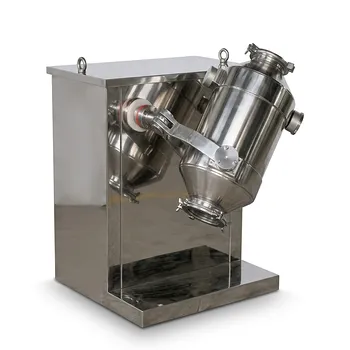
Three-Dimensional Motion Mixer for Laboratory Powder and Granule Blending
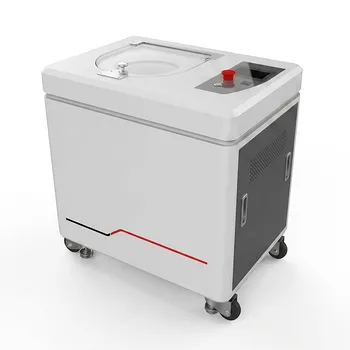
非介入式材料均质机真空脱泡行星搅拌高粘度混合设备
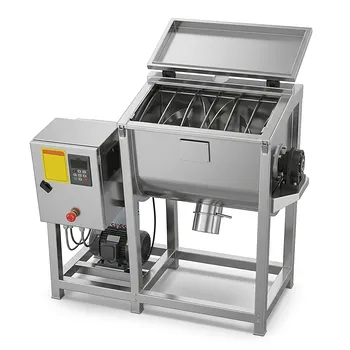
Horizontal Ribbon Mixer for Uniform Powder and Slurry Mixing
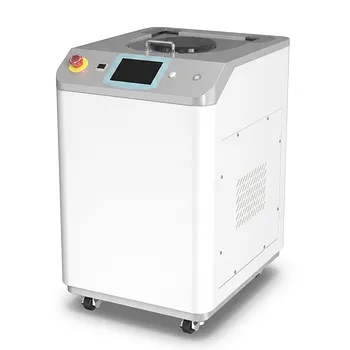
High Viscosity Planetary Centrifugal Mixing and Vacuum Defoaming Machine for Laboratory Material Preparation
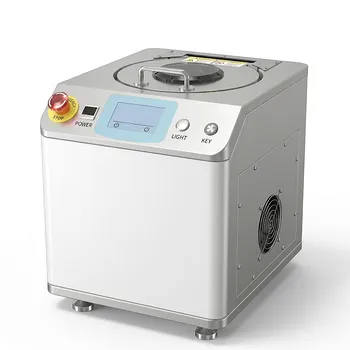
High Efficiency Vacuum Planetary Centrifugal Mixer and Defoaming Machine for Industrial Material Research and Precise Laboratory Powder Dispersion
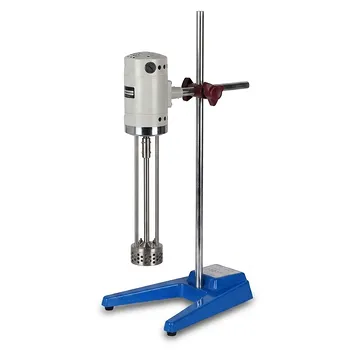
High Shear Laboratory Emulsifier for Mixing and Homogenization
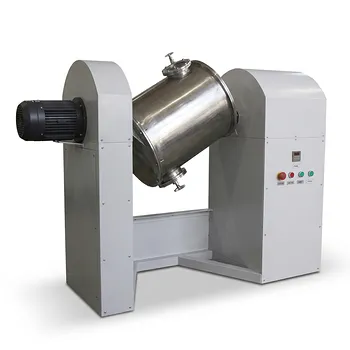
Inclined Mixer for Homogeneous Powder Blending and Grinding
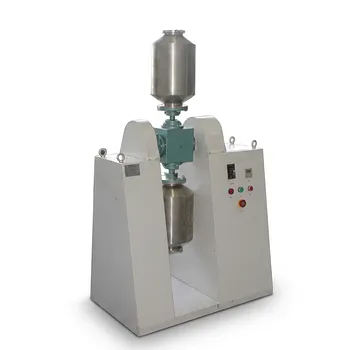
Multi Dimensional Universal Mixer for High Uniformity Powder Blending
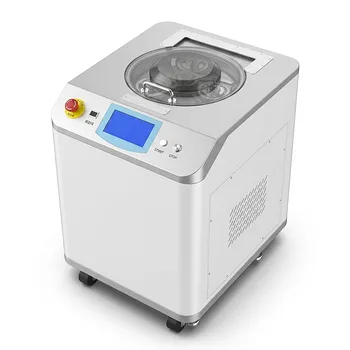
Dual Cup Vacuum Centrifugal Mixer Planetary Paste Defoaming Machine Industrial Material Processor
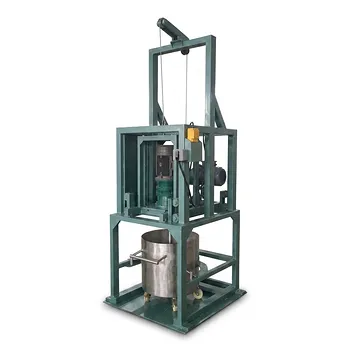
High-Speed Simple Disperser for Efficient Mixing, Dispersion, and Emulsification
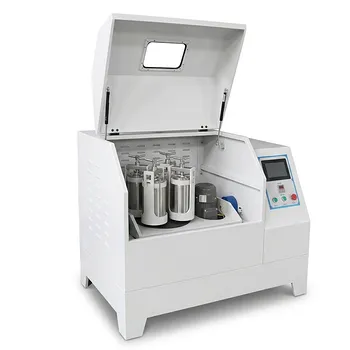
360° Rotating Omnidirectional Laboratory Planetary Ball Mill for Homogeneous Ultra-Fine Grinding and Mixing
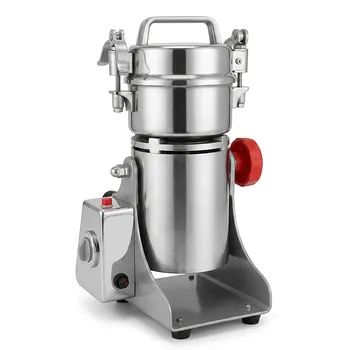
Industrial High Speed Small Sample Pulverizer Swing Type Laboratory Grinder for Powder Processing
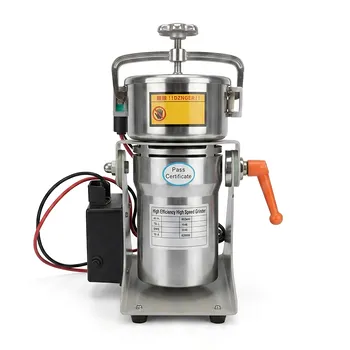
High Efficiency High Speed Grinder Laboratory Mill 1300W 25000rpm
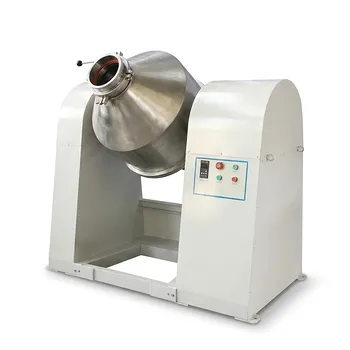
Industrial Double Cone Mixer for Powder Blending and Homogeneous Mixing
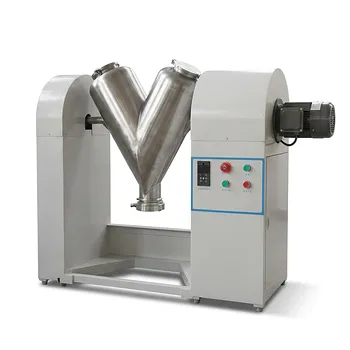
V-Type Powder Mixer for Uniform Blending of Dry Powders and Granules
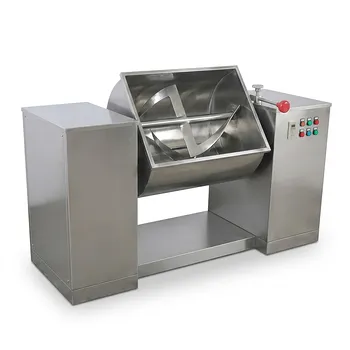
Horizontal Trough Mixer for Uniform Powder and Paste Blending
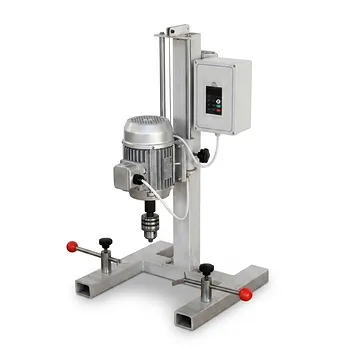
Laboratory Disperser and Sand Mill for Grinding Dispersing Emulsifying
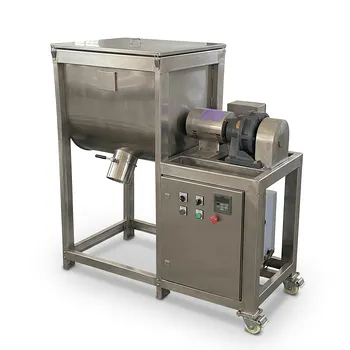
Horizontal Ribbon Mixer for Dry Powder and Slurry Blending
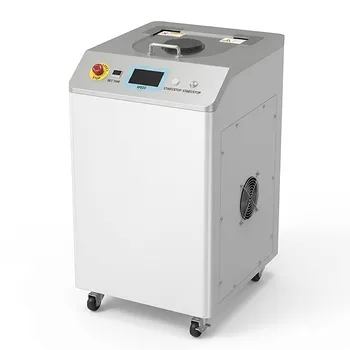
High Viscosity Planetary Centrifugal Vacuum Mixer for Material Defoaming and Uniform Mixing