What are the functions of laboratory standard sieves and three-dimensional mixers in drug-polymer mixture prep?
Updated 5 months ago
Laboratory standard sieves and three-dimensional mixers serve as the critical foundation for material uniformity in pharmaceutical formulations. Sieves are primarily used for de-clumping and normalizing particle size distribution, while three-dimensional mixers ensure a highly uniform, low-energy distribution of the drug within the polymer matrix. Together, they create a stable, homogenous feedstock essential for downstream thermal processing or mechanical compaction.
The preparation of drug-polymer mixtures requires a two-stage approach: first, neutralizing raw material inconsistencies through sieving, and second, achieving spatial homogeneity via multi-axis tumbling. This sequence ensures that the active pharmaceutical ingredient (API) is evenly distributed without introducing thermal stress or material degradation.
The Role of Laboratory Standard Sieves
Eliminating Material Agglomerates
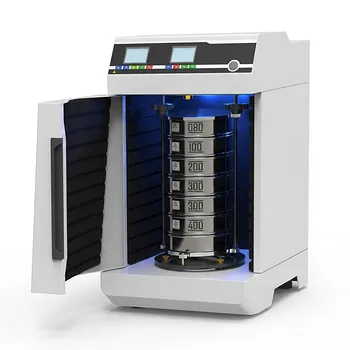
During storage and transport, raw drug and polymer powders often form clumps or agglomerates due to moisture or static. Laboratory standard sieves act as the first line of defense, physically breaking these clusters to ensure the materials are in a flowable, individual-particle state.
Normalizing Particle Size Distribution
Consistency in particle size is a prerequisite for a stable mixture. Sieving allows operators to achieve a consistent particle size distribution, which prevents larger particles from "stratifying" or settling differently than smaller particles during the subsequent mixing phase.
The Mechanics of Three-Dimensional Mixing
Achieving High Homogeneity through Spatial Tumbling
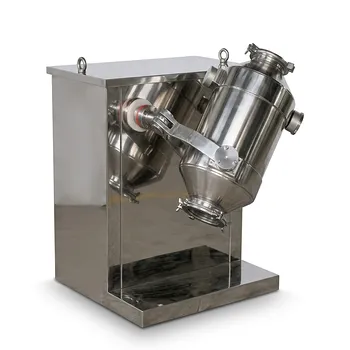
Three-dimensional mixers utilize a unique multi-axis motion that tumbles the material through space rather than simply stirring it. This motion facilitates a highly uniform, random distribution of the drug powder within the polymer carrier, eliminating "dead spots" where the drug might be too concentrated or absent.
Preserving Stability via Low-Energy Mixing
Unlike high-shear mixers, 3D mixers operate using low-energy dynamics that do not generate additional heat. This is a critical advantage when working with heat-sensitive APIs or polymers, as it preserves the chemical integrity of the components before they reach the thermal processing stage.
Downstream Impact on Product Quality
Providing a Consistent Feedstock
The primary goal of using these tools is to create a consistent feedstock for processes like hot-melt extrusion or injection molding. A well-mixed physical blend ensures that the output of these thermal processes remains chemically and physically uniform throughout the production run.
Enhancing Analytical Accuracy
Homogeneity achieved through 3D mixing is essential for non-destructive testing methods, such as Terahertz spectroscopy. When components like microcrystalline cellulose and APIs are perfectly distributed, it ensures accurate readings and uniform pore distribution during the final compaction of the drug product.
Understanding the Trade-offs
Low-Energy vs. High-Shear Dynamics
While 3D mixers are excellent for preserving material integrity, they may require longer processing times to achieve homogeneity in highly cohesive powders. In cases where particles are significantly "sticky," low-energy tumbling may need to be supplemented with other de-clumping techniques.
Sieve Loading and Mesh Integrity
Overloading a sieve can lead to "blinding," where particles clog the mesh and prevent proper separation. Additionally, the mechanical stress of sieving must be balanced; excessive force can lead to unintended particle size reduction, altering the intended surface area-to-volume ratio of the powder.
Making the Right Choice for Your Goal
How to Apply This to Your Project
- If your primary focus is thermal stability: Prioritize 3D mixing to ensure high homogeneity without the risk of heat-induced degradation before the actual processing begins.
- If your primary focus is dosage accuracy: Ensure rigorous sieving protocols are in place to eliminate agglomerates that could cause "spikes" of API concentration in small dosage forms.
- If your primary focus is analytical validation: Use 3D mixing to provide the random component distribution necessary for reliable Terahertz spectroscopy and other non-destructive testing.
Mastering these initial preparation steps is the most effective way to ensure the long-term quality and clinical efficacy of a drug-polymer product.
Summary Table:
| Equipment Type | Primary Function | Key Benefit for Pharmaceutical Mixtures |
|---|---|---|
| Laboratory Standard Sieves | De-clumping & size normalization | Eliminates API agglomerates; ensures consistent dosage accuracy. |
| 3D Mixers | Multi-axis spatial tumbling | Achieves high homogeneity without heat-induced material degradation. |
| Sieve Shakers | Automated particle separation | Provides repeatable, standardized particle size distributions. |
| Downstream Goal | Consistent feedstock prep | Optimized for hot-melt extrusion, injection molding, and compaction. |
Optimize Your Material Prep with Precision Laboratory Solutions
Achieving the perfect drug-polymer physical mixture requires high-performance equipment designed for consistency and stability. We provide complete laboratory sample preparation solutions for material science, specializing in advanced powder processing and compaction equipment.
Our extensive product range supports every stage of your workflow:
- Powder Processing: Sieve shakers (vibratory/air-jet), crushers (jaw/roll), liquid nitrogen cryogenic grinders, and various mills (planetary ball, jet, sand, disc, rotor).
- Uniform Mixing: High-efficiency powder mixers and vacuum defoaming mixers.
- Precision Compaction: A full spectrum of hydraulic presses, including Cold/Warm Isostatic Presses (CIP/WIP), standard lab presses, XRF pellet presses, and vacuum hot presses.
Whether you are refining pharmaceutical formulations or developing advanced materials, our expertise ensures superior feedstock quality and analytical accuracy.
Contact our technical experts today to find the ideal solution for your laboratory’s specific requirements!
References
- Justin S. LaFountaine, Robert O. Williams. Thermal Processing of PVP- and HPMC-Based Amorphous Solid Dispersions. DOI: 10.1208/s12249-015-0417-7
Mentioned Products
- Three-Dimensional Motion Mixer for Laboratory Powder and Granule Blending
- Laboratory Dry and Wet Three Dimensional Vibratory Sieve Shaker for Particle Analysis
- 三维电磁微量振动筛分仪
- High Frequency Wet Three-Dimensional Vibrating Sieve Shaker for Dry and Wet Particle Size Analysis
- Dry Three Dimensional Vibratory Sieve Shaker
People Also Ask
- Why is a 3D Motion Mixer employed when preparing binary powder mixtures for tableting? Achieve Superior Homogeneity
- What role does an industrial 3D mixer play in the preparation of diamond tool segment raw materials? Achieve Homogeneity
- What is the role of a 3D mixer in Ti2SnC synthesis? Optimize Precursor Homogeneity for High-Purity MAX Phases
- How does a 3D mixer with tungsten balls contribute to magnesium composite mixing? Achieve Superior Macro-Homogeneity
- What are the advantages of using a 3D powder mixer? Boost Tablet Consistency with Advanced Mixing Technology

Tech Team · PowderPreparation
Last updated on May 14, 2026
Related Products
Three-Dimensional Motion Mixer for Laboratory Powder and Granule Blending
Laboratory Dry and Wet Three Dimensional Vibratory Sieve Shaker for Particle Analysis
三维电磁微量振动筛分仪
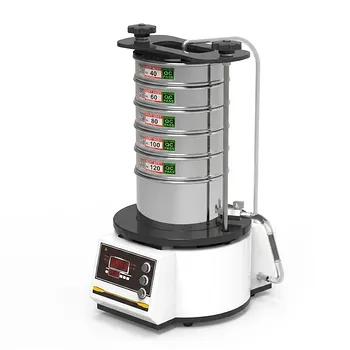
High Frequency Wet Three-Dimensional Vibrating Sieve Shaker for Dry and Wet Particle Size Analysis
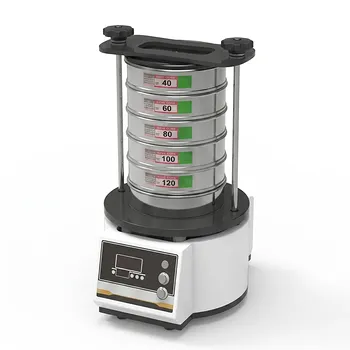
Dry Three Dimensional Vibratory Sieve Shaker
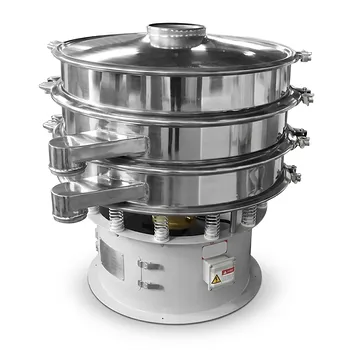
Three Dimensional Rotary Vibrating Sieve
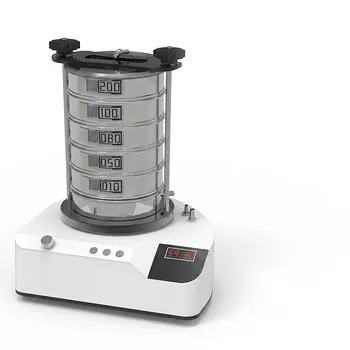
Heavy Duty Dry Three Dimensional Vibratory Sieve Shaker for Particle Separation
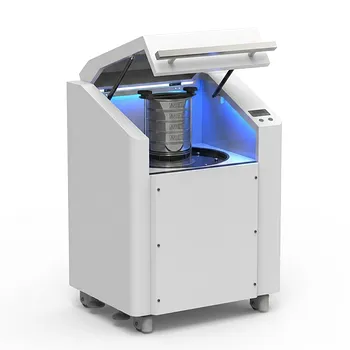
High Frequency Cabinet Type Three-Dimensional Rotary Vibrating Sieve Shaker for Dry Sieving and Particle Classification
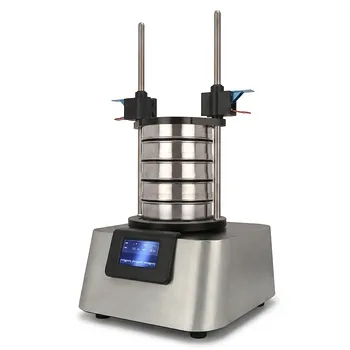
Vibratory Sieve Shaker Electromagnetic 3D Motion Powder Particle Size Analyzer for Dry and Wet Sieving
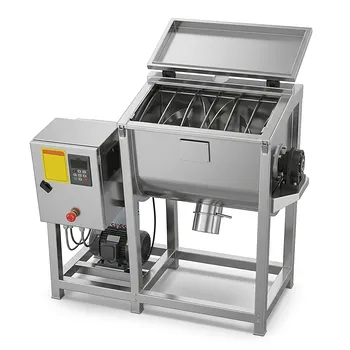
Horizontal Ribbon Mixer for Uniform Powder and Slurry Mixing
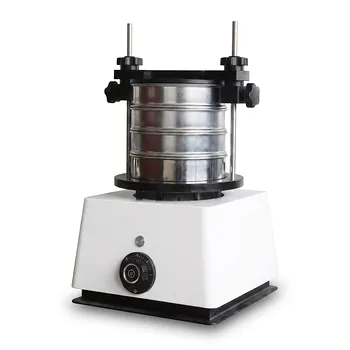
Small Laboratory Vibrating Sieve Shaker for Precise Particle Size Analysis
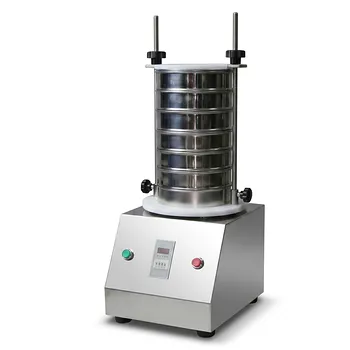
Small Laboratory Vibratory Sieve Shaker for Powder Gradation and Particle Size Analysis
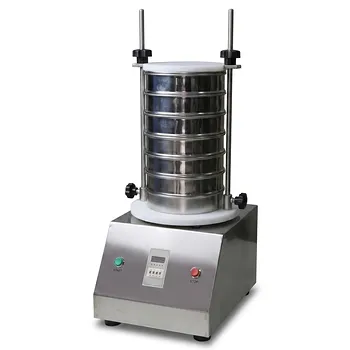
Laboratory Vibratory Test Sieve Shaker for Precision Particle Size Analysis and Powder Grading
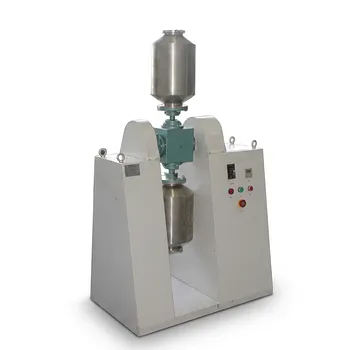
Multi Dimensional Universal Mixer for High Uniformity Powder Blending
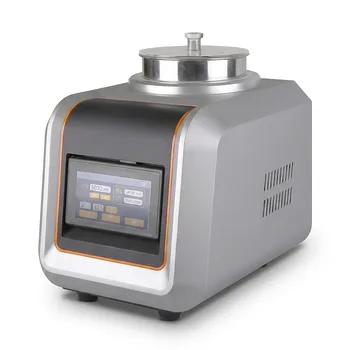
Laboratory Air Jet Sieving Machine for Fine Powder Particle Size Analysis and Deagglomeration
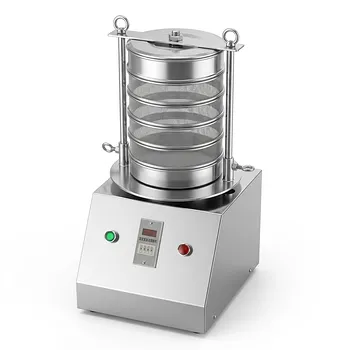
Stainless Steel Laboratory Vibratory Test Sieve Shaker
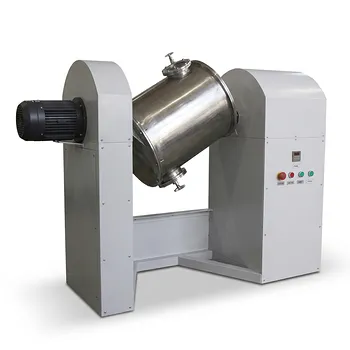
Inclined Mixer for Homogeneous Powder Blending and Grinding
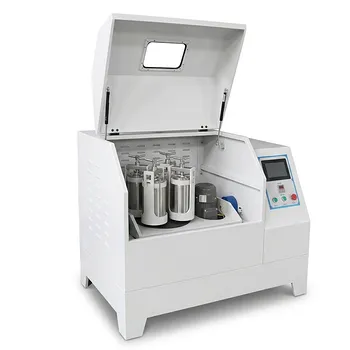
360° Rotating Omnidirectional Laboratory Planetary Ball Mill for Homogeneous Ultra-Fine Grinding and Mixing
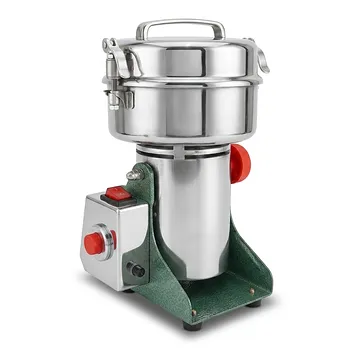
Small High-Speed Laboratory Grinder for Powder Processing