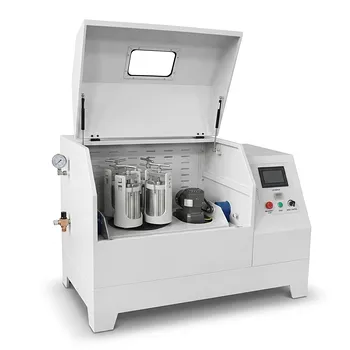
What is the function of laboratory milling equipment in Sc2SnC synthesis? Achieve High-Purity MAX Phase Ceramics
Updated 5 months ago
The primary function of laboratory milling equipment in $Sc_2SnC$ MAX phase synthesis is to achieve a microscopically uniform distribution of scandium, tin, and graphite powders within the $NaCl-KCl$ molten salt medium. This mechanical mixing ensures that the salt flux completely encapsulates each reactant particle upon melting, which is essential for accelerating the mass transfer process during high-temperature reactions.
Laboratory milling equipment serves as the critical bridge between raw material preparation and successful chemical synthesis by ensuring deep homogenization at a microscopic scale. This uniform spatial distribution prevents localized compositional deviations and optimizes the reaction kinetics required to form high-purity $Sc_2SnC$.
Achieving Microscopic Homogeneity
Ensuring Uniform Particle Distribution
Laboratory milling utilizes mechanical force to blend scandium, tin, and graphite powders into a homogeneous matrix. This process prevents the "clumping" of individual elements, ensuring that the stoichiometric ratios required for $Sc_2SnC$ are maintained throughout the entire volume of the mixture.
Facilitating Flux Encapsulation
The inclusion of $NaCl-KCl$ (sodium chloride and potassium chloride) acting as a molten salt medium requires intimate contact with the reactants before heating begins. Proper milling ensures that when the salt reaches its melting point, it immediately surrounds every reactant particle, creating an ideal environment for the reaction to occur.
Optimization of Reaction Kinetics
Accelerating Mass Transfer
In MAX phase synthesis, the speed at which atoms move and react is limited by diffusion distances. By achieving a microscopic distribution through milling, the diffusion paths for scandium, tin, and carbon are significantly shortened, which accelerates the overall mass transfer process during the thermal cycle.
Preventing Localized Impurities
Without intensive mechanical mixing, "pockets" of high-concentration reactants can lead to the formation of undesirable secondary phases or binary carbides. Milling establishes the foundation for a stable stoichiometric reaction, ensuring that the final ceramic possesses a consistent microstructure and the intended material properties.
Understanding the Trade-offs
The Risk of Media Contamination
While prolonged milling improves homogeneity, it also increases the risk of impurity introduction from the milling jars and balls. If the milling media wears down, foreign elements like alumina or stainless steel can integrate into the powder, potentially compromising the phase purity of the $Sc_2SnC$.
Balancing Energy and Particle Size
High-energy milling can refine particles to the micrometer scale, which increases reaction activity and may lower synthesis temperatures. However, excessive milling can lead to powder agglomeration or unwanted "cold welding," where particles stick together rather than dispersing, effectively reversing the benefits of the mixing stage.
How to Apply This to Your Project
Optimizing the Mixing Phase
To ensure the highest quality synthesis of $Sc_2SnC$ MAX phase ceramics, the milling process must be tailored to the specific needs of the molten salt method.
- If your primary focus is phase purity: Utilize high-purity milling media (such as zirconia or the same material as the reaction vessel) to minimize the introduction of secondary metallic or oxide impurities.
- If your primary focus is reaction efficiency: Focus on achieving the finest possible particle size distribution to maximize the surface area contact between the reactants and the $NaCl-KCl$ flux.
- If your primary focus is scalability: Standardize milling durations and speeds to ensure consistent "green body" preparation, which leads to predictable results across multiple batches.
Mastering the homogenization of raw powders and flux is the most critical step in ensuring the structural and chemical integrity of the final $Sc_2SnC$ ceramic.
Summary Table:
| Key Function | Benefit to Sc2SnC Synthesis | Critical Optimization Requirement |
|---|---|---|
| Microscopic Homogenization | Prevents clumping; ensures stoichiometric ratios | Precision speed and duration control |
| Flux Encapsulation | Facilitates immediate contact with molten salt | Uniform blending of NaCl-KCl powders |
| Kinetic Acceleration | Shortens diffusion paths for Sc, Sn, and C | Achieving optimal micrometer particle size |
| Impurity Prevention | Minimizes formation of secondary binary phases | Use of high-purity media (e.g., Zirconia) |
Elevate Your Material Synthesis with Professional Preparation Solutions
Achieving the perfect Sc2SnC MAX phase requires more than just a recipe—it demands precision at the microscopic level. At [Brand Name], we provide complete laboratory sample preparation solutions tailored for advanced material science.
Our specialized equipment range is designed to support every stage of your powder metallurgy workflow:
- Powder Processing: High-performance planetary ball mills, jet mills, and rotor mills for achieving microscopic homogeneity.
- Mixing & De-aeration: Advanced powder and defoaming mixers to ensure uniform flux distribution.
- Compaction & Sintering: A full spectrum of hydraulic presses, including Cold/Warm Isostatic Presses (CIP/WIP), vacuum hot presses, and standard lab presses for high-density pellet preparation.
- Size Analysis: Vibratory and air-jet sieve shakers for precise particle size characterization.
Ready to optimize your synthesis kinetics and ensure phase purity? Our experts are here to help you select the right equipment for your research goals.
Contact Us Today to Request a Quote
References
- Youbing LI, Qing HUANG. Molten Salt Synthesis of Nanolaminated Sc<sub>2</sub>SnC MAX Phase. DOI: 10.15541/jim20200529
Mentioned Products
- Multi Dimensional Universal Mixer for High Uniformity Powder Blending
- V-Type Powder Mixer for Uniform Blending of Dry Powders and Granules
- Inclined Mixer for Homogeneous Powder Blending and Grinding
- Horizontal Trough Mixer for Uniform Powder and Paste Blending
- Industrial Double Cone Mixer for Powder Blending and Homogeneous Mixing
People Also Ask
- What is the role of a multi-dimensional powder mixer in the preparation of Ce-TZP ceramics? Optimize Homogenization
- What is the importance of using a high-efficiency powder mixer when preparing sand and soil mixtures? Accurate Results.
- What is the role of a powder mixer in SiC mechanical seal ring production? Ensure Homogeneity and Structural Integrity
- Why is high-uniformity powder mixing essential for antibacterial ceramic glazes? Ensure Consistent Bioactive Protection
- How do powder mixers and additives influence ZTA ceramics? Optimize microstructure for superior toughness and density

Tech Team · PowderPreparation
Last updated on May 14, 2026
Related Products
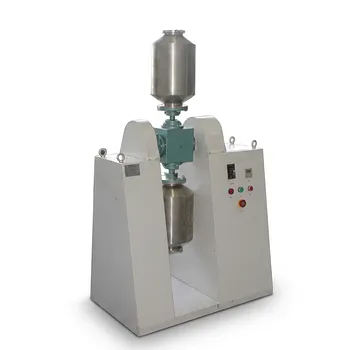
Multi Dimensional Universal Mixer for High Uniformity Powder Blending
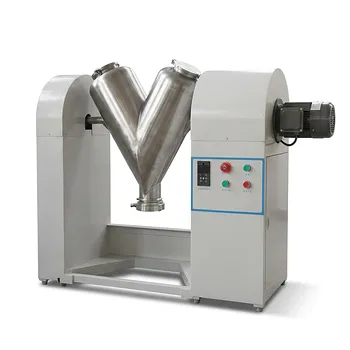
V-Type Powder Mixer for Uniform Blending of Dry Powders and Granules
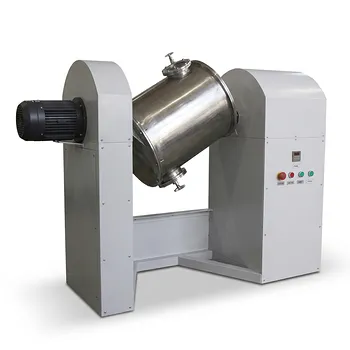
Inclined Mixer for Homogeneous Powder Blending and Grinding
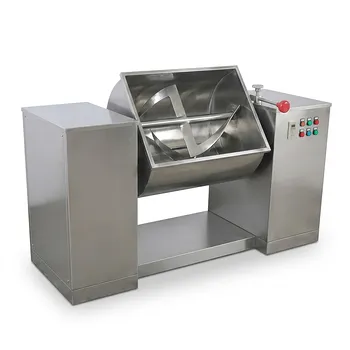
Horizontal Trough Mixer for Uniform Powder and Paste Blending
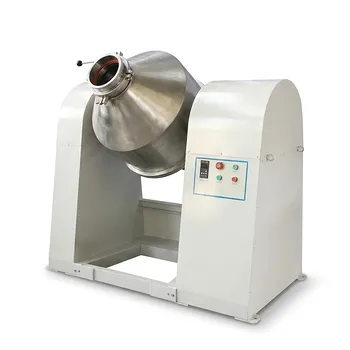
Industrial Double Cone Mixer for Powder Blending and Homogeneous Mixing
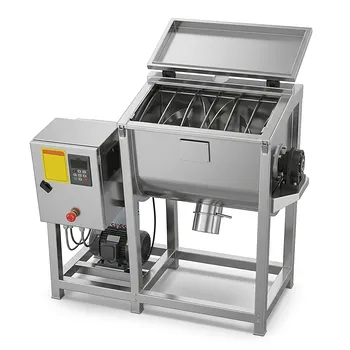
Horizontal Ribbon Mixer for Uniform Powder and Slurry Mixing
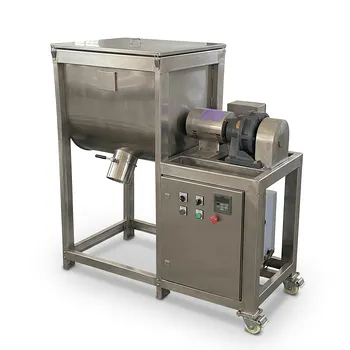
Horizontal Ribbon Mixer for Dry Powder and Slurry Blending
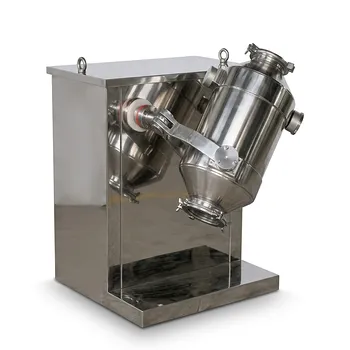
Three-Dimensional Motion Mixer for Laboratory Powder and Granule Blending
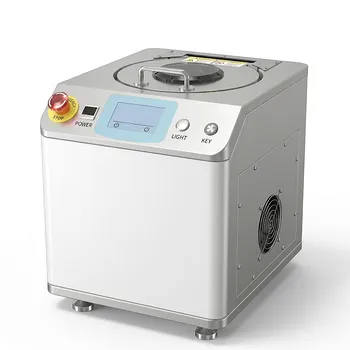
High Efficiency Vacuum Planetary Centrifugal Mixer and Defoaming Machine for Industrial Material Research and Precise Laboratory Powder Dispersion
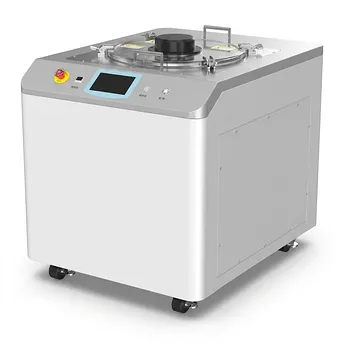
Industrial Planetary Centrifugal Vacuum Defoaming Mixer for High Viscosity Paste and Powder Homogenization
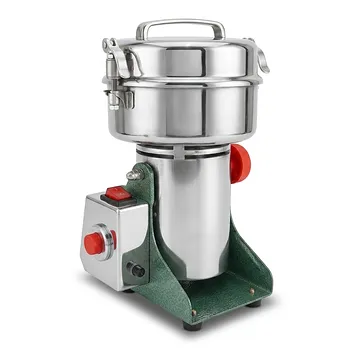
Small High-Speed Laboratory Grinder for Powder Processing
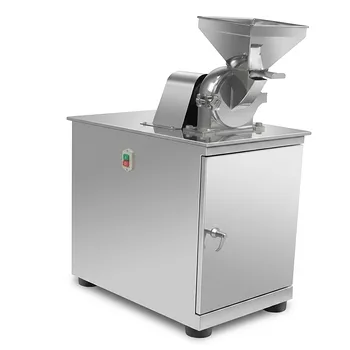
Universal Laboratory Pulverizer Grinder for Small Batch Powder Processing and Material Science Research
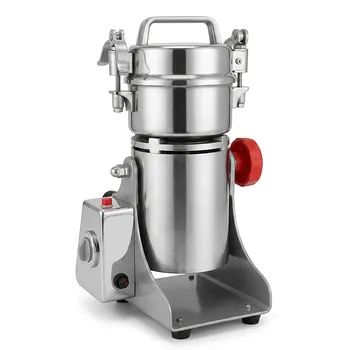
Industrial High Speed Small Sample Pulverizer Swing Type Laboratory Grinder for Powder Processing
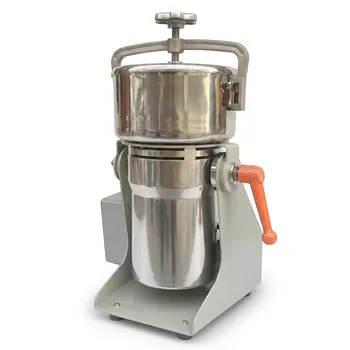
High Speed Laboratory Grinder Efficient Stainless Steel Powder Pulverizer Universal Material Science Mill for Sample Preparation
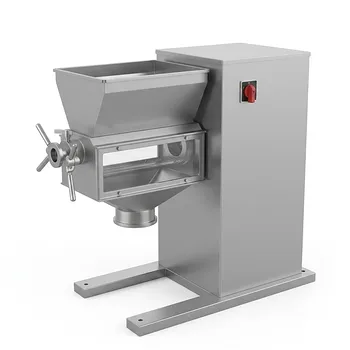
Industrial Swing Granulator for Powder Processing in Pharma Food and Chemical Industries
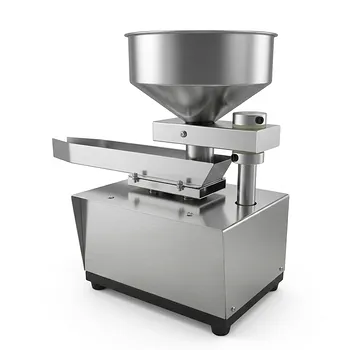
Automatic Vibrating Powder Feeder for Laboratory Material Processing Precision Vibratory Hopper Feeder for Granular and Powder Material Handling Industrial Grade Vibrating Tray Feeder for Consistent Material Sample Preparation
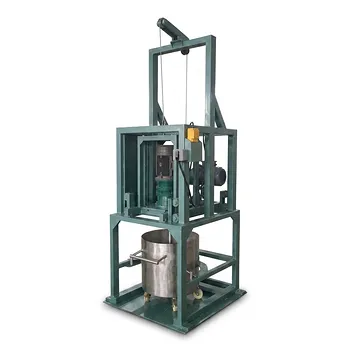
High-Speed Simple Disperser for Efficient Mixing, Dispersion, and Emulsification
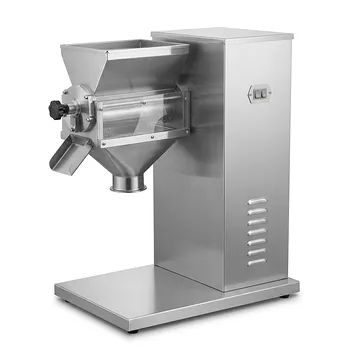
Small Swing Granulator Efficient Powder Granulation for Pharmaceutical Chemical Food Industries
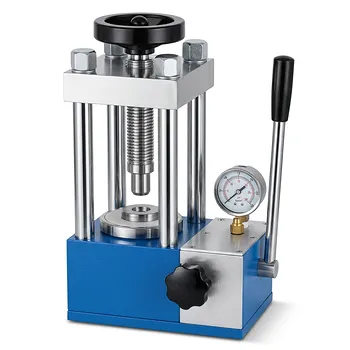
Manual Tablet Press with Dual Scale Pressure Gauge for Pharmaceutical Food Chemical Laboratory Sample Preparation