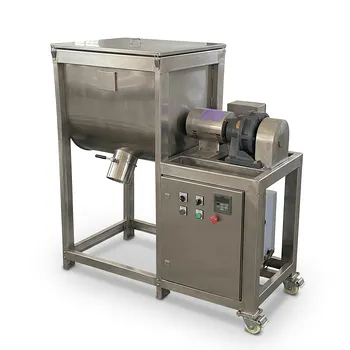
What is the function of a laboratory powder mixer in the development of composite flour formulations? Ensure Precision
Updated 5 months ago
The primary function of a laboratory powder mixer is to ensure a high degree of physical and chemical uniformity between a base matrix—such as wheat flour—and various additives or alternative flours. By providing continuous mechanical shear or complex spatial motion, the mixer eliminates local compositional bias and ensures that the final composite flour maintains consistent properties for rheological testing and baking experiments.
A laboratory powder mixer transforms a collection of disparate ingredients into a statistically homogeneous matrix, where any small sample reflects the bulk composition. This homogenization is the prerequisite for scientific repeatability, ensuring that variations in test results stem from the formulation itself rather than improper blending.
Achieving Physical and Chemical Homogeneity
Eliminating Local Compositional Bias
In composite flour development, additives like Amaranth seed powder or sweet potato powder are often introduced in small proportions (typically 5% to 20%). Without a dedicated mixer, these additives can cluster, leading to "pockets" of high concentration that skew nutritional and physical analysis.
A laboratory mixer ensures that these materials from different sources and with different physical characteristics are distributed evenly throughout the wheat flour framework. This produces a mixture where the composition at any sampling point matches the overall bulk composition within a very narrow variance.
Microscopic Distribution and Coating
Beyond simple blending, efficient mixers provide the mechanical shear necessary to distribute fine-grained additives and functional ingredients at a microscopic level. This process can include coating particles with lubricants or oils, such as monoglycerides or olive oil, which significantly improves the flowability of the powder.
Uniform distribution at this scale ensures that "embedded" components, such as fermented sorghum or soybean powders, interact correctly with the moisture and proteins in the base flour. This prevents component segregation during handling or storage.
Ensuring Scientific Validity and Repeatability
Impact on Rheological Testing
The accuracy of rheological tests—which measure how dough deforms and flows—depends entirely on the uniformity of the flour sample. If the powder is not perfectly blended, water absorption rates and dough stability measurements will fluctuate wildly between tests.
Properly mixed composite flour ensures that water is absorbed consistently across the entire batch. This consistency allows researchers to isolate the effects of the additive on the dough's gluten network without interference from mixing errors.
Consistency in Final Product Quality
The internal structure of baked goods, such as bread or artificial rice, is directly influenced by the homogeneity of the dry mix. Segregation of components can lead to structural defects, localized weakening of the crumb, or inconsistent crumb color.
By achieving macroscopic and microscopic homogenization, the mixer ensures that the final product's mechanical performance and nutritional distribution are reliable. This is essential for comparative studies where the goal is to evaluate the impact of specific ingredient ratios.
Understanding the Trade-offs and Pitfalls
The Risk of Excessive Shear
While mechanical shear is necessary to break down agglomerates, excessive mixing can inadvertently alter the physical properties of the ingredients. High-shear rotors or prolonged mixing times can generate heat, potentially damaging heat-sensitive nutrients or prematurely altering starch granules.
Segregation and Particle Size Disparity
If the particle sizes of the base flour and the additive differ significantly, "de-mixing" or segregation can occur during or after the mixing process. It is critical to select a mixer—such as a three-dimensional rocking mixer—that can handle density and size differences without requiring mechanical alloying or altering the original grain size.
Material Loss in Small-Scale Batches
Laboratory mixers must be designed to minimize material loss, especially when working with expensive or limited-quantity functional additives. Choosing a mixer with high precision but poor recovery rates can lead to a "sampling error" where the final ratio of the mixture is different from the intended formulation.
How to Apply This to Your Development Process
To achieve the best results in your composite flour research, your choice of mixing strategy should align with your specific experimental goals.
- If your primary focus is rheological accuracy: Prioritize an electronic mixer that provides continuous shear to ensure uniform water absorption and dough stability.
- If your primary focus is maintaining ingredient integrity: Use a three-dimensional rocking mixer to achieve macroscopic distribution without generating heat or altering grain sizes.
- If your primary focus is functional additive performance: Ensure the mixer is capable of microscopic homogenization to properly coat particles with oils or lubricants for improved flow.
By standardizing your mixing protocol, you ensure that every subsequent test is a true reflection of your formulation's potential.
Summary Table:
| Key Function | Core Benefit | Practical Application |
|---|---|---|
| Homogenization | Eliminates local compositional bias | Distributing additives (5-20%) evenly in a base matrix. |
| Microscopic Distribution | Prevents component segregation | Coating particles with lubricants/oils for better flowability. |
| Rheological Validity | Ensures testing repeatability | Consistent water absorption for accurate dough stability data. |
| Quality Control | Uniform final product structure | Preventing structural defects and inconsistent crumb color in baking. |
Elevate Your Material Research with Precision Mixing Solutions
Achieving perfect homogeneity is the foundation of scientific repeatability. At [Brand Name], we provide complete laboratory sample preparation solutions for material science, specializing in high-performance powder processing and compaction equipment.
Our extensive product lines are designed to meet the rigorous demands of food science and material research, including:
- Powder Processing: Advanced powder mixers, defoaming mixers, and high-efficiency mills (planetary ball, jet, sand/bead, disc, rotor).
- Size Reduction: Crushers (jaw/roll), liquid nitrogen cryogenic grinders, and precision sieve shakers (vibratory/air-jet).
- Compaction Equipment: A full spectrum of hydraulic presses, including Cold/Warm Isostatic Presses (CIP/WIP), standard lab presses, XRF pellet presses, and vacuum hot presses.
Whether you are developing composite flours or advanced ceramic powders, our equipment ensures your formulations are consistent, reliable, and ready for analysis.
Ready to optimize your lab's workflow? Contact our expert team today to find the perfect equipment for your application!
References
- Ionica Coțovanu, Silvia Mironeasa. Effects of molecular characteristics and microstructure of amaranth particle sizes on dough rheology and wheat bread characteristics. DOI: 10.1038/s41598-022-12017-7
Mentioned Products
- Multi Dimensional Universal Mixer for High Uniformity Powder Blending
- High Efficiency Vacuum Planetary Centrifugal Mixer and Defoaming Machine for Industrial Material Research and Precise Laboratory Powder Dispersion
- Three-Dimensional Motion Mixer for Laboratory Powder and Granule Blending
- Horizontal Ribbon Mixer for Uniform Powder and Slurry Mixing
- High Speed Laboratory Powder Grinder Small Batch Sample Preparation Mill
People Also Ask
- What is the role of a multi-dimensional powder mixer in the preparation of Ce-TZP ceramics? Optimize Homogenization
- What is the importance of using a high-efficiency powder mixer when preparing sand and soil mixtures? Accurate Results.
- What is the role of a powder mixer in SiC mechanical seal ring production? Ensure Homogeneity and Structural Integrity
- Why is high-uniformity powder mixing essential for antibacterial ceramic glazes? Ensure Consistent Bioactive Protection
- How do powder mixers and additives influence ZTA ceramics? Optimize microstructure for superior toughness and density

Tech Team · PowderPreparation
Last updated on May 14, 2026
Related Products
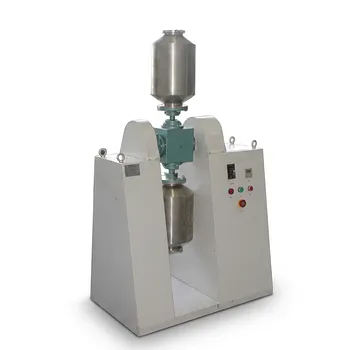
Multi Dimensional Universal Mixer for High Uniformity Powder Blending
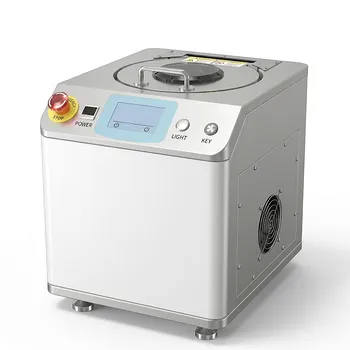
High Efficiency Vacuum Planetary Centrifugal Mixer and Defoaming Machine for Industrial Material Research and Precise Laboratory Powder Dispersion
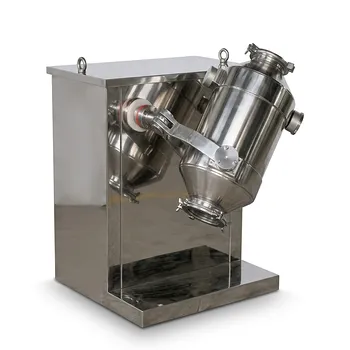
Three-Dimensional Motion Mixer for Laboratory Powder and Granule Blending
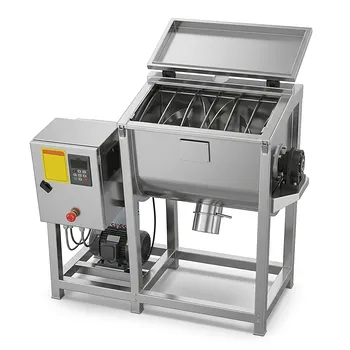
Horizontal Ribbon Mixer for Uniform Powder and Slurry Mixing
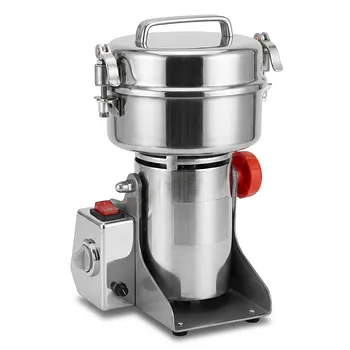
High Speed Laboratory Powder Grinder Small Batch Sample Preparation Mill
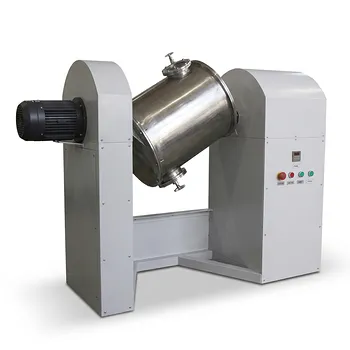
Inclined Mixer for Homogeneous Powder Blending and Grinding
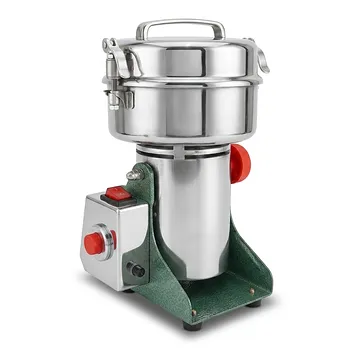
Small High-Speed Laboratory Grinder for Powder Processing
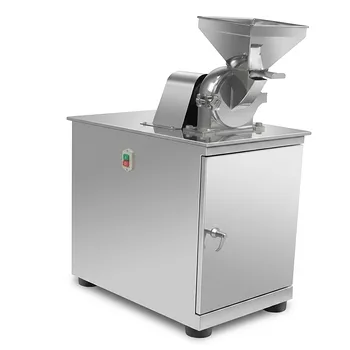
Universal Laboratory Pulverizer Grinder for Small Batch Powder Processing and Material Science Research
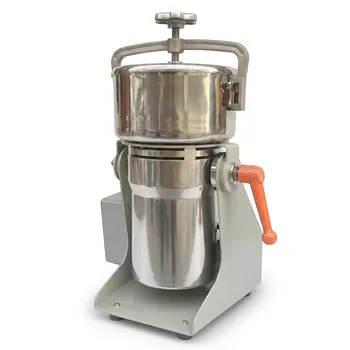
High Speed Laboratory Grinder Efficient Stainless Steel Powder Pulverizer Universal Material Science Mill for Sample Preparation
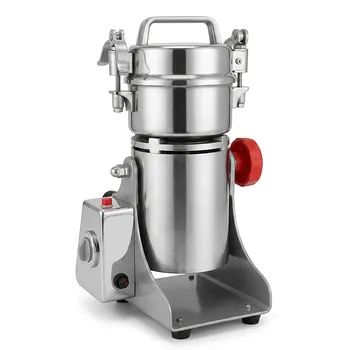
Industrial High Speed Small Sample Pulverizer Swing Type Laboratory Grinder for Powder Processing
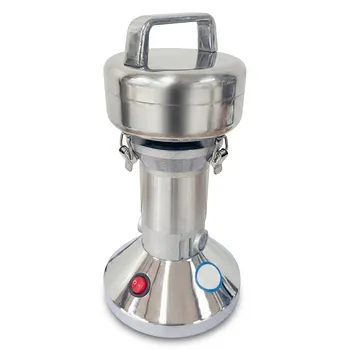
Small Trace Sample High Speed Pulverizer Grinder Laboratory Powder Mill
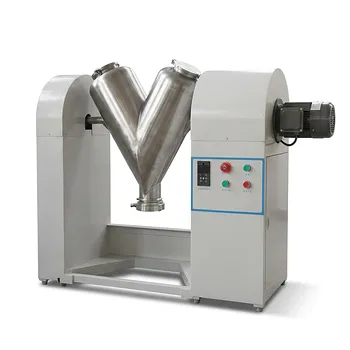
V-Type Powder Mixer for Uniform Blending of Dry Powders and Granules
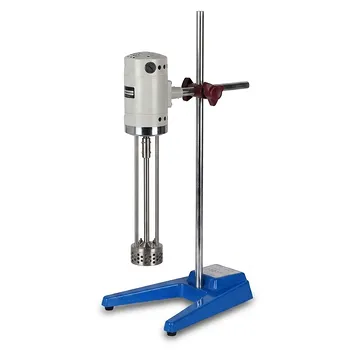
High Shear Laboratory Emulsifier for Mixing and Homogenization
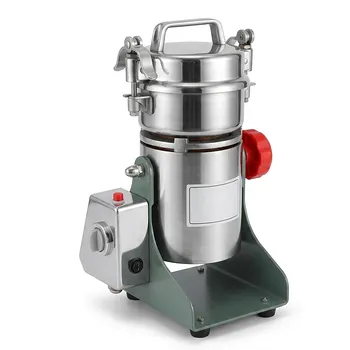
High Speed Swing Type Laboratory Pulverizer for Fine Powder Grinding and Sample Preparation
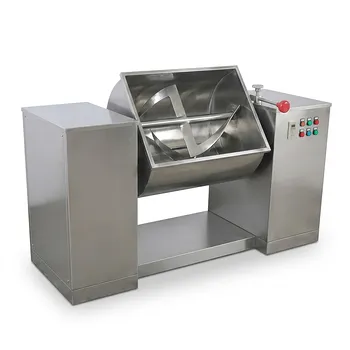
Horizontal Trough Mixer for Uniform Powder and Paste Blending
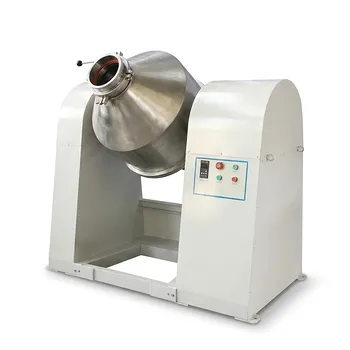
Industrial Double Cone Mixer for Powder Blending and Homogeneous Mixing
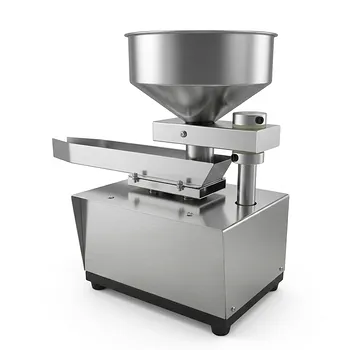
Automatic Vibrating Powder Feeder for Laboratory Material Processing Precision Vibratory Hopper Feeder for Granular and Powder Material Handling Industrial Grade Vibrating Tray Feeder for Consistent Material Sample Preparation
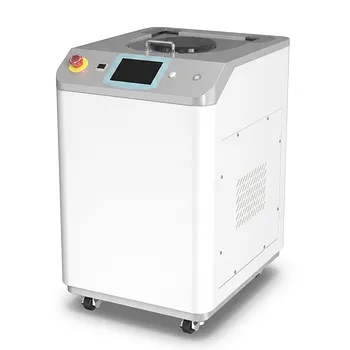
High Viscosity Planetary Centrifugal Mixing and Vacuum Defoaming Machine for Laboratory Material Preparation
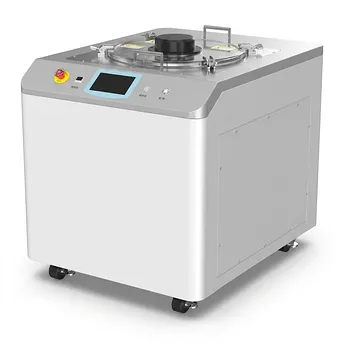
Industrial Planetary Centrifugal Vacuum Defoaming Mixer for High Viscosity Paste and Powder Homogenization