What role does a laboratory hydraulic press play in the preparation of sheep bone hydroxyapatite composite samples? Guide
Updated 4 months ago
The laboratory hydraulic press is the critical bridge between raw composite powders and structurally sound experimental specimens. It transforms loose sheep bone hydroxyapatite (HAp) mixtures into "green bodies"—dense, shaped pellets with sufficient mechanical strength for handling. By applying precise, directional pressure, the press ensures uniform density and particle rearrangement, which are essential prerequisites for successful sintering and accurate mechanical testing.
The hydraulic press provides the uniform pressure required to eliminate internal voids and create a stable "green body," ensuring that subsequent sintering results in a high-quality, defect-free bone composite.
The Transformation from Powder to Green Body
Mechanical Interlocking and Particle Rearrangement
The press applies high axial pressure—often ranging from 50 MPa to 150 MPa—to overcome internal friction between hydroxyapatite particles. This forces the particles to rearrange and interlock physically, creating a cohesive structure that can be handled without crumbling.
Precise Geometric Definition
By using high-precision stainless steel molds or cutting dies, the press ensures samples meet exact dimensions. This standardization is vital for calculating material properties like Young's modulus, hardness, and tensile strength according to international standards.
Handling Strength for Post-Processing
The compaction process gives the composite "green strength," allowing the fragile powder compact to be moved into a furnace. Without this initial mechanical stability, the sheep bone composite would lack the structural integrity to survive the transition to the sintering stage.
Optimizing Internal Structure for Sintering
Eliminating Internal Porosity and Air Bubbles
High-pressure molding expels trapped air and reduces large internal pores within the mixture. This establishes the physical foundation necessary for mass diffusion and strength development during high-temperature sintering.
Ensuring Uniform Density Gradients
Stable pressure control prevents variations in density throughout the sample volume. Uniform initial density is the foundation for predictable sintering kinetics and prevents the specimen from warping, deforming, or cracking as it shrinks in the furnace.
Enhancing Particle Contact Area
The press forces powder particles into closer proximity, significantly increasing the contact area between them. This promotes better chemical bonding and structural homogeneity in the final hydroxyapatite-zeolite or resin-filled bone implant.
Understanding the Trade-offs
The Risk of Over-Pressurization
Applying excessive pressure can lead to "lamination" or internal stress cracks within the green body. Researchers must balance high pressure for density against the structural limits of the material to avoid forming defects.
Mold and Die Maintenance
The accuracy of the sample depends heavily on the condition of the molds and the precision of the hydraulic seals. Even minor pressure fluctuations or worn mold surfaces can introduce density gradients that invalidate experimental data.
Material Springback
Some composite mixtures may experience "springback" or elastic recovery after the pressure is released. This can cause micro-cracks if the pressure is released too quickly, necessitating a controlled, precise pressure-holding and release phase.
Maximizing Sample Quality for Bone Research
Successful sample preparation requires matching the press parameters to your specific research objective.
- If your primary focus is mechanical property testing: Utilize standardized cutting dies or precision molds to ensure clean edges and exact geometries required for tensile or compression tests.
- If your primary focus is sintering behavior: Prioritize the press's pressure-holding function to achieve the highest possible uniform initial density and eliminate internal voids.
- If your primary focus is chemical homogeneity: Use the press to ensure filler and resin mixtures completely fill the mold cavity, forcing out excess air that could interfere with internal bonding.
Ultimately, the hydraulic press is the guarantor of sample repeatability, providing the stable physical foundation required for advanced biomaterial analysis.
Summary Table:
| Feature | Role of Laboratory Hydraulic Press | Benefit for Bone Composites |
|---|---|---|
| Compaction | Applies 50–150 MPa axial pressure | Creates stable, handleable "green bodies" |
| Shaping | High-precision stainless steel molds | Ensures exact geometry for mechanical testing |
| Density | Eliminates air bubbles and voids | Prevents warping and cracking during sintering |
| Structure | Increases particle contact area | Promotes chemical bonding and homogeneity |
Precision Sample Preparation for Material Science Research
Achieving structural integrity in biomaterials like sheep bone hydroxyapatite requires the right tools. At the core of high-quality research is precision equipment that ensures repeatability and performance.
We provide complete laboratory sample preparation solutions, specializing in advanced powder processing and compaction. Our extensive product line covers every stage of the workflow:
- Powder Processing: Jaw/roll crushers, liquid nitrogen cryogenic grinders, and various mills (planetary ball, jet, sand/bead, disc, rotor).
- Sizing & Mixing: Sieve shakers (vibratory/air-jet) and high-efficiency powder or defoaming mixers.
- Advanced Compaction: A full spectrum of hydraulic presses, including Cold/Warm Isostatic Presses (CIP/WIP), standard lab presses, XRF pellet presses, and vacuum hot presses.
Whether you are focusing on mechanical property testing or sintering behavior, our equipment delivers the uniform density and structural excellence your research demands.
Ready to elevate your lab's efficiency? Contact our technical experts today to find your solution!
References
- Süleyman Serdar Pazarlıoğlu. The effect of alumina additive on the properties of sheep hydroxyapatite. DOI: 10.46810/tdfd.1324471
Mentioned Products
- 6-Ton Small Single-Punch Tablet Press — Laboratory Powder & Granule Tableting Equipment / Tablet Forming Machine
- 5 Ton Single Punch Tablet Press Laboratory Small Batch Production
- Manual Tablet Press with Dual Scale Pressure Gauge for Pharmaceutical Food Chemical Laboratory Sample Preparation
- 6 Ton Variable Frequency Single Punch Tablet Press
- Laboratory Double Roll Crusher for Medium Hardness Materials Coal Ore Sample Preparation
People Also Ask
- What is the function of a laboratory press in Cr-Ti alloy evaluation? Quantify Fracture Stress & Strength
- What is the function of a laboratory press in assessing the hydrophobic performance of modified vermiculite fillers?
- What is the core function of a laboratory press in the forming of ceramic filter element green bodies? Maximize Density.
- What is the function of a laboratory press in the preparation of ceramic feed rods? Master Density and Precision
- Why is vacuum sealing and flexible packaging necessary for Aluminum Titanate powders during CIP? Ensure Peak Density

Tech Team · PowderPreparation
Last updated on Jun 03, 2026
Related Products
6-Ton Small Single-Punch Tablet Press — Laboratory Powder & Granule Tableting Equipment / Tablet Forming Machine
5 Ton Single Punch Tablet Press Laboratory Small Batch Production
Manual Tablet Press with Dual Scale Pressure Gauge for Pharmaceutical Food Chemical Laboratory Sample Preparation
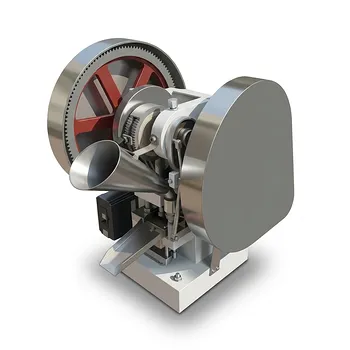
6 Ton Variable Frequency Single Punch Tablet Press
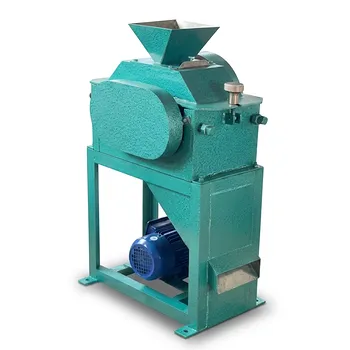
Laboratory Double Roll Crusher for Medium Hardness Materials Coal Ore Sample Preparation
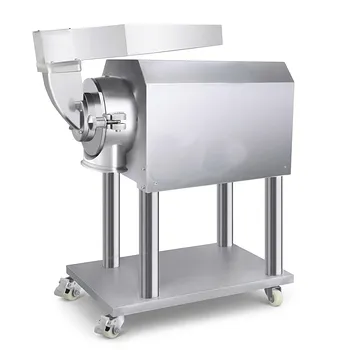
High Speed Small Laboratory Crusher for Dry Material Sample Preparation
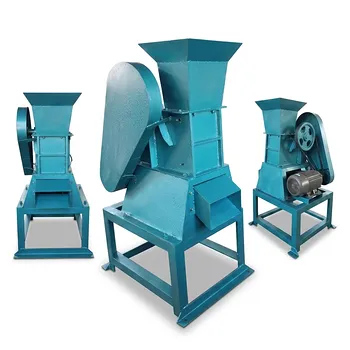
Custom Raised Height Laboratory Jaw Crusher for Precision Sample Preparation in Material Science
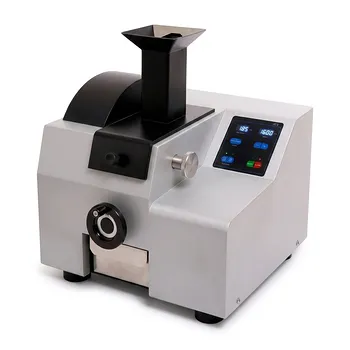
Laboratory Benchtop Jaw Crusher for Hard Brittle Materials Primary Size Reduction and Sample Preparation
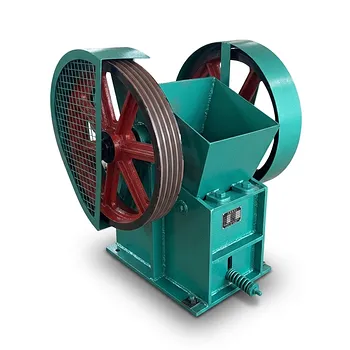
150x250mm Laboratory Jaw Crusher for Medium Hard Material Crushing and Sample Preparation
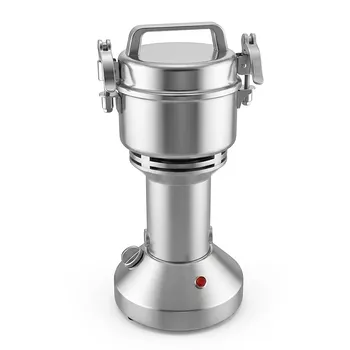
Small High Speed Upright Grinder for Laboratory Sample Preparation
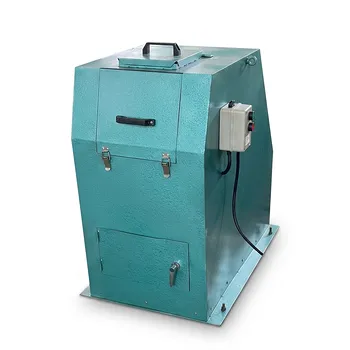
Environmentally Friendly Sealed Laboratory Jaw Crusher for Sample Preparation
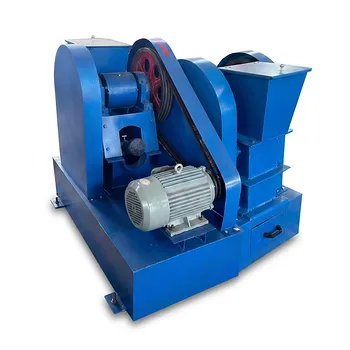
Horizontal Jaw Crusher Medium Hard Material Crushing Laboratory Sample Preparation Equipment
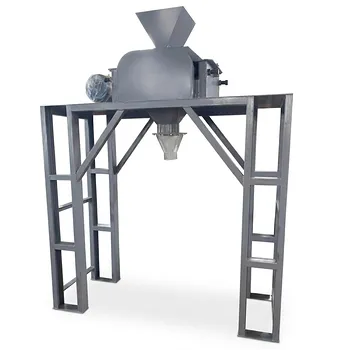
Heightened Customized Laboratory Double Roll Crusher for Coal Ore Rock Crushing
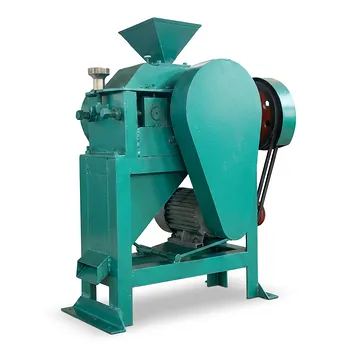
Laboratory Sealed Double Roll Crusher for Coal Ore Rock and Medium Hardness Materials Sample Preparation
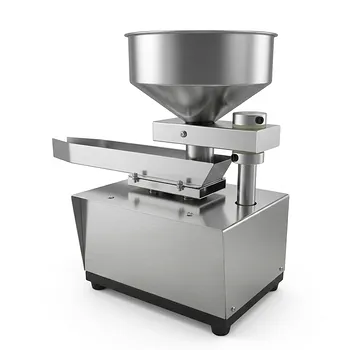
Automatic Vibrating Powder Feeder for Laboratory Material Processing Precision Vibratory Hopper Feeder for Granular and Powder Material Handling Industrial Grade Vibrating Tray Feeder for Consistent Material Sample Preparation
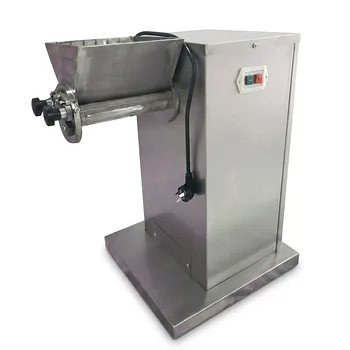
Small Laboratory Oscillating Granulator for Wet and Dry Granulation Processing
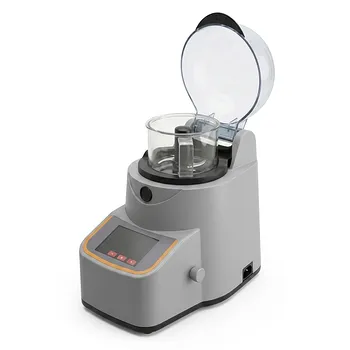
Industrial Knife Mill for Food and Biological Sample Preparation High Speed Laboratory Homogenizer
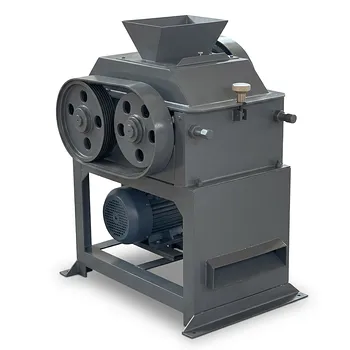
Sealed Laboratory Double Roll Crusher for Coal, Mineral, Ore Sample Preparation
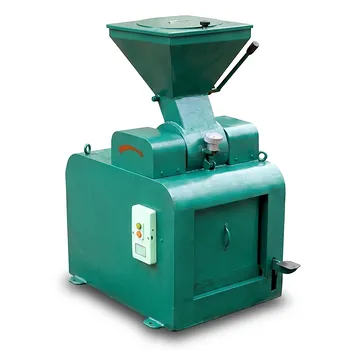
Laboratory Sealed Hammer Crushers for Coal Sample Preparation and Medium Strength Material Crushing