What role does a laboratory hydraulic press play in graphene biosensor prep? Enhance Sensitivity & Sample Integrity
Updated 3 months ago
In the fabrication of graphene-based biosensors, the laboratory hydraulic press serves as the critical tool for transforming loose composite powders into high-performance, conductive electrode sheets. By applying precise and uniform pressure, the press compacts graphene nanosheets to minimize tunneling distance, directly enabling the high electrical conductivity required for sensitive applications like cancer cell detection.
The laboratory hydraulic press ensures the structural and electrical integrity of biosensor electrodes by eliminating porosity and maximizing inter-particle contact. This precise compaction is essential for achieving the theoretical sensitivity limits necessary for reliable diagnostic performance.
Achieving Optimal Electrical Conductivity
Minimizing Tunneling Distance
The primary role of the hydraulic press is to provide the precise and uniform pressure needed to compress graphene composite powders into dense sheets. By forcing the graphene nanosheets into tight contact, the press minimizes the tunneling distance between individual particles.
Enhancing Sensitivity for Diagnostics
This reduction in tunneling distance is the mechanism that unlocks the high electrical conductivity predicted by theoretical models. For biosensors, such as those used in breast cancer cell detection, this conductivity is the foundation of high sensitivity, allowing the sensor to detect minute biological changes.
Structural Integrity and Uniformity
Elimination of Porosity and Air Gaps
A hydraulic press effectively binds powder particles together and eliminates air trapped within the composite. By removing this porosity, the press ensures a uniform internal density, which prevents random interference and ensures that the electrode's performance is consistent across its entire surface.
Strengthening Mechanical Bonds
When graphene is coated onto current collectors (like aluminum or nickel mesh), the press applies a load—often measured in tons—to enhance the mechanical bond. This compaction reduces inter-particle contact resistance, which is vital for maintaining the structural integrity of the electrode during repeated use or rapid signal processing.
Precise Molding and Dimensional Control
Beyond density, the press allows researchers to produce samples with specific dimensions and thickness. This level of control ensures that every electrode produced for a study is identical, which is a prerequisite for repeatability and accuracy in data obtained from sensitive analytical equipment.
Understanding the Trade-offs
Risk of Material Over-Compaction
While high pressure increases density, exceeding the optimal limit can cause plastic deformation or damage the delicate structure of certain composite additives. Excessive pressure may also lead to "spring-back" effects, where the material expands or cracks slightly after the load is released.
Pressure Uniformity Challenges
If the press or the mold is not perfectly aligned, it can create density gradients across the electrode sample. These variations can lead to inconsistent electrical readings or "hot spots" on the biosensor, undermining the reliability of the diagnostic data.
How to Apply This to Your Project
Making the Right Choice for Your Goal
To achieve the best results with your graphene-based electrode samples, consider the specific requirements of your sensing environment.
- If your primary focus is High Sensitivity Diagnostics: Prioritize a press with high-precision pressure output to minimize tunneling distance and maximize the conductivity of your graphene nanosheets.
- If your primary focus is Long-term Structural Stability: Use the press to apply a consistent load to the active material layer on a current collector to reduce contact resistance and prevent material shedding.
- If your primary focus is Comparative Research: Ensure strict control over the final dimensions and density of your "green pellets" to establish a reliable baseline for comparing different material formulations.
The laboratory hydraulic press is the bridge between raw nanomaterials and the highly functional, dense structures required for the next generation of biosensing technology.
Summary Table:
| Key Function | Technical Benefit | Impact on Biosensor Performance |
|---|---|---|
| Powder Compaction | Minimizes tunneling distance | Maximizes electrical conductivity and sensitivity |
| Porosity Removal | Eliminates air gaps/voids | Ensures uniform density and consistent signal output |
| Mechanical Bonding | Reduces contact resistance | Enhances structural integrity and electrode lifespan |
| Dimensional Control | Precise thickness/molding | Guarantees repeatability and accuracy in research data |
Elevate Your Material Science Research with KINTEK SOLUTION
High-performance graphene biosensors require precision at every stage of sample preparation. At KINTEK SOLUTION, we provide complete laboratory sample preparation solutions tailored for material science.
Whether you need to refine raw materials using our crushers (jaw/roll), cryogenic grinders, and high-energy mills (planetary, jet, rotor), or achieve perfect sample density with our advanced compaction range, we have the expertise to support your goals. Our manufacturing portfolio includes a full spectrum of hydraulic presses: Cold/Warm Isostatic Presses (CIP/WIP), standard lab presses, XRF pellet presses, and vacuum hot presses.
Ensure your electrodes meet theoretical sensitivity limits with equipment designed for precision and reliability. Contact us today to find the perfect solution for your lab!
References
- Yasser Zare, Kyong Yop Rhee. Effect of contact resistance on the electrical conductivity of polymer graphene nanocomposites to optimize the biosensors detecting breast cancer cells. DOI: 10.1038/s41598-022-09398-0
Mentioned Products
- 6-Ton Small Single-Punch Tablet Press — Laboratory Powder & Granule Tableting Equipment / Tablet Forming Machine
- 5 Ton Single Punch Tablet Press Laboratory Small Batch Production
- Manual Tablet Press with Dual Scale Pressure Gauge for Pharmaceutical Food Chemical Laboratory Sample Preparation
- 6 Ton Variable Frequency Single Punch Tablet Press
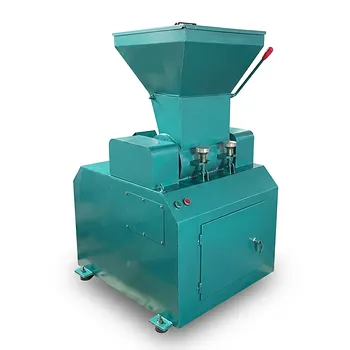
- High Speed Small Laboratory Crusher for Dry Material Sample Preparation
People Also Ask
- What is the function of a laboratory press in Cr-Ti alloy evaluation? Quantify Fracture Stress & Strength
- What is the function of a laboratory press in assessing the hydrophobic performance of modified vermiculite fillers?
- What is the core function of a laboratory press in the forming of ceramic filter element green bodies? Maximize Density.
- What is the function of a laboratory press in the preparation of ceramic feed rods? Master Density and Precision
- Why is vacuum sealing and flexible packaging necessary for Aluminum Titanate powders during CIP? Ensure Peak Density

Tech Team · PowderPreparation
Last updated on Jun 03, 2026
Related Products
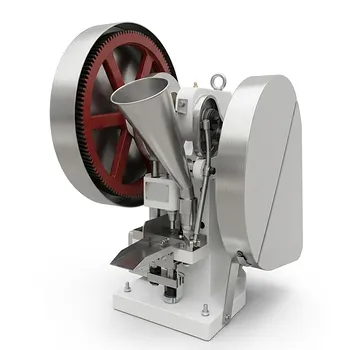
6-Ton Small Single-Punch Tablet Press — Laboratory Powder & Granule Tableting Equipment / Tablet Forming Machine
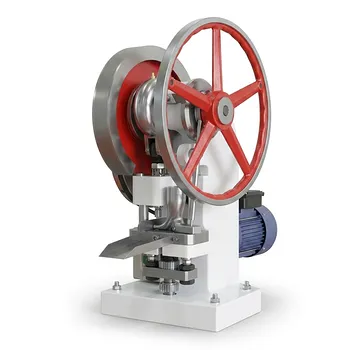
5 Ton Single Punch Tablet Press Laboratory Small Batch Production
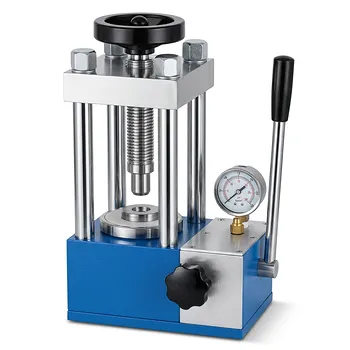
Manual Tablet Press with Dual Scale Pressure Gauge for Pharmaceutical Food Chemical Laboratory Sample Preparation
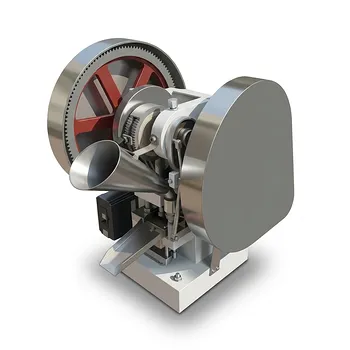
6 Ton Variable Frequency Single Punch Tablet Press
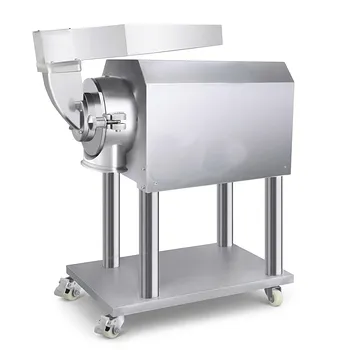
High Speed Small Laboratory Crusher for Dry Material Sample Preparation
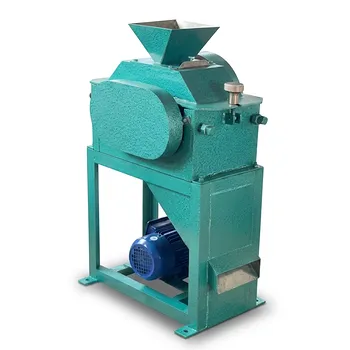
Laboratory Double Roll Crusher for Medium Hardness Materials Coal Ore Sample Preparation
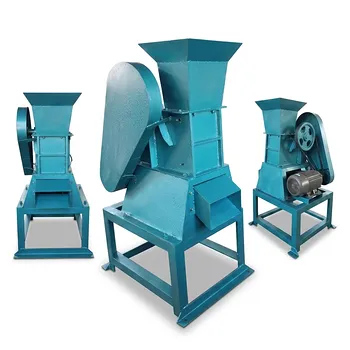
Custom Raised Height Laboratory Jaw Crusher for Precision Sample Preparation in Material Science
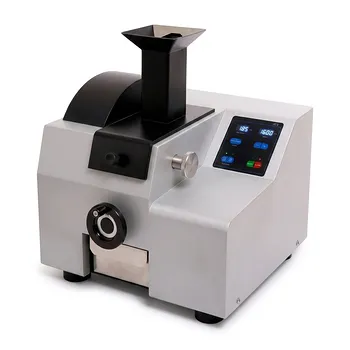
Laboratory Benchtop Jaw Crusher for Hard Brittle Materials Primary Size Reduction and Sample Preparation
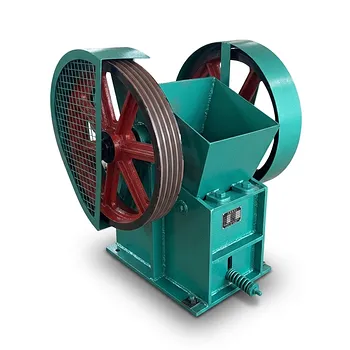
150x250mm Laboratory Jaw Crusher for Medium Hard Material Crushing and Sample Preparation
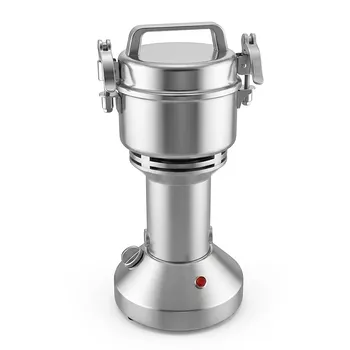
Small High Speed Upright Grinder for Laboratory Sample Preparation
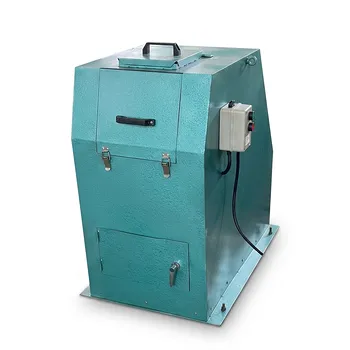
Environmentally Friendly Sealed Laboratory Jaw Crusher for Sample Preparation
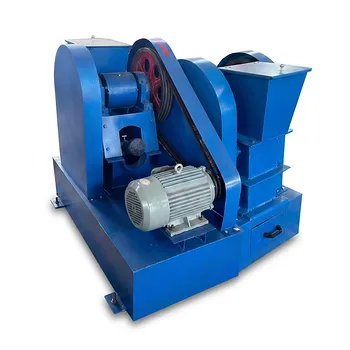
Horizontal Jaw Crusher Medium Hard Material Crushing Laboratory Sample Preparation Equipment
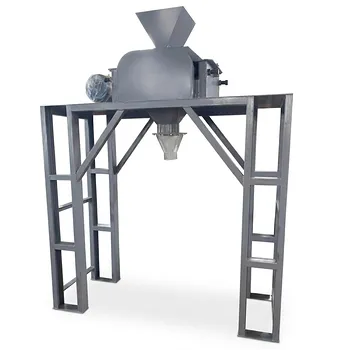
Heightened Customized Laboratory Double Roll Crusher for Coal Ore Rock Crushing
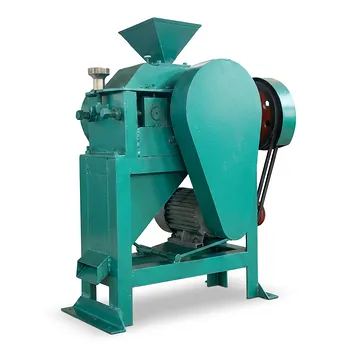
Laboratory Sealed Double Roll Crusher for Coal Ore Rock and Medium Hardness Materials Sample Preparation
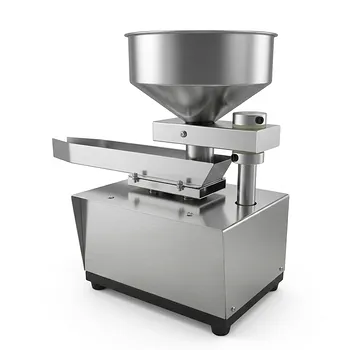
Automatic Vibrating Powder Feeder for Laboratory Material Processing Precision Vibratory Hopper Feeder for Granular and Powder Material Handling Industrial Grade Vibrating Tray Feeder for Consistent Material Sample Preparation
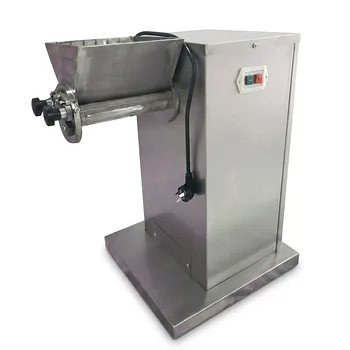
Small Laboratory Oscillating Granulator for Wet and Dry Granulation Processing
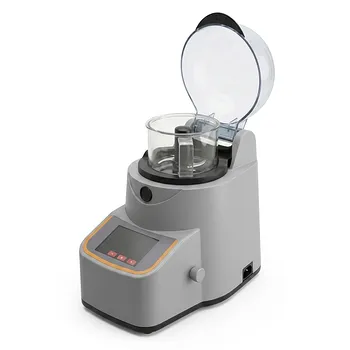
Industrial Knife Mill for Food and Biological Sample Preparation High Speed Laboratory Homogenizer
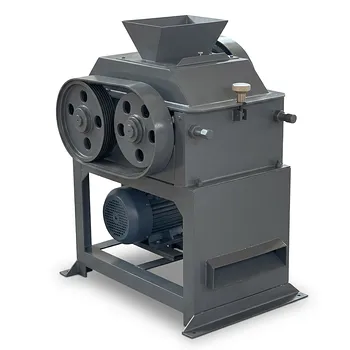
Sealed Laboratory Double Roll Crusher for Coal, Mineral, Ore Sample Preparation
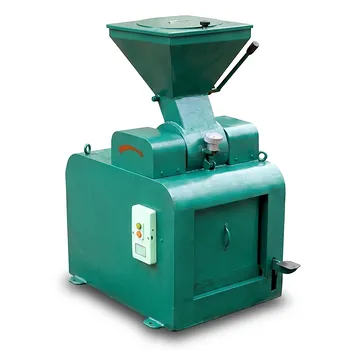
Laboratory Sealed Hammer Crushers for Coal Sample Preparation and Medium Strength Material Crushing