What role does a lab hydraulic press play in Si-B-C-N PDC manufacturing? Optimize green body density & integrity.
Updated 4 months ago
The laboratory hydraulic press is the critical instrument for transforming loose Si-B-C-N polymer powders into high-density "green bodies" before they undergo thermal conversion. By applying precise uniaxial pressure, the press packs polymer particles tightly to minimize internal porosity and ensure the structural integrity of the final ceramic.
Core Takeaway: In the PDC route, a hydraulic press is essential for achieving the high compaction density required to prevent severe shrinkage and cracking during the volatile pyrolysis stage, where gaseous byproducts are released.
The Role of Compaction in Green Body Formation
Achieving Geometric Integrity
The primary function of the hydraulic press is to consolidate ground solid polymer precursor powders into specific, manageable shapes. This process creates a green body—a compact, unfired preform that possesses the necessary mechanical strength to be handled and processed.
Minimizing Internal Porosity
By applying controlled pressures (often ranging from 20 MPa to 35 MPa), the press forces particles into close contact. This action excludes air and reduces the "dead space" between particles, which is vital for creating a uniform material structure.
Establishing Diffusion Paths
High-density compaction shortens the physical distance between atoms within the precursor. This proximity facilitates more efficient atomic diffusion and grain rearrangement when the material is later subjected to high-temperature sintering or pyrolysis.
Ensuring Survival During Pyrolysis
Controlling Volume Shrinkage
The transition from a polymer to a Si-B-C-N ceramic involves the volatilization of gaseous byproducts, which naturally leads to mass loss. A dense green body, created by the hydraulic press, provides the structural resistance needed to minimize the resulting volume shrinkage.
Preventing Material Failure
Without the high packing density provided by the press, the release of gases during pyrolysis would likely cause macro-cracks or total structural collapse. The press ensures the ceramic maintains its intended geometric form as it transitions from an organic to an inorganic state.
Standardizing Specimens for Analysis
For research and development, the hydraulic press allows for the creation of standardized specimens, such as discs or flakes. These uniform shapes are necessary for accurate microhardness measurements and thermal stability evaluations.
Understanding the Trade-offs and Challenges
Pressure Uniformity vs. Density Gradients
While higher pressure generally increases density, uniaxial pressing can lead to non-uniform density distributions within the green body. This can result in localized stresses or warping during the final heating stage if the pressure is not applied consistently.
Atmospheric Sensitivity
Many Si-B-C-N precursors are sensitive to moisture and oxygen. To maintain material purity, the pressing process must often be conducted under a protective argon atmosphere to prevent pre-oxidation or degradation of the polymer.
Laminations and Capping
Applying excessive pressure can lead to defects known as laminations or capping, where the green body splits into layers upon release from the mold. Balancing the compression force is critical to achieving density without compromising structural cohesion.
How to Apply This to Your Manufacturing Process
Making the Right Choice for Your Goal
To optimize the Si-B-C-N manufacturing route, the use of the hydraulic press should be tailored to your specific objective:
- If your primary focus is maximizing ceramic density: Utilize higher uniaxial pressures (30+ MPa) and ensure a fine, uniform particle size distribution in your precursor powder.
- If your primary focus is preventing oxygen contamination: Perform the pressing stage within a glove box or an integrated argon-shielded environment to protect the precursor's chemical integrity.
- If your primary focus is material characterization: Use standardized molds to produce consistent disc-shaped specimens, which facilitate reliable comparative testing of mechanical and thermal properties.
By precisely controlling the compaction of the precursor powder, the laboratory hydraulic press creates the physical foundation necessary for the successful synthesis of high-performance Si-B-C-N ceramics.
Summary Table:
| Stage in PDC Route | Role of Hydraulic Press | Key Material Outcome |
|---|---|---|
| Green Body Formation | Compaction of polymer precursor powders | Geometric integrity and handling strength |
| Porosity Control | Eliminating air gaps via 20-35 MPa pressure | Minimized internal voids and uniform structure |
| Pyrolysis Prep | Increasing packing density | Reduced volume shrinkage and crack prevention |
| Characterization | Standardizing specimen shapes (discs/flakes) | Accurate microhardness and thermal analysis |
Elevate Your Material Research with Precision Compaction
Achieving the perfect Si-B-C-N ceramic requires more than just high temperatures—it starts with the perfect green body. At our laboratory equipment division, we provide complete laboratory sample preparation solutions for material science, specializing in high-performance powder processing and compaction equipment.
Whether you are looking to minimize shrinkage or optimize atomic diffusion, our extensive line of equipment ensures your precursors are processed with unmatched accuracy. Our offerings include:
- Advanced Mills: Planetary ball, jet, sand/bead, disc, and rotor mills for ideal particle size.
- Sieve Shakers: Vibratory and air-jet shakers with various test sieves for precise distribution.
- Hydraulic Presses: A full spectrum including Cold/Warm Isostatic Presses (CIP/WIP), standard lab presses, XRF pellet presses, and vacuum hot presses.
- Processing Tools: Crushers (jaw/roll), cryogenic grinders, and specialized powder/defoaming mixers.
Ready to enhance your lab's efficiency and ceramic quality? Contact us today to discuss how our customized solutions can support your specific research goals.
References
- Pengfei Zhang, Yu Zhou. Progress of a novel non-oxide Si-B-C-N ceramic and its matrix composites. DOI: 10.1007/s40145-012-0017-x
Mentioned Products
- 6-Ton Small Single-Punch Tablet Press — Laboratory Powder & Granule Tableting Equipment / Tablet Forming Machine
- 5 Ton Single Punch Tablet Press Laboratory Small Batch Production
- Manual Tablet Press with Dual Scale Pressure Gauge for Pharmaceutical Food Chemical Laboratory Sample Preparation
- 6 Ton Variable Frequency Single Punch Tablet Press
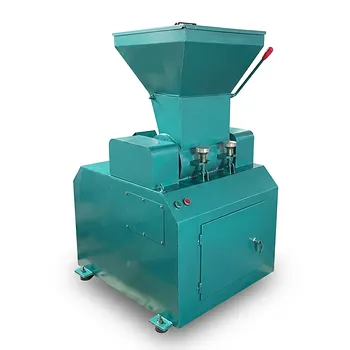
- High Speed Small Laboratory Crusher for Dry Material Sample Preparation
People Also Ask
- What is the function of a laboratory press in Cr-Ti alloy evaluation? Quantify Fracture Stress & Strength
- What is the function of a laboratory press in assessing the hydrophobic performance of modified vermiculite fillers?
- What is the core function of a laboratory press in the forming of ceramic filter element green bodies? Maximize Density.
- What is the function of a laboratory press in the preparation of ceramic feed rods? Master Density and Precision
- Why is vacuum sealing and flexible packaging necessary for Aluminum Titanate powders during CIP? Ensure Peak Density

Tech Team · PowderPreparation
Last updated on Jun 03, 2026
Related Products
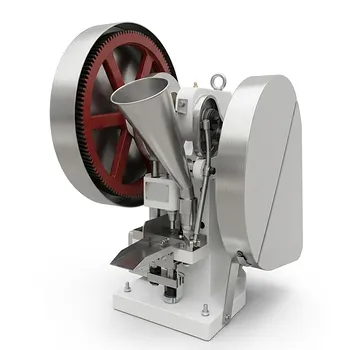
6-Ton Small Single-Punch Tablet Press — Laboratory Powder & Granule Tableting Equipment / Tablet Forming Machine
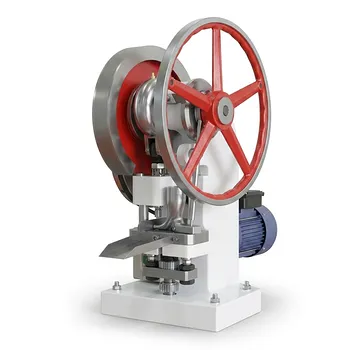
5 Ton Single Punch Tablet Press Laboratory Small Batch Production
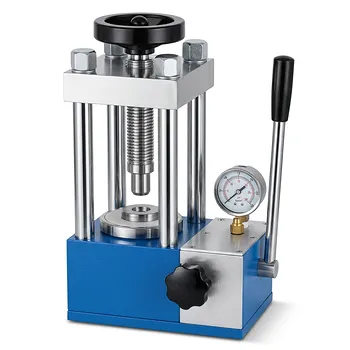
Manual Tablet Press with Dual Scale Pressure Gauge for Pharmaceutical Food Chemical Laboratory Sample Preparation
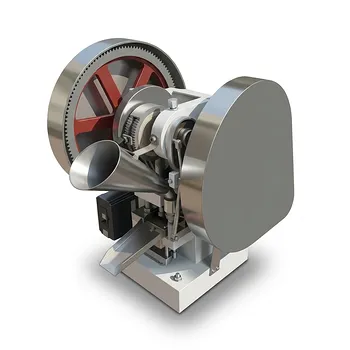
6 Ton Variable Frequency Single Punch Tablet Press
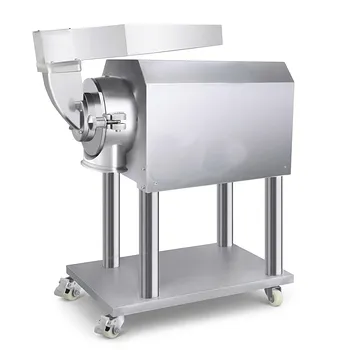
High Speed Small Laboratory Crusher for Dry Material Sample Preparation
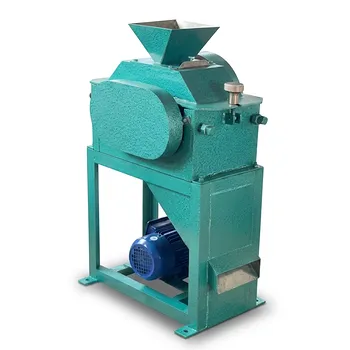
Laboratory Double Roll Crusher for Medium Hardness Materials Coal Ore Sample Preparation
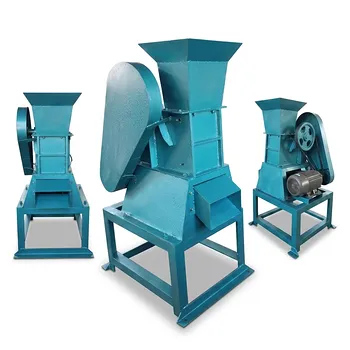
Custom Raised Height Laboratory Jaw Crusher for Precision Sample Preparation in Material Science
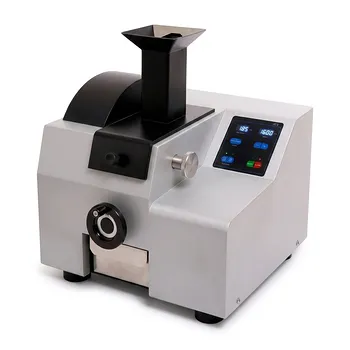
Laboratory Benchtop Jaw Crusher for Hard Brittle Materials Primary Size Reduction and Sample Preparation
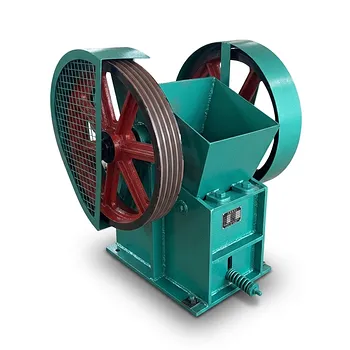
150x250mm Laboratory Jaw Crusher for Medium Hard Material Crushing and Sample Preparation
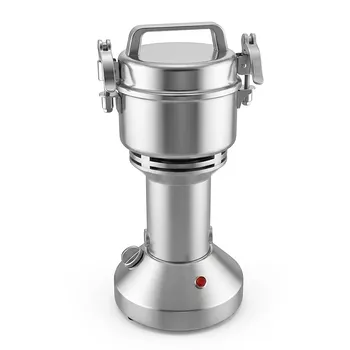
Small High Speed Upright Grinder for Laboratory Sample Preparation
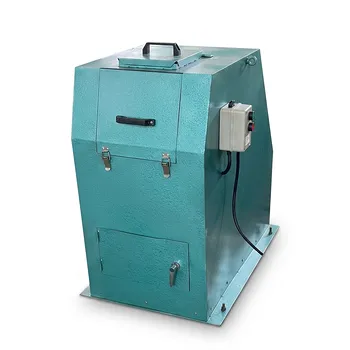
Environmentally Friendly Sealed Laboratory Jaw Crusher for Sample Preparation
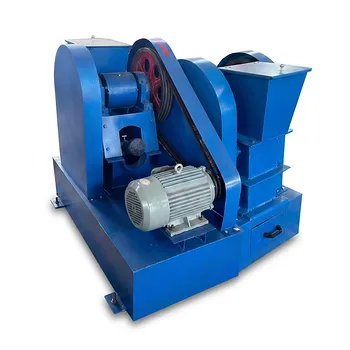
Horizontal Jaw Crusher Medium Hard Material Crushing Laboratory Sample Preparation Equipment
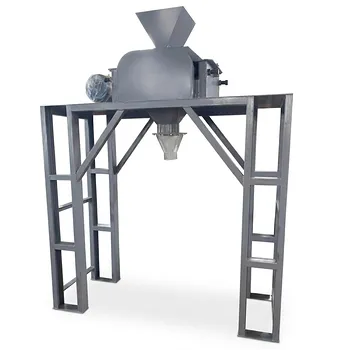
Heightened Customized Laboratory Double Roll Crusher for Coal Ore Rock Crushing
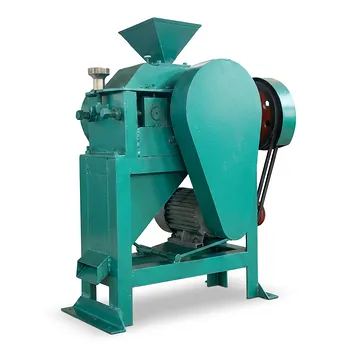
Laboratory Sealed Double Roll Crusher for Coal Ore Rock and Medium Hardness Materials Sample Preparation
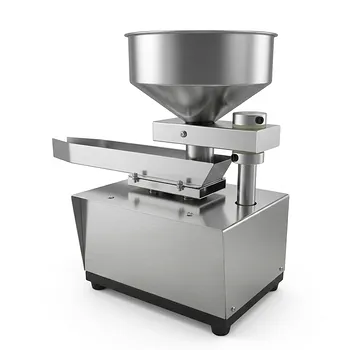
Automatic Vibrating Powder Feeder for Laboratory Material Processing Precision Vibratory Hopper Feeder for Granular and Powder Material Handling Industrial Grade Vibrating Tray Feeder for Consistent Material Sample Preparation
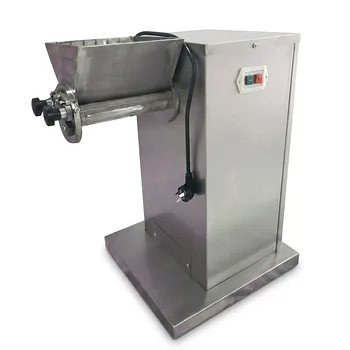
Small Laboratory Oscillating Granulator for Wet and Dry Granulation Processing
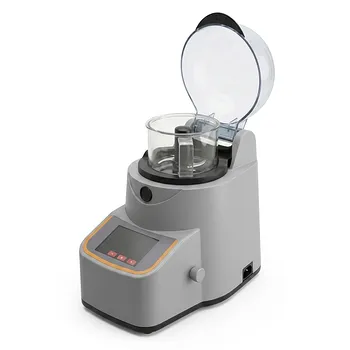
Industrial Knife Mill for Food and Biological Sample Preparation High Speed Laboratory Homogenizer
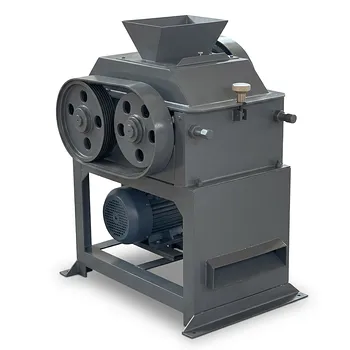
Sealed Laboratory Double Roll Crusher for Coal, Mineral, Ore Sample Preparation
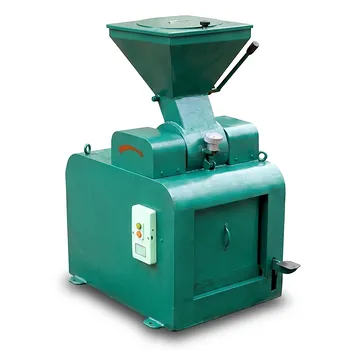
Laboratory Sealed Hammer Crushers for Coal Sample Preparation and Medium Strength Material Crushing