What role does a laboratory hydraulic press play in high-entropy alloys? Optimize HEA Consolidation & Density
Updated 3 months ago
A laboratory hydraulic press is the primary tool used to consolidate loose alloy powders into a "green body," providing the essential geometric shape and initial density required for further processing. It applies high-precision uniaxial pressure to eliminate air pockets, induce particle rearrangement, and create mechanical interlocking between high-entropy alloy (HEA) particles.
The laboratory hydraulic press serves as the bridge between raw metallic powder and a solid bulk material. By transforming loose particles into a structurally sound green compact, it establishes the foundation for successful sintering and accurate electromagnetic characterization.
The Critical Transition from Powder to Green Body
Defining the "Green Body" State
In the preparation of high-entropy alloys, the hydraulic press is used to compress processed powders into a cohesive unit known as a green body. This compact has a specific geometric shape—often cylindrical or toroidal—and possesses enough mechanical strength to be handled without crumbling.
Eliminating Porosity and Increasing Density
The press applies controlled force to eliminate the large pores between powder particles, significantly increasing the initial density of the material. This reduction in volume is critical because it minimizes the shrinkage that occurs during subsequent high-temperature sintering or annealing stages.
Geometric Precision for Specialized Testing
Beyond simple pellets, the press uses precision dies to create standardized shapes, such as toroidal specimens with specific inner and outer diameters. These precise dimensions are necessary for obtaining accurate electromagnetic parameters (permittivity and permeability) when using tools like a Vector Network Analyzer (VNA).
The Mechanics of Particle Consolidation
Mechanical Interlocking Without Binders
A key advantage of a high-pressure laboratory press (often providing forces up to 200 kN) is the ability to achieve mechanical interlocking. The pressure forces the irregular surfaces of HEA particles to grip one another, allowing the creation of a green compact without the need for additional chemical binders.
Inducing Plastic Deformation
Under high-pressure environments, such as 300 MPa or more, individual powder particles undergo plastic deformation. This deformation allows particles to fill remaining voids and creates a tight, uniform internal structure that is essential for the structural integrity of the final alloy.
Ensuring Handling Strength
The hydraulic press ensures the green compact is durable enough to withstand the transition from the molding stage to the sintering furnace. Without this structural stability, the sample might crack or lose its shape during the placement or initial heating phases.
Enhancing Material Uniformity and Quality
Precision Pressure Control
High-precision control over the pressing force ensures a uniform internal density throughout the specimen. This consistency is vital for high-entropy alloys, as any density gradients can lead to uneven sintering and structural defects in the final bulk material.
Removing Air Bubbles and Contaminants
The high-pressure environment helps expel trapped air and gas between particles. Removing these "air bubbles" is critical for research applications where even minor internal voids can skew the results of complex material analysis.
Foundation for Secondary Densification
In some workflows, the hydraulic press serves as a preliminary step before Cold Isostatic Pressing (CIP) or pressureless sintering. By providing an initial dense form, it prepares the material for more advanced densification processes that require a stable starting shape.
Understanding the Trade-offs
Limits of Uniaxial Pressing
While effective, the uniaxial pressing used in most laboratory hydraulic presses can lead to internal friction between the powder and the die walls. This can occasionally cause slight density variations between the top and bottom of the specimen if the height-to-diameter ratio is too high.
Pressure Sensitivity of Active Powders
Highly active powders, such as those processed via cryomilling, must be handled with care during pressing. Excessive or uneven pressure can cause premature cracks or localized heating, which may alter the carefully designed microstructure of the high-entropy alloy.
How to Apply This to Your Project
Making the Right Choice for Your Goal
- If your primary focus is electromagnetic characterization: Ensure the use of high-precision steel molds to produce toroidal shapes that meet the exact tolerances required for VNA testing.
- If your primary focus is structural bulk materials: Prioritize a press capable of reaching at least 300 MPa to ensure maximum particle deformation and mechanical interlocking without binders.
- If your primary focus is preparing for isostatic pressing: Use the hydraulic press at lower, consistent pressures (e.g., 50 MPa) just to establish a manageable shape for secondary densification.
The laboratory hydraulic press is the indispensable starting point for transforming high-entropy alloy powders into reliable, testable, and high-performance bulk materials.
Summary Table:
| Feature | Role in HEA Preparation | Impact on Final Material |
|---|---|---|
| Powder Consolidation | Transforms loose particles into a "green body" | Provides structural integrity for handling |
| Pressure Application | Induces plastic deformation and interlocking | Increases initial density & reduces shrinkage |
| Precision Molding | Creates standardized shapes (e.g., toroidal) | Ensures accurate electromagnetic characterization |
| Porosity Removal | Expels trapped air and gas pockets | Eliminates internal voids and structural defects |
Elevate Your Material Science Research with Precision Compaction
At the forefront of material science, achieving the perfect "green body" is essential for high-entropy alloy success. We provide complete laboratory sample preparation solutions tailored for advanced powder processing. Our expert-engineered range includes:
- Hydraulic Presses: A full spectrum of standard lab presses, XRF pellet presses, and high-pressure hot presses.
- Isostatic Pressing: Advanced Cold (CIP) and Warm (WIP) Isostatic Presses for uniform density.
- Powder Processing: High-performance crushers (jaw/roll), liquid nitrogen cryogenic grinders, and diverse mills (planetary ball, jet, rotor).
- Refinement & Mixing: Sieve shakers (vibratory/air-jet), powder mixers, and vacuum defoaming mixers.
Whether you are focusing on electromagnetic characterization or structural bulk materials, our equipment ensures the precision and durability your research demands. Contact us today to discuss your specific requirements and let our technical team help you find the ideal compaction solution.
References
- Nirmal Kumar Katiyar, Saurav Goel. Emergence of machine learning in the development of high entropy alloy and their prospects in advanced engineering applications. DOI: 10.1007/s42247-021-00249-8
Mentioned Products
- 6-Ton Small Single-Punch Tablet Press — Laboratory Powder & Granule Tableting Equipment / Tablet Forming Machine
- 5 Ton Single Punch Tablet Press Laboratory Small Batch Production
- Manual Tablet Press with Dual Scale Pressure Gauge for Pharmaceutical Food Chemical Laboratory Sample Preparation
- 6 Ton Variable Frequency Single Punch Tablet Press
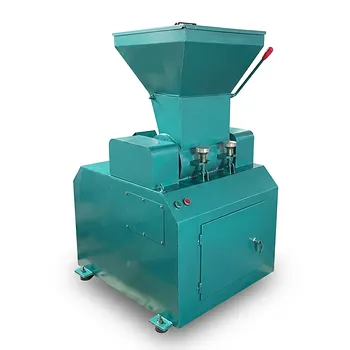
- Laboratory Double Roll Crusher for Medium Hardness Materials Coal Ore Sample Preparation
People Also Ask
- What is the function of a laboratory press in Cr-Ti alloy evaluation? Quantify Fracture Stress & Strength
- What is the function of a laboratory press in assessing the hydrophobic performance of modified vermiculite fillers?
- What is the core function of a laboratory press in the forming of ceramic filter element green bodies? Maximize Density.
- What is the function of a laboratory press in the preparation of ceramic feed rods? Master Density and Precision
- Why is vacuum sealing and flexible packaging necessary for Aluminum Titanate powders during CIP? Ensure Peak Density

Tech Team · PowderPreparation
Last updated on Jun 03, 2026
Related Products
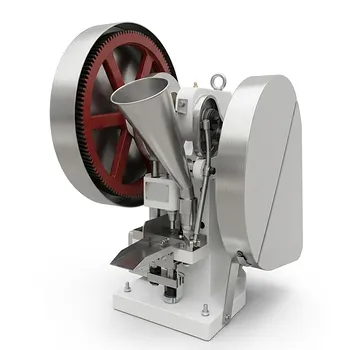
6-Ton Small Single-Punch Tablet Press — Laboratory Powder & Granule Tableting Equipment / Tablet Forming Machine
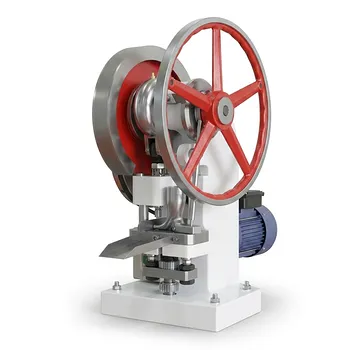
5 Ton Single Punch Tablet Press Laboratory Small Batch Production
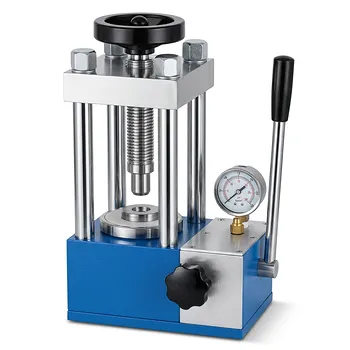
Manual Tablet Press with Dual Scale Pressure Gauge for Pharmaceutical Food Chemical Laboratory Sample Preparation
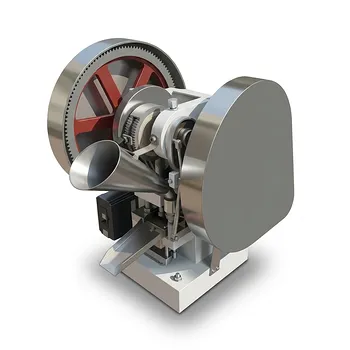
6 Ton Variable Frequency Single Punch Tablet Press
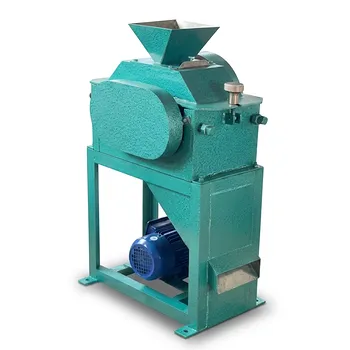
Laboratory Double Roll Crusher for Medium Hardness Materials Coal Ore Sample Preparation
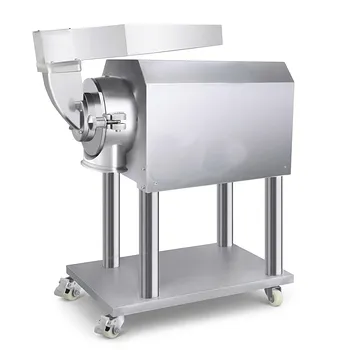
High Speed Small Laboratory Crusher for Dry Material Sample Preparation
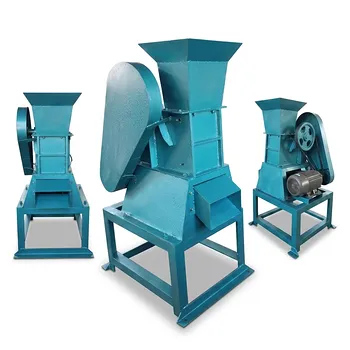
Custom Raised Height Laboratory Jaw Crusher for Precision Sample Preparation in Material Science
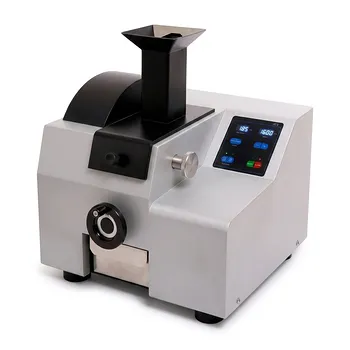
Laboratory Benchtop Jaw Crusher for Hard Brittle Materials Primary Size Reduction and Sample Preparation
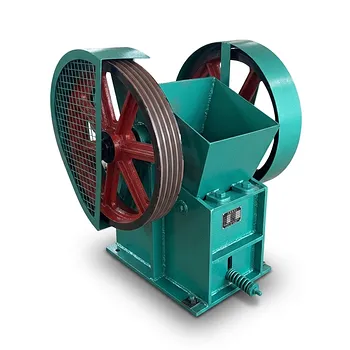
150x250mm Laboratory Jaw Crusher for Medium Hard Material Crushing and Sample Preparation
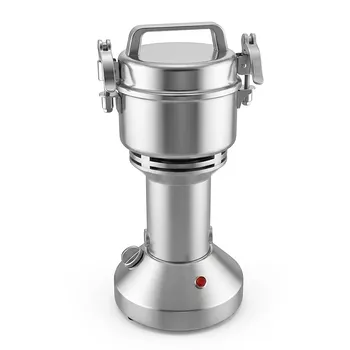
Small High Speed Upright Grinder for Laboratory Sample Preparation
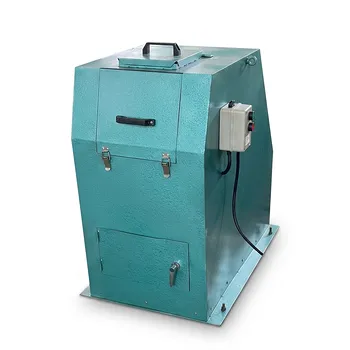
Environmentally Friendly Sealed Laboratory Jaw Crusher for Sample Preparation
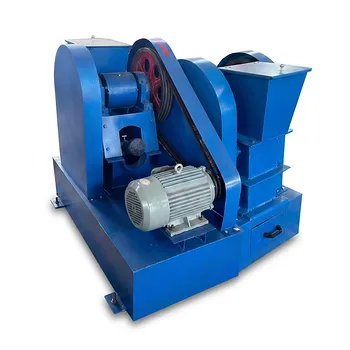
Horizontal Jaw Crusher Medium Hard Material Crushing Laboratory Sample Preparation Equipment
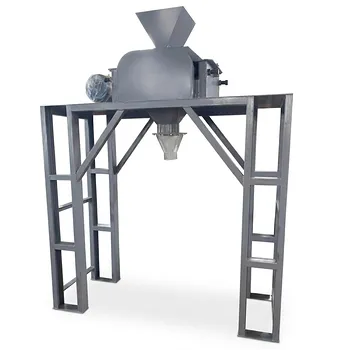
Heightened Customized Laboratory Double Roll Crusher for Coal Ore Rock Crushing

Automatic Vibrating Powder Feeder for Laboratory Material Processing Precision Vibratory Hopper Feeder for Granular and Powder Material Handling Industrial Grade Vibrating Tray Feeder for Consistent Material Sample Preparation
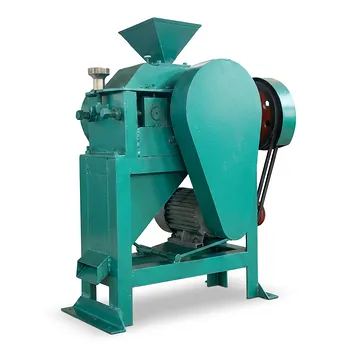
Laboratory Sealed Double Roll Crusher for Coal Ore Rock and Medium Hardness Materials Sample Preparation
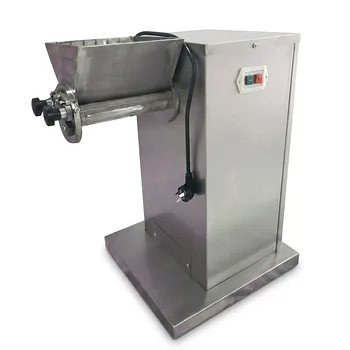
Small Laboratory Oscillating Granulator for Wet and Dry Granulation Processing
Industrial Knife Mill for Food and Biological Sample Preparation High Speed Laboratory Homogenizer
Sealed Laboratory Double Roll Crusher for Coal, Mineral, Ore Sample Preparation
Laboratory Sealed Hammer Crushers for Coal Sample Preparation and Medium Strength Material Crushing