What role does a laboratory hydraulic press play in the fabrication of supercapacitor electrode sheets? Enhance Performance
Updated 3 months ago
The laboratory hydraulic press is the primary tool for the densification and mechanical stabilization of supercapacitor electrodes. By applying precise, high-pressure loads—typically ranging from 10 MPa to 20 MPa or higher—it compresses active materials, conductive agents, and binders into a dense, cohesive layer. This process is essential for ensuring that the electrode can handle the rapid electron and ion movement required during high-rate charging and discharging.
Core Takeaway: The hydraulic press serves as a critical bridge between material synthesis and electrochemical performance, transforming loose coatings into robust, low-resistance electrode sheets by maximizing contact between active particles and the current collector.
Enhancing Electrical Conductivity and Charge Transfer
Reducing Inter-particle Contact Resistance
High-pressure compaction forces individual particles of active material and conductive carbon into intimate contact. This eliminates internal voids and establishes a continuous network for electron flow throughout the electrode layer.
Optimizing the Current Collector Interface
The press firmly embeds the active material into current collectors like nickel mesh, nickel foam, or aluminum foil. This reduces the contact resistance at the interface, which is vital for maintaining high current collection efficiency during rapid cycles.
Improving Interface Conformity in Solid-State Systems
In all-solid-state supercapacitors, the press is used to force solid electrolytes to conform to the microporous structure of the electrode. This creates a seamless interface that facilitates efficient charge transfer and reduces interfacial impedance.
Improving Mechanical Stability and Longevity
Strengthening the Material Bond
The application of axial pressure enhances the mechanical adhesion provided by the binder. This ensures the active material remains securely attached to the current collector, preventing the "shedding" or delamination of materials over time.
Maintaining Integrity During Cycling
Supercapacitor electrodes undergo mechanical stress during rapid ion adsorption and desorption. A well-pressed electrode possesses the structural integrity needed to resist cracking or degradation during long-term cycling tests in electrolytes.
Enabling Uniform Microstructures
By using precise pressure control, researchers can ensure that the electrode coating has a uniform thickness and density. This uniformity prevents "hot spots" of high resistance and ensures consistent performance across the entire surface of the electrode.
Achieving Optimal Energy Density
Increasing Volumetric Capacity
Compaction significantly increases the volumetric energy density of the electrode by packing more active material into a smaller space. This is a key metric for developing compact energy storage devices with higher overall capacity.
Eliminating Internal Porosity and Voids
The press expels trapped gases and reduces unnecessary macro-porosity within the electrode film. While some porosity is needed for electrolyte access, removing excessive voids ensures a more monolithic and durable electrode structure.
Understanding the Trade-offs and Pitfalls
The Risk of Over-Compression
Applying excessive pressure (e.g., exceeding 200 MPa in some setups) can lead to the "crushing" of the active material's internal pore structure. If the pores are closed off, the electrolyte cannot penetrate the electrode, which drastically reduces the available surface area and power density.
Balancing Density and Electrolyte Wetting
There is a critical balance between high density (for conductivity) and sufficient porosity (for ion transport). Scientists must calibrate the hydraulic press to a specific "sweet spot" where resistance is minimized without hindering the movement of ions within the electrolyte.
How to Apply This to Your Fabrication Process
Recommendations Based on Research Goals
To achieve the best results with your laboratory hydraulic press, consider the following technical priorities:
- If your primary focus is High-Rate Performance: Use moderate pressure (10-20 MPa) to ensure low contact resistance while maintaining enough porosity for rapid ion diffusion.
- If your primary focus is Volumetric Energy Density: Utilize higher pressure loads to maximize material packing, ensuring that you monitor the electrode's specific surface area to avoid pore collapse.
- If your primary focus is All-Solid-State Assembly: Apply high axial pressure (often 4 tons/cm² or more) within a specialized mold to ensure a seamless, monolithic bond between the electrolyte and the electrode layers.
The laboratory hydraulic press remains an indispensable instrument for converting experimental powders into high-performance, durable energy storage components.
Summary Table:
| Key Role | Primary Benefit | Technical Consideration |
|---|---|---|
| Densification | Increases volumetric energy density | Avoid pore collapse from over-compression |
| Conductivity | Reduces inter-particle & contact resistance | Ensures intimate contact with current collectors |
| Mechanical Stability | Prevents material delamination/shedding | Strengthens binder bonds for long-term cycling |
| Interface Matching | Facilitates charge transfer in solid-state | Requires high axial pressure for seamless bonding |
| Uniformity | Eliminates hotspots & ensures consistency | Precise pressure control for uniform thickness |
Elevate Your Material Research with Precision Compaction Solutions
Achieving the perfect balance between conductivity and porosity in supercapacitor electrodes requires precision. At [Insert Brand Name], we provide complete laboratory sample preparation solutions tailored for material science.
Our specialized equipment range includes:
- Advanced Hydraulic Presses: A full spectrum featuring standard lab presses, Cold/Warm Isostatic Presses (CIP/WIP), XRF pellet presses, and vacuum hot presses for high-performance electrode fabrication.
- Powder Processing: High-efficiency crushers (jaw/roll) and a diverse line of mills (planetary ball, jet, sand/bead, rotor) for optimal particle size distribution.
- Material Refinement: Sieve shakers, powder mixers, and defoaming mixers to ensure uniform material blends.
Whether you are scaling up production or refining experimental microstructures, our expert-grade tools ensure repeatability and structural integrity. Contact us today to find the perfect solution for your lab!
References
- Svetlana Veleva, Radostina Stoyanova. Mixing Approaches in Enhancing the Capacitive Performance of rGO-Based Hybrid Electrodes. DOI: 10.3390/ma18112460
Mentioned Products
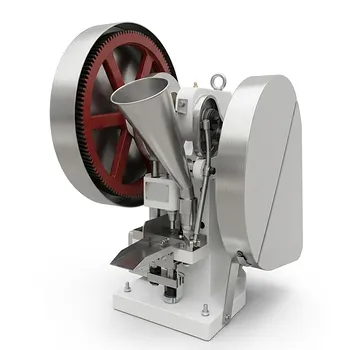
- 6-Ton Small Single-Punch Tablet Press — Laboratory Powder & Granule Tableting Equipment / Tablet Forming Machine
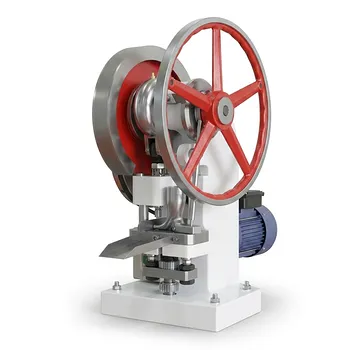
- 5 Ton Single Punch Tablet Press Laboratory Small Batch Production
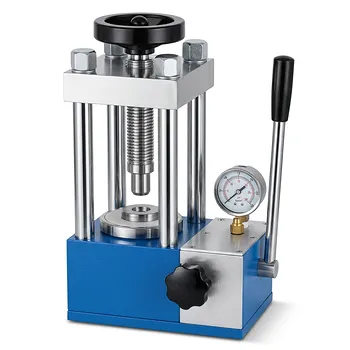
- Manual Tablet Press with Dual Scale Pressure Gauge for Pharmaceutical Food Chemical Laboratory Sample Preparation
- 6 Ton Variable Frequency Single Punch Tablet Press
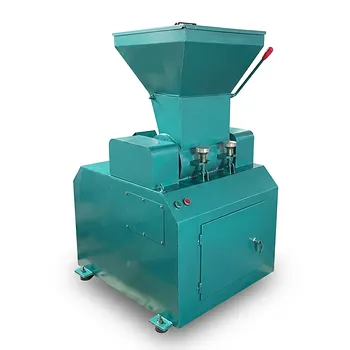
- Laboratory Double Roll Crusher for Medium Hardness Materials Coal Ore Sample Preparation
People Also Ask
- What is the function of a laboratory press in Cr-Ti alloy evaluation? Quantify Fracture Stress & Strength
- What is the function of a laboratory press in assessing the hydrophobic performance of modified vermiculite fillers?
- What is the core function of a laboratory press in the forming of ceramic filter element green bodies? Maximize Density.
- What is the function of a laboratory press in the preparation of ceramic feed rods? Master Density and Precision
- Why is vacuum sealing and flexible packaging necessary for Aluminum Titanate powders during CIP? Ensure Peak Density

Tech Team · PowderPreparation
Last updated on Jun 03, 2026
Related Products
6-Ton Small Single-Punch Tablet Press — Laboratory Powder & Granule Tableting Equipment / Tablet Forming Machine
5 Ton Single Punch Tablet Press Laboratory Small Batch Production
Manual Tablet Press with Dual Scale Pressure Gauge for Pharmaceutical Food Chemical Laboratory Sample Preparation
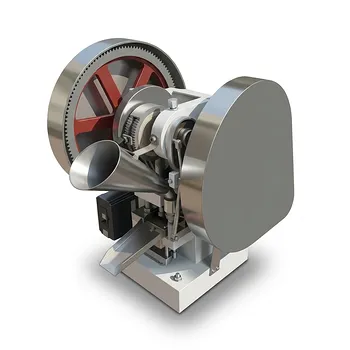
6 Ton Variable Frequency Single Punch Tablet Press
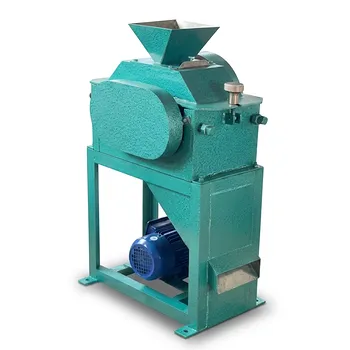
Laboratory Double Roll Crusher for Medium Hardness Materials Coal Ore Sample Preparation
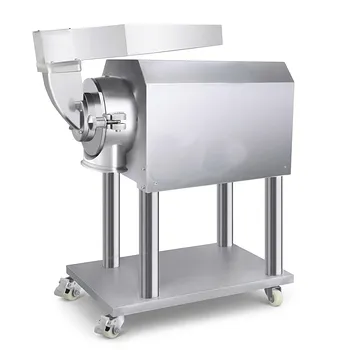
High Speed Small Laboratory Crusher for Dry Material Sample Preparation
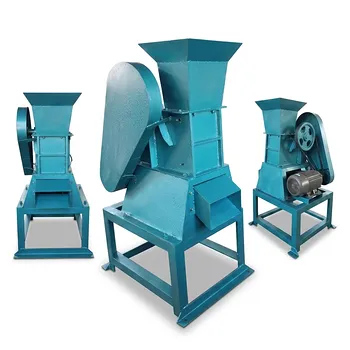
Custom Raised Height Laboratory Jaw Crusher for Precision Sample Preparation in Material Science
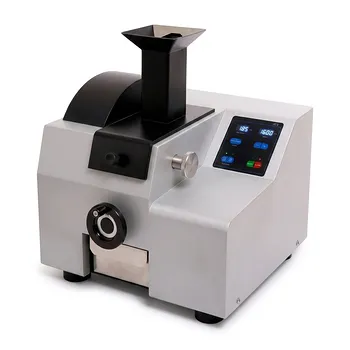
Laboratory Benchtop Jaw Crusher for Hard Brittle Materials Primary Size Reduction and Sample Preparation
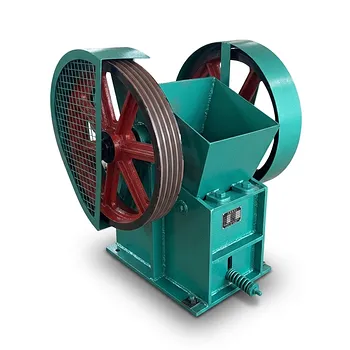
150x250mm Laboratory Jaw Crusher for Medium Hard Material Crushing and Sample Preparation
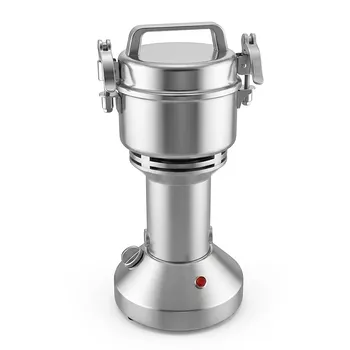
Small High Speed Upright Grinder for Laboratory Sample Preparation
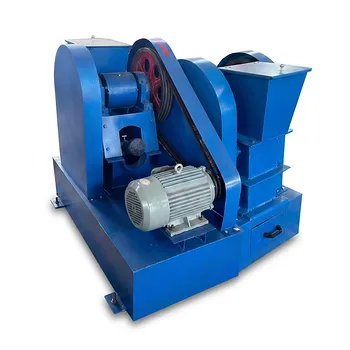
Horizontal Jaw Crusher Medium Hard Material Crushing Laboratory Sample Preparation Equipment
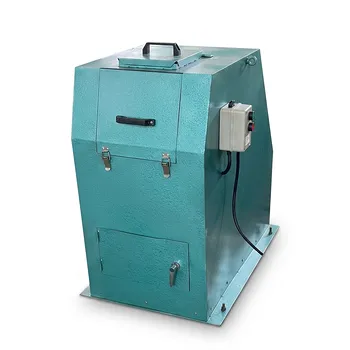
Environmentally Friendly Sealed Laboratory Jaw Crusher for Sample Preparation
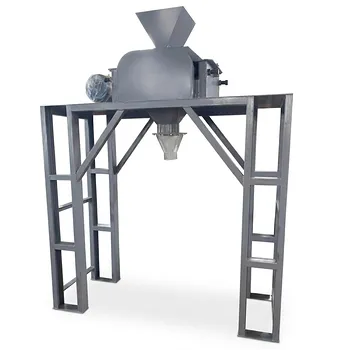
Heightened Customized Laboratory Double Roll Crusher for Coal Ore Rock Crushing
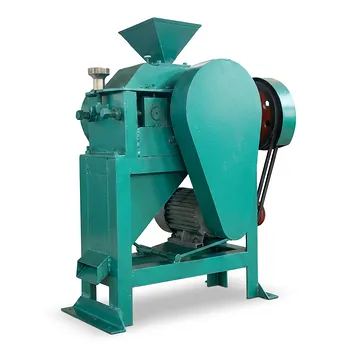
Laboratory Sealed Double Roll Crusher for Coal Ore Rock and Medium Hardness Materials Sample Preparation
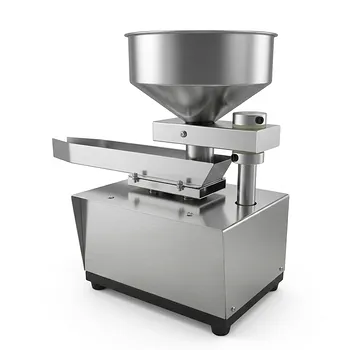
Automatic Vibrating Powder Feeder for Laboratory Material Processing Precision Vibratory Hopper Feeder for Granular and Powder Material Handling Industrial Grade Vibrating Tray Feeder for Consistent Material Sample Preparation
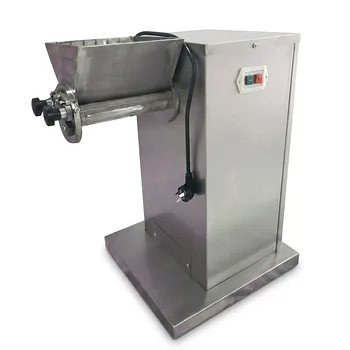
Small Laboratory Oscillating Granulator for Wet and Dry Granulation Processing
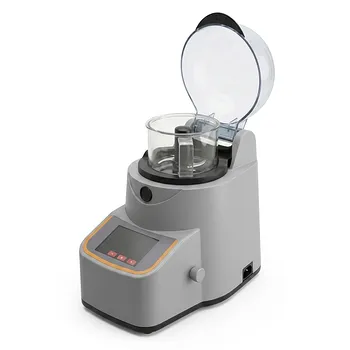
Industrial Knife Mill for Food and Biological Sample Preparation High Speed Laboratory Homogenizer
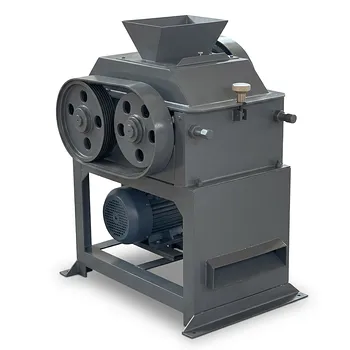
Sealed Laboratory Double Roll Crusher for Coal, Mineral, Ore Sample Preparation
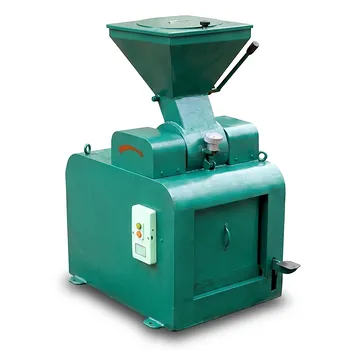
Laboratory Sealed Hammer Crushers for Coal Sample Preparation and Medium Strength Material Crushing