What role does a laboratory hydraulic press play in evaluating alkali-activated materials? Essential for Strength & Quality
Updated 4 months ago
A laboratory hydraulic press is the essential instrument for both the fabrication and destructive testing of mine tailing-based alkali-activated materials. It ensures that specimens possess a uniform internal density before testing and subsequently measures their ultimate load capacity to determine compressive and flexural strength. This data is critical for verifying whether these recycled materials meet building standards and for optimizing the chemical ratios of alkali activators.
The hydraulic press serves as the primary tool for standardizing specimen geometry and quantifying the mechanical integrity of alkali-activated tailings. By providing precise pressure control, it enables researchers to validate chemical activation effectiveness and ensure the resulting material complies with industrial engineering requirements.
Standardizing the Material Structure
Achieving Uniform Density in Green Bodies
The hydraulic press is first used to compress prepared tailings-based polymers or mortars into standard-sized specimens. By providing precise and uniform forming pressure, the press ensures consistent density within the "green body" (the uncured sample).
This uniformity is essential for accurately studying structural evolution across different material proportions. Without standardized density, variations in mechanical results might be caused by physical voids rather than the chemical properties of the tailings.
Eliminating Microscopic Defects
High-precision pressing helps eliminate microscopic defects caused by improper particle rearrangement. In materials like Lead-Zinc Sulfide Mine Tailing Leaching Residue (LRT), the press reduces the voids between particles.
This process is critical for obtaining repeatable performance parameters. Minimizing grain boundary resistance allows researchers to measure the material's intrinsic properties rather than its flaws.
Validating Chemical and Mechanical Performance
Testing the Efficacy of Alkali Activators
The hydraulic press is the primary method for verifying the effectiveness of different alkali activator components, such as the ratio of sodium hydroxide to sodium silicate. By capturing the ultimate load at the moment of material failure, researchers can see how chemical changes translate to physical strength.
This testing determines how well the alkali-activation reaction has bonded the mine tailings together. If the material fractures at a low load, it indicates the activation process or the activator ratio requires optimization.
Quantifying Strength at Curing Intervals
Mechanical parameters are typically measured after specific curing periods, such as 3, 7, and 28 days. The hydraulic press applies controlled vertical loads to cubic or cylindrical specimens to track how strength develops over time.
This longitudinal data provides the direct evidence required to determine if the material meets specific classifications, such as the MU15 grade for use in foundation or building engineering.
Analyzing Stress-Strain and Environmental Resistance
Beyond basic strength, the press allows for stress-strain analysis, which reveals how the internal pore structure of the composite handles pressure. This is vital for understanding how additives like seashells or various ashes improve the material.
Additionally, the press can determine residual strength after specimens are exposed to extreme conditions, such as temperatures of 400 °C or 800 °C. This helps evaluate the material's suitability for refractory or high-heat applications.
Understanding the Trade-offs and Pitfalls
The Impact of Loading Rates
A common pitfall in evaluating mine tailings is failing to control the loading rate during testing. For example, compressive strength often requires a rate of 0.25 MPa/s, while splitting tensile strength may require 0.03 MPa/s.
If the loading rate is inconsistent, the captured fracture data will be inaccurate. This makes it impossible to compare results across different batches or research studies.
Calibration and Specimen Alignment
Small misalignments in the press can lead to eccentric loading, where pressure is not applied perfectly down the center of the specimen. This causes premature failure and artificially low strength readings.
Furthermore, equipment that is not regularly calibrated may provide precise-looking data that is fundamentally incorrect. This is particularly dangerous when trying to meet strict industrial safety standards.
How to Apply This to Your Project
Making the Right Choice for Your Goal
To effectively evaluate alkali-activated mine tailings, your use of the hydraulic press should align with your specific research or production objectives.
- If your primary focus is Industrial Certification: Prioritize a press with high-precision loading rate control to ensure your data meets MU15 or other building grade standards.
- If your primary focus is Chemical Optimization: Use the press to create high-density green bodies with uniform pressure to isolate the effects of different alkali activator ratios.
- If your primary focus is Material Durability: Utilize the press to conduct residual strength testing after exposing samples to thermal or chemical stressors to simulate long-term environmental wear.
By mastering the precise application of pressure, researchers can transform hazardous mine tailings into high-performance, sustainable construction materials.
Summary Table:
| Process Phase | Function of Hydraulic Press | Key Research Outcome |
|---|---|---|
| Fabrication | Compressing tailings into "green bodies" | Achieves uniform density and eliminates microscopic defects. |
| Validation | Testing ultimate load capacity | Verifies chemical activator efficacy and bonding strength. |
| Compliance | Measuring longitudinal strength (3/7/28 days) | Ensures materials meet industrial building standards (e.g., MU15). |
| Durability | Stress-strain and residual strength analysis | Evaluates performance under environmental or thermal stress. |
Elevate Your Material Research with Precision Engineering
Transforming mine tailings into sustainable construction materials requires uncompromising accuracy. At [Your Brand Name], we provide complete laboratory sample preparation solutions tailored for material science and powder processing.
Our extensive line of hydraulic presses—including standard lab presses, XRF pellet presses, Cold/Warm Isostatic Presses (CIP/WIP), and vacuum hot presses—is designed to deliver the precise pressure control necessary for fabricating uniform specimens and conducting rigorous mechanical testing. Whether you are optimizing alkali activator ratios or verifying industrial grade compliance, our equipment ensures repeatable, high-quality data.
Beyond compaction, we offer a full range of processing tools, including jaw/roll crushers, cryogenic grinders, and planetary ball mills, to support your workflow from raw tailings to finished specimens.
Ready to optimize your laboratory workflow? Contact our experts today to find the perfect solution for your material testing needs!
References
- Yipu Guo, Wengui Li. Advancing circular economy and construction sustainability: transforming mine tailings into high-value cementitious and alkali-activated concrete. DOI: 10.1038/s44296-025-00049-9
Mentioned Products
- 6-Ton Small Single-Punch Tablet Press — Laboratory Powder & Granule Tableting Equipment / Tablet Forming Machine
- 5 Ton Single Punch Tablet Press Laboratory Small Batch Production
- Manual Tablet Press with Dual Scale Pressure Gauge for Pharmaceutical Food Chemical Laboratory Sample Preparation
- 6 Ton Variable Frequency Single Punch Tablet Press
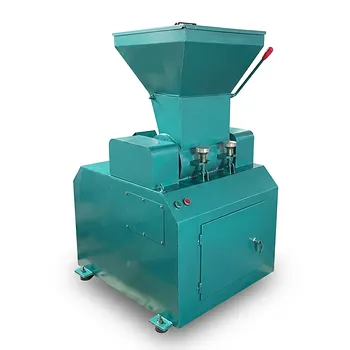
- High Speed Small Laboratory Crusher for Dry Material Sample Preparation
People Also Ask
- What is the function of a laboratory press in Cr-Ti alloy evaluation? Quantify Fracture Stress & Strength
- What is the function of a laboratory press in assessing the hydrophobic performance of modified vermiculite fillers?
- What is the core function of a laboratory press in the forming of ceramic filter element green bodies? Maximize Density.
- What is the function of a laboratory press in the preparation of ceramic feed rods? Master Density and Precision
- Why is vacuum sealing and flexible packaging necessary for Aluminum Titanate powders during CIP? Ensure Peak Density

Tech Team · PowderPreparation
Last updated on Jun 03, 2026
Related Products
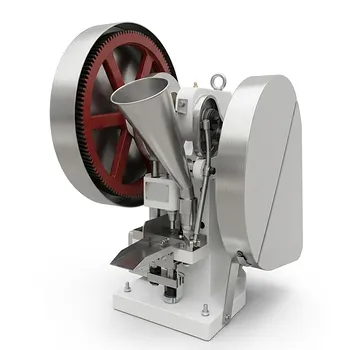
6-Ton Small Single-Punch Tablet Press — Laboratory Powder & Granule Tableting Equipment / Tablet Forming Machine
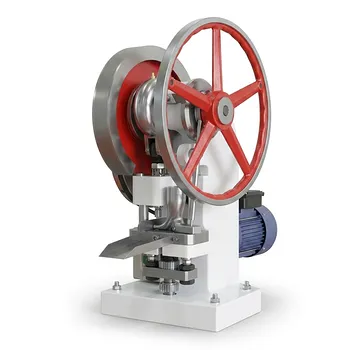
5 Ton Single Punch Tablet Press Laboratory Small Batch Production
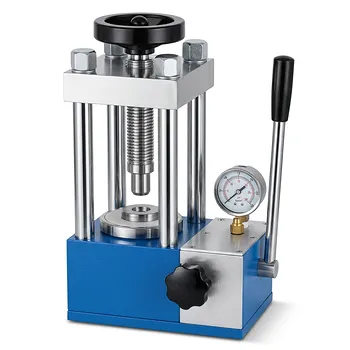
Manual Tablet Press with Dual Scale Pressure Gauge for Pharmaceutical Food Chemical Laboratory Sample Preparation
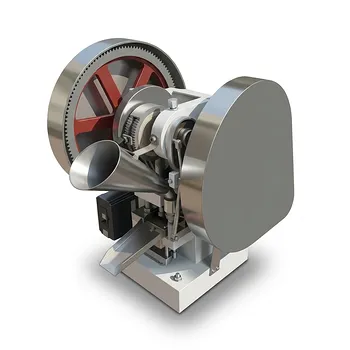
6 Ton Variable Frequency Single Punch Tablet Press
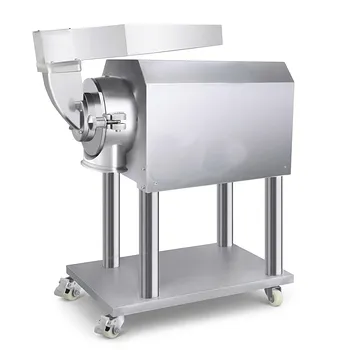
High Speed Small Laboratory Crusher for Dry Material Sample Preparation
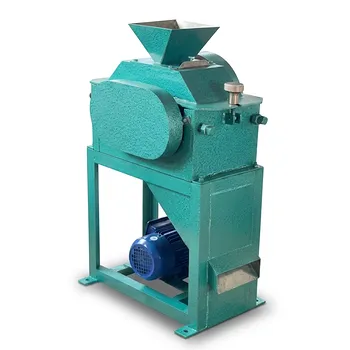
Laboratory Double Roll Crusher for Medium Hardness Materials Coal Ore Sample Preparation
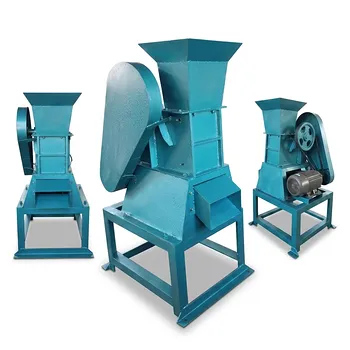
Custom Raised Height Laboratory Jaw Crusher for Precision Sample Preparation in Material Science
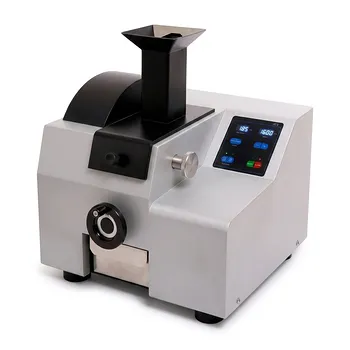
Laboratory Benchtop Jaw Crusher for Hard Brittle Materials Primary Size Reduction and Sample Preparation
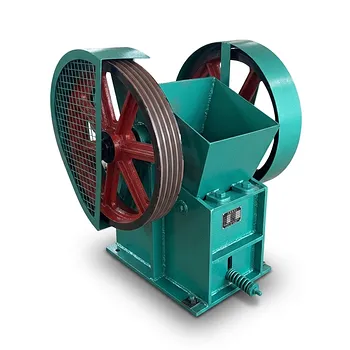
150x250mm Laboratory Jaw Crusher for Medium Hard Material Crushing and Sample Preparation
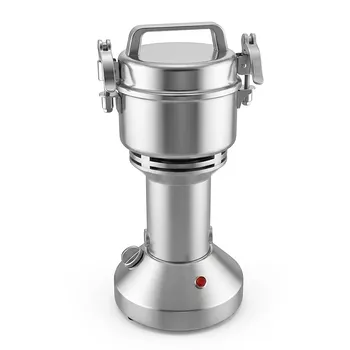
Small High Speed Upright Grinder for Laboratory Sample Preparation
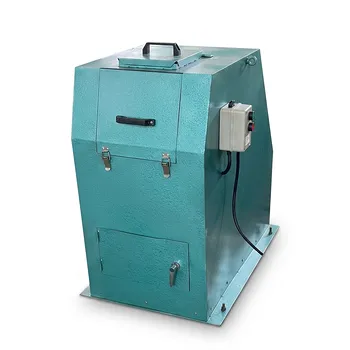
Environmentally Friendly Sealed Laboratory Jaw Crusher for Sample Preparation
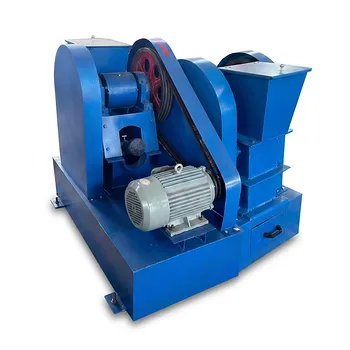
Horizontal Jaw Crusher Medium Hard Material Crushing Laboratory Sample Preparation Equipment
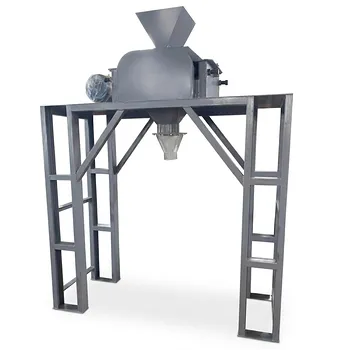
Heightened Customized Laboratory Double Roll Crusher for Coal Ore Rock Crushing
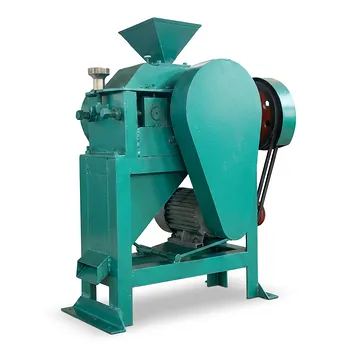
Laboratory Sealed Double Roll Crusher for Coal Ore Rock and Medium Hardness Materials Sample Preparation

Automatic Vibrating Powder Feeder for Laboratory Material Processing Precision Vibratory Hopper Feeder for Granular and Powder Material Handling Industrial Grade Vibrating Tray Feeder for Consistent Material Sample Preparation
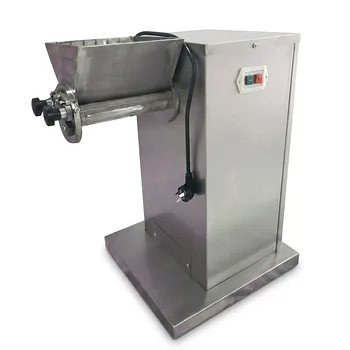
Small Laboratory Oscillating Granulator for Wet and Dry Granulation Processing
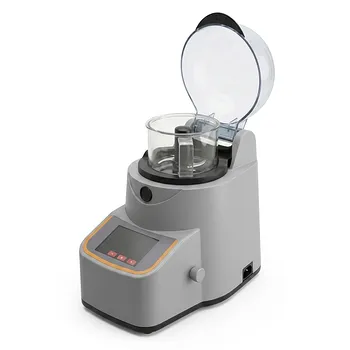
Industrial Knife Mill for Food and Biological Sample Preparation High Speed Laboratory Homogenizer
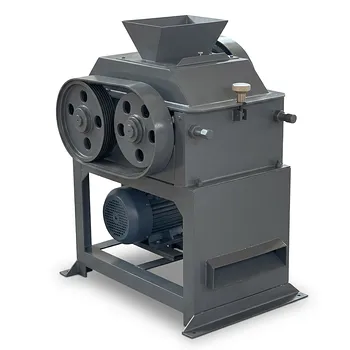
Sealed Laboratory Double Roll Crusher for Coal, Mineral, Ore Sample Preparation
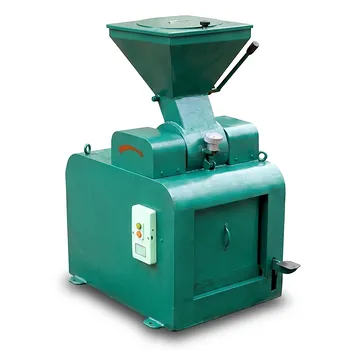
Laboratory Sealed Hammer Crushers for Coal Sample Preparation and Medium Strength Material Crushing