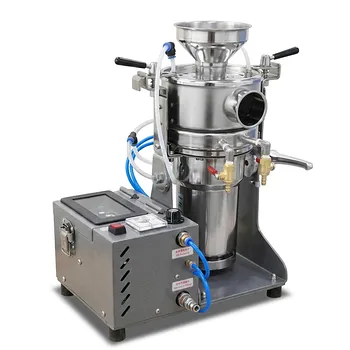
What role do wet milling and mixing play in porous ceramic supports? Key to homogeneity and precise pore structures.
Updated 4 months ago
Wet milling and mixing processes are the critical foundation for achieving microscopic homogeneity and structural uniformity in porous ceramic supports. These techniques use mechanical energy—often in a liquid medium—to reduce particle size, increase surface area, and ensure that raw materials and pore-forming agents are distributed evenly throughout the matrix. This precision is what prevents local defects and ensures the final ceramic meets specific porosity, permeability, and mechanical strength requirements.
The primary role of wet milling and mixing is to eliminate material gradients and control particle dispersion, which directly dictates the uniformity of the final pore structure. By maximizing surface area and reactivity, these processes ensure complete chemical reactions and a defect-free microstructural evolution during sintering.
Achieving Microscopic Homogeneity and Uniformity
Eliminating Material Gradients
Wet milling utilizes liquid media and mechanical energy to achieve a high degree of microscopic homogeneity between different powder components, such as kaolin and calcium carbonate. This level of mixing ensures that the chemical composition is consistent across the entire volume of the support.
Without this homogeneity, the ceramic may suffer from inconsistent phase distributions. This can lead to localized areas of weakness or irregular thermal expansion during the firing process.
Controlling Pore-Forming Agent Dispersion
In many fabrications, pore-forming agents (like sucrose or sugarcane bagasse) must be perfectly distributed within a slurry. Mechanical grinding effectively controls the particle size distribution of these agents and ensures their high dispersion within the alumina or clay matrix.
This uniform distribution is an essential prerequisite for achieving a minimal pore size deviation. It ensures that the voids left behind after the agents are burned off are consistent in size and location.
Enhancing Material Reactivity and Phase Stability
Increasing Specific Surface Area
The mechanical energy applied during milling reduces the particle size of raw materials like silicon nitride or alumina. This reduction significantly increases the specific surface area of the powder, which makes the material more reactive.
Higher reactivity is beneficial because it allows for more efficient sintering at lower temperatures. It also ensures that sintering additives, such as calcium oxide, are in intimate contact with the base powder.
Ensuring Complete Phase Reactions
Thorough mixing is fundamental to ensuring complete phase reactions during the sintering process. When components are mixed at the microscopic level, chemical transformations occur more uniformly.
This prevents the formation of isolated, unreacted pockets of material. Complete reactions are necessary to stabilize the final crystalline structure of the porous support.
Impact on Structural Integrity and Performance
Preventing Local Microstructural Defects
By ensuring a uniform distribution of all components, wet milling and mixing act as a safeguard against local microstructural defects. These defects often serve as stress concentrators that can lead to premature structural failure.
A defect-free microstructure is particularly important for applications involving high pressure or thermal cycling. It ensures the ceramic support maintains its integrity over a long service life.
Foundation for Downstream Shaping Processes
High-quality mixing provides a stable, high-quality slurry foundation for subsequent shaping steps, such as tape casting or extrusion. The viscosity and stability of these slurries depend heavily on the particle size and dispersion achieved during milling.
If the slurry is not well-mixed, the resulting green body (the un-fired ceramic) will have density variations. These variations invariably lead to warping or cracking during the drying and sintering stages.
Understanding the Trade-offs
Risk of Media Contamination
Extended milling times increase the risk of contamination from the milling media (such as alumina or zirconia balls). Wear and tear on the balls can introduce foreign particles into the mix, potentially altering the chemical properties of the ceramic.
Energy and Drying Complexity
While wet milling provides superior homogeneity compared to dry milling, it requires a significant energy investment and an additional drying step. Removing the liquid media (such as isopropanol or water) without disturbing the uniform distribution of particles requires careful control.
How to Apply This to Your Project
Making the Right Choice for Your Goal
Success in ceramic fabrication depends on matching your milling strategy to your specific performance requirements.
- If your primary focus is Pore Size Precision: Prioritize ball milling to tightly control the particle size distribution of your pore-forming agents.
- If your primary focus is High Chemical Reactivity: Extend milling times to maximize the specific surface area and ensure intimate contact between powders and additives.
- If your primary focus is Structural Reliability: Utilize wet milling over dry milling to eliminate the microscopic material gradients that cause local defects.
By mastering the mechanics of milling and mixing, you establish the fundamental conditions necessary for a high-performance, uniform porous ceramic structure.
Summary Table:
| Process Objective | Key Mechanism | Impact on Final Ceramic |
|---|---|---|
| Homogeneity | Eliminates material gradients | Prevents localized weakness and irregular expansion. |
| Pore Control | Uniform dispersion of agents | Ensures minimal pore size deviation and consistent permeability. |
| Reactivity | Increases specific surface area | Enables efficient sintering and complete phase reactions. |
| Integrity | Prevents microstructural defects | Increases mechanical strength and thermal shock resistance. |
| Shaping Base | Stable slurry foundation | Eliminates warping and cracking during drying/firing. |
Optimize Your Ceramic Fabrication with Professional Equipment
Achieving the perfect porous structure requires precision at every stage of sample preparation. At Our Laboratory Solutions, we provide complete laboratory sample preparation solutions for material science, specializing in advanced powder processing and compaction equipment.
Whether you need to maximize chemical reactivity or ensure microscopic homogeneity, our extensive product lines are designed to meet your most rigorous standards:
- Precision Milling & Mixing: Enhance dispersion with our planetary ball mills, jet mills, sand/bead mills, and specialized powder/defoaming mixers.
- Size Control: Achieve accurate particle distributions with our jaw/roll crushers and vibratory/air-jet sieve shakers.
- Advanced Compaction: Ensure structural integrity with our full spectrum of hydraulic presses, including Cold/Warm Isostatic Presses (CIP/WIP), vacuum hot presses, and XRF pellet presses.
Ready to elevate your material performance? Contact us today to discover how our specialized equipment can streamline your research and production workflows.
References
- F. Zenikheri, Noureddine Karboua. Elaboration of porous gehlenite and anorthite based ceramics using low price raw materials. DOI: 10.1590/0366-69132016623632005
Mentioned Products
- Horizontal Bead Mill for Nanoscale Grinding and Advanced Material Powder Processing
- Multi Dimensional Universal Mixer for High Uniformity Powder Blending
- Industrial Swing Granulator for Powder Processing in Pharma Food and Chemical Industries
- Small Laboratory Colloid Mill for Ultra-Fine Wet Grinding and Emulsification
- Nano Laboratory Bead Mill Desktop Sub Micron Sand Mill Screenless Seal Less Powder Grinder
People Also Ask
- How does the bead filling rate affect the grinding performance and equipment wear in a bead mill? Optimization Guide
- Why is it necessary to precisely control the grinding media loading ratio? Master Nanosuspension Yield & API Stability
- Why is a ceramic lining preferred over stainless steel for a bead mill? Protect Enzymes and Ensure Biomass Purity
- Why is an external cooling circulation system necessary during the high-speed operation of a bead mill? Protect Integrity
- Why is the filling rate of grinding beads strictly controlled during the material milling process? Optimize Efficiency.

Tech Team · PowderPreparation
Last updated on May 14, 2026
Related Products
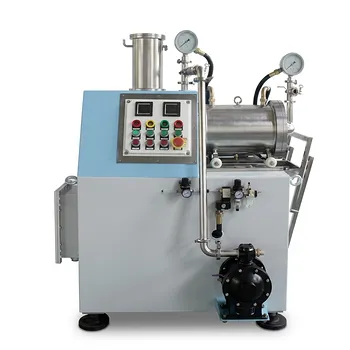
Horizontal Bead Mill for Nanoscale Grinding and Advanced Material Powder Processing
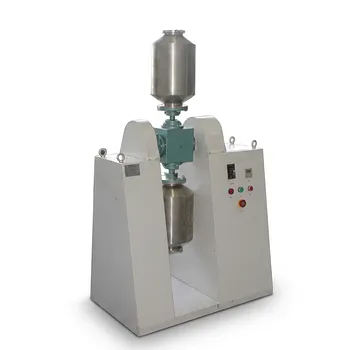
Multi Dimensional Universal Mixer for High Uniformity Powder Blending
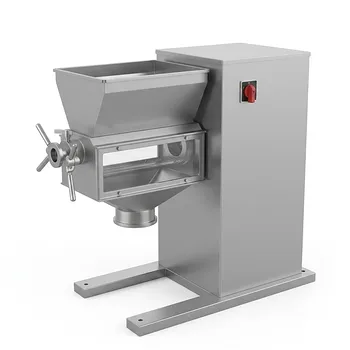
Industrial Swing Granulator for Powder Processing in Pharma Food and Chemical Industries
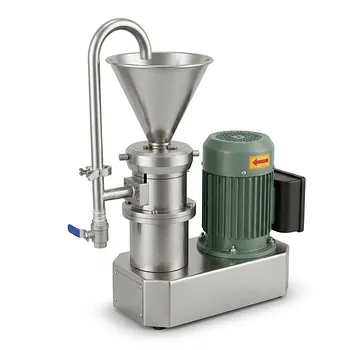
Small Laboratory Colloid Mill for Ultra-Fine Wet Grinding and Emulsification
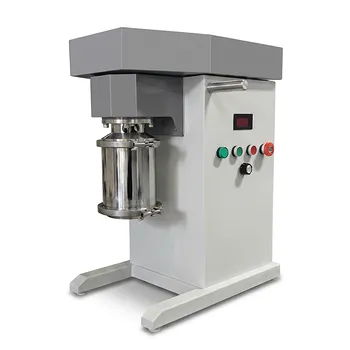
Nano Laboratory Bead Mill Desktop Sub Micron Sand Mill Screenless Seal Less Powder Grinder
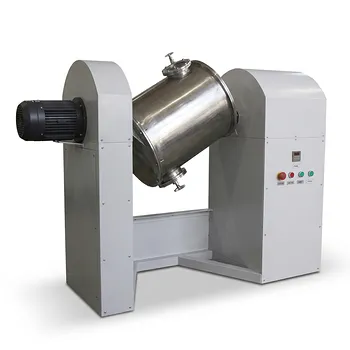
Inclined Mixer for Homogeneous Powder Blending and Grinding
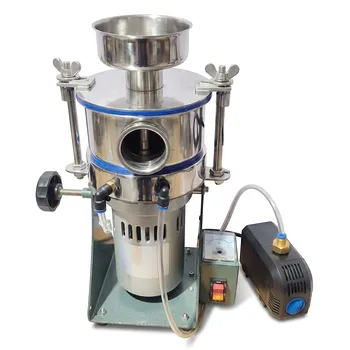
Water Cooled Airflow Ultra Fine Grinder for Low Temperature Material Processing
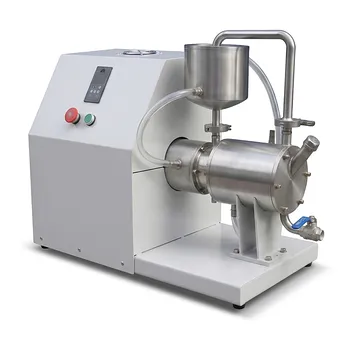
Laboratory Small Horizontal Sand Mill for Nano Materials Wet Grinding
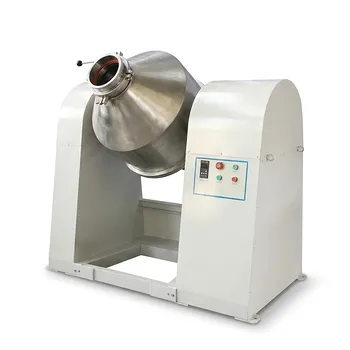
Industrial Double Cone Mixer for Powder Blending and Homogeneous Mixing
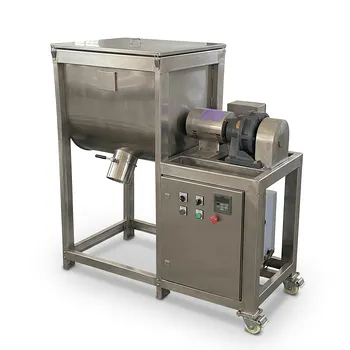
Horizontal Ribbon Mixer for Dry Powder and Slurry Blending
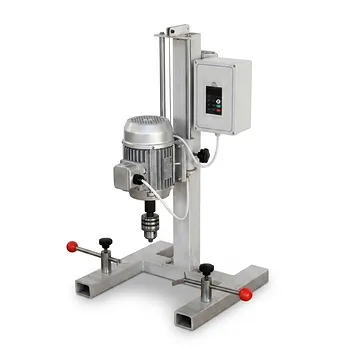
Laboratory Disperser and Sand Mill for Grinding Dispersing Emulsifying
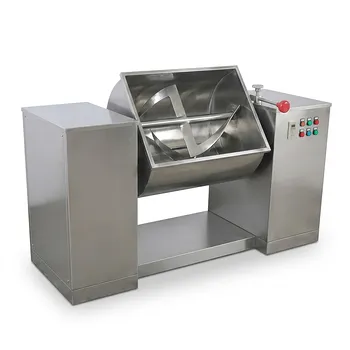
Horizontal Trough Mixer for Uniform Powder and Paste Blending
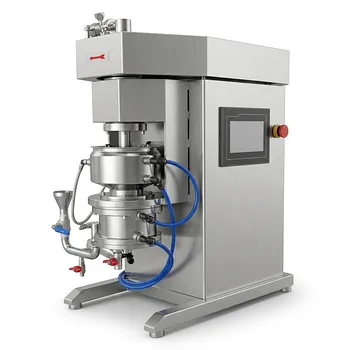
Small Ceramic Structure Laboratory Sand Mill Nanoscale Grinding Dispersion Equipment Seal-less Screen-less Design
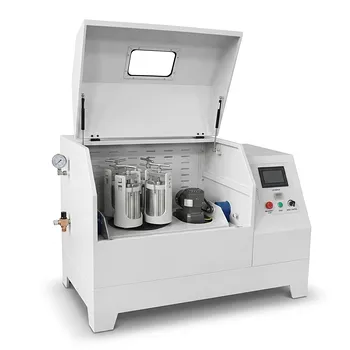
Vertical Production Planetary Ball Mill for High Throughput Powder Processing
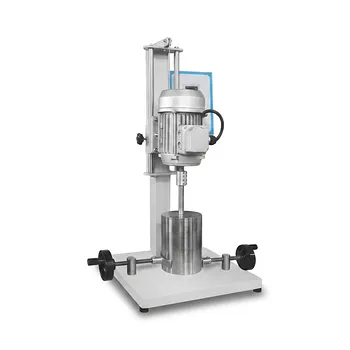
Laboratory Basket Sand Mill for Wet Grinding and Dispersion of Viscous Slurries
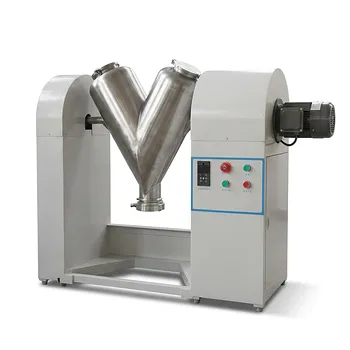
V-Type Powder Mixer for Uniform Blending of Dry Powders and Granules
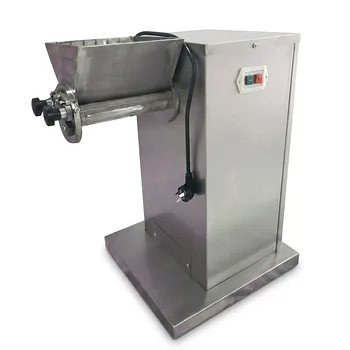
Small Laboratory Oscillating Granulator for Wet and Dry Granulation Processing
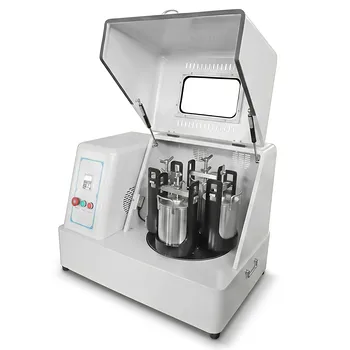
Vertical Square Planetary Ball Mill for Laboratory Sample Preparation and Nanoscale Grinding
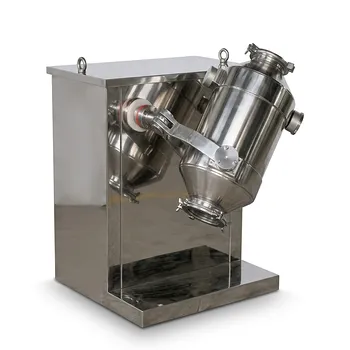
Three-Dimensional Motion Mixer for Laboratory Powder and Granule Blending