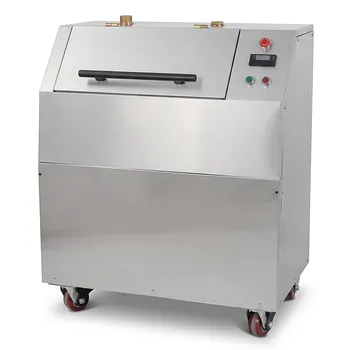
What role do vibratory sieve shakers play in the preparation of sand samples for material analysis? Ensure PSD Precision
Updated 5 months ago
Vibratory sieve shakers provide the mechanical foundation for precise particle size distribution (PSD) analysis in sand sample preparation. By utilizing multi-directional high-frequency vibrations, these instruments classify raw sand into discrete fractions, ensuring representative mineralogical heterogeneity and preventing particle segregation. This level of control is essential for downstream applications like micro-CT scanning, permeability studies, and mechanical cohesion analysis.
The core role of a vibratory sieve shaker is to automate the classification of sand grains to eliminate human error and ensure a statistically representative sample. This process is critical for establishing the reliable physical arrangements and precise particle-size data required for accurate material characterization.
Mechanical Principles of Particle Separation
Multi-Directional 3D Vibration
A vibratory sieve shaker generates three-dimensional, high-frequency mechanical vibrations that move sand samples efficiently across a stack of sieves. This movement ensures that particles jump across the mesh surfaces to find openings, rather than simply sliding, which facilitates a more thorough classification.
Overcoming Inter-Particle Forces
The high-frequency reciprocating movement is designed to overcome friction and electrostatic adsorption between individual sand grains. This ensures that particles of different sizes pass smoothly through the appropriate mesh openings, which is particularly vital for micrometer-scale clastic particles.
Precise Mechanical Grading
By using a stack of standardized test sieves, the shaker separates bulk material into discrete size fractions ranging from 20 µm to 63 mm. This automated process ensures that the particles are fully distributed across the sieve surface, enabling precise mechanical grading that manual shaking cannot replicate.
Impact on Material Analysis and Data Integrity
Preparing for Micro-CT and Morphological Statistics
Precise particle size control is a fundamental step for obtaining representative mineralogical heterogeneity. This is essential for generating accurate contact morphology statistical data during subsequent micro-CT scanning, as it ensures the physical arrangement of the sample reflects its natural state.
Establishing Hydraulic and Mechanical Parameters
The shaker allows for the reliable determination of critical parameters such as the median particle size (D50) and the sorting coefficient (σ). These metrics are vital for evaluating the consistency of grain distribution and assessing how particle size impacts the permeability of porous media in fluid flow experiments.
Standardizing Experimental Groups
In studies of mechanical cohesion, industrial shakers ensure a high level of consistency across different experimental groups. By maintaining a constant sieving frequency and duration, researchers can provide standardized samples ranging from very coarse to very fine sand, eliminating variables that could skew comparative results.
Operational Standardization and Repeatability
Eliminating Manual Variability
Manual sieving is prone to incomplete separation and human error, which compromises data reliability. Vibratory shakers provide an automated, standardized process that ensures the repeatability of experimental data across different laboratory environments.
Soil Classification and Suitability
For clayey sand samples, the shaker is used to accurately determine the proportions of clay, silt, sand, and gravel. This data is necessary for precise soil classification and for assessing whether a material is suitable for treatment with hydraulic binders.
Understanding the Trade-offs and Limitations
Sieve Blinding and Clogging
One of the primary challenges is sieve blinding, where near-sized particles become wedged in the mesh openings. This can restrict the passage of smaller grains and lead to inaccurate distribution data if the shaker is not properly calibrated or if the mesh is not cleaned between runs.
Potential for Particle Attrition
The aggressive nature of high-frequency vibration can lead to particle attrition, where fragile sand grains break down into smaller fragments during the sieving process. This creates "artificial fines" that may result in a recorded particle size distribution that is finer than the actual raw material.
Sample Moisture Sensitivity
Vibratory sieving is most effective on dried sand samples. If the material has residual moisture, particles may clump together or stick to the sieve walls, rendering the mechanical vibration ineffective at overcoming the capillary forces between grains.
How to Apply This to Your Project
Once you have identified your analytical goals, select your sieving parameters to match the required level of precision.
- If your primary focus is micro-CT or morphological analysis: Prioritize strict control over particle size ranges to ensure the physical arrangement of the sample is statistically representative of its mineralogical heterogeneity.
- If your primary focus is fluid flow or permeability studies: Use specific mesh sizes (e.g., 500 μm for coarse or 125 μm for fine) to ensure the uniformity of the porous medium and the repeatability of flow experiments.
- If your primary focus is industrial soil classification: Focus on determining the exact proportions of clay, silt, and gravel to evaluate the material’s compatibility with hydraulic binders or other treatments.
By leveraging the automated precision of vibratory sieve shakers, researchers can ensure that their material analysis is built upon a foundation of accurate and repeatable data.
Summary Table:
| Feature | Description | Impact on Sample Preparation |
|---|---|---|
| Vibration Type | 3D high-frequency mechanical movement | Ensures particles find mesh openings rather than sliding. |
| Grading Range | Discrete fractions from 20 µm to 63 mm | Enables precise mechanical grading and soil classification. |
| Force Control | Overcomes friction and electrostatic forces | Prevents clumping and ensures smooth passage of fine grains. |
| Data Integrity | Eliminates manual variability and human error | Provides repeatable results for D50 and permeability studies. |
| Standardization | Consistent frequency and duration settings | Vital for mineralogical heterogeneity and Micro-CT scanning. |
Elevate Your Material Analysis with Precision Sample Preparation
Achieving accurate and repeatable results in material science starts with perfect sample preparation. We provide complete laboratory sample preparation solutions tailored for researchers and engineers focusing on powder processing and advanced material characterization.
Our extensive product line is designed to handle every stage of your workflow:
- Sizing & Classification: High-performance vibratory and air-jet sieve shakers with a wide range of standardized test sieves.
- Milling & Grinding: Jaw/roll crushers, planetary ball mills, jet mills, and liquid nitrogen cryogenic grinders for ultimate particle size reduction.
- Mixing: Precision powder mixers and vacuum defoaming mixers for homogeneous blends.
- Compaction & Pressing: A full spectrum of hydraulic presses, including Cold/Warm Isostatic Presses (CIP/WIP), standard lab presses, XRF pellet presses, and advanced vacuum hot presses.
Whether you are conducting permeability studies, Micro-CT scanning, or evaluating mechanical cohesion, our equipment ensures your samples meet the highest standards of integrity.
Ready to optimize your lab's performance? Contact our expert team today to find the ideal solution for your specific application requirements.
References
- Fernando Alonso-Marroquin, Abdullatif Al‐Shuhail. Contact morphology of sand particles in dunes. DOI: 10.1038/s41598-025-15888-8
Mentioned Products
- Vibratory Sieve Shaker Electromagnetic 3D Motion Powder Particle Size Analyzer for Dry and Wet Sieving
- Laboratory Dry and Wet Three Dimensional Vibratory Sieve Shaker for Particle Analysis
- Dry Three Dimensional Vibratory Sieve Shaker
- Stainless Steel Laboratory Vibratory Test Sieve Shaker
- Heavy Duty Dry Three Dimensional Vibratory Sieve Shaker for Particle Separation
People Also Ask
- How does a vibratory sieve shaker contribute to optimizing the performance of activated carbon? Enhance Adsorption Precision
- Why is a laboratory vibratory sieve shaker necessary for processing magnesium-based borate precursor powders? Boost Activity
- Why use a vibratory sieve shaker to verify coarse aggregate grading in rubberized concrete? Ensure Structural Integrity
- What function do vibratory sieve shakers and standard test sieves serve in the preparation of adsorbents? Key Guide
- What role does a vibratory sieve shaker play in the particle size analysis of ground corn products? Enhance QC Precision

Tech Team · PowderPreparation
Last updated on May 14, 2026
Related Products
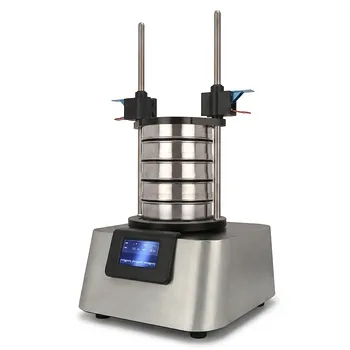
Vibratory Sieve Shaker Electromagnetic 3D Motion Powder Particle Size Analyzer for Dry and Wet Sieving
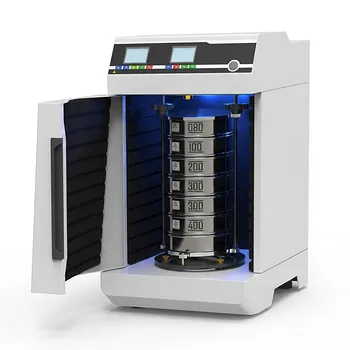
Laboratory Dry and Wet Three Dimensional Vibratory Sieve Shaker for Particle Analysis
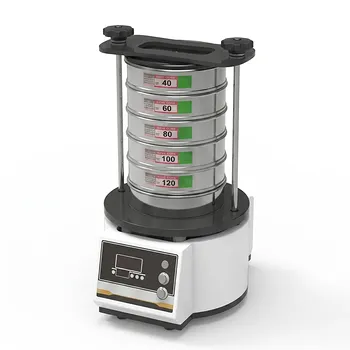
Dry Three Dimensional Vibratory Sieve Shaker
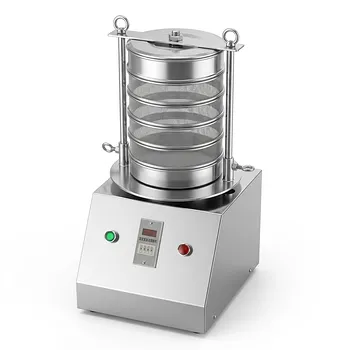
Stainless Steel Laboratory Vibratory Test Sieve Shaker
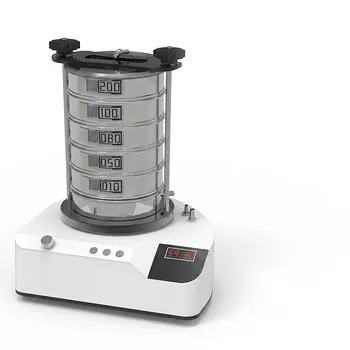
Heavy Duty Dry Three Dimensional Vibratory Sieve Shaker for Particle Separation
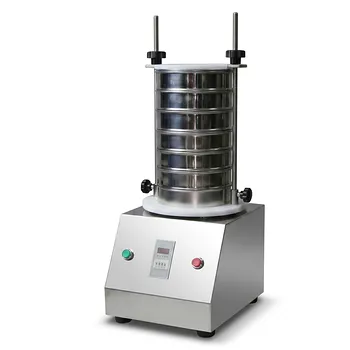
Small Laboratory Vibratory Sieve Shaker for Powder Gradation and Particle Size Analysis
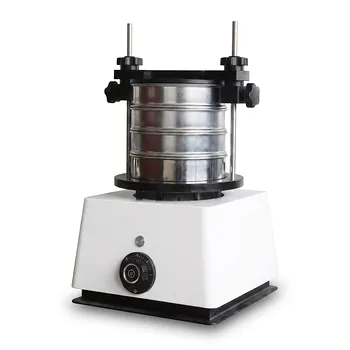
Small Laboratory Vibrating Sieve Shaker for Precise Particle Size Analysis
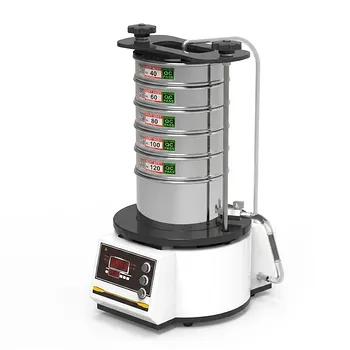
High Frequency Wet Three-Dimensional Vibrating Sieve Shaker for Dry and Wet Particle Size Analysis
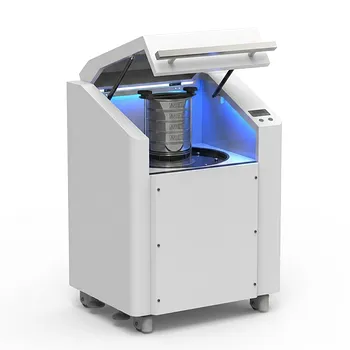
High Frequency Cabinet Type Three-Dimensional Rotary Vibrating Sieve Shaker for Dry Sieving and Particle Classification
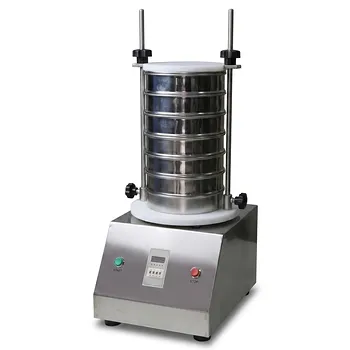
Laboratory Vibratory Test Sieve Shaker for Precision Particle Size Analysis and Powder Grading
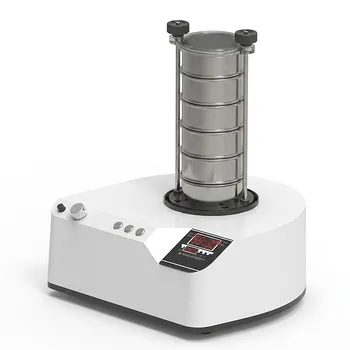
三维电磁微量振动筛分仪
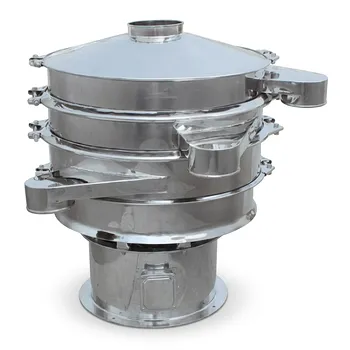
Stainless Steel Rotary Vibrating Sieve High Precision Circular Vibratory Separator Industrial Powder Grading Machine Multi Layer Sifting Equipment
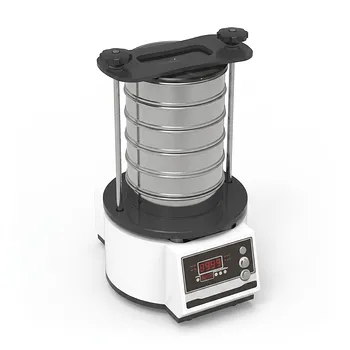
Tapping Oscillating Sieve Shaker for Dry and Wet Particle Size Analysis
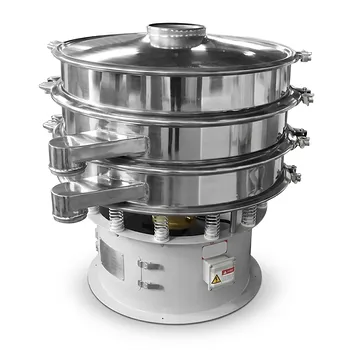
Three Dimensional Rotary Vibrating Sieve
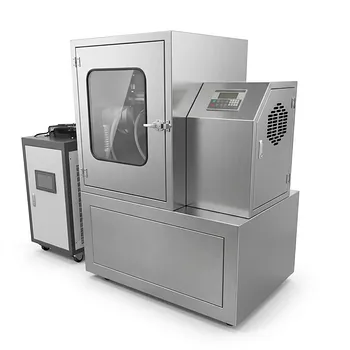
Vibratory Superfine Grinder for Ultra Fine Laboratory Powder Milling
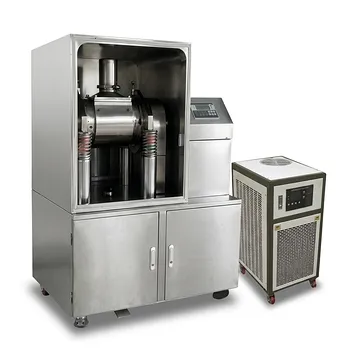
Small Vibrating Ultrafine Grinder for Traditional Chinese Medicine
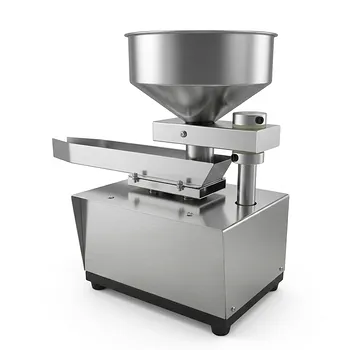
Automatic Vibrating Powder Feeder for Laboratory Material Processing Precision Vibratory Hopper Feeder for Granular and Powder Material Handling Industrial Grade Vibrating Tray Feeder for Consistent Material Sample Preparation