What role do vibratory sieve shakers play in UO2-Gd2O3 fuel pellet validation? Ensure High Precision & Yield
Updated 4 months ago
Vibratory sieve shakers and standard test sieves serve as the primary tools for qualifying particle size distribution and mechanical integrity in UO2-Gd2O3 fuel pellet production. These instruments allow engineers to isolate specific powder fractions to control sintering density and to simulate mechanical stress to ensure finished pellets meet strict durability standards.
The core role of sieving equipment in process validation is to provide the empirical data necessary to link raw material dimensions to final product performance. By quantifying particle distribution and durability, manufacturers ensure that every pellet meets the precise density, porosity, and structural requirements of nuclear fuel.
Characterizing Raw Material Feedstocks
Isolating Gd2O3 Agglomerate Sizes
In the validation phase, vibratory shakers isolate specific ranges of Gadolinium Oxide (Gd2O3) powders, typically between 74 and 149 micrometers. This precision allows researchers to study how the size of original agglomerates directly influences the porosity and density of the sintered pellet.
Setting Grinding and Milling Parameters
The data gathered from sieve analysis provides the technical baseline for configuring upstream equipment. By understanding the distribution of the feedstock, engineers can set optimal parameters for grinding and milling to ensure a consistent mix with the UO2 base.
Quantifying Process Stability and Yield
Analyzing Particle Size Distribution (PSD)
Vibratory shakers drive a stack of sieves with varying mesh sizes (e.g., 1680μm to 300μm) to calculate the Span value of the pellets. This value helps process engineers evaluate the stability and reproducibility of the production line over time.
Calculating Qualified Yield
By weighing the material retained on each sieve level, the system identifies the percentage of pellets within the target range, such as 850-1180μm. This enables an accurate calculation of the yield of qualified pellets versus the ratio of oversize particles and fines.
Validating Mechanical Strength and Durability
Simulating Handling Stress
During durability testing, the shaker is used to simulate the mechanical stress and friction pellets encounter during transportation. Pellets are subjected to specific vibration frequencies or rotations (such as 50 rpm) to measure their resistance to fragmentation.
Meeting Commercial Standards
The resulting fine powder is screened and weighed to determine the mass percentage of pellets that remain intact. This objective measurement is used to validate the process against international standards, such as those requiring a durability greater than 97.5%.
Understanding the Trade-offs
Equipment Wear and Sieve Blinding
Continuous use of vibratory shakers can lead to sieve blinding, where particles become lodged in the mesh and skew the data. Regular maintenance and the use of de-blinding aids are necessary to maintain the accuracy of the validation results.
Material Degradation During Testing
The very process of testing durability involves subjecting pellets to stress, which can lead to sample loss. Engineers must balance the intensity of the vibration with the need for a realistic simulation to avoid over-estimating the "fines" produced by the process itself.
How to Apply This to Your Process Validation
Recommendations Based on Production Goals
To effectively integrate sieving into your validation workflow, consider your primary objective:
- If your primary focus is Sintering Optimization: Use high-precision sieves to isolate tight Gd2O3 powder fractions to establish a clear correlation between agglomerate size and final sintered density.
- If your primary focus is Production Throughput: Prioritize the analysis of the oversize-to-fines ratio to quickly identify inefficiencies in your milling or pelletizing stages.
- If your primary focus is Regulatory Compliance: Implement standardized durability tests using fixed vibration frequencies and times to ensure pellets consistently exceed the 97.5% mechanical strength threshold.
Properly validated sieving processes ensure that the final fuel grain size falls within the preset range, maintaining the safety and efficiency of the nuclear fuel cycle.
Summary Table:
| Validation Stage | Equipment Function | Key Quality Metric |
|---|---|---|
| Feedstock Characterization | Isolating $Gd_2O_3$ agglomerates (74-149μm) | Controlled porosity & sintering density |
| Process Stability | Calculating PSD and Span values | Consistency & reproducibility of production |
| Yield Analysis | Screening pellets (e.g., 850-1180μm) | Percentage of qualified product vs. fines |
| Durability Testing | Simulating handling stress at 50 rpm | Mechanical integrity (>97.5% resistance) |
Elevate Your Material Research with Expert Sample Prep Solutions
Precision in particle size and mechanical integrity is critical for the success of $UO_2$-$Gd_2O_3$ fuel pellet production. [Brand Name] provides complete laboratory sample preparation solutions for material science, specializing in the high-performance powder processing and compaction equipment needed to meet stringent nuclear standards.
Our extensive product line includes:
- Particle Analysis: Vibratory and air-jet sieve shakers with high-precision test sieves for accurate PSD and yield calculation.
- Milling & Grinding: Planetary ball mills, jet mills, and cryogenic grinders to achieve the perfect feedstock consistency.
- Compaction Excellence: A full spectrum of hydraulic presses, including Cold/Warm Isostatic Presses (CIP/WIP), standard lab presses, and vacuum hot presses for high-density pelletizing.
Whether you are optimizing sintering parameters or validating mechanical durability, our team is ready to provide the technical expertise and equipment reliability you require. Contact us today to discuss your specific laboratory needs and see how we can bring superior efficiency to your workflow.
References
- Palanki Balakrishna. Fabrication of UO<sub>2</sub>-Gd<sub>2</sub>O<sub>3</sub> Fuel Pellets. DOI: 10.4236/msce.2016.42002
Mentioned Products
- Vibratory Sieve Shaker Electromagnetic 3D Motion Powder Particle Size Analyzer for Dry and Wet Sieving
- Laboratory Dry and Wet Three Dimensional Vibratory Sieve Shaker for Particle Analysis
- Dry Three Dimensional Vibratory Sieve Shaker
- Stainless Steel Laboratory Vibratory Test Sieve Shaker
- Heavy Duty Dry Three Dimensional Vibratory Sieve Shaker for Particle Separation
People Also Ask
- How does a vibratory sieve shaker contribute to optimizing the performance of activated carbon? Enhance Adsorption Precision
- Why is a laboratory vibratory sieve shaker necessary for processing magnesium-based borate precursor powders? Boost Activity
- Why use a vibratory sieve shaker to verify coarse aggregate grading in rubberized concrete? Ensure Structural Integrity
- What function do vibratory sieve shakers and standard test sieves serve in the preparation of adsorbents? Key Guide
- What role does a vibratory sieve shaker play in the particle size analysis of ground corn products? Enhance QC Precision

Tech Team · PowderPreparation
Last updated on Jun 03, 2026
Related Products
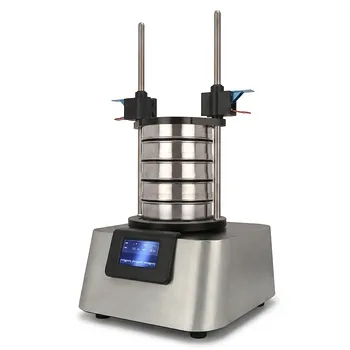
Vibratory Sieve Shaker Electromagnetic 3D Motion Powder Particle Size Analyzer for Dry and Wet Sieving
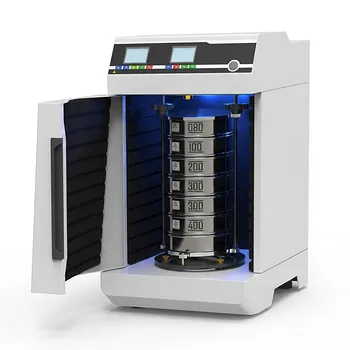
Laboratory Dry and Wet Three Dimensional Vibratory Sieve Shaker for Particle Analysis
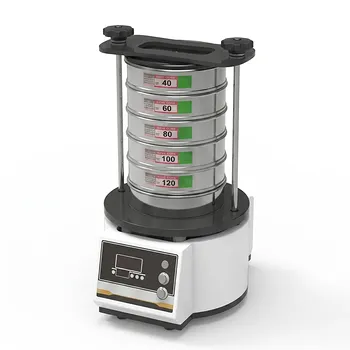
Dry Three Dimensional Vibratory Sieve Shaker
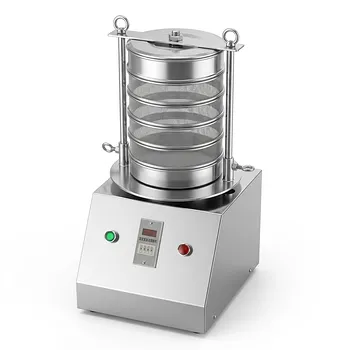
Stainless Steel Laboratory Vibratory Test Sieve Shaker
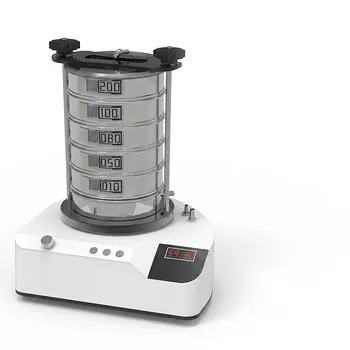
Heavy Duty Dry Three Dimensional Vibratory Sieve Shaker for Particle Separation
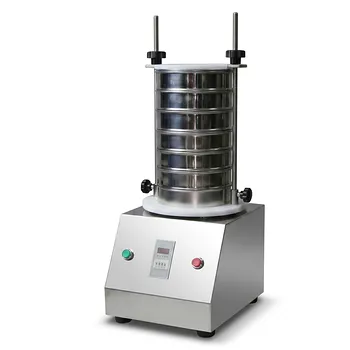
Small Laboratory Vibratory Sieve Shaker for Powder Gradation and Particle Size Analysis
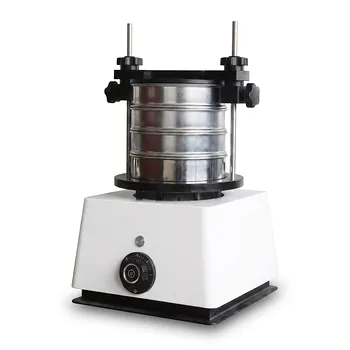
Small Laboratory Vibrating Sieve Shaker for Precise Particle Size Analysis
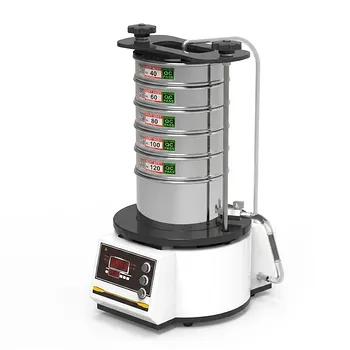
High Frequency Wet Three-Dimensional Vibrating Sieve Shaker for Dry and Wet Particle Size Analysis
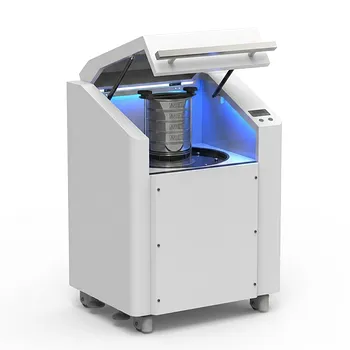
High Frequency Cabinet Type Three-Dimensional Rotary Vibrating Sieve Shaker for Dry Sieving and Particle Classification
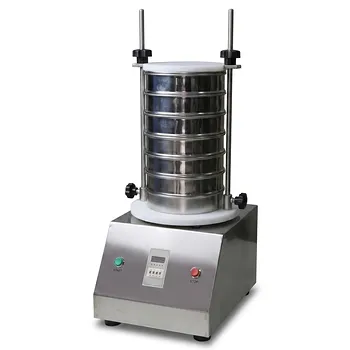
Laboratory Vibratory Test Sieve Shaker for Precision Particle Size Analysis and Powder Grading
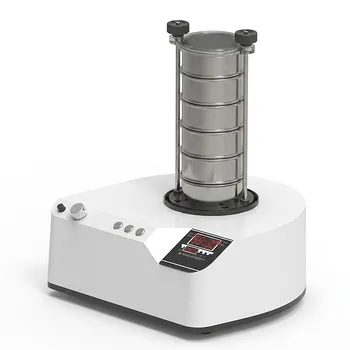
三维电磁微量振动筛分仪
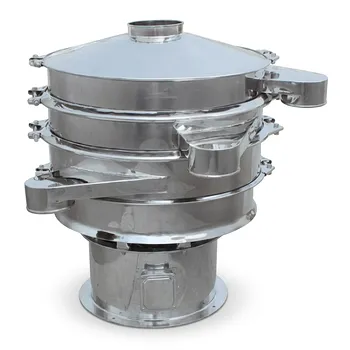
Stainless Steel Rotary Vibrating Sieve High Precision Circular Vibratory Separator Industrial Powder Grading Machine Multi Layer Sifting Equipment
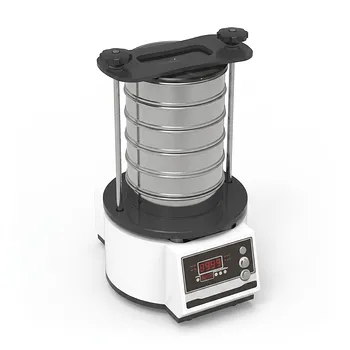
Tapping Oscillating Sieve Shaker for Dry and Wet Particle Size Analysis
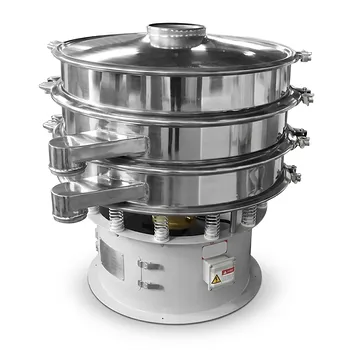
Three Dimensional Rotary Vibrating Sieve
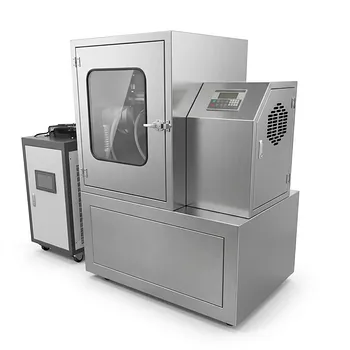
Vibratory Superfine Grinder for Ultra Fine Laboratory Powder Milling
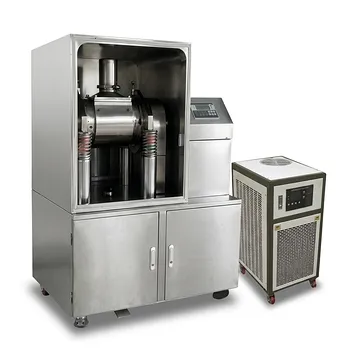
Small Vibrating Ultrafine Grinder for Traditional Chinese Medicine
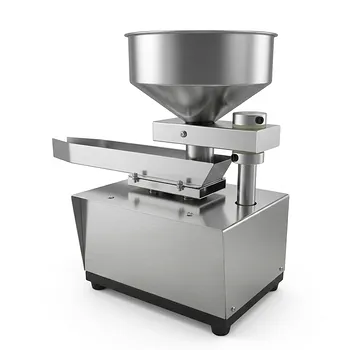
Automatic Vibrating Powder Feeder for Laboratory Material Processing Precision Vibratory Hopper Feeder for Granular and Powder Material Handling Industrial Grade Vibrating Tray Feeder for Consistent Material Sample Preparation