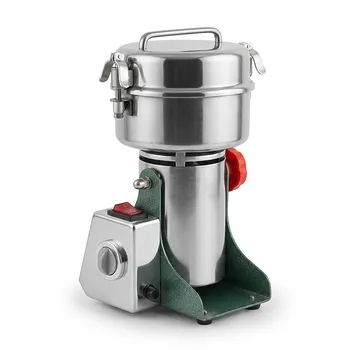
What role do grinders and sieve shakers play in PSP fiber pretreatment? Enhance Surface Area and Reaction Efficiency
Updated 5 months ago
Mechanical pretreatment is the critical first step in transforming raw plantain pseudo-stem (PSP) fibers into high-value cellulose materials. Industrial-grade grinders and vibratory sieve shakers work in tandem to physically refine raw fibers into a controlled, high-surface-area powder. This process ensures the uniformity required for efficient chemical processing and consistent material performance in downstream applications.
The combination of grinding and vibratory sieving transforms bulk PSP fibers into a standardized feedstock with a high specific surface area. This mechanical refinement is essential for overcoming mass transfer limitations and ensuring uniform chemical reaction kinetics during cellulose extraction.
Maximizing Chemical Reaction Efficiency
Increasing Specific Surface Area
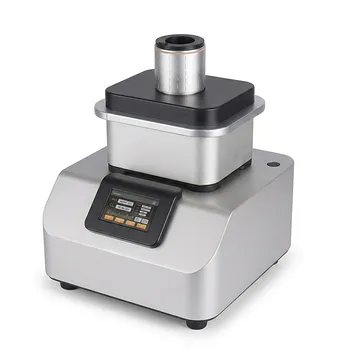
Industrial-grade grinders are utilized to crush dried plant fibers into significantly smaller dimensions. By reducing the physical size of the PSP fibers, these machines dramatically increase the specific surface area available for chemical interaction. This transition from bulk fiber to fine powder is necessary to expose the internal lignocellulosic structure.
Enhancing Solvent Penetration
High-efficiency grinding ensures that subsequent chemical agents, such as alkali treatments, can penetrate the fiber more effectively. Smaller particles reduce the distance chemicals must travel to reach the core of the fiber, minimizing diffusion limitations. This results in a more thorough and consistent extraction of cellulose.
Accelerating Reaction Kinetics
Because the available contact area is higher, the speed and efficiency of chemical reactions are significantly improved. This allows for more precise control over the decrystallization and extraction processes. Uniform particles prevent the "outer-layer over-processing" that often occurs when large chunks are subjected to harsh solvents.
Achieving Precision Particle Size Distribution
Eliminating Material Variability
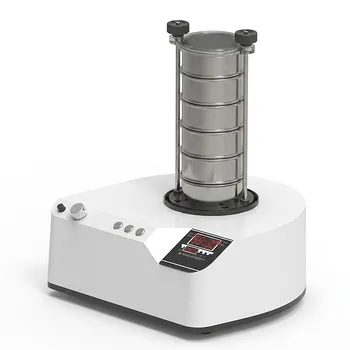
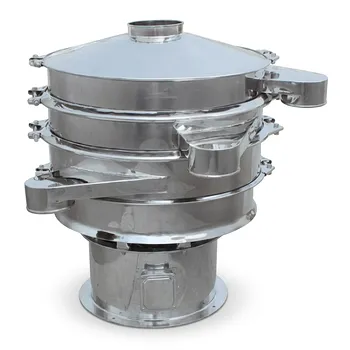
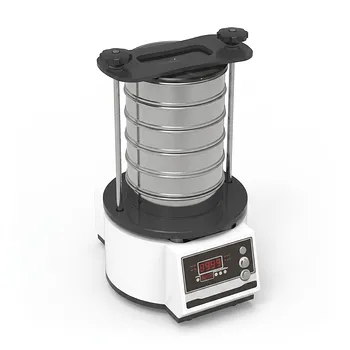
Vibratory sieve shakers are employed to isolate powders within specific, narrow particle size ranges. Using standardized test sieves, these machines remove oversized particles that could cause inconsistencies in the final product. This isolation ensures that the raw material is homogenous before it ever enters a laboratory or production reactor.
Improving Dispersion in Matrices
For fibers intended for use in polymer composites, precise size control is vital for uniform dispersion. Consistent particle sizes allow the fibers to distribute evenly within a matrix, such as HDPE or LDPE. This prevents the formation of clumps, which can lead to structural weaknesses in the finished material.
Preventing Stress Concentration
In material science, oversized or irregularly shaped fibers often act as "stress concentrators" that lead to premature failure of a composite. Vibratory sieving ensures a uniform aspect ratio and size distribution across the batch. This physical standardization is the foundation for achieving stable and predictable mechanical properties in bio-composite engineering.
Understanding the Trade-offs
Energy Consumption vs. Particle Fineness
While finer particles generally improve chemical efficiency, the energy required for grinding increases exponentially as particle size decreases. Engineers must balance the cost of mechanical energy against the benefits of faster chemical reaction times. Over-processing can lead to higher production costs without providing a proportional increase in material quality.
Potential for Thermal Damage
Industrial grinding generates significant friction, which can lead to localized heating of the PSP fibers. If temperatures are not monitored, this heat can prematurely degrade sensitive organic components or alter the fiber's chemical profile. It is often necessary to use interval grinding or cooling systems to maintain the integrity of the lignocellulosic structure.
Loss of Aspect Ratio
Aggressive grinding can reduce the length of the fibers to the point where they lose their reinforcing capabilities. If the goal is to create high-strength composites, over-grinding may destroy the fiber's natural structural advantages. The sieving process must be carefully calibrated to retain the optimal balance between particle fineness and structural length.
How to Apply This to Your Project
Successful fiber pretreatment requires matching your mechanical processing parameters to your end-use requirements.
- If your primary focus is high-purity cellulose extraction: Prioritize a finer grind and narrow sieving (e.g., 40-60 mesh) to maximize the surface area for alkali penetration and chemical reaction efficiency.
- If your primary focus is structural composite reinforcement: Focus on maintaining a consistent aspect ratio by using a coarser sieve range to ensure the fibers can effectively bridge loads within the polymer matrix.
- If your primary focus is industrial scalability and cost: Optimize the grinding duration to reach the "point of diminishing returns," where the particle size is sufficient for chemical reactivity without excessive energy expenditure.
By treating mechanical grinding and sieving as precise engineering steps rather than mere "crushing," you ensure the reliability and performance of the resulting plantain pseudo-stem materials.
Summary Table:
| Equipment Type | Key Role in PSP Pretreatment | Primary Benefit |
|---|---|---|
| Industrial Grinders | Reduces bulk fibers to fine powder | Increases specific surface area for faster chemical reactions |
| Vibratory Sieve Shakers | Isolates specific particle size ranges | Ensures material uniformity and prevents stress concentration |
| Combined Process | Standardizes raw feedstock | Optimizes solvent penetration and downstream dispersion |
Optimize Your Fiber Pretreatment with Precision Equipment
Achieving consistent results in material science requires more than just crushing; it demands precision. Contact us today to discover how our professional-grade solutions can streamline your laboratory or production workflow.
At our core, we provide complete laboratory sample preparation solutions tailored for material science and powder processing. Our extensive equipment line supports your entire research cycle:
- Size Reduction: High-efficiency mills (planetary, jet, rotor, and disc) and industrial crushers for perfect fiber refinement.
- Particle Analysis: Vibratory and air-jet sieve shakers with a wide range of test sieves to ensure uniform distribution.
- Mixing & Compaction: Advanced powder mixers and a full spectrum of hydraulic presses, including Cold/Warm Isostatic Presses (CIP/WIP) and vacuum hot presses for superior material density.
Whether you are extracting high-purity cellulose or engineering bio-composites, our team provides the technical expertise and reliable supply chain support you need to succeed. Inquire now to find the perfect equipment match for your PSP fiber project!
References
- C. Tejada-Tovar, Luis Sierra-Payares. Preparation and characterization of a biocomposite for Cr(VI) adsorption by evaluating the useful life of the biomaterial. DOI: 10.24275/rmiq/ia25486
Mentioned Products
- Small Laboratory Vibratory Sieve Shaker for Powder Gradation and Particle Size Analysis
- Vibratory Sieve Shaker Electromagnetic 3D Motion Powder Particle Size Analyzer for Dry and Wet Sieving
- Small Laboratory Vibrating Sieve Shaker for Precise Particle Size Analysis
- Laboratory Vibratory Test Sieve Shaker for Precision Particle Size Analysis and Powder Grading
- Heavy Duty Dry Three Dimensional Vibratory Sieve Shaker for Particle Separation
People Also Ask
- Why use a 450 μm vibratory sieve shaker for MLO? Ensure Superior Particle Uniformity & Adsorption Performance
- Why is a laboratory vibratory sieve shaker essential for coconut cake fiber? Achieve Precise Particle Size Analysis
- What is the role of laboratory vibratory sieve shakers in waste PUR foam recycling? Optimize Particle Size and Density
- How does a laboratory vibratory sieve shaker contribute to the pre-treatment of PCB powders before sorting? Boost Yields
- What is the primary function of a laboratory vibratory sieve shaker in the evaluation of sand liquefaction potential?

Tech Team · PowderPreparation
Last updated on May 14, 2026
Related Products
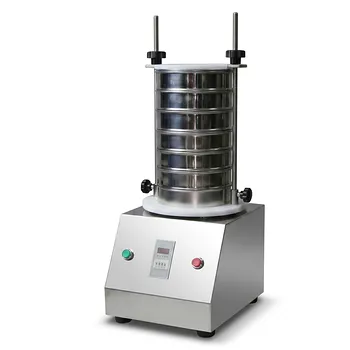
Small Laboratory Vibratory Sieve Shaker for Powder Gradation and Particle Size Analysis
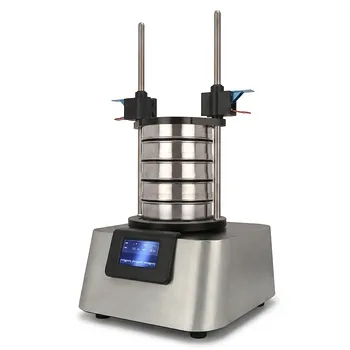
Vibratory Sieve Shaker Electromagnetic 3D Motion Powder Particle Size Analyzer for Dry and Wet Sieving
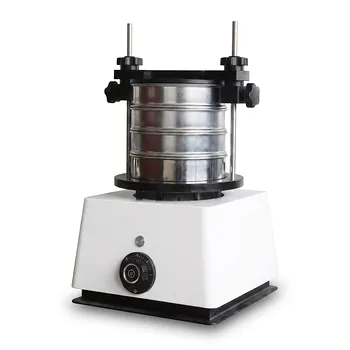
Small Laboratory Vibrating Sieve Shaker for Precise Particle Size Analysis
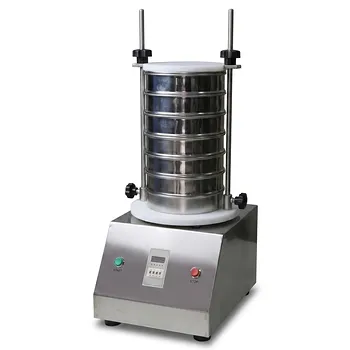
Laboratory Vibratory Test Sieve Shaker for Precision Particle Size Analysis and Powder Grading
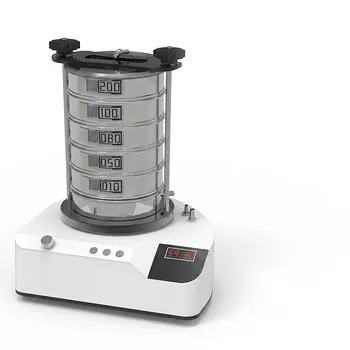
Heavy Duty Dry Three Dimensional Vibratory Sieve Shaker for Particle Separation
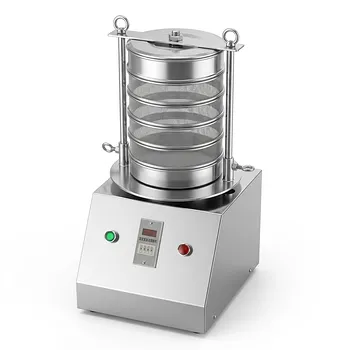
Stainless Steel Laboratory Vibratory Test Sieve Shaker
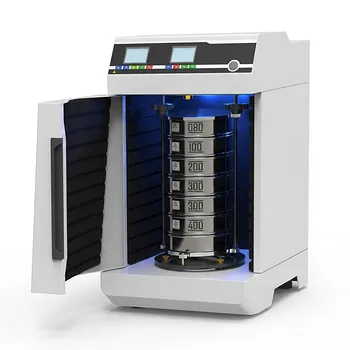
Laboratory Dry and Wet Three Dimensional Vibratory Sieve Shaker for Particle Analysis
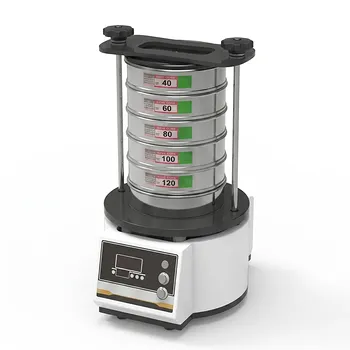
Dry Three Dimensional Vibratory Sieve Shaker
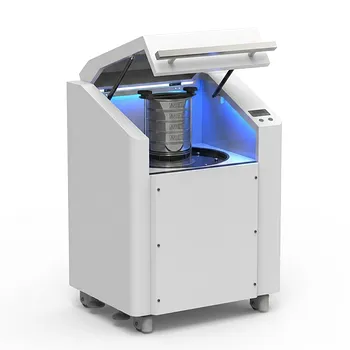
High Frequency Cabinet Type Three-Dimensional Rotary Vibrating Sieve Shaker for Dry Sieving and Particle Classification
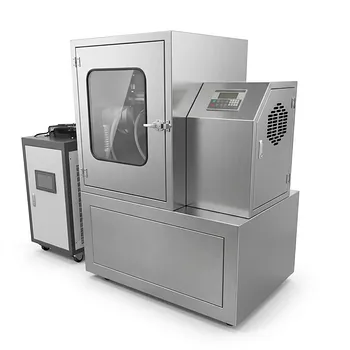
Vibratory Superfine Grinder for Ultra Fine Laboratory Powder Milling
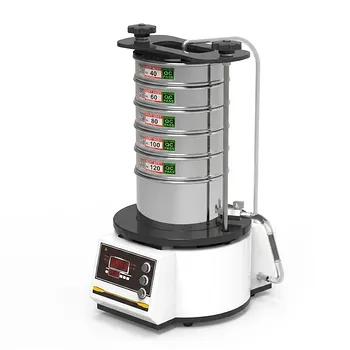
High Frequency Wet Three-Dimensional Vibrating Sieve Shaker for Dry and Wet Particle Size Analysis
三维电磁微量振动筛分仪
Stainless Steel Rotary Vibrating Sieve High Precision Circular Vibratory Separator Industrial Powder Grading Machine Multi Layer Sifting Equipment
Tapping Oscillating Sieve Shaker for Dry and Wet Particle Size Analysis
Ultra Centrifugal Mill High Speed Laboratory Grinder for Fibrous and Brittle Sample Preparation
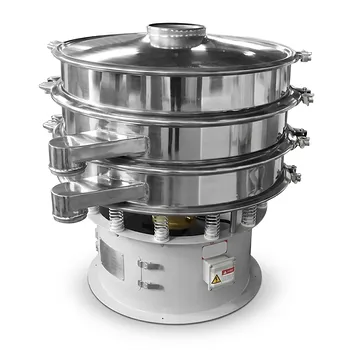
Three Dimensional Rotary Vibrating Sieve
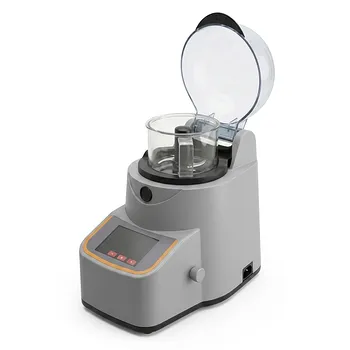
Industrial Knife Mill for Food and Biological Sample Preparation High Speed Laboratory Homogenizer
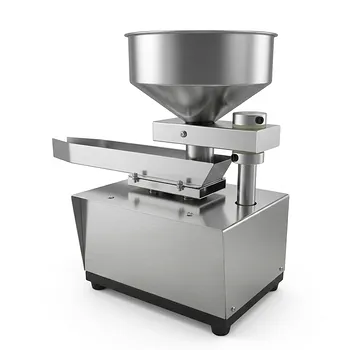
Automatic Vibrating Powder Feeder for Laboratory Material Processing Precision Vibratory Hopper Feeder for Granular and Powder Material Handling Industrial Grade Vibrating Tray Feeder for Consistent Material Sample Preparation
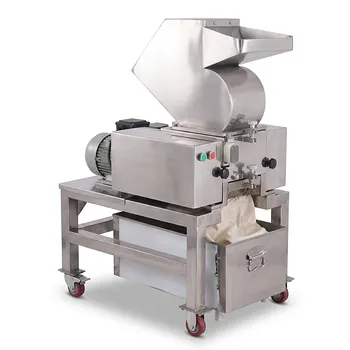
Stainless Steel Coarse Crusher for Pharmaceutical Food and Plastic Material Processing