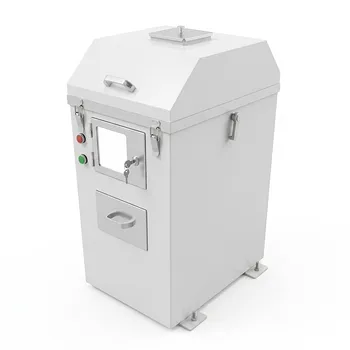
What role do industrial-grade crushers play in aircraft wire recycling? Key Steps for High-Purity Metal Recovery
Updated 5 months ago
Industrial-grade crushers and granulators serve as the critical first stage in aircraft wire recycling by mechanically reducing waste into micro-particles. This process uses intense physical force to liberate high-value metal cores, such as copper and aluminum, from their protective plastic insulation layers. By breaking these bonds, the machines transform bulky, tangled waste into a manageable, granular state ready for high-precision separation.
The core role of industrial crushing equipment is the physical "liberation" of materials; it converts complex composite cables into a mixture of pure metal and plastic particles, which is the essential prerequisite for any downstream resource recovery.
The Mechanical Liberation of Raw Materials
Breaking the Core-Insulation Bond
Aircraft wires are engineered for durability, often featuring tightly bonded insulation. Industrial granulators use high-speed cutting and grinding to apply the physical force necessary to detach the plastic sheath from the metal core. Without this mechanical disruption, the copper and aluminum remain trapped, making chemical or thermal recovery significantly more difficult and less efficient.
Conversion to Micro-Particles
The primary stage of recycling focuses on reducing the bulk wire into micro-particles. This reduction in size is not merely for convenience; it ensures that the metal and plastic are no longer physically connected at a granular level. Creating a uniform particle size establishes the technical foundation required for subsequent sorting technologies to function effectively.
Facilitating Efficient Material Transport
Large coils of aircraft wiring are difficult to move and process through automated systems. By converting these cables into a flowable granular format, crushers allow the material to be transported via conveyors or pneumatic systems. This transition from "waste product" to "bulk material" is a key step in industrializing the recycling workflow.
Streamlining the Process for High-Value Recovery
Preparing for Downstream Separation
Once the material is granulated, it can be fed into secondary separation systems, such as gravity tables or electrostatic sorters. The precision of the crushing stage determines the success of these later steps. If the particles are too large or the bonds are not fully broken, the purity of the recovered copper and aluminum will suffer.
Achieving Specific Grading Requirements
Similar to how crushers are used in construction to create specific aggregates, wire granulators can be adjusted to produce a specific particle size distribution. By controlling the "fineness" of the grind, operators can optimize the material for the specific separation equipment being used. This level of control enhances the reactivity and re-molding performance of the recycled plastic components.
Replacing Virgin Resources
The ultimate goal of using industrial-grade equipment is to produce secondary raw materials that can compete with virgin resources. High-quality granulation ensures that the recovered metal fractions are clean and the plastic polymers are free of metallic contamination. This allows the recycled output to be reintroduced directly into manufacturing supply chains.
Understanding the Trade-offs and Limitations
Heat Generation and Material Degradation
The intense friction required to grind metal-core wires generates significant heat. If not properly managed, this heat can cause the plastic insulation to soften or melt, potentially re-bonding it to the metal particles. Cooling systems are often necessary to maintain the integrity of the materials during the granulation process.
Equipment Wear and Maintenance
Processing high-grade metals like copper and aluminum causes rapid wear on the cutting blades and liners of the machinery. Frequent maintenance and blade sharpening are required to ensure the particles remain clean-cut rather than torn. Dull blades lead to "smearing" of the materials, which drastically reduces the efficiency of the separation stage.
Potential for Material Loss
Fine grinding inevitably produces "fines" or dust-like particles that can be difficult to capture. While aiming for micro-particles is necessary for liberation, over-grinding can result in the loss of valuable material through the dust collection system. Finding the balance between sufficient liberation and minimizing dust is a constant challenge for operators.
Maximizing Recovery Efficiency in Your Project
To achieve the best results when utilizing industrial-grade crushers for aircraft cable recycling, the equipment settings must align with your specific material recovery goals.
- If your primary focus is high-purity metal recovery: Prioritize a granulator with precision-adjustable blades to ensure the cleanest possible break between the core and the insulation.
- If your primary focus is high-volume throughput: Utilize a primary jaw crusher to pre-process bulk cables into smaller segments before feeding them into a high-speed granulator for final size reduction.
- If your primary focus is minimizing operational costs: Implement a robust maintenance schedule for blade sharpening to prevent material smearing and reduce the energy consumption caused by dull cutting surfaces.
The success of aircraft wire recycling depends on the precision of the initial mechanical breakdown, turning complex waste into a refined resource.
Summary Table:
| Key Process | Role in Recycling | Primary Benefit |
|---|---|---|
| Mechanical Liberation | Detaches plastic insulation from metal cores | Ensures clean material separation |
| Particle Conversion | Reduces bulky wire into uniform micro-particles | Foundation for high-precision sorting |
| Bulk Processing | Converts coils into flowable granular format | Enables automated pneumatic transport |
| Specific Grading | Adjusts fineness of the final grind | Optimizes downstream reactivity & purity |
Optimize Your Material Recovery with Industry-Leading Equipment
Precision in the initial crushing stage is the difference between waste and high-value resources. We provide complete laboratory sample preparation solutions for material science, specializing in high-performance powder processing and compaction equipment.
Our extensive product line is designed to handle the toughest recycling and preparation challenges:
- Crushing & Grinding: Jaw/roll crushers for primary reduction, plus planetary ball mills, jet mills, and cryogenic grinders for achieving perfect micro-particle sizes.
- Sieving & Mixing: Advanced vibratory sieve shakers and powder/defoaming mixers to ensure material consistency.
- Compaction Excellence: A full spectrum of hydraulic presses, including Cold/Warm Isostatic Presses (CIP/WIP), vacuum hot presses, and XRF pellet presses.
Whether you are refining aircraft wire recovery or developing new materials, our expertise ensures maximum efficiency and purity. Contact us today to find your solution!
References
- Md. Ahsan Habib, Eylem Asmatulu. Current Practices in Recycling and Reusing of Aircraft Materials and Equipment. DOI: 10.1007/s42824-025-00165-w
Mentioned Products
- Versatile Industrial Crusher for Laboratory Crushing and Material Processing
- Heavy-Duty Crusher for Laboratory and Industrial Material Size Reduction
- Industrial Swing Granulator for Powder Processing in Pharma Food and Chemical Industries
- Heavy Duty Industrial Jaw Crusher for Primary Ore Crushing and High Capacity Mineral Material Size Reduction
- Small Airflow Ultra-Fine Grinder for Laboratory Sample Preparation
People Also Ask
- What is the purpose of using industrial crushers and vibratory sieve shakers in the pretreatment of coal gangue? Ensure Uniformity
- What is the role of industrial crushers and standard test sieves in biomass pyrolysis? Optimize Heat Transfer & Yield
- What is the function of industrial crushers in the initial preparation of silicate minerals? Enhance Sample Uniformity
- What is the function of an industrial crusher in CRSS filler preparation? Essential Size Reduction for Carbonization
- How do crushers and mills work together in gypsum recycling? Transform drywall waste into reactive ceramic materials.

Tech Team · PowderPreparation
Last updated on May 14, 2026
Related Products
Versatile Industrial Crusher for Laboratory Crushing and Material Processing
Heavy-Duty Crusher for Laboratory and Industrial Material Size Reduction
Industrial Swing Granulator for Powder Processing in Pharma Food and Chemical Industries
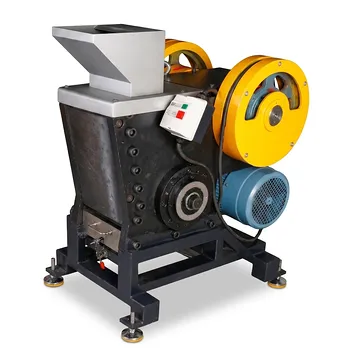
Heavy Duty Industrial Jaw Crusher for Primary Ore Crushing and High Capacity Mineral Material Size Reduction
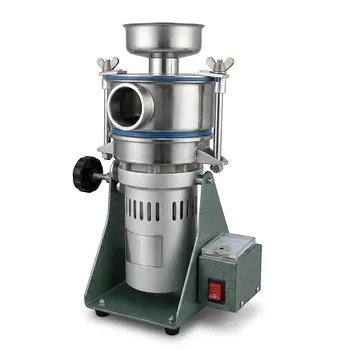
Small Airflow Ultra-Fine Grinder for Laboratory Sample Preparation
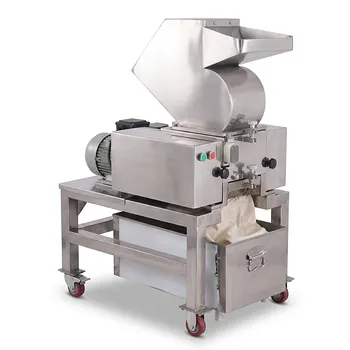
Stainless Steel Coarse Crusher for Pharmaceutical Food and Plastic Material Processing
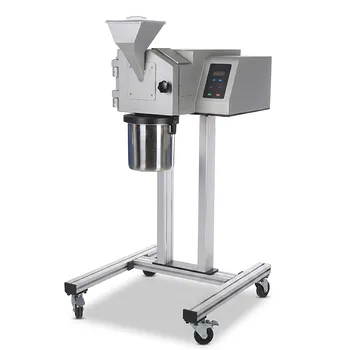
Cross Beater Mill for Brittle Material Grinding and Continuous Fine Crushing Industrial Sample Preparation
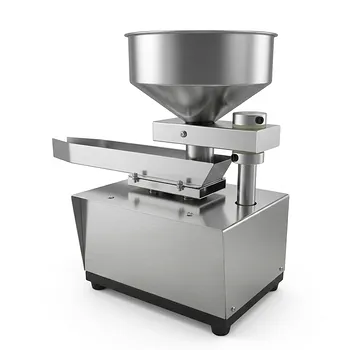
Automatic Vibrating Powder Feeder for Laboratory Material Processing Precision Vibratory Hopper Feeder for Granular and Powder Material Handling Industrial Grade Vibrating Tray Feeder for Consistent Material Sample Preparation
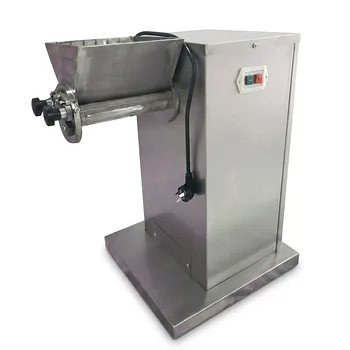
Small Laboratory Oscillating Granulator for Wet and Dry Granulation Processing
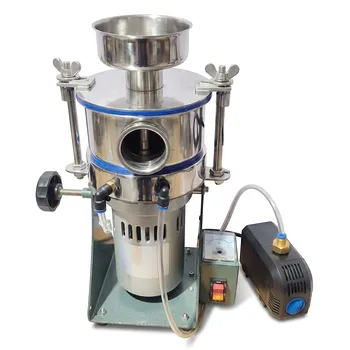
Water Cooled Airflow Ultra Fine Grinder for Low Temperature Material Processing
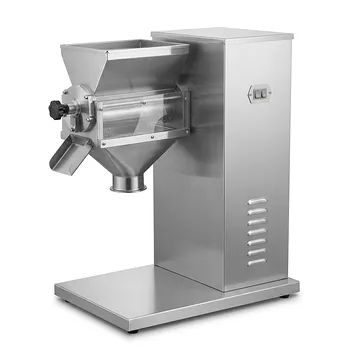
Small Swing Granulator Efficient Powder Granulation for Pharmaceutical Chemical Food Industries
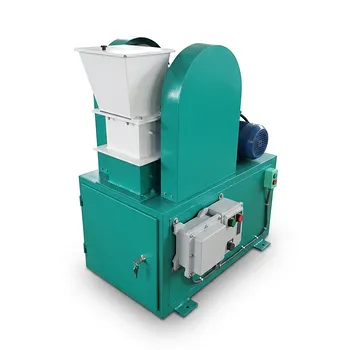
Custom Explosion-Proof Sealed Jaw Crusher for Laboratory and Industrial Sample Preparation
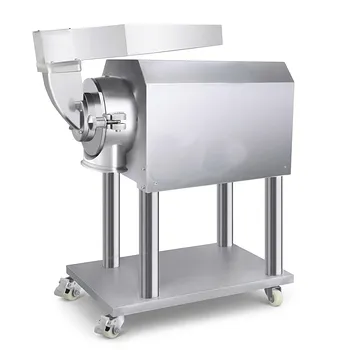
High Speed Small Laboratory Crusher for Dry Material Sample Preparation
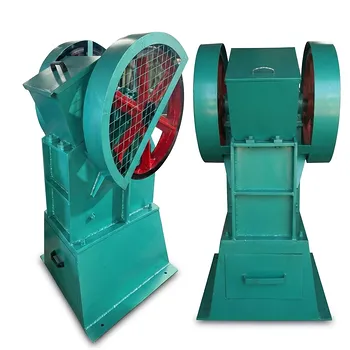
Sealed Jaw Crusher for Laboratory Material Crushing and Sample Preparation