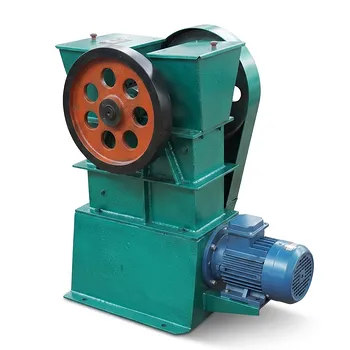
What is the function of an industrial crusher in CRSS filler preparation? Essential Size Reduction for Carbonization
Updated 5 months ago
Mechanical size reduction is the primary function. In the initial preparation of Carbonized Rubber Seed Shell (CRSS) fillers, an industrial crusher uses powerful mechanical impact to break down dry, hard raw shells into smaller, uniform particles. This transformation is the essential first step in converting bulk agricultural waste into a processable form suitable for the carbonization process.
The industrial crusher serves as the fundamental bridge between raw waste and engineered filler, providing the necessary size reduction to ensure uniform carbonization. By converting bulk shells into a granular substrate, it establishes the physical foundation required for subsequent thermal and chemical refinement.
The Role of Mechanical Impact in Feedstock Preparation
Transforming Bulk Waste into Processable Feedstock
The raw rubber seed shell is naturally dry, hard, and irregularly shaped, making it difficult to process in its original state. An industrial crusher applies mechanical impact and shear forces to pulverize these large fragments into a manageable granular form.
This initial breakdown is critical for resource utilization, as it moves the material from a macroscopic waste product to a microscopic precursor. Without this step, the shells would be too bulky for standard industrial carbonization equipment.
Creating a Uniform Base for Carbonization
Consistency is vital for high-quality filler production. The crusher ensures the material base is uniform, which allows for even heat distribution during the subsequent carbonization phase.
A uniform particle size prevents "cold spots" or uneven charring that can occur with bulk materials. This consistency directly impacts the chemical stability and quality of the final CRSS filler.
Enhancing Material Properties through Refinement
Increasing Specific Surface Area
One of the most significant technical outcomes of crushing is the drastic increase in the material's specific surface area. By breaking one large shell into thousands of smaller particles, more of the material's surface is exposed to its environment.
This increased surface area is a prerequisite for effective chemical reactions and thermal decomposition. In later stages, this physical characteristic facilitates better interfacial interaction between the filler and the rubber matrix.
Facilitating Thermal and Chemical Reactivity
Smaller particles react more predictably and thoroughly during the carbonization process. The increased surface area allows for more efficient heat transfer and gas release during thermal treatment.
This mechanical preparation ensures that the resulting carbonized shells possess the necessary physical form for further refinement, such as fine sieving or high-speed grinding into micron-sized powders.
Understanding the Trade-offs
Particle Size vs. Energy Consumption
Achieving an extremely fine particle size during the initial crushing stage requires significantly higher energy input. Producers must balance the need for small particles (often aiming for a 1 to 3 mm range) with the operational costs of the crushing equipment.
Mechanical Wear and Contamination
The high-speed impact required to break hard shells leads to inevitable wear on the crusher’s internal components. If not monitored, metal fatigue or erosion can introduce small amounts of contaminants into the raw material, potentially affecting the purity of the final filler.
How to Apply This to Your Project
Making the Right Choice for Your Goal
To optimize the initial preparation of rubber seed shells, align your crushing strategy with your final material requirements:
- If your primary focus is carbonization efficiency: Aim for a consistent particle size between 1mm and 3mm to ensure uniform heat penetration and gas evolution.
- If your primary focus is maximizing mechanical reinforcement: Prioritize maximizing the specific surface area during the crushing and subsequent pulverizing stages to improve bonding with the rubber matrix.
- If your primary focus is cost-effective production: Utilize high-impact shear crushers for the initial breakdown to minimize the time required for secondary fine grinding.
Properly executed mechanical crushing is the indispensable foundation that transforms raw agricultural waste into a high-performance industrial filler.
Summary Table:
| Key Function | Technical Benefit | Impact on Final Product |
|---|---|---|
| Mechanical Impact | Breaks bulk shells into 1-3mm particles | Creates processable feedstock from waste |
| Uniformity Control | Ensures even heat distribution | Prevents uneven charring and chemical instability |
| Surface Area Boost | Increases specific surface area | Enhances interfacial interaction with rubber matrix |
| Thermal Facilitation | Efficient heat transfer & gas release | Predictable and thorough carbonization results |
Elevate Your Material Preparation with Precision Engineering
At [Brand Name], we provide complete laboratory sample preparation solutions tailored for material science professionals. Whether you are transforming agricultural waste like rubber seed shells into high-performance fillers or developing advanced composites, our specialized powder processing and compaction equipment ensures consistency and quality at every stage.
Our extensive product line includes:
- Size Reduction: Heavy-duty crushers (jaw/roll), liquid nitrogen cryogenic grinders, and high-efficiency mills (planetary ball, jet, sand, disc, and rotor).
- Classification & Mixing: Vibratory and air-jet sieve shakers with precision meshes, plus advanced powder and defoaming mixers.
- Compaction & Thermal Treatment: A full spectrum of hydraulic presses, including Cold/Warm Isostatic Presses (CIP/WIP), standard lab presses, XRF pellet presses, and vacuum hot presses.
Ready to optimize your carbonization efficiency and mechanical reinforcement? Contact our experts today to find the perfect equipment solution for your research or production needs!
References
- Munirah Onn, Zafryll Amir Zulkifly. Performance evaluation of carbonized rubber seed shell (CRSS) filler as reinforcer in rubber binder. DOI: 10.11113/mjfas.v14n3.1098
Mentioned Products
- Versatile Industrial Crusher for Laboratory Crushing and Material Processing
- Heavy Duty Industrial Jaw Crusher for Primary Ore Crushing and High Capacity Mineral Material Size Reduction
- Heavy Duty Industrial Laboratory Jaw Crusher for Primary Sample Preparation and Hard Material Size Reduction
- Heavy-Duty Crusher for Laboratory and Industrial Material Size Reduction
- Stainless Steel Coarse Crusher for Pharmaceutical Food and Plastic Material Processing
People Also Ask
- What is the purpose of using industrial crushers and vibratory sieve shakers in the pretreatment of coal gangue? Ensure Uniformity
- What is the role of industrial crushers and standard test sieves in biomass pyrolysis? Optimize Heat Transfer & Yield
- What is the function of industrial crushers in the initial preparation of silicate minerals? Enhance Sample Uniformity
- How do crushers and mills work together in gypsum recycling? Transform drywall waste into reactive ceramic materials.
- What is the primary function of industrial crushing equipment in epoxy composite preparation? Optimize Material Performance

Tech Team · PowderPreparation
Last updated on May 14, 2026
Related Products
Versatile Industrial Crusher for Laboratory Crushing and Material Processing
Heavy Duty Industrial Jaw Crusher for Primary Ore Crushing and High Capacity Mineral Material Size Reduction
Heavy Duty Industrial Laboratory Jaw Crusher for Primary Sample Preparation and Hard Material Size Reduction
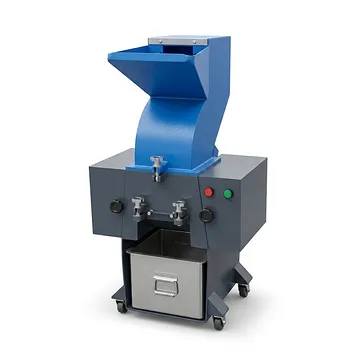
Heavy-Duty Crusher for Laboratory and Industrial Material Size Reduction
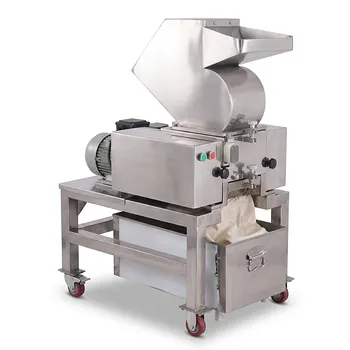
Stainless Steel Coarse Crusher for Pharmaceutical Food and Plastic Material Processing
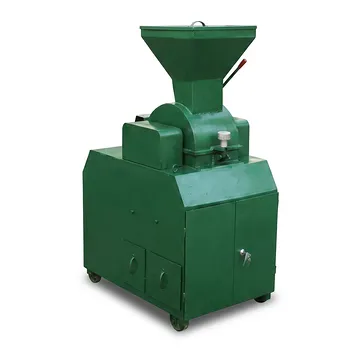
Industrial Sealed Hammer Knife Crusher for Mining Ore and Coal Sample Preparation
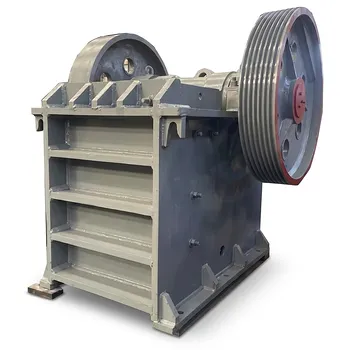
Heavy-Duty Jaw Crusher for Medium-Hard Ore and Industrial Mineral Crushing
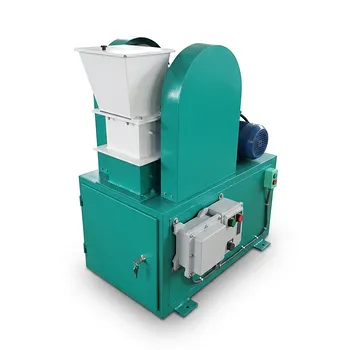
Custom Explosion-Proof Sealed Jaw Crusher for Laboratory and Industrial Sample Preparation
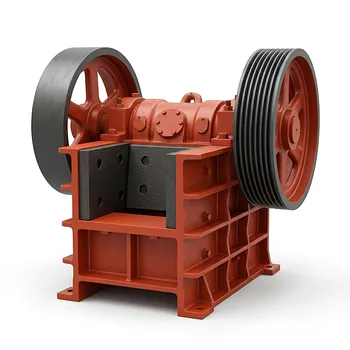
250x400 Jaw Crusher for Primary Crushing of Ores and Bulk Materials
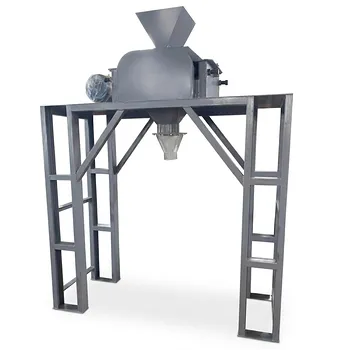
Heightened Customized Laboratory Double Roll Crusher for Coal Ore Rock Crushing
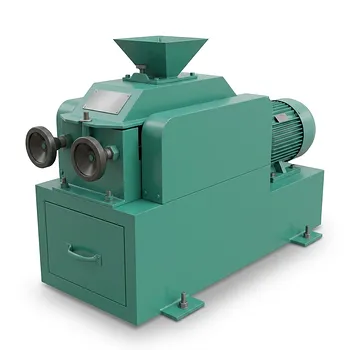
Horizontal Double Roll Crusher for Medium Fine Crushing of Coal Limestone and Ores
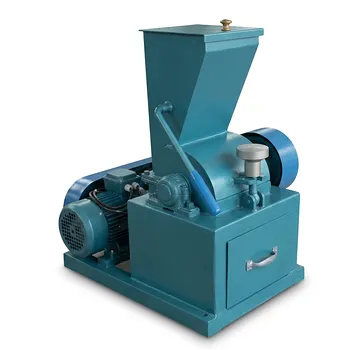
Small Hammer Crusher for Brittle Material Crushing in Mining Metallurgy and Lab Sample Preparation
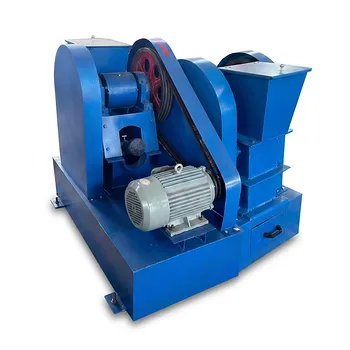
Horizontal Jaw Crusher Medium Hard Material Crushing Laboratory Sample Preparation Equipment
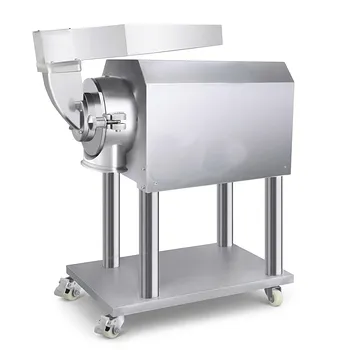
High Speed Small Laboratory Crusher for Dry Material Sample Preparation
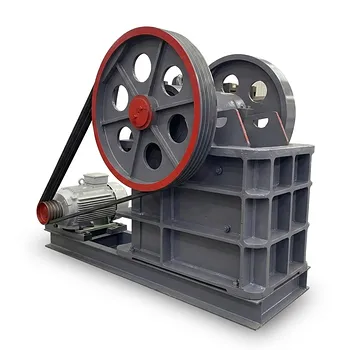
250x400mm Jaw Crusher Medium Crushing Equipment for Mining Mineral Sample Preparation
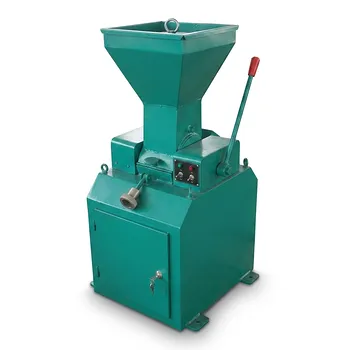
Laboratory Sealed Hammer Crusher for Coal and Mineral Sample Preparation

Sealed Double Roll Crusher for Laboratory Sample Preparation of Medium Hardness Materials
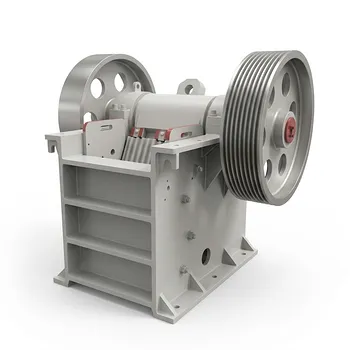
Jaw Crusher with 400x600mm Feed Opening for Primary Rock Crushing in Mining and Construction
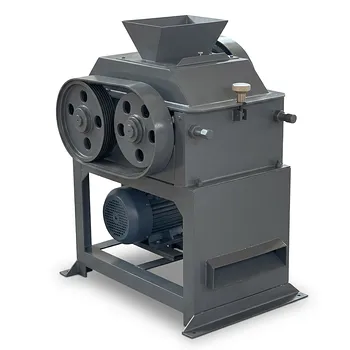
Sealed Laboratory Double Roll Crusher for Coal, Mineral, Ore Sample Preparation