Why Pre-Crush Bulk ZnFeS Before Ball Milling? Essential Steps for Efficiency and High-Purity Micron Refinement
Updated 4 months ago
Physical crushing is a mandatory prerequisite for bulk Zinc Iron Sulfide (ZnFeS) because the material's raw initial volume exceeds the physical capacity of standard ball milling jars. Ball milling relies on the precise interaction between grinding media and the feedstock; if the material is too large, it prevents the jar from closing and hinders the kinetic energy transfer required for pulverization. Reducing bulk ZnFeS into smaller particles ensures the material can fully interface with the grinding balls, maximizing efficiency from the very start of the cycle.
Physical crushing transforms bulk ZnFeS into a size-compatible feedstock that facilitates optimal contact with grinding media and protects the milling hardware. This pre-treatment is the essential first step to achieving the micron-level refinement required for deep impurity removal and high-purity material production.
Overcoming Physical and Mechanical Limitations
Compatibility with Milling Hardware
Ball milling jars, particularly those used in planetary ball milling, have limited internal volume and specific loading requirements. Bulk ZnFeS in its raw, large-scale state is often physically impossible to load into these jars alongside the necessary volume of grinding media.
Optimizing Kinetic Energy Transfer
The pulverization process depends on the impact and attrition of grinding balls against the material. When ZnFeS is pre-crushed, the grinding media can strike the material directly and consistently, rather than being obstructed by oversized chunks that resist the tumbling motion.
Improving Material Fluidity
Physical crushing increases the initial fineness and fluidity of the mineral particles entering the mill. This allows the material to move freely within the jar, ensuring that the high-energy mechanical impacts are distributed evenly across the entire batch.
Enhancing Refining Efficiency and Purity
Increasing Specific Surface Area
Reducing the particle size through pre-treatment significantly increases the specific surface area of the ZnFeS. This prepares the material for precision grinding, where it must eventually reach sizes as fine as 75 micrometers to facilitate later chemical processes.
Facilitating Impurity Removal
Deep impurity removal, such as the extraction of encapsulated phosphorus or sulfur, requires leaching agents to have full contact with the internal grain structure. Ball milling can only reach these necessary refinement levels if the initial feedstock is small enough to be effectively pulverized.
Protecting Equipment and Ensuring Purity
Large, jagged bulk pieces can cause excessive mechanical stress and uneven wear on the inner walls of steel-coated ball milling jars. Pre-crushing the material reduces the risk of the jar shedding debris into the product, which is critical for maintaining the high purity of the final nanostructured ZnFeS.
Understanding the Trade-offs
The Risk of Pre-treatment Contamination
While crushing is necessary, it introduces an additional touchpoint where the material can be contaminated. It is vital to use crushing tools (manual or mechanical) that match the hardness of ZnFeS to prevent the tools themselves from wearing down and introducing foreign particles into the mix.
Energy and Time Considerations
Adding a physical crushing step increases the total preparation time and labor costs of the project. However, bypassing this step leads to significantly longer milling cycles, increased energy consumption by the ball mill, and accelerated wear on expensive grinding media.
Strategies for Effective Pre-Milling Preparation
To ensure your ZnFeS material is prepared correctly for the ball milling process, consider your specific production goals:
- If your primary focus is maximum material purity: Use high-hardness mechanical crushers or manual tools made of non-reactive materials to ensure no debris is introduced before the ZnFeS enters the steel-coated jars.
- If your primary focus is high-throughput efficiency: Prioritize achieving a uniform particle size during the crushing phase to maximize the fluidity and grinding speed once the material is in the ball mill.
- If your primary focus is deep chemical leaching: Ensure the pre-crushing is followed by a ball milling cycle that reaches the 75-micrometer threshold, allowing leaching agents to reach encapsulated gangue minerals.
By integrating a rigorous physical crushing pre-treatment, you secure the mechanical compatibility and refining efficiency necessary for high-performance Zinc Iron Sulfide processing.
Summary Table:
| Key Reason for Pre-Crushing | Technical Benefit | Impact on Final ZnFeS Product |
|---|---|---|
| Hardware Compatibility | Fits feedstock into standard milling jars | Prevents mechanical stress and jar damage |
| Kinetic Energy Transfer | Maximizes media-to-material contact | Achieves faster and more uniform pulverization |
| Surface Area Expansion | Increases specific surface area | Facilitates deep impurity removal and leaching |
| Material Fluidity | Ensures even distribution of impacts | Reaches critical 75μm refinement thresholds |
Elevate Your Material Research with Professional Sample Preparation
Achieving high-purity Zinc Iron Sulfide requires more than just milling—it demands a precision-engineered workflow. At [Brand Name], we provide complete laboratory sample preparation solutions specifically designed for material science and powder processing.
From the initial bulk reduction to nanostructured refinement, our equipment ensures your materials meet the most rigorous standards:
- Primary Crushing: High-performance jaw and roll crushers for effective pre-treatment.
- Advanced Milling: Planetary ball mills, jet mills, and cryogenic grinders for micron-level precision.
- Final Processing: Sieve shakers, powder mixers, and a full spectrum of hydraulic presses, including Cold/Warm Isostatic Presses (CIP/WIP) and vacuum hot presses for superior compaction.
Ready to optimize your ZnFeS processing efficiency? Contact our technical experts today to find the perfect equipment configuration for your laboratory's unique requirements.
References
- Production and characterization of Zinc Iron Sulphide (ZnFeS) nanoparticles sourced locally from Nigeria prepared by high energy ball-milling. DOI: 10.17148/imrjr.2025.020601
Mentioned Products
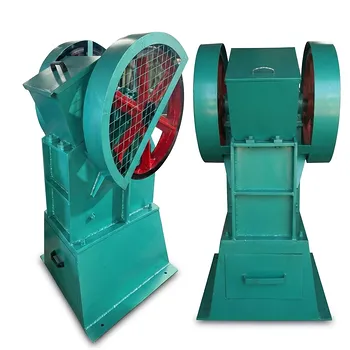
- Versatile Industrial Crusher for Laboratory Crushing and Material Processing
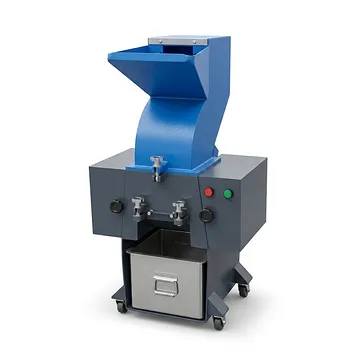
- Heavy-Duty Crusher for Laboratory and Industrial Material Size Reduction
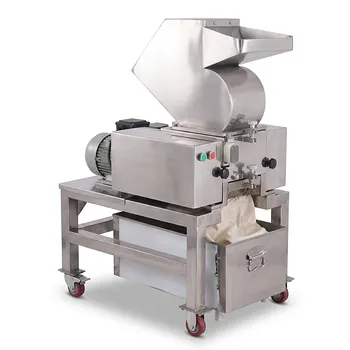
- Stainless Steel Coarse Crusher for Pharmaceutical Food and Plastic Material Processing
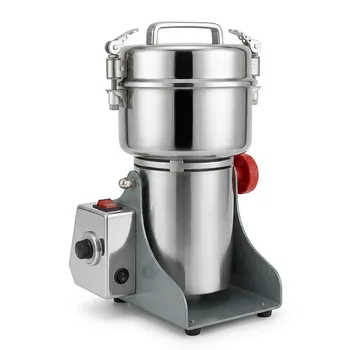
- High Speed Small Laboratory Crusher for Dry Material Sample Preparation
- Heavy Duty Industrial Jaw Crusher for Primary Ore Crushing and High Capacity Mineral Material Size Reduction
People Also Ask
- What is the purpose of using industrial crushers and vibratory sieve shakers in the pretreatment of coal gangue? Ensure Uniformity
- What is the role of industrial crushers and standard test sieves in biomass pyrolysis? Optimize Heat Transfer & Yield
- What is the function of industrial crushers in the initial preparation of silicate minerals? Enhance Sample Uniformity
- What is the function of an industrial crusher in CRSS filler preparation? Essential Size Reduction for Carbonization
- How do crushers and mills work together in gypsum recycling? Transform drywall waste into reactive ceramic materials.

Tech Team · PowderPreparation
Last updated on Jun 03, 2026
Related Products
Versatile Industrial Crusher for Laboratory Crushing and Material Processing
Heavy-Duty Crusher for Laboratory and Industrial Material Size Reduction
Stainless Steel Coarse Crusher for Pharmaceutical Food and Plastic Material Processing
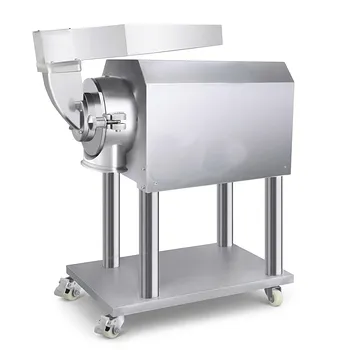
High Speed Small Laboratory Crusher for Dry Material Sample Preparation
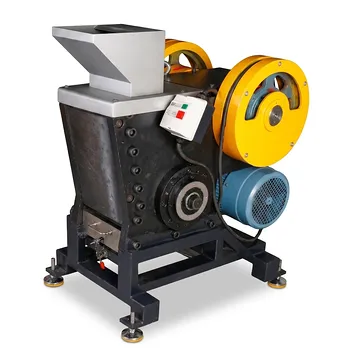
Heavy Duty Industrial Jaw Crusher for Primary Ore Crushing and High Capacity Mineral Material Size Reduction
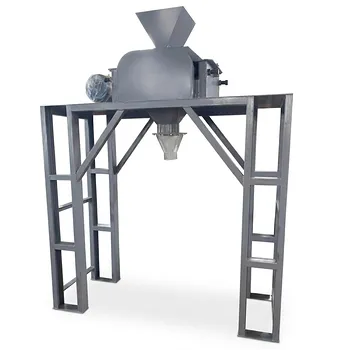
Heightened Customized Laboratory Double Roll Crusher for Coal Ore Rock Crushing
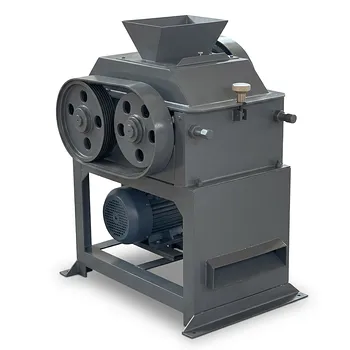
Sealed Laboratory Double Roll Crusher for Coal, Mineral, Ore Sample Preparation
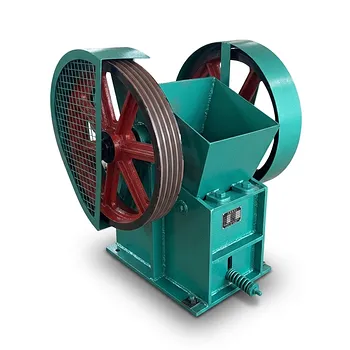
150x250mm Laboratory Jaw Crusher for Medium Hard Material Crushing and Sample Preparation
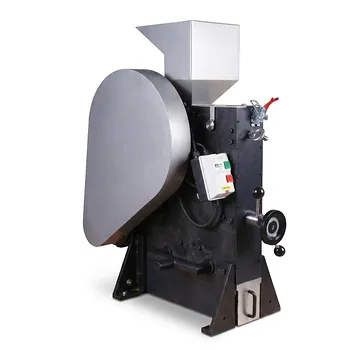
Heavy Duty Industrial Laboratory Jaw Crusher for Primary Sample Preparation and Hard Material Size Reduction
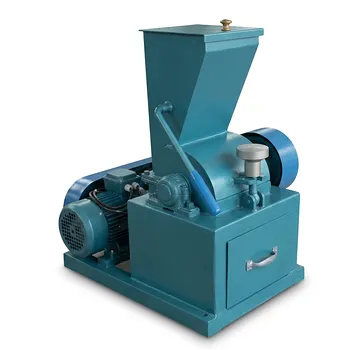
Small Hammer Crusher for Brittle Material Crushing in Mining Metallurgy and Lab Sample Preparation
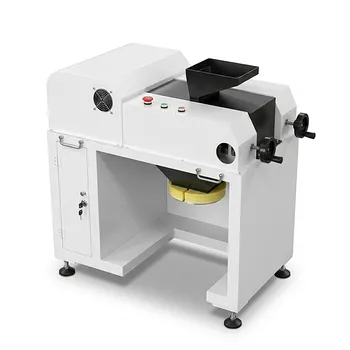
Precision Toothed Roll Crusher for Laboratory Coal and Mineral Sample Preparation
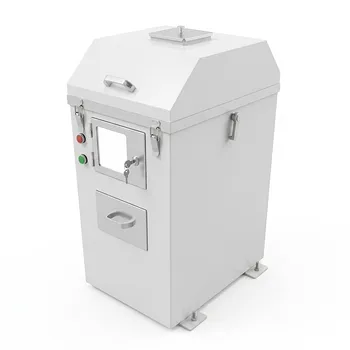
Sealed Double Roll Crusher for Laboratory Sample Preparation of Medium Hardness Materials
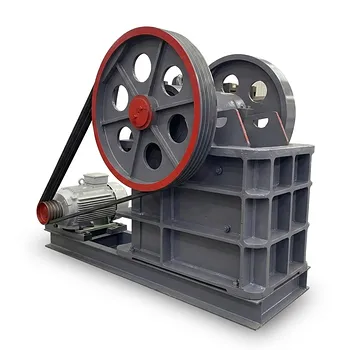
250x400mm Jaw Crusher Medium Crushing Equipment for Mining Mineral Sample Preparation
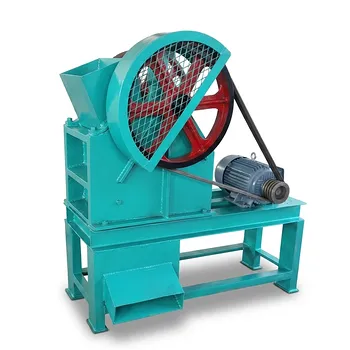
150x250mm Custom Laboratory Jaw Crusher for Coal Ore Mineral Crushing
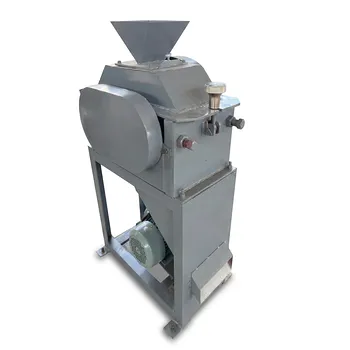
Sealed Double Roll Crusher for Laboratory Coal and Ore Sample Preparation
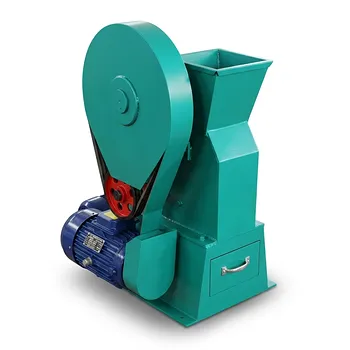
Small Laboratory Jaw Crusher 125x100mm Feed Opening for Sample Preparation
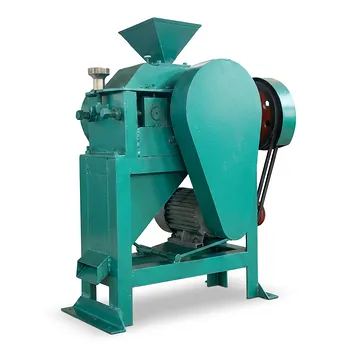
Laboratory Sealed Double Roll Crusher for Coal Ore Rock and Medium Hardness Materials Sample Preparation
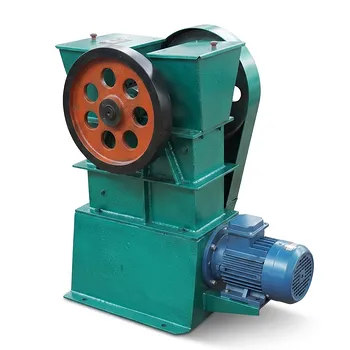
150×125mm Laboratory Jaw Crusher for Medium and Fine Crushing of Brittle Materials
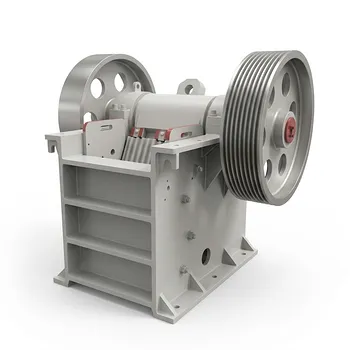
Jaw Crusher with 400x600mm Feed Opening for Primary Rock Crushing in Mining and Construction