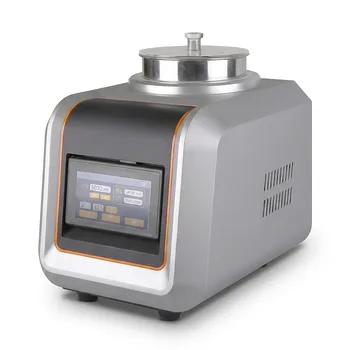
What role do a vibratory sieve shaker and a 62 μm test sieve play in sediment characterization? Achieve precise grading.
Updated 5 months ago
The vibratory sieve shaker and the 62 μm test sieve are the primary tools used to physically define the boundary between sand and mud fractions in a sediment sample. By applying standardized mechanical force, the shaker drives particles through the 62 μm mesh; particles retained are classified as sand, while those passing through are classified as mud (a mixture of silt and clay). This mechanical separation is the essential first step for calculating grain size distribution and analyzing how pollutants like heavy metals or organic carbons are distributed across different particle sizes.
The combination of a vibratory shaker and a 62 μm sieve provides a repeatable, mechanical method for fractionating sediment into its core components. This process is critical for establishing the physical baseline required for advanced chemical, environmental, and engineering analyses.
Defining the Physical Boundary of Sediments
The 62 μm Threshold for Sand and Mud
In sedimentology, the 62 μm aperture serves as the definitive boundary for physical classification. Particles that cannot pass through this mesh are categorized as sand, while the finer material that passes through represents the mud fraction (silt and clay).
Standardizing Grain Size Distribution
The vibratory shaker ensures that the separation is governed by mechanical consistency rather than manual technique. By applying specific frequencies and durations, the shaker allows for the calculation of the precise weight distribution of a sample, which is necessary to determine mean grain size, sorting, and skewness.
Quantifying Fine Particle Content
Identifying the percentage of material passing through the 62 μm sieve (often treated similarly to a No. 200 sieve in engineering) is vital for soil classification. This data helps engineers assess the compressibility and stability of the sediment matrix in construction or environmental contexts.
Environmental and Chemical Implications
Heavy Metal and Organic Carbon Localization
The characterization of sediment properties is often a precursor to chemical analysis. Researchers use the 62 μm separation to study enrichment patterns, as heavy metals and organic pollutants frequently adhere to the higher surface area found in the finer mud fractions.
Identifying Carbon Storage Potential
The proportion of fine sediments (less than 62-63 μm) directly correlates with a site’s organic carbon storage potential. By isolating this fraction, scientists can more accurately model the environmental health and nutrient cycling of aquatic ecosystems.
Preparation for Microplastic Extraction
Vibratory shakers are often used to remove coarse particles (those larger than 2mm) and isolate specific ranges for further study. This provides a standardized matrix that simplifies the subsequent stages of microplastic extraction and identification.
Enhancing Analytical Precision
Improving Repeatability over Manual Methods
Mechanical vibratory shakers utilize reciprocating vibration and tapping actions to ensure particles are effectively graded. This method offers significantly higher repeatability than manual sieving, reducing human error in longitudinal studies.
Complementing Laser Particle Size Analysis
Laser particle size analyzers often have a limited upper measurement range. Vibratory shakers are used to process the coarser fractions, and the resulting data is mathematically combined with laser results to create a full-range distribution curve.
Understanding the Trade-offs
Dry vs. Wet Sieving Limitations
Dry sieving is efficient for coarse materials but can lead to the agglomeration of fine particles. In cases involving aquifer sediments or high clay content, wet sieving is preferred to ensure that fine particles do not stick to larger sand grains, which would otherwise skew the results.
Particle Shape and Mesh Blinding
The sieve shaker measures the intermediate dimension of a particle. Elongated or flat particles may be retained or passed depending on their orientation during vibration, and extremely fine particles can "blind" or clog the 62 μm mesh, requiring careful cleaning and standardized vibration intervals to maintain accuracy.
How to Apply This to Your Project
Characterizing sediment requires selecting the right methodology based on your final analytical goal.
- If your primary focus is environmental pollutant mapping: Use the 62 μm sieve to isolate the mud fraction, as this is where heavy metals and organic pollutants are most likely to concentrate.
- If your primary focus is engineering or soil stability: Focus on the weight percentage of the material passing through the sieve to determine the fine-content ratio for soil classification.
- If your primary focus is high-precision geomorphology: Utilize a full stack of sieves in a vibratory shaker to calculate sorting and skewness, which reveal the transport history of the sediment.
By correctly utilizing these tools, you transform a raw field sample into standardized data that is both technically defensible and scientifically actionable.
Summary Table:
| Feature | Role in Sediment Characterization | Key Benefit |
|---|---|---|
| 62 μm Aperture | Defines the physical boundary between sand and mud | Standardizes sediment classification |
| Mechanical Shaking | Automates the separation process via vibration/tapping | Ensures high repeatability & reduces human error |
| Fraction Isolation | Separates fine mud for heavy metal & carbon analysis | Enhances precision of environmental studies |
| Size Distribution | Quantifies weight percentage of various grain sizes | Vital for engineering stability assessments |
| Sample Prep | Removes coarse particles (>2mm) for microplastic studies | Simplifies downstream extraction workflows |
Elevate Your Material Analysis with Precision Solutions
Achieving accurate sediment characterization requires more than just a sieve; it requires a standardized, repeatable process. [Brand Name] provides complete laboratory sample preparation solutions for material science, specializing in high-performance powder processing and compaction equipment.
From our precision vibratory and air-jet sieve shakers to our extensive range of test sieves and meshes, we ensure your grain size distribution data is technically defensible. Our expertise extends to:
- Milling & Grinding: Planetary ball mills, jet mills, and cryogenic grinders for fine particle reduction.
- Powder Compaction: A full spectrum of hydraulic presses, including Cold/Warm Isostatic Presses (CIP/WIP), XRF pellet presses, and vacuum hot presses.
- Mixing: Advanced powder and defoaming mixers for uniform sample preparation.
Whether you are mapping environmental pollutants or assessing soil stability, our equipment is designed to enhance your lab's efficiency and accuracy.
Contact our experts today to find the perfect solution for your lab!
References
- Karthikeyan Perumal, Subagunasekar Muthuramalingam. Heavy metal pollutants and their spatial distribution in surface sediments from Thondi coast, Palk Bay, South India. DOI: 10.1186/s12302-021-00501-2
Mentioned Products
- Vibratory Sieve Shaker Electromagnetic 3D Motion Powder Particle Size Analyzer for Dry and Wet Sieving
- Laboratory Dry and Wet Three Dimensional Vibratory Sieve Shaker for Particle Analysis
- Stainless Steel Laboratory Vibratory Test Sieve Shaker
- Heavy Duty Dry Three Dimensional Vibratory Sieve Shaker for Particle Separation
- Dry Three Dimensional Vibratory Sieve Shaker
People Also Ask
- How does a vibratory sieve shaker contribute to optimizing the performance of activated carbon? Enhance Adsorption Precision
- Why is a laboratory vibratory sieve shaker necessary for processing magnesium-based borate precursor powders? Boost Activity
- Why use a vibratory sieve shaker to verify coarse aggregate grading in rubberized concrete? Ensure Structural Integrity
- What function do vibratory sieve shakers and standard test sieves serve in the preparation of adsorbents? Key Guide
- What role does a vibratory sieve shaker play in the particle size analysis of ground corn products? Enhance QC Precision

Tech Team · PowderPreparation
Last updated on May 14, 2026
Related Products
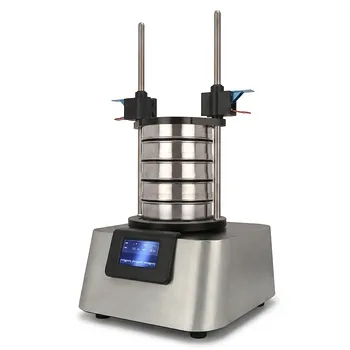
Vibratory Sieve Shaker Electromagnetic 3D Motion Powder Particle Size Analyzer for Dry and Wet Sieving
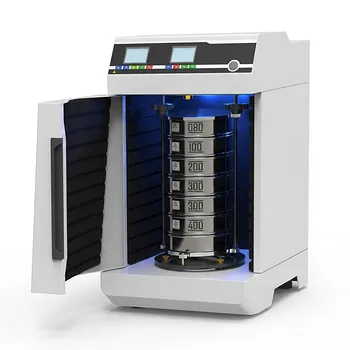
Laboratory Dry and Wet Three Dimensional Vibratory Sieve Shaker for Particle Analysis
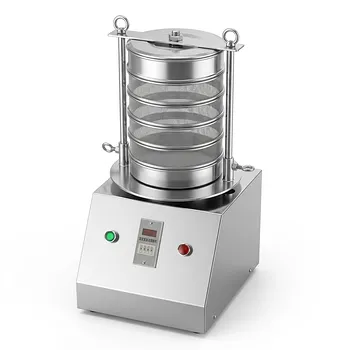
Stainless Steel Laboratory Vibratory Test Sieve Shaker
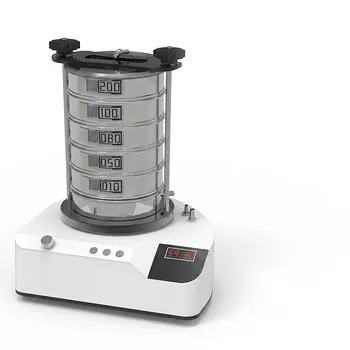
Heavy Duty Dry Three Dimensional Vibratory Sieve Shaker for Particle Separation
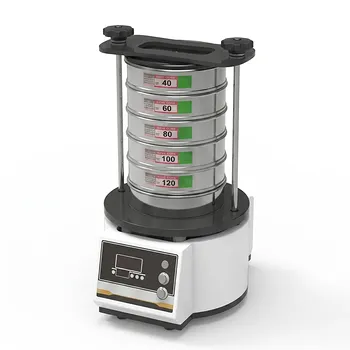
Dry Three Dimensional Vibratory Sieve Shaker
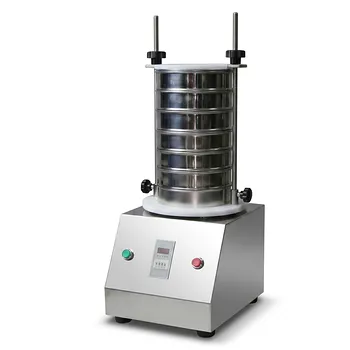
Small Laboratory Vibratory Sieve Shaker for Powder Gradation and Particle Size Analysis
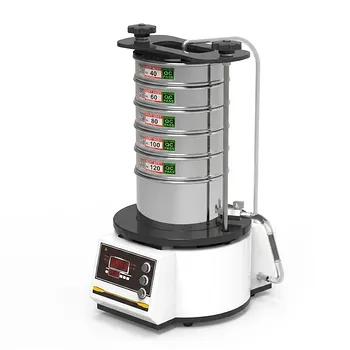
High Frequency Wet Three-Dimensional Vibrating Sieve Shaker for Dry and Wet Particle Size Analysis
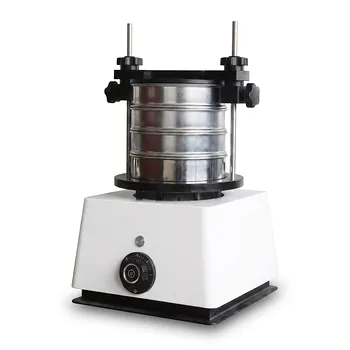
Small Laboratory Vibrating Sieve Shaker for Precise Particle Size Analysis
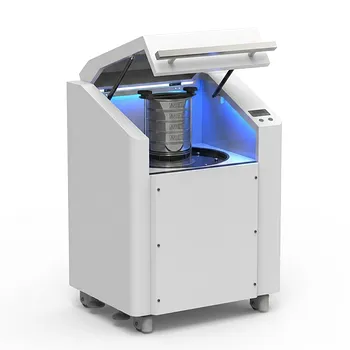
High Frequency Cabinet Type Three-Dimensional Rotary Vibrating Sieve Shaker for Dry Sieving and Particle Classification
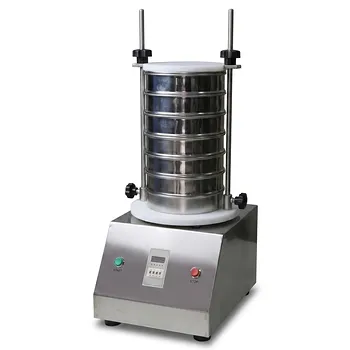
Laboratory Vibratory Test Sieve Shaker for Precision Particle Size Analysis and Powder Grading
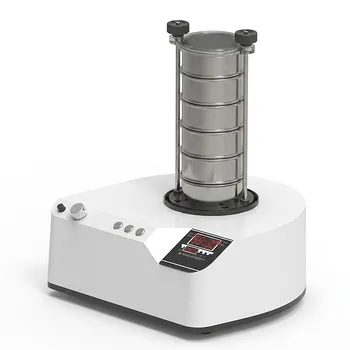
三维电磁微量振动筛分仪
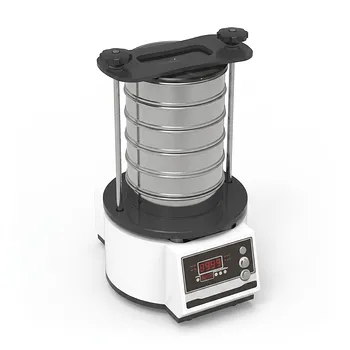
Tapping Oscillating Sieve Shaker for Dry and Wet Particle Size Analysis
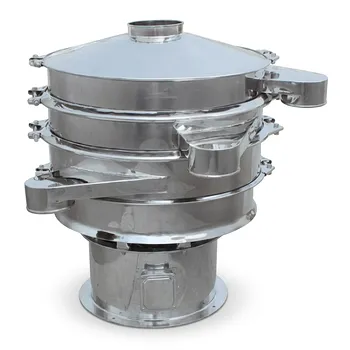
Stainless Steel Rotary Vibrating Sieve High Precision Circular Vibratory Separator Industrial Powder Grading Machine Multi Layer Sifting Equipment
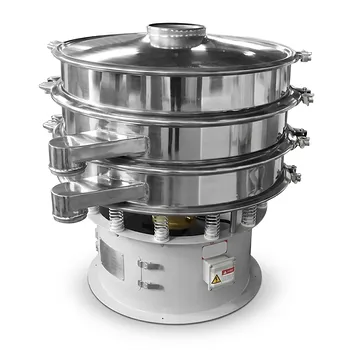
Three Dimensional Rotary Vibrating Sieve
Small Vibrating Ultrafine Grinder for Traditional Chinese Medicine
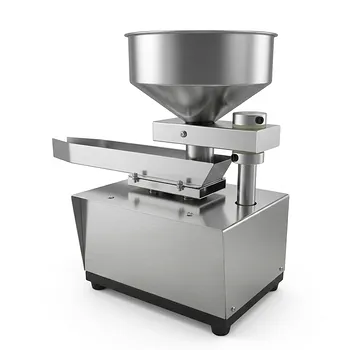
Automatic Vibrating Powder Feeder for Laboratory Material Processing Precision Vibratory Hopper Feeder for Granular and Powder Material Handling Industrial Grade Vibrating Tray Feeder for Consistent Material Sample Preparation
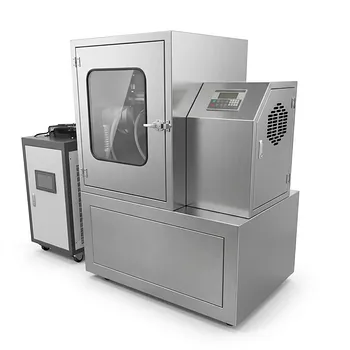
Vibratory Superfine Grinder for Ultra Fine Laboratory Powder Milling
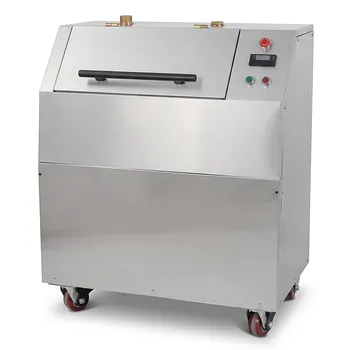
Vibratory Disc Mill for Rapid Fine Grinding and High Throughput Sample Preparation of Hard and Brittle Materials